

Leaders of Malaysia and Indonesia, the world's two largest palm oil producers, pledged on June 8 to cooperate in forcing the European Union to reverse forest protection measures adopted in April, citing "discriminatory" practices that are negatively impacting palm oil exports.
Until now, the two Southeast Asian nations have acted separately to protest EU regulations that they consider unfair to the palm oil supply chain, the world's most widely consumed vegetable oil.
In a joint statement, Malaysian Prime Minister Anwar Ibrahim and Indonesian President Joko “Jokowi” Widodo said the two countries would work closely to address “highly discriminatory measures” against palm oil under the European Union’s Regulation on Deforestation (EUDR). The statement came after the two leaders met during Jokowi’s first official visit to Malaysia since 2019.
In April, the European Parliament adopted the EUDR, which aims to prevent the sale of palm oil, soybeans, coffee, cocoa, beef, rubber, timber, charcoal, and derivative products such as leather, chocolate, and furniture produced on land that has been deforested after 2020. The legislation is awaiting final approval from EU members.
Under this regulation, all companies involved in the trade of these products and their derivatives must comply with stringent due diligence requirements when exporting to or selling within the EU.
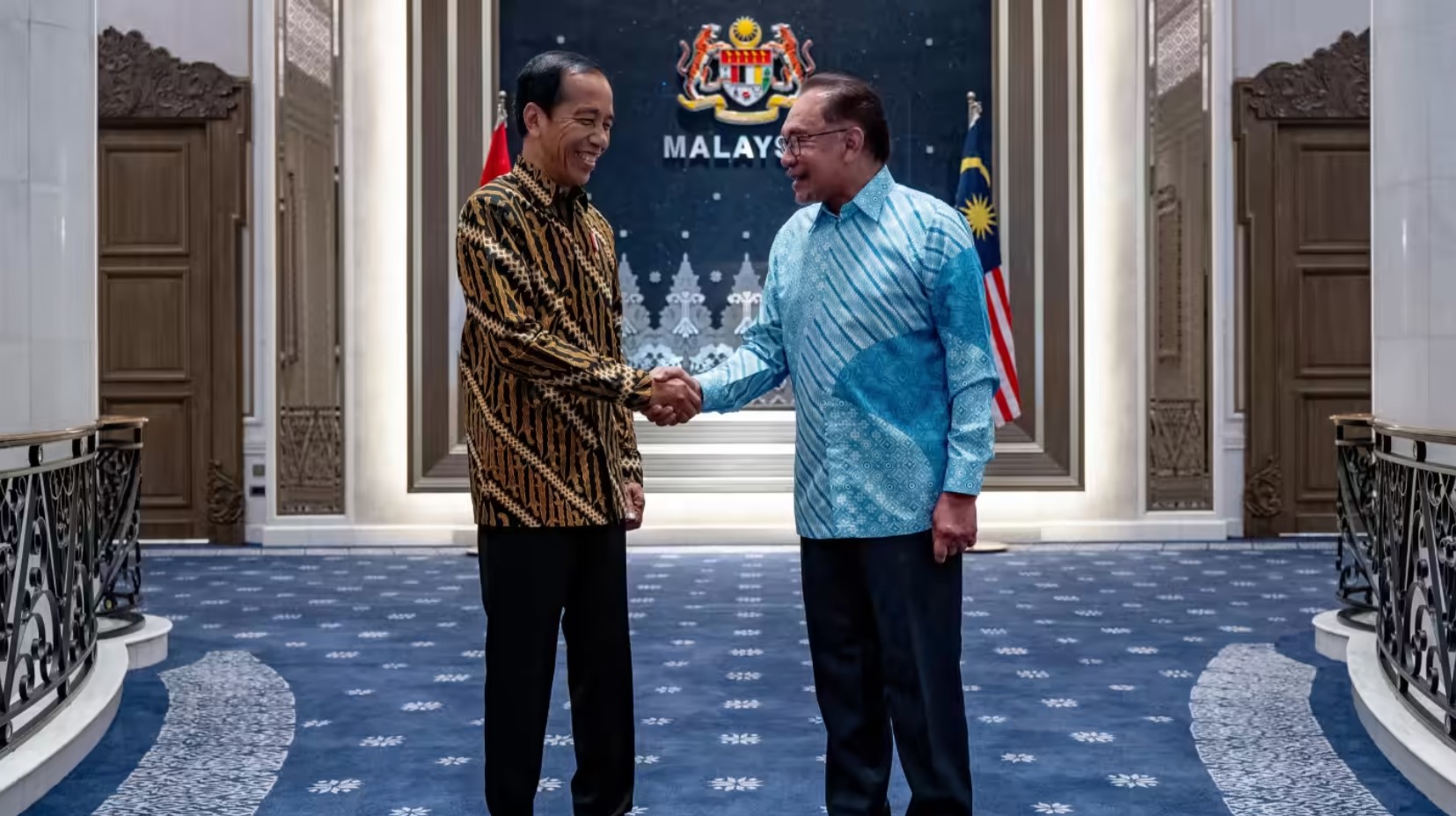
Indonesian President Joko Widodo met with Malaysian Prime Minister Anwar Ibrahim in Putrajaya, Malaysia on June 8th. This was Widodo's first official visit to Malaysia in four years. Photo: Nikkei Asia
Malaysia and Indonesia account for approximately 85% of the world's total palm oil exports. This oil is commonly used in the production of a wide range of products, from baked goods to cosmetics.
However, environmentalists argue that palm oil is the cause of deforestation in these two countries, destroying the habitats of rare animal species.
Malaysia has described the new law as “unfair” and an attempt to protect the EU’s domestic oilseed market, which cannot compete with palm oil. The country also argues that it will have an adverse impact on small-scale farmers who cannot afford the costs of complying with the law.
EU policymakers have rejected these claims, saying that the rules apply to all goods produced anywhere in the world, and the EU market remains open to sustainably produced palm oil.
In May, Malaysia and Indonesia sent a joint delegation to Brussels to meet with senior EU government officials to express their concerns about the EUDR.
Both countries have also suspended trade talks with the EU while awaiting negotiations aimed at fairer treatment for small palm oil producers affected by the EUDR, according to the Financial Times.
The EUDR is just the latest issue affecting relations between the EU and the world's two leading palm oil producers.
In 2019, Indonesia filed a complaint with the World Trade Organization (WTO), condemning the EU for unfair trade practices in its decision to ban the use of biodiesel made from palm oil. Malaysia also filed a complaint against the EU with the WTO in 2021 .
Nguyen Tuyet (Based on SCMP, The Jakarta Post, Nikkei)
Source




![[Photo] Two flights successfully landed and took off at Long Thanh Airport.](/_next/image?url=https%3A%2F%2Fvphoto.vietnam.vn%2Fthumb%2F1200x675%2Fvietnam%2Fresource%2FIMAGE%2F2025%2F12%2F15%2F1765808718882_ndo_br_img-8897-resize-5807-jpg.webp&w=3840&q=75)

















































































Comment (0)