

To minimize the risk of stroke when showering in the morning, especially for the elderly, the following points should be noted:
Avoid sudden exposure to cold water.
Suddenly dousing yourself with cold water in the morning, when the temperature is low, can trigger a cold shock reaction, causing a rapid increase in heart rate and blood pressure. These reactions can increase the risk of ischemic stroke, according to the UK health website Medical News Today .

People should avoid showering with water that is too cold or too hot in the morning.
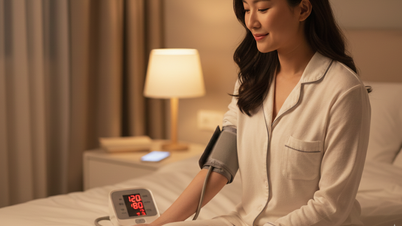
PHOTO: AI
Specifically, when the skin is suddenly exposed to cold water, peripheral blood vessels constrict, systolic blood pressure increases, and pressure on the walls of the cerebral and cardiac blood vessels increases. In people with hardened or narrowed blood vessels, this can rupture small capillaries or weak points in the already thin vessel walls. Another risk is the rupturing or detachment of atherosclerotic plaques, making platelets more likely to clump together. All these factors create conditions for blood clot formation.
For people with high blood pressure, coronary artery disease, or heart rhythm disorders, it is advisable to start bathing with warm water and gradually lower the temperature, avoiding a sudden shift to cold water.
Avoid showering immediately after strenuous exercise.
Taking a shower immediately after strenuous exercise or when body temperature is high, such as after jogging or being in the sun, can increase pressure on the blood vessels in the brain. This is because strenuous exercise increases heart rate and blood pressure. If you shower with hot or cold water right then, the blood vessels will constrict or dilate too quickly, causing a sudden change in blood flow to the brain.
If there is already damage to the blood vessels in the brain or heart, the risk of stroke or brain hemorrhage increases. Therefore, after strenuous exercise, rest for about 10-15 minutes to allow your heart rate and blood pressure to stabilize before showering.
Avoid taking a very hot shower right after waking up.
In the morning, blood pressure can rise slightly as the sympathetic nervous system becomes more active after waking up. Taking a hot shower at this time will cause the water temperature to dilate blood vessels. Blood will flow more to the skin. If the brain or heart cannot compensate quickly enough, it can lead to reduced cerebral blood flow or sudden changes in cerebral vascular pressure. This increases the risk of stroke, especially hemorrhagic stroke.
Therefore, before showering in the morning, people should sit for a few minutes after waking up, drink a glass of water, and then go into the bathroom; they should start showering with warm water, according to Medical News Today .
Source: https://thanhnien.vn/3-dieu-nen-tranh-khi-tam-sang-de-ngan-nguy-co-dot-quy-185251028193855416.htm






















































































Comment (0)