

 |
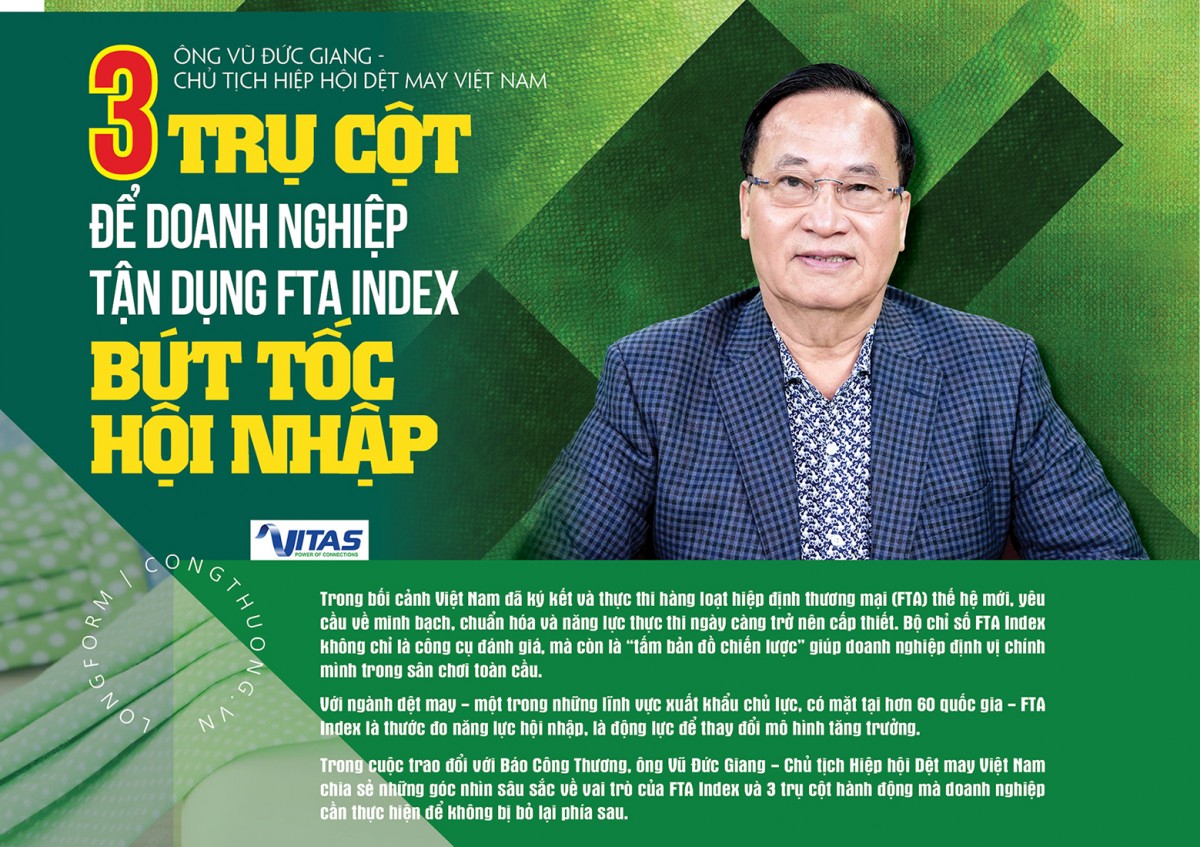
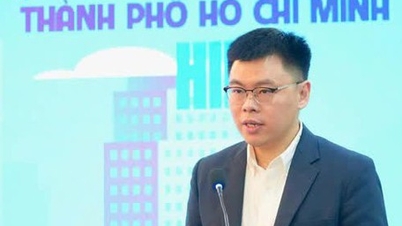
- How do you view the introduction of the FTA Index in the context of Vietnam having signed and implemented many new-generation FTAs, especially for an industry with high export turnover like textiles and garments? Mr. Vu Duc Giang: I believe the FTA Index is a groundbreaking and strategic set of indicators. Firstly, if we continue as before without developing indicators like the FTA Index, or if importing countries impose mandatory requirements for this index that we do not have or cannot meet, then Vietnamese businesses will essentially be left out of the global game. This is the first point I want to emphasize. Secondly, these very indicators have been driving the need for Vietnamese businesses to adapt. Only by adapting can we have a level playing field, stability, and a strong position in the global market. Thirdly, this stems from the solutions that have been and are being implemented. Currently, we have signed 17 FTAs, and we may sign several more in the future, potentially reaching 22 FTAs. In all these FTAs, importing countries impose specific index requirements on manufacturers, which exporting countries must meet to enter their global market. Each importing country will have a different set of standards. |
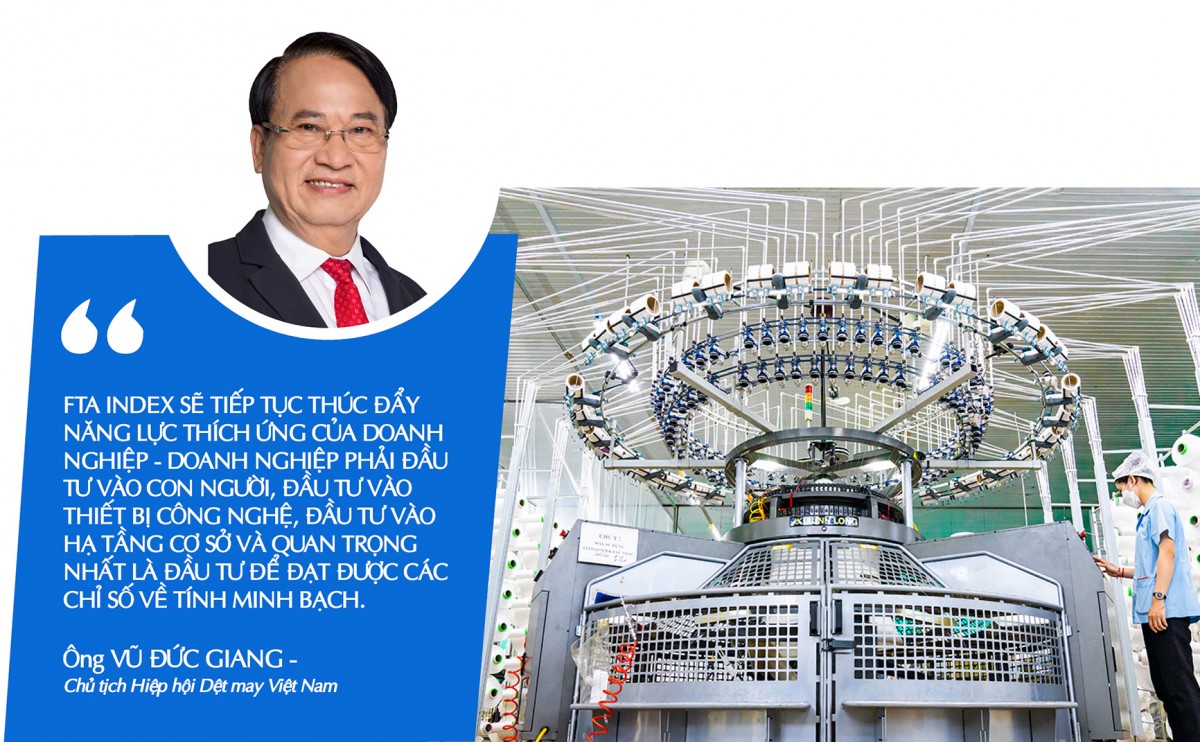
Therefore, the FTA Index will continue to promote the adaptability of businesses – businesses must invest in people, invest in technology and equipment, invest in infrastructure, and most importantly, invest in achieving transparency indicators. Transparency will create the real impetus for us to access the global market in general, and the EU market in particular – a market with high demands and stringent standards. That is the goal that I believe the Vietnamese textile and garment industry in particular, and the industrial manufacturing sectors in general, of our country must adhere to. We must create a system of solutions that fosters adaptability. Only with adaptability can businesses develop stable markets and achieve long-term sustainable growth. |
- For an industry like textiles and garments that spans many localities, how does the FTA Index support businesses in choosing investment locations and expanding production to take advantage of integration? Mr. Vu Duc Giang: I believe this index has three factors that impact the business community. Firstly, it promotes fairness and, in particular, comprehensive dissemination among businesses and different localities. Because this index is not exclusive to any one business or region, but requires all regions to comply with it in order to achieve stable global market development. Secondly, it creates a solution for training resources so that we can comply with and operate according to this indicator. If we lack resources, communication, training, and guidance for our people, our organizations, and business managers to understand this indicator, then we will be left out of the global game. Thus, people are a key factor. Thirdly, for the small and medium-sized enterprise (SME) community, the lesson here is that we must adapt and adjust these indicators. Therefore, these indicators are not just for large businesses; SMEs must also be relevant to them. |
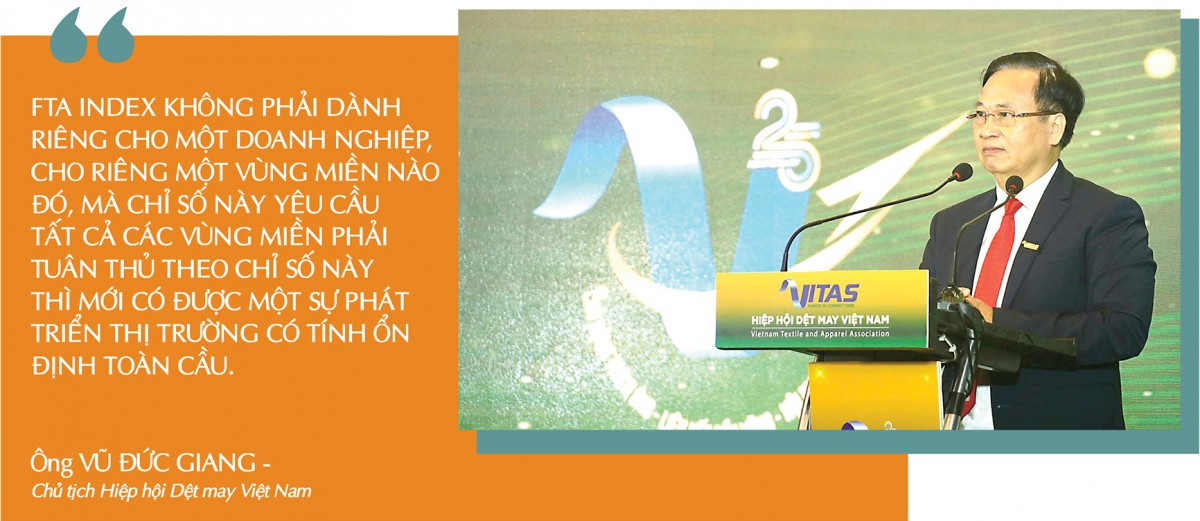
Therefore, we must create a supply chain link, through which large businesses will share resources with small businesses, and these large businesses will also create resources and conditions to help small and medium-sized enterprises (SMEs) adapt - especially those in remote areas. Because if a sector or industry focuses only on a few large, medium, or small businesses without the participation of even smaller businesses, then that sector cannot be considered complete or comprehensive as an industry. The emergence of an indicator has created momentum, and that momentum has spread comprehensively throughout society. Here, it's not just the awareness of one business, but the awareness of the entire society. Because each link in the chain contributes to building a different product line, a different raw material production chain, and a different supply chain. The Vietnamese textile and garment industry cannot do everything on its own; it is linked to many other industries: raw material production, packaging production, accessory production, electricity production, and water production… All these industries must have interconnected links. Therefore, we must communicate and disseminate the most comprehensive awareness among society, businesses, citizens, the administrative apparatus, local authorities, and state management agencies, ensuring a synchronized approach. Only in this way can a developing country like Vietnam achieve a global standing within the framework of global integration. Only then can we succeed in all fields. |
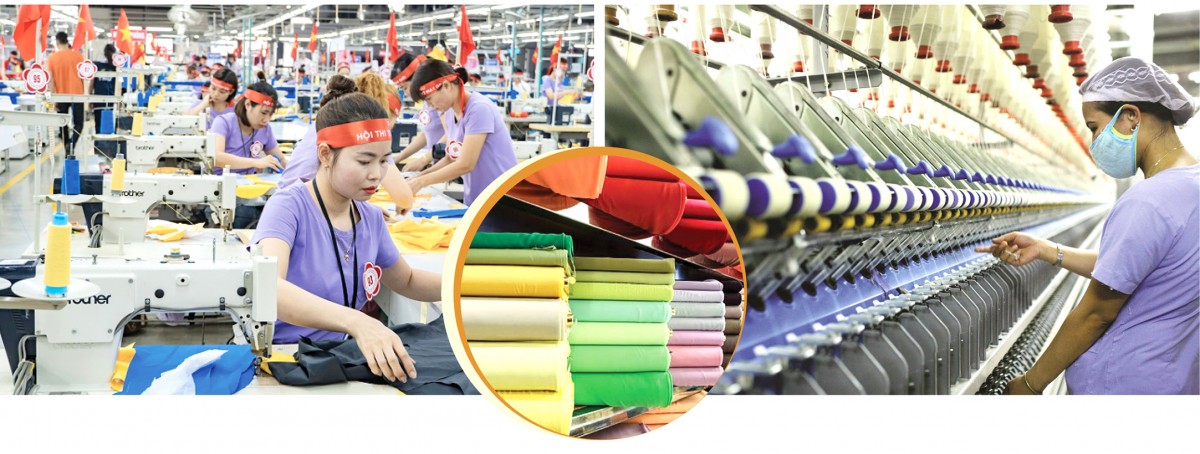

- What message would you like to send to textile and garment businesses regarding proactively accessing and utilizing the FTA Index as an indispensable strategic tool? Mr. Vu Duc Giang: The FTA Index is a tool. I must clarify that this is a strategic tool, and this tool promotes a long-term vision for businesses. For businesses, there are three things – or in other words, three pillars – that need to be implemented in order to effectively access and operate this metric. The first pillar is to clearly understand what the FTA Index is. To understand this, government agencies and media outlets must regularly communicate. A comprehensive information channel must be created so that society, businesses, workers, and the general public can all understand it. I believe that for a business to develop a product for export to a particular market, it must thoroughly understand the standard indicators of that market, and the FTA Index is one of them. Secondly , and I consider this pillar to be extremely important, any indicator needs an infrastructure to operate. We must invest in network infrastructure; if we don't invest and just listen without doing anything, nothing will be solved. The solution here is to approach the network system and build a comprehensive management system. Business leaders should proactively propose solutions tailored to their own businesses, identifying bottlenecks, figuring out how to resolve them, and understanding and correctly applying this indicator. Thirdly, and this is something I particularly want to emphasize, we must build a chain of actions that promote social participation. State agencies cannot continue to micromanage businesses indefinitely. Businesses must stand on their own two feet. There is no other way – business leaders must understand the importance of this indicator, and then develop solutions tailored to the specific field and industry in which their business operates. |

We have many indicators, but we need to identify which ones are key. And for me, the FTA Index is the one we should focus our investment on. Where should we invest? We should invest in people, infrastructure, and technology. We must invest in information technology solutions, AI technology, and digital governance technology. The FTA Index must become something like "daily food." We must understand its nature, consider it a part of our daily routine, like an indispensable meal. Only then can we achieve stable and sustainable development. But if you simply think that having a certification for an indicator is enough to feel secure, then that's not the case. You shouldn't think that way. We must communicate continuously, remind people constantly, and operate it daily. Only then can we achieve stability in the strategic vision of the national economy . In the context of expanding political and global integration, I believe this is a crucial factor that needs to be fully understood. Here, I emphasize that businesses must be fully aware of this, especially the role of the business leader. Thank you, sir! |
Performed by: Nguyen Thao - Thanh Thao Graphics: Ngoc Lan |
Source: https://congthuong.vn/3-tru-cot-de-doanh-nghiep-tan-dung-fta-index-but-toc-381079.html

![[Photo] Prime Minister Pham Minh Chinh presides over the conference announcing the establishment of the International Finance Centre in Vietnam.](/_next/image?url=https%3A%2F%2Fvphoto.vietnam.vn%2Fthumb%2F1200x675%2Fvietnam%2Fresource%2FIMAGE%2F2025%2F12%2F21%2F1766309817714_ndo_br_dsc-3400-jpg.webp&w=3840&q=75)
![[Photo] Prime Minister Pham Minh Chinh presides over a meeting on private sector economic development.](/_next/image?url=https%3A%2F%2Fvphoto.vietnam.vn%2Fthumb%2F1200x675%2Fvietnam%2Fresource%2FIMAGE%2F2025%2F12%2F20%2F1766237501876_thiet-ke-chua-co-ten-40-png.webp&w=3840&q=75)





























































Comment (0)