

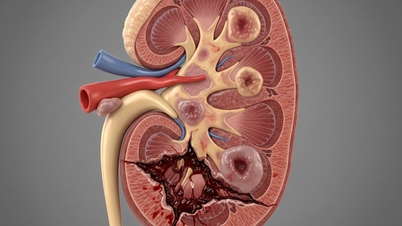
The kidneys are vital organs responsible for filtering waste, balancing minerals, regulating blood pressure, and maintaining fluid levels in the body. However, many people don't realize that common everyday drinks, from soda to green smoothies, can put long-term stress on the kidneys.
- 1. Soft drinks damage the kidneys
- 2. Energy drinks and coffee abuse
- 3. Sports drinks
- 4. Green smoothie
These effects may be subtle at first, but cumulatively over time can increase the risk of kidney stones, impaired glomerular function, and metabolic problems.
Recognizing these risks helps you adjust your drinking habits, reduce the burden on your kidneys and protect your long-term health.
1. Soft drinks damage the kidneys
According to information posted on Toi, dark colas contain phosphoric acid, a compound that can upset the balance of calcium and phosphate in the body, thereby increasing the risk of kidney stones. When phosphate levels in the blood increase, the kidneys have to work harder to maintain chemical balance, especially if the body is dehydrated. In addition, the high sugar content in soft drinks also puts pressure on the kidneys, while increasing the risk of weight gain, insulin resistance and high blood pressure - all important risk factors for chronic kidney disease.
Scientific studies have confirmed this link. A study published in the journal Epidemiology found that high consumption of soft drinks is associated with an increased risk of kidney stones, due to phosphoric acid changing the chemical composition of urine. So limiting or avoiding dark-colored soft drinks is one of the important ways to protect long-term kidney health.
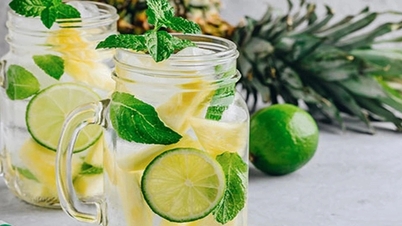
Alternatives: Sparkling water with lemon or lime is a healthy choice that provides a refreshing taste without causing mineral imbalances or stress on the kidneys.
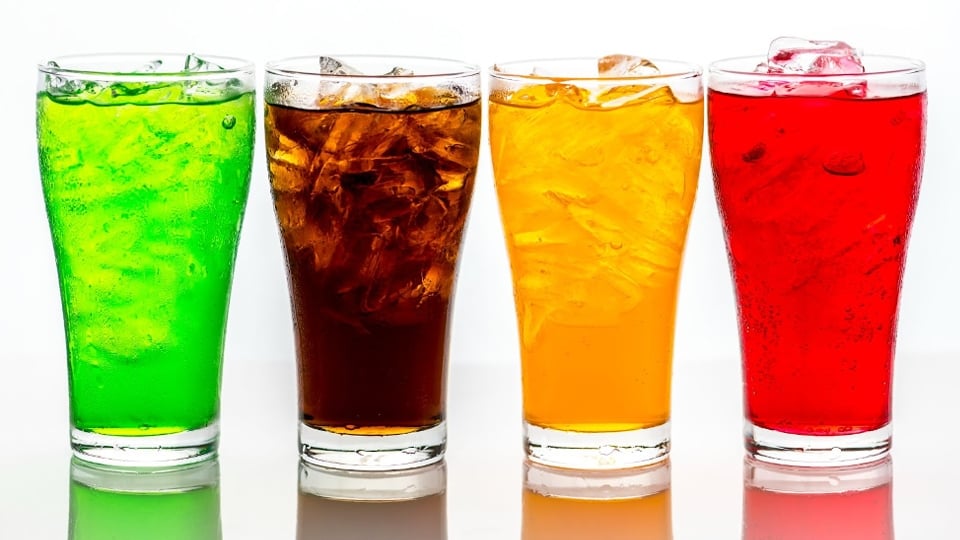
High sugar content in soft drinks can put pressure on the kidneys, increasing the risk of weight gain, insulin resistance and high blood pressure - risks of chronic kidney disease.
2. Energy drinks and coffee abuse
Energy drinks contain caffeine, sugar, and other stimulants, which can increase the burden on the kidneys if consumed in excess. High doses of caffeine increase urine output, which can lead to dehydration if fluid intake is inadequate. Dehydration thickens the blood, increasing the concentration of waste products that the kidneys must filter. At the same time, the high sugar content in energy drinks also increases metabolic demands and can impact blood pressure, making the kidneys work harder.
While moderate coffee consumption has not been shown to harm the kidneys, research in BMC Nephrology suggests that problems can arise when caffeine is consumed in excess or combined with sugar and synthetic stimulants. In these cases, blood pressure spikes, dehydration becomes severe, and the kidneys have to work harder to stabilize electrolytes. Moderate coffee consumption, without added sugar or stimulants, may help protect the kidneys while still providing energy.
Excessive caffeine consumption, chronic dehydration, and long-term use of hidden sugars and artificial additives can affect renal circulation, glomerular filtration, and renal function. Excess caffeine, stimulants, and high sugar intake can disrupt electrolyte balance, increase creatinine levels, and put a constant strain on the kidney’s filtering system. When combined with chronic dehydration, the risk of hypertension, kidney stones, and decreased glomerular function increases over time.
Alternatives: Consuming good quality coffee, 2-3 cups/day, without added sugar is reasonable. Green tea or outdoor exercise in the sun also provides natural and sustainable energy.
3. Sports drinks
Sports drinks are designed to replenish fluids and electrolytes for people participating in high-intensity physical activity. However, many people consume them in their daily activities without realizing the impact on the kidneys. These drinks often contain high levels of sugar, artificial sweeteners, and food coloring, forcing the kidneys to filter out many solutes, creating osmotic pressure and increasing the kidney's workload. When consumed without excessive sweating, the body does not need the excess solutes, which can affect fluid balance, blood pressure, and metabolism.
Alternatives: Plain water, fresh coconut water or natural mineral water are safe rehydration options, especially when not engaging in high-intensity exercise.
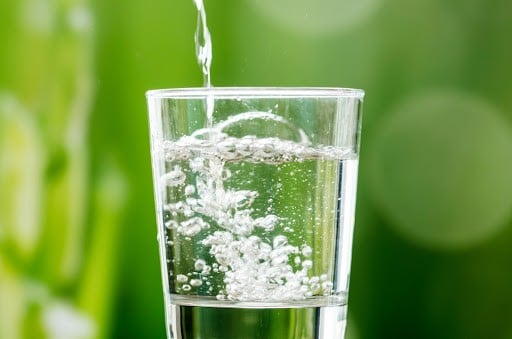
Filtered water or natural mineral water are safe rehydration options while exercising.
4. Green smoothie
Smoothies are often considered healthy, but their nutrient density and oxalate content may be higher than expected. Leafy greens like spinach and kale, along with some nuts and fruits, contain oxalates – compounds that can increase the risk of calcium oxalate stones when consumed in excess. When these ingredients are blended into concentrated smoothies, the amount of oxalate absorbed by the body increases dramatically, increasing the risk of kidney stones.
Studies, including one published in Frontiers in Bioscience , indicate that dietary oxalate plays an important role in urinary oxalate concentrations. High oxalate intake increases urinary calcium oxalate supersaturation, increasing the likelihood of stone formation in susceptible individuals.
Alternatives: Drink smoothies with moderate amounts of vegetables, incorporate a variety of low-oxalate foods, and limit added sugars to help reduce kidney stress.
Kidney problems often develop silently, influenced by daily drinking habits that many people do not realize. Choosing healthy drinks, controlling sugar, caffeine and oxalate will help reduce pressure on the kidneys, support the filtration process, balance minerals and maintain overall health.
Note: This article is for informational purposes only and is not a substitute for medical advice. Readers should consult a healthcare professional before making any changes to their diet or lifestyle.
Please watch more videos:
Source: https://suckhoedoisong.vn/4-loai-do-uong-am-tham-gay-hai-than-va-lua-chon-thay-the-an-toan-169251201163227588.htm

![[Photo] Worshiping the Tuyet Son statue - a nearly 400-year-old treasure at Keo Pagoda](/_next/image?url=https%3A%2F%2Fvphoto.vietnam.vn%2Fthumb%2F1200x675%2Fvietnam%2Fresource%2FIMAGE%2F2025%2F12%2F02%2F1764679323086_ndo_br_tempimageomw0hi-4884-jpg.webp&w=3840&q=75)


![[Photo] Parade to celebrate the 50th anniversary of Laos' National Day](/_next/image?url=https%3A%2F%2Fvphoto.vietnam.vn%2Fthumb%2F1200x675%2Fvietnam%2Fresource%2FIMAGE%2F2025%2F12%2F02%2F1764691918289_ndo_br_0-jpg.webp&w=3840&q=75)
















































































Comment (0)