

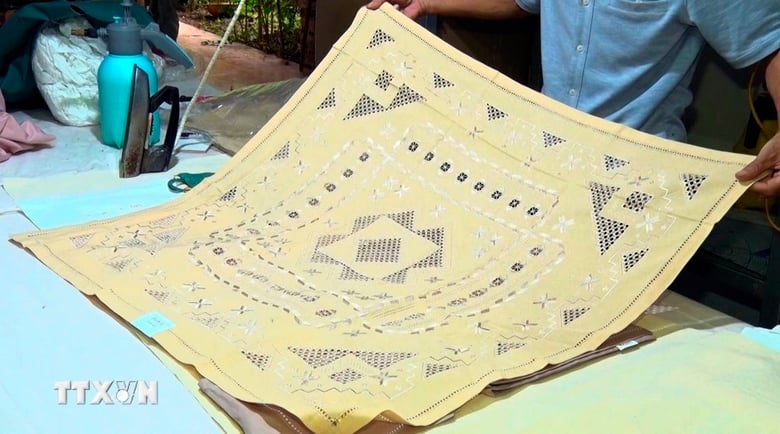
The government has recently issued Decree No. 39/2024/ND-CP stipulating measures for managing, protecting, and promoting the value of Intangible Cultural Heritage in UNESCO Lists and the National List of Intangible Cultural Heritage.
According to the Decree, the principles in managing, protecting, and promoting the value of Intangible Cultural Heritage are to ensure that Intangible Cultural Heritage is practiced in a way that guides people and communities towards positive cultural values; preserves identity; aims for comprehensive social development; ensures community and social safety; protects the environment; and ensures respect for cultural diversity, the role of the community as the subject, and the unique characteristics of ethnic groups and regions.
The intangible cultural heritage of different communities is treated with equal respect.
The Decree prioritizes the protection of intangible cultural heritage at risk of being lost or forgotten, heritage of ethnic communities living in mountainous areas, remote areas, border regions, islands, disadvantaged ethnic groups, and heritage of value to the entire community and society; it prioritizes the decision-making rights of the community for the long-term and continuous existence and practice of the heritage, in accordance with the meaning and function of the heritage, and in compliance with Vietnamese law on cultural heritage and international instruments to which Vietnam is a signatory.
Inventory of 7 types of Intangible Cultural Heritage
The decree states that the inventory of Intangible Cultural Heritage will be carried out for the following seven types of heritage:
Written language encompasses the cultural expressions of a community, conveyed through language and characters to transmit information, knowledge, memories, and the cultural and social values of that community.
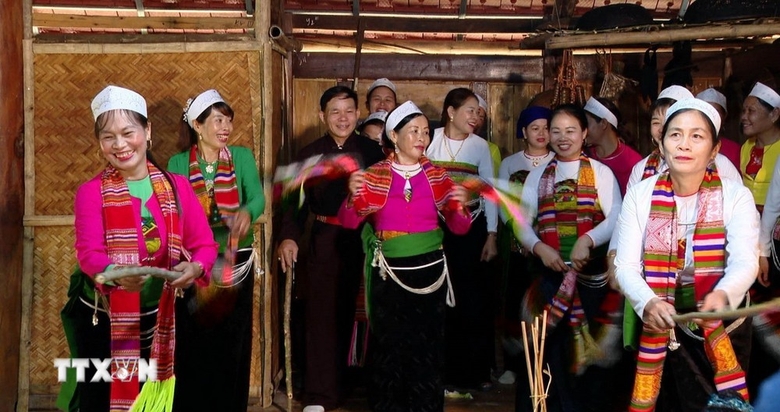
Folklore encompasses the cultural expressions of a community, manifested through works created and practiced by the community, including stories, legends, anecdotes, epics, fables, jokes, humorous stories, folk songs, proverbs, folk songs, rhymes, riddles, and other similar cultural expressions passed down orally through generations. These reflect the culture, customs, beliefs, and perceptions of the community, directly serving various aspects of community life.
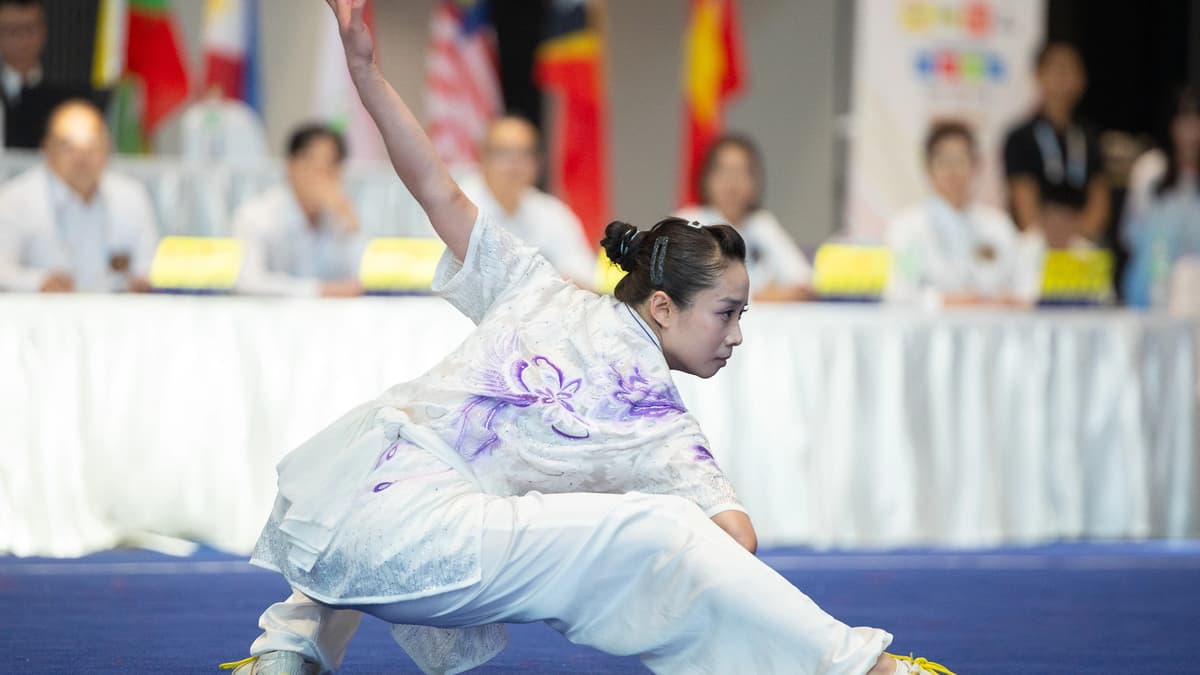
Folk performing arts encompass the cultural expressions of a community, manifested through performance forms created and practiced by the community, including music , singing, dancing, plays, and other performance forms, stemming from the cultural, spiritual, and productive life of the community and directly serving the community's needs for cultural expression and enjoyment.
Social customs and beliefs encompass the cultural expressions of a community, practiced by the community through regular ritualistic activities, ways of expressing individual or community beliefs or desires associated with significant events, perceptions of the world, history, and memory;
Traditional crafts encompass cultural expressions manifested through the practices and creations of artisans and communities in the form of handcrafted items with techniques, forms, decorations, art, and materials that have indigenous elements, and are passed down from generation to generation to create unique products that reflect the cultural identity of the community.
Traditional festivals comprise a collection of ritualistic cultural expressions created and practiced by the community; they are performed cyclically by the community in relevant cultural spaces to fulfill the following functions: understanding nature and society, character education, behavioral regulation, communication between humans and nature and with other humans, community entertainment, and ensuring the continuity of history.
Folklore encompasses the cultural expressions of a community, formed from the historical interaction between the community and its natural and social environment. This interaction allows for adaptation, survival, and expression through experiences, knowledge, and skills that enable flexible and harmonious behavior with nature and society.
The inventory period ranges from 3 to 6 years.
The inventory of Intangible Cultural Heritage on the Representative List is conducted as follows: every six years or as otherwise stipulated by UNESCO;
For Intangible Cultural Heritage on the List in Need of Urgent Safeguarding: every four years or as otherwise stipulated by UNESCO;
For Intangible Cultural Heritage items in the National List: every 3 years from the date of inscription.
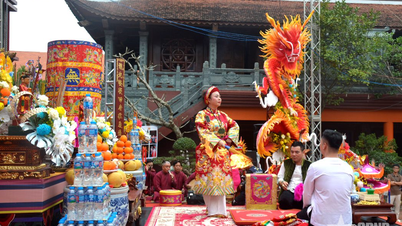
Organizing festivals to showcase intangible cultural heritage.
The Intangible Cultural Heritage Festival is a heritage protection activity committed to in the dossier submitted to UNESCO, including organizing practices and performances by the participating communities; displaying, exhibiting, introducing, disseminating, raising awareness and capacity of the community, educating, and promoting Intangible Cultural Heritage.
Authority to organize the Festival: The Minister of Culture, Sports and Tourism decides on the organization of festivals on a scale involving two or more provincial-level administrative units, national and international events in Vietnam.
The Chairperson of the People's Committee of the province or centrally-governed city decides on the organization of the Festival within their jurisdiction.
The festival is organized on the following scale and schedule: The Festival of All Types of Intangible Cultural Heritage is organized by the cultural heritage management agency under the Ministry of Culture, Sports and Tourism at the national and international levels in Vietnam on a quarterly basis.
National-scale festivals for each type of Intangible Cultural Heritage are organized annually by the cultural heritage management agencies under the Ministry of Culture, Sports and Tourism.
The Intangible Cultural Heritage Festival, which encompasses two or more provinces or cities, is proposed by the Chairman of the People's Committee of the province or centrally-governed city where the heritage is located to the Ministry of Culture, Sports and Tourism for consideration and decision, upon the consensus of the remaining provinces or centrally-governed cities, to be organized on a biennial rotating basis.
Source

![[Photo] Two flights successfully landed and took off at Long Thanh Airport.](/_next/image?url=https%3A%2F%2Fvphoto.vietnam.vn%2Fthumb%2F1200x675%2Fvietnam%2Fresource%2FIMAGE%2F2025%2F12%2F15%2F1765808718882_ndo_br_img-8897-resize-5807-jpg.webp&w=3840&q=75)





















































Comment (0)