

I am 53 years old and have underlying conditions of asthma and high blood pressure. I also frequently catch the flu when the weather changes. Should I get the flu vaccine and any other vaccines to strengthen my respiratory system? (The Nhat, Ha Giang )
Reply:
Most respiratory illnesses, such as Covid-19, seasonal flu, and whooping cough, are highly contagious through droplets released when an infected person talks, coughs, or sneezes. Additionally, healthy individuals can become infected through contact with contaminated items used by infected people, such as clothing and everyday belongings.
When infected with Covid-19 and other respiratory viruses and bacteria such as influenza and pneumococcus, the lungs are often the first organ to be attacked and severely damaged. If co-infected with Covid-19 and the aforementioned respiratory diseases, high-risk individuals such as the elderly and those with underlying medical conditions are more likely to be hospitalized, require respiratory support (oxygen, ventilator), and have a 2.4-fold increased risk of death.
In your case, having asthma along with the flu, the inflamed respiratory tract will produce more mucus, obstructing airflow into the lungs, triggering bronchospasm, and constricting the airways, leading to shortness of breath. If you are regularly treating your asthma with medication and controlling your asthma well, the risk of complications from the flu will be lower. However, the flu can also trigger an asthma attack, potentially worsening your asthma, causing secondary infections leading to pneumonia and respiratory failure.
Getting fully vaccinated helps asthma sufferers prevent influenza, avoiding asthma attacks that can cause shortness of breath and be dangerous if not treated promptly. It also eliminates confusion regarding symptoms similar to Covid-19, protects the lungs, and prevents respiratory failure.
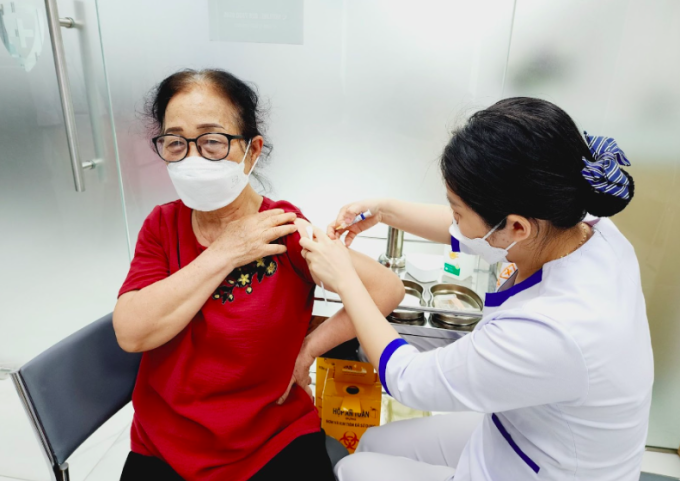
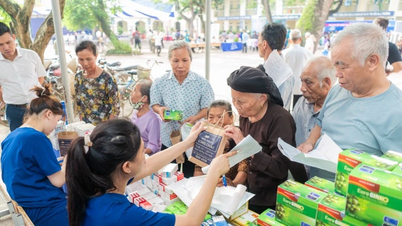
Elderly people receive pneumococcal vaccine at VNVC. Photo: Moc Thao
Influenza vaccines help reduce the risk of influenza infection by 70-90% in adults, reduce the risk of hospital-acquired death by up to 80% and the risk of intensive care unit (ICU) care by 40% in people over 65; reduce the risk of death by 20% in patients with heart failure; reduce the risk of hospitalization due to influenza by up to 80% in people with type 2 diabetes and 40% in people with chronic obstructive pulmonary disease (COPD); and reduce the rate of premature birth in pregnant women with influenza by 27%.
Compared to before vaccination, asthma patients have also been shown to experience up to 40% lower risk of asthma exacerbations. In addition, in your case, you should receive all other important respiratory vaccines such as pneumococcal, pertussis-diphtheria-tetanus vaccines to protect your lungs. You should wear a mask regularly, avoid close contact with people suspected of having the disease, live in a well-ventilated environment, and maintain a healthy lifestyle such as avoiding tobacco and alcohol.
Currently, VNVC offers a full range of respiratory vaccines such as Vaxigrip Tetra (France), Influvac Tetra (Netherlands) for influenza prevention; Prevenar 13 (Belgium) for pneumonia and pneumococcal diseases in adults; Synflorix (Belgium) for pneumococcal diseases in children under 5 years old; and Boostrix (Belgium) for pertussis, diphtheria, and tetanus prevention...
Dr. Pham Hong Thuyet
Medical Management, VNVC Vaccination Center System
Source link
![[Image] Vietnam's colorful journey of innovation](/_next/image?url=https%3A%2F%2Fvphoto.vietnam.vn%2Fthumb%2F1200x675%2Fvietnam%2Fresource%2FIMAGE%2F2025%2F12%2F14%2F1765703036409_image-1.jpeg&w=3840&q=75)
































































![[Image] Vietnam's colorful journey of innovation](https://vphoto.vietnam.vn/thumb/402x226/vietnam/resource/IMAGE/2025/12/14/1765703036409_image-1.jpeg)


































Comment (0)