

On June 19th, the SGGP newspaper published an article titled "Selling medicine online - many negative consequences" by National Assembly representative Pham Khanh Phong Lan, disagreeing with the proposal to sell medicine via social media; suggesting that it should be reconsidered once the legal framework is fully developed and conducted within a safe environment. Following the publication of the article, many experts, doctors, and citizens shared similar views on this issue.
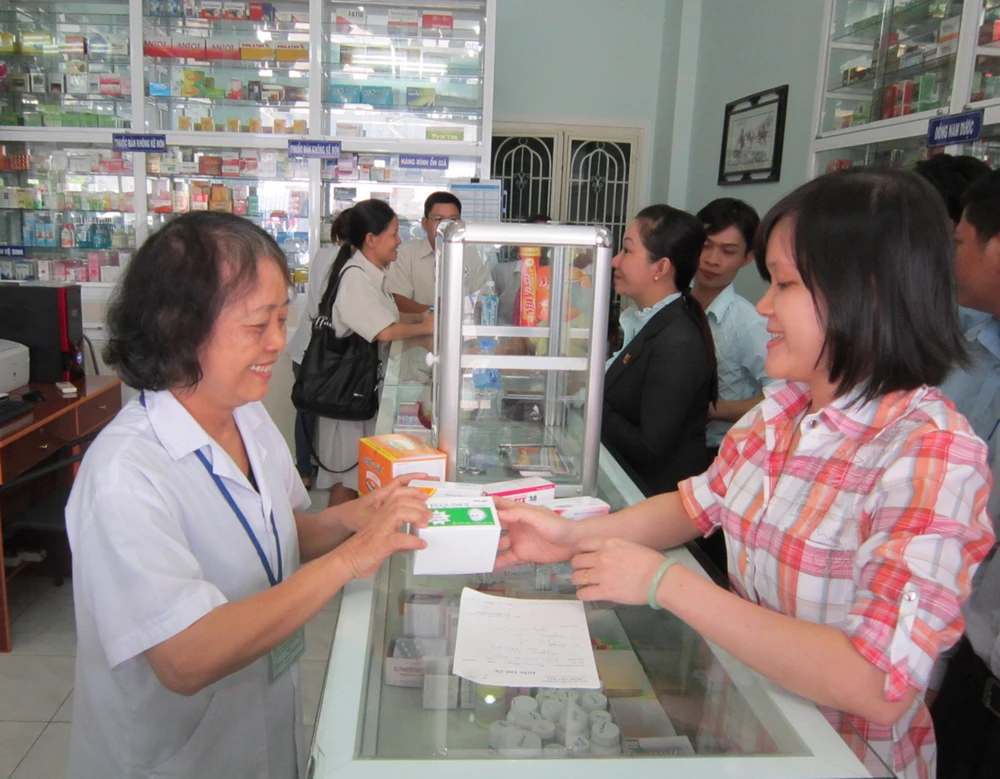
Mr. Nguyen Thanh Lam, Deputy Director of the Drug Administration Department ( Ministry of Health ):
Strict management and sanctions are needed.
Medicines are a special commodity that directly affects people's health and are therefore strictly regulated by the Ministry of Health. However, in recent times, the widespread livestreaming and advertising of medicines on social media has become very complex, posing a danger to consumers, despite this being a general trend as technology and e-commerce develop. Therefore, strict management and sanctions are needed for livestreaming, advertising, and selling medicines on social media. The draft Law amending and supplementing several articles of the Law on Pharmaceuticals will revise 44 out of 116 articles of the current Law on Pharmaceuticals. Among these, more specific and stringent regulations related to the business of medicines are essential to address issues arising in practice and, more importantly, to protect the health and lives of people, as well as the rights and economic interests of consumers.
Pharmacist NGUYEN XUAN LOC, Phat Loc Pharmaceutical Company:
It is difficult to implement without specific legal regulations.
The government and the Ministry of Health's amendment of the 2016 Pharmaceutical Law, which includes a proposal to prohibit individuals from trading and selling medicines via social media, is essential. This not only protects patients and consumers but also creates a healthier pharmaceutical market, fostering fair and equal competition. In reality, with the development of e-commerce and the habit of buying medicine online, many pharmaceutical companies have the capacity and technology to directly trade medicines through social media, but the lack of specific legal regulations makes implementation difficult. Meanwhile, many individuals and small businesses are willing to violate regulations solely for profit, regardless of the dangers to patients' health and lives from using unsafe medicines.
Member of Parliament NGUYEN LAN HIEU, Director of Hanoi Medical University Hospital:
Clearly define the responsibilities of the Ministry of Health.
I myself receive calls from people asking, "Did you advertise or use this medicine? People are using your image to sell it online so much." Therefore, in my opinion, the Ministry of Health's responsibilities in managing advertising for pharmaceutical products need to be clearly defined. The draft Law on Pharmaceuticals (amended) should clearly state that the Ministry of Health is responsible for detecting and handling counterfeit drug advertisements on social media, providing information to relevant authorities for investigation, and informing the public through the Ministry of Health's websites and apps to prevent people from using these drugs. This is a prominent issue, and we need to include it in the law to prevent the widespread sale of counterfeit drugs on social media.
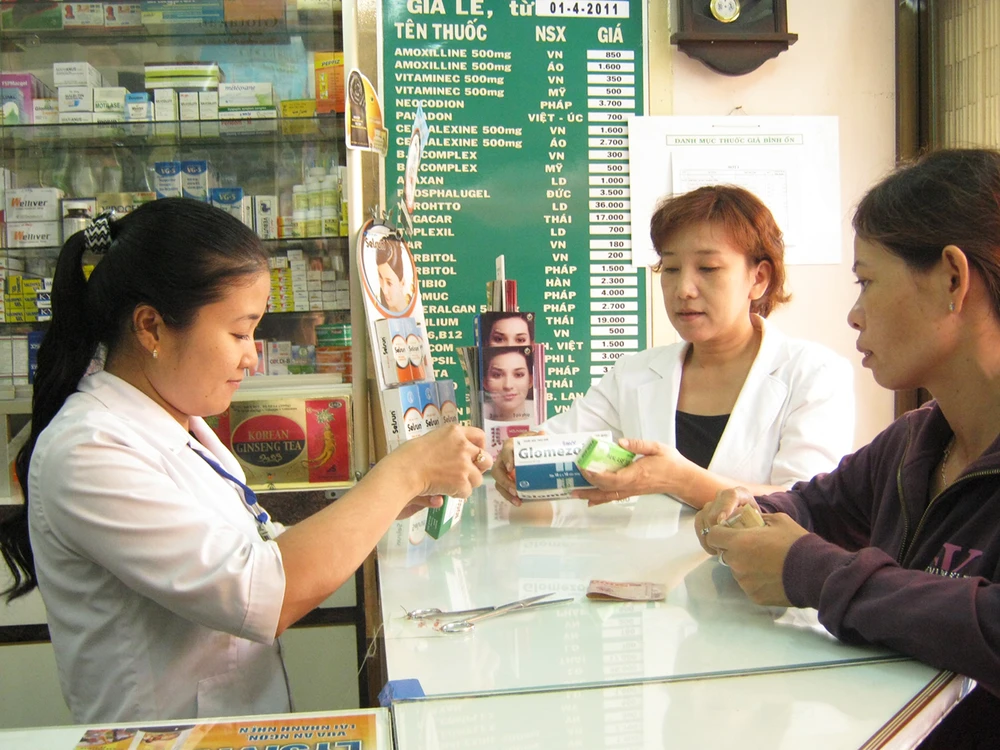
Mr. DO DINH TUNG, Deputy Director of Xanh Pon General Hospital, Hanoi:
Many risks are involved.
During patient examinations, we discovered many cases of patients using medication incorrectly, buying drugs on their own via social media, causing significant harm to their health. There have been cases of patients developing hypertension, diabetes, heart failure, and kidney failure simply from using drugs purchased through social media. Medicines are a special commodity, requiring very strict regulations regarding their production, distribution, and sale. Buying and selling drugs through social media carries many risks, lacking control over origin, dosage, efficacy, usage, and contraindications, thus directly affecting patients and causing complications with unpredictable consequences.
Mr. NGUYEN VAN NAM, residing in Thoi An Ward, District 12, Ho Chi Minh City:
Becoming a victim of counterfeit or substandard medicine.
Recently, I was scammed out of over 3 million VND when I bought medication for lipid metabolism disorders online. The product was attractively packaged and delivered to my home with instructions for use, promising that my blood lipid levels would return to safe levels after one week of use. After a month of using the medication, my blood lipid levels did not decrease, but instead I experienced symptoms such as dizziness, nausea, and fatigue. When I inquired, the seller said that my body had not yet adapted to the medication and that I needed to use the product for a longer period to see the full effect. After talking to the seller and realizing they didn't understand the medication well, I decided not to buy from them.
MINH NAM - MINH KHANG wrote
Source: https://www.sggp.org.vn/cam-ban-thuoc-qua-mang-vi-su-an-toan-cua-nguoi-dan-post745719.html

























































































Comment (0)