Police dogs in VIP rooms and the secret behind their cute appearance
Báo Dân trí•26/05/2024
(Dan Tri Newspaper) - Lieutenant Colonel Nguyen Van Dinh recounted that Lieutenant General Tran Hai Quan was the first Commander to personally visit and inspect the area where working dogs are raised and trained, even visiting twice without prior notice.
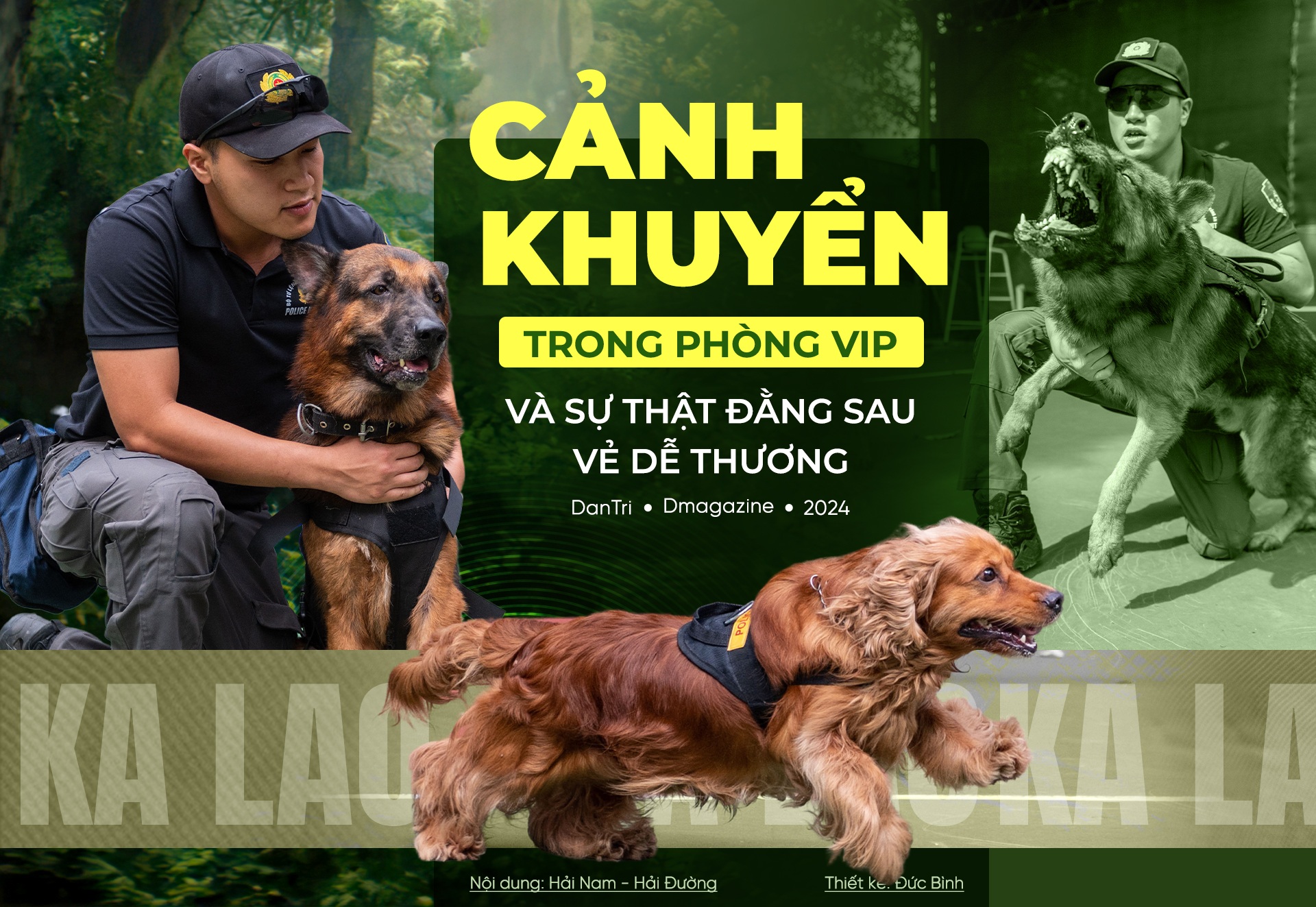
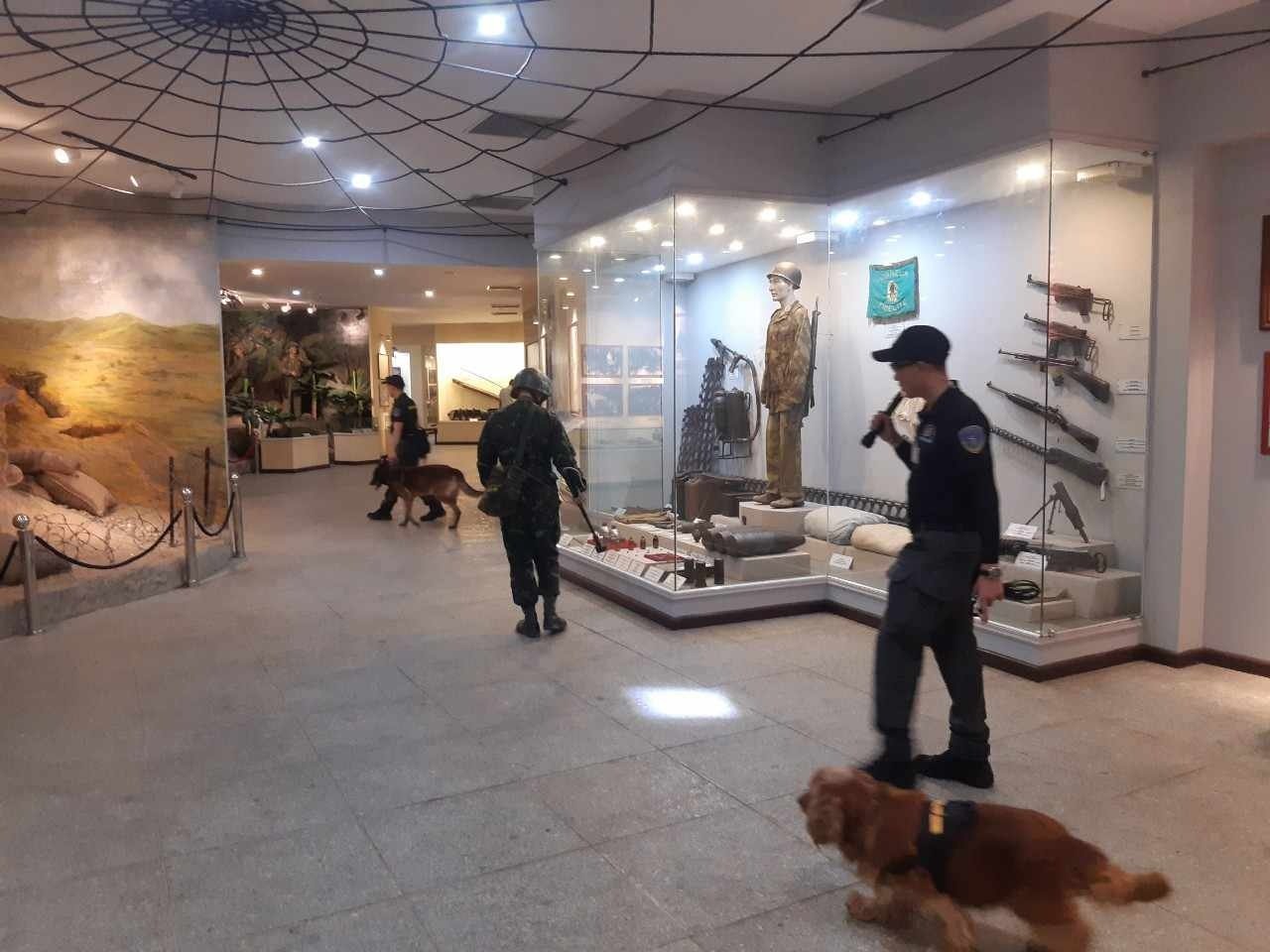
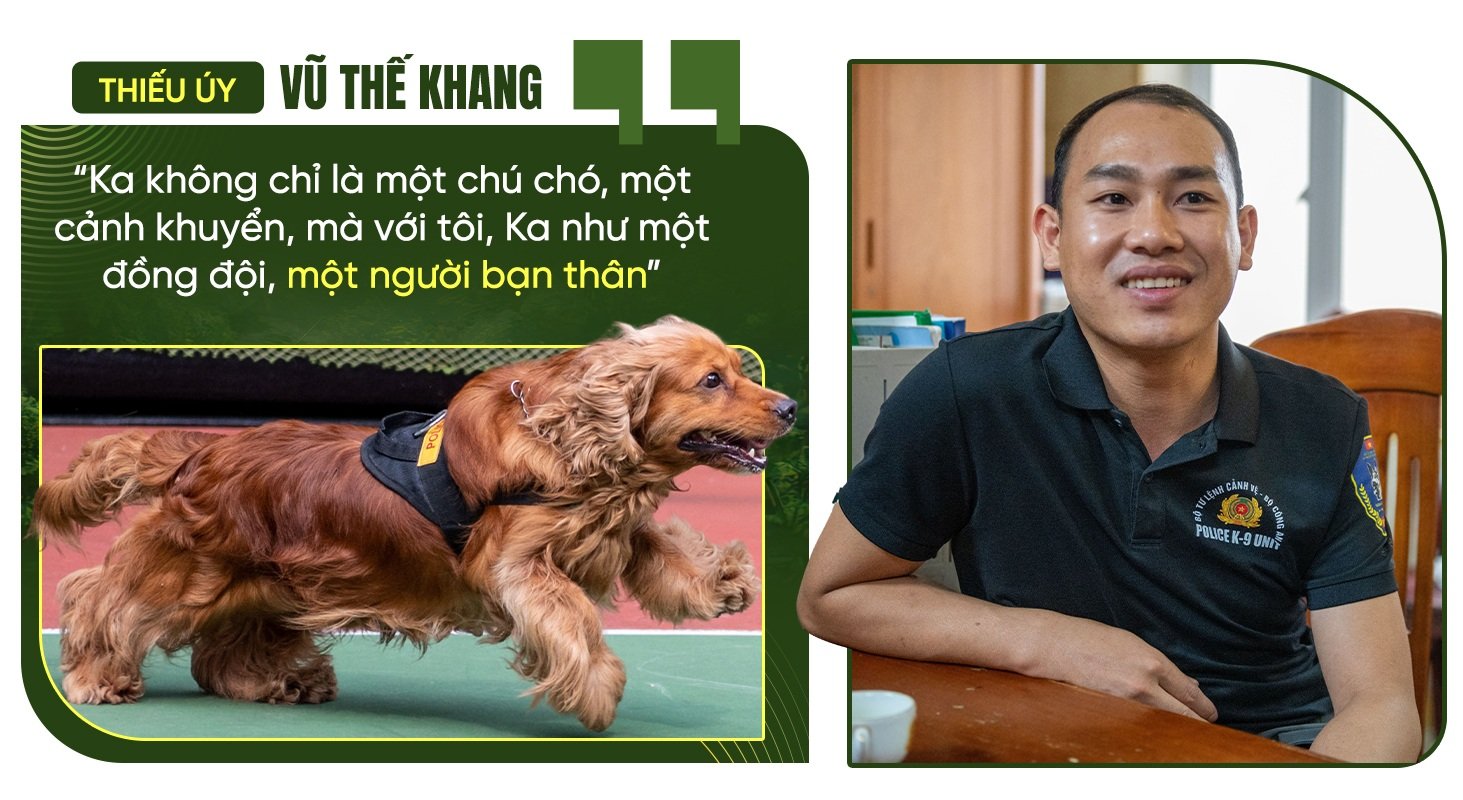
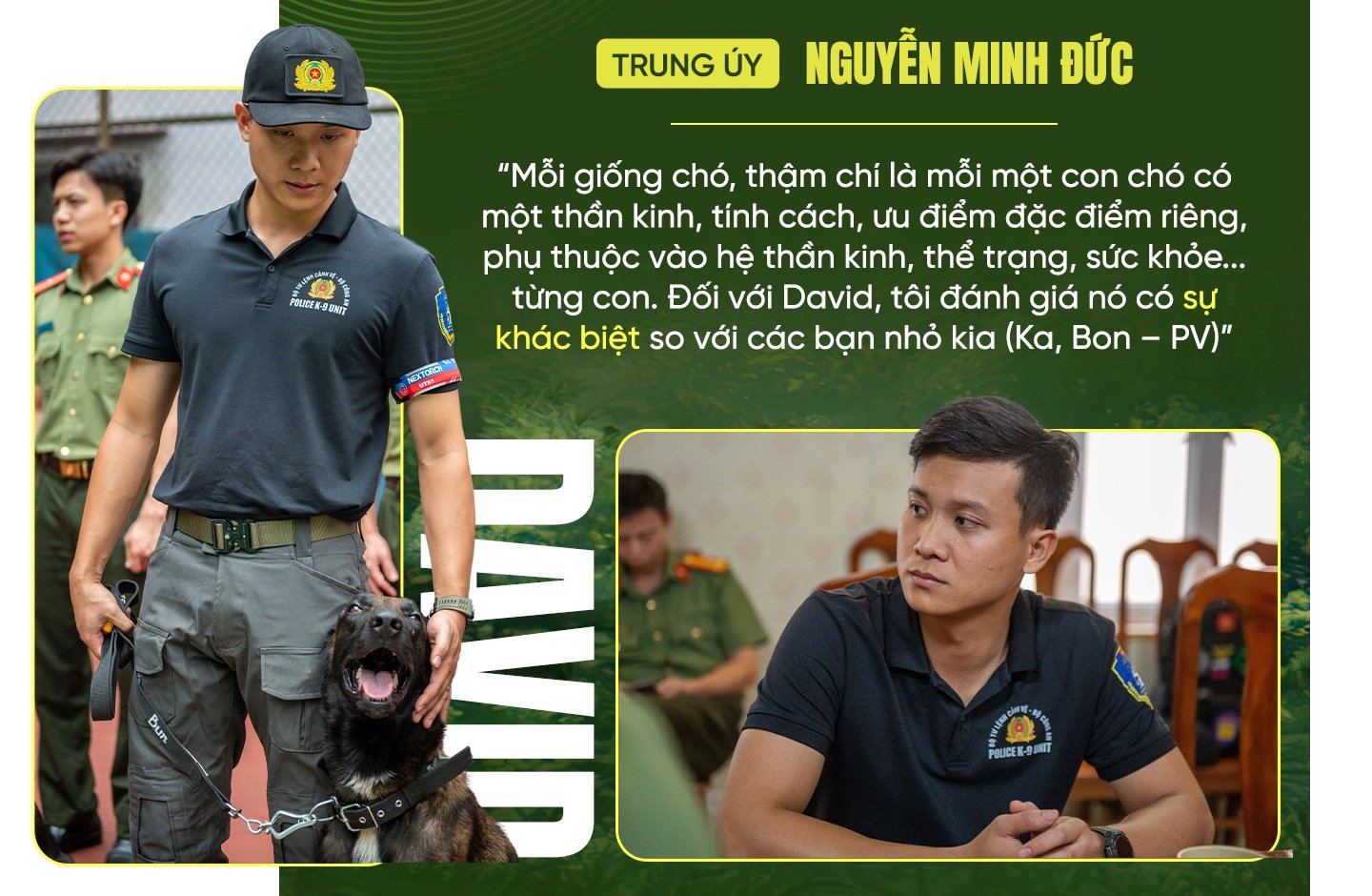
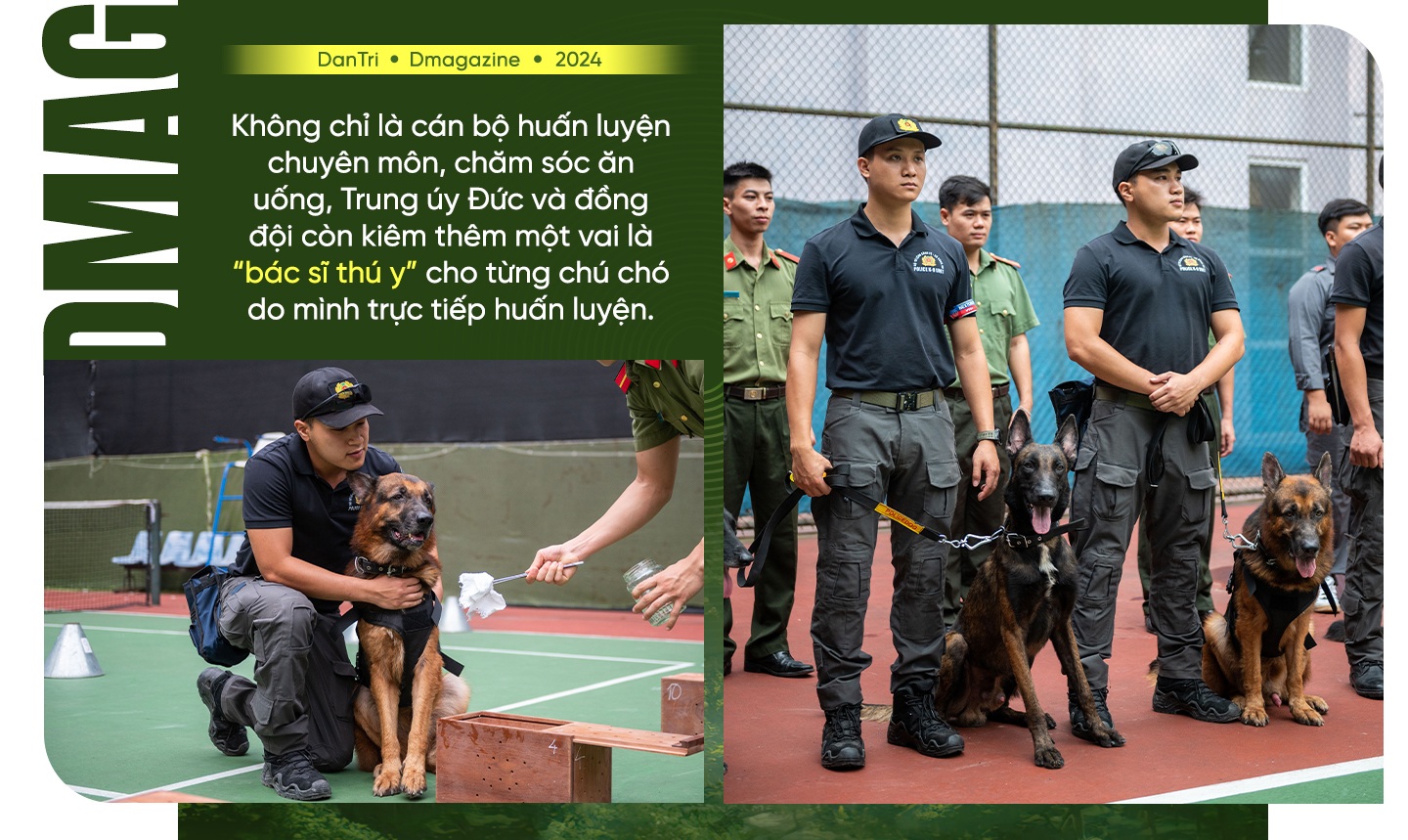
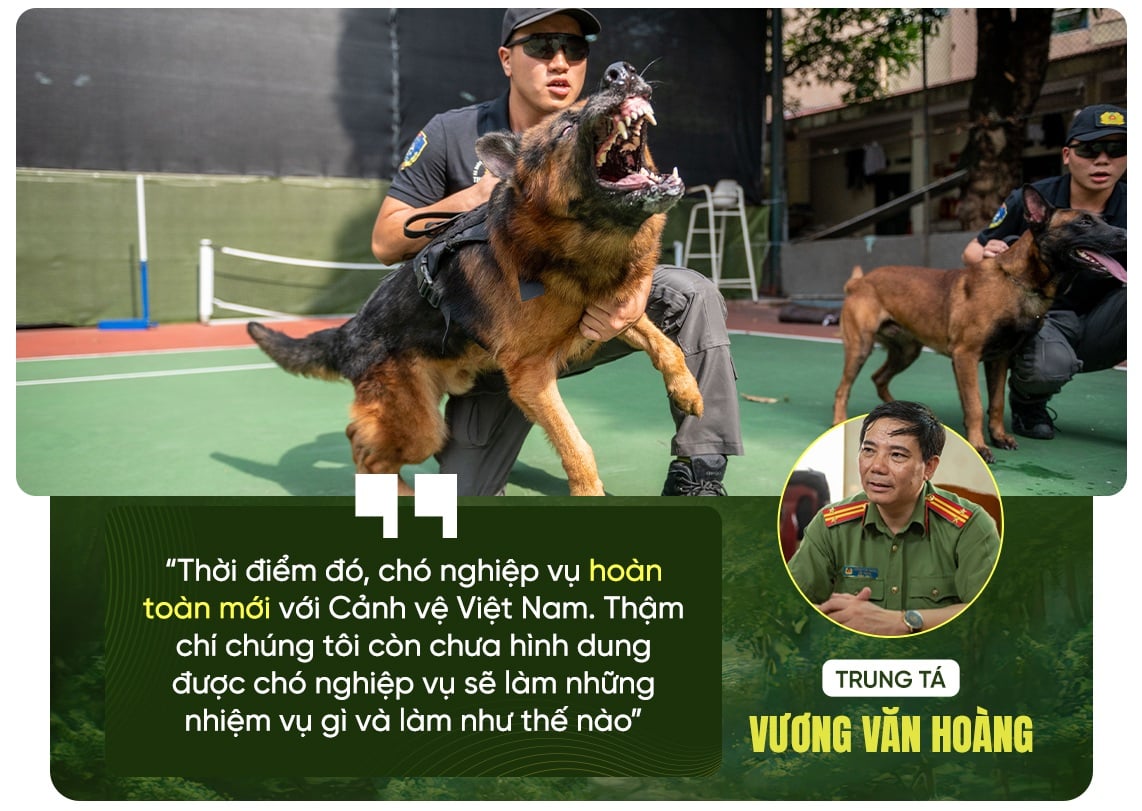
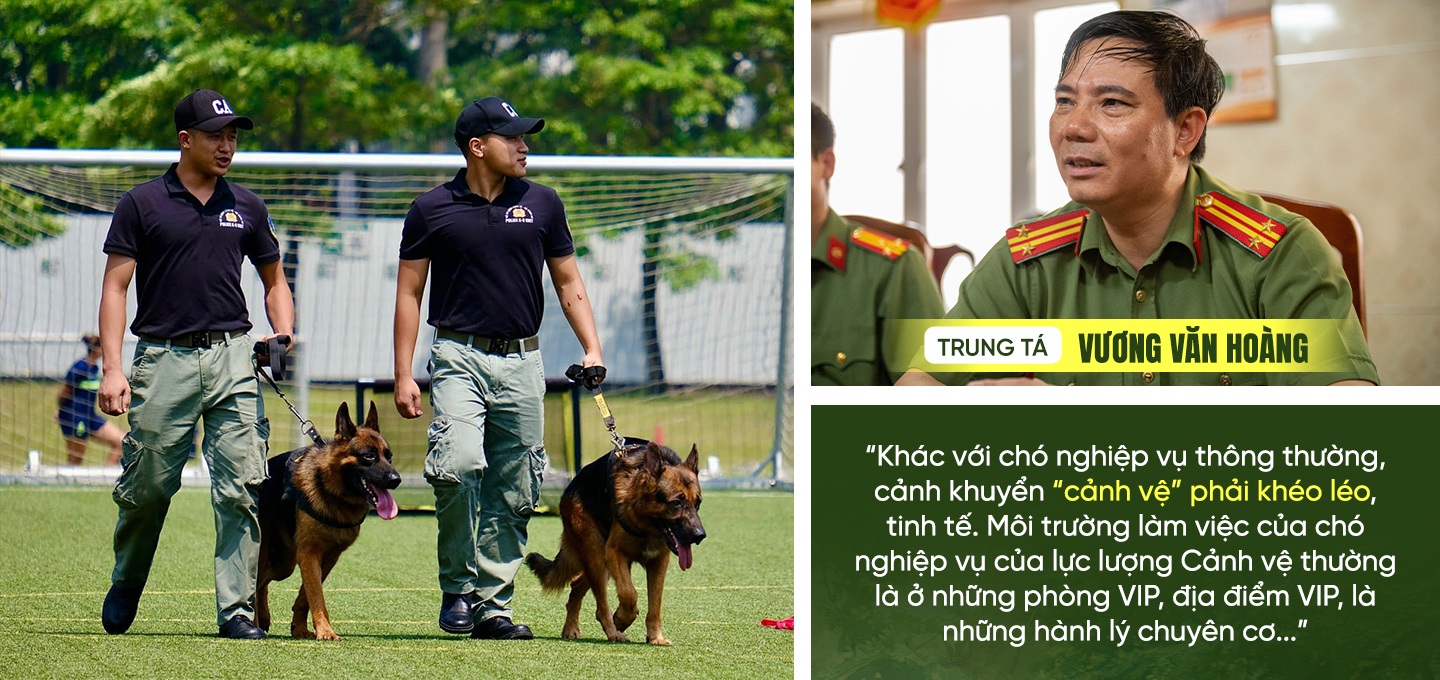
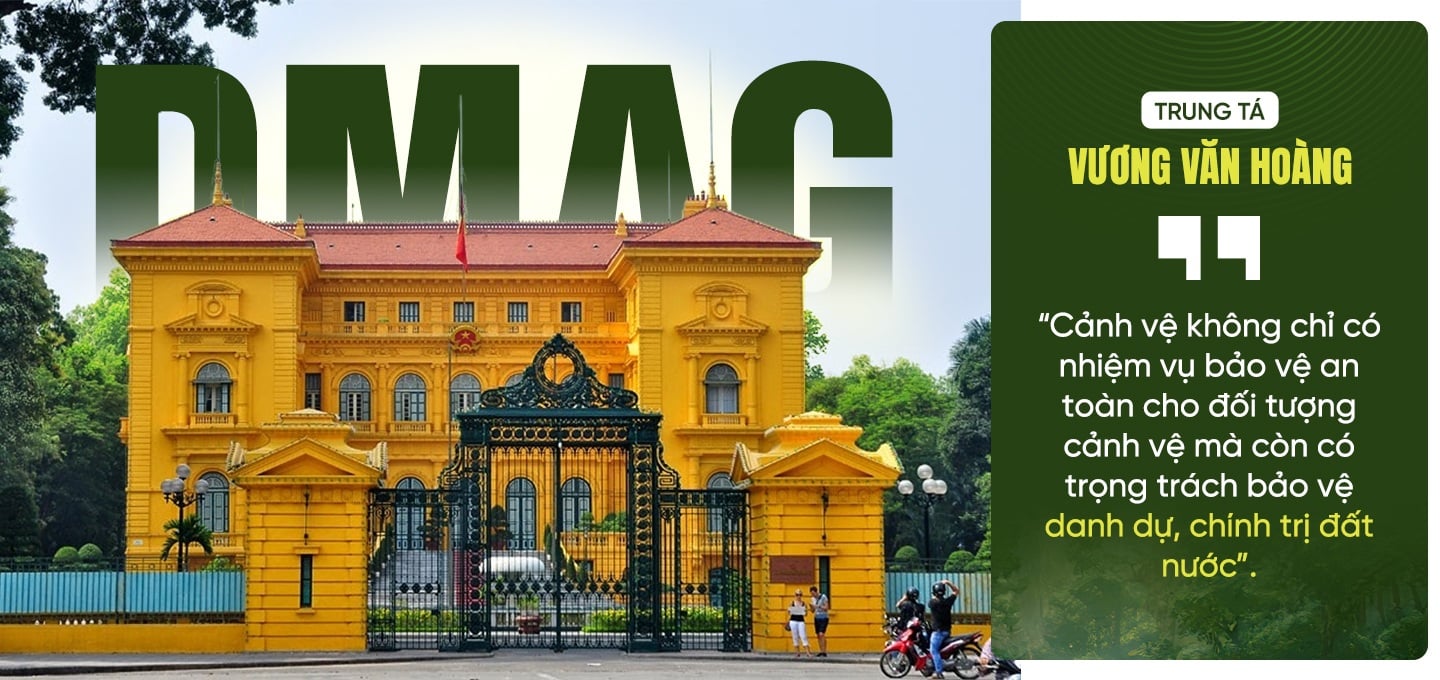
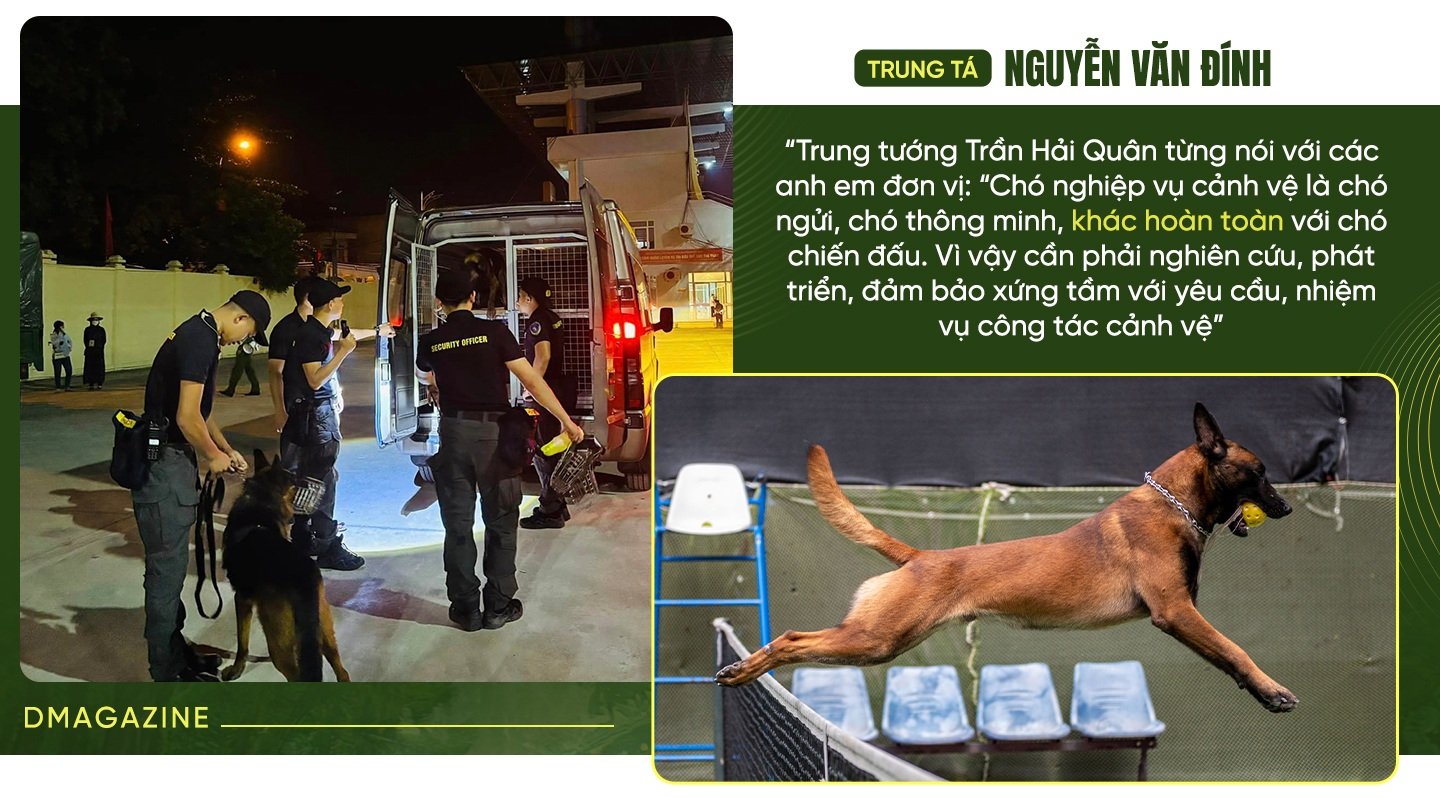
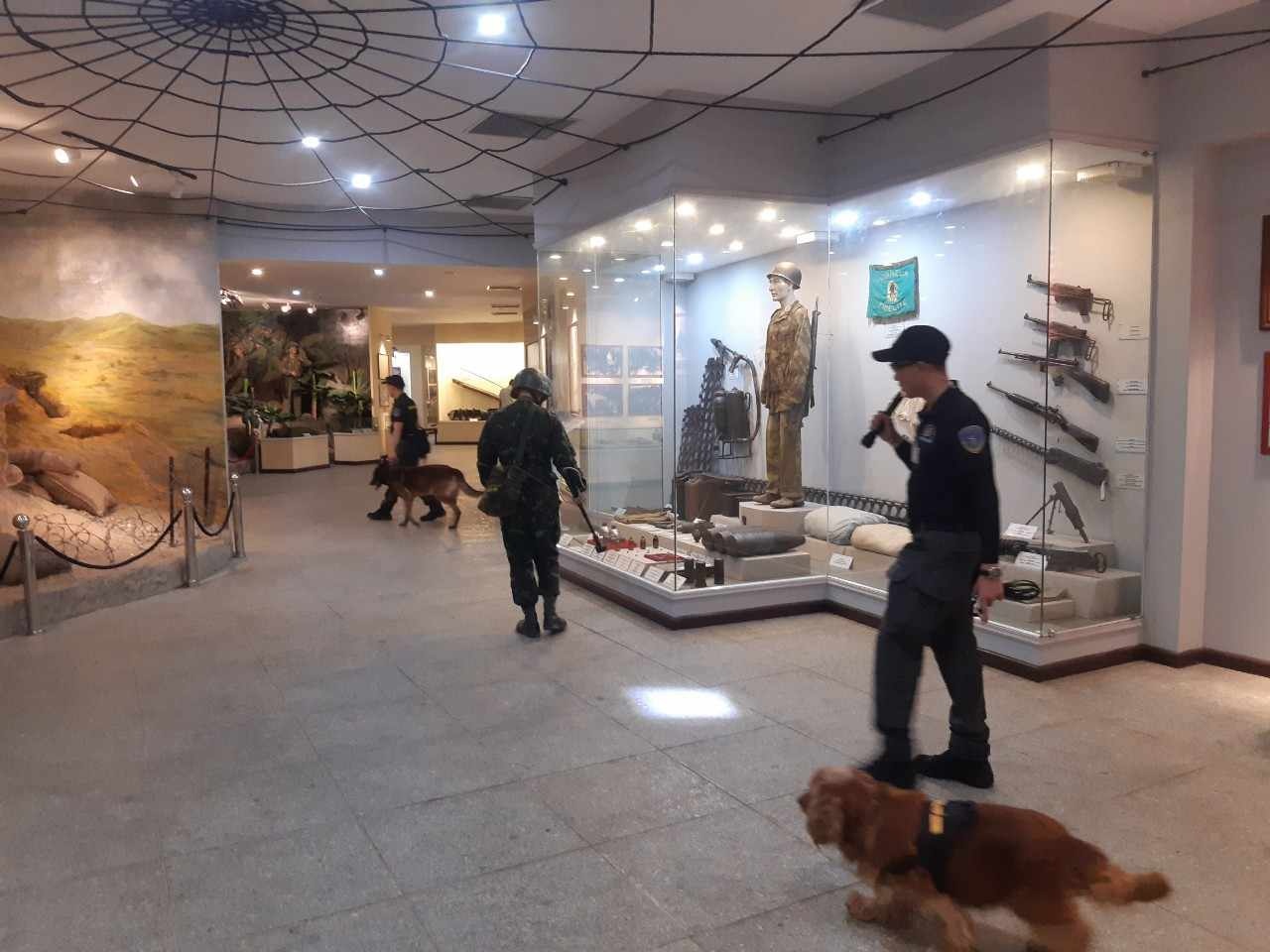
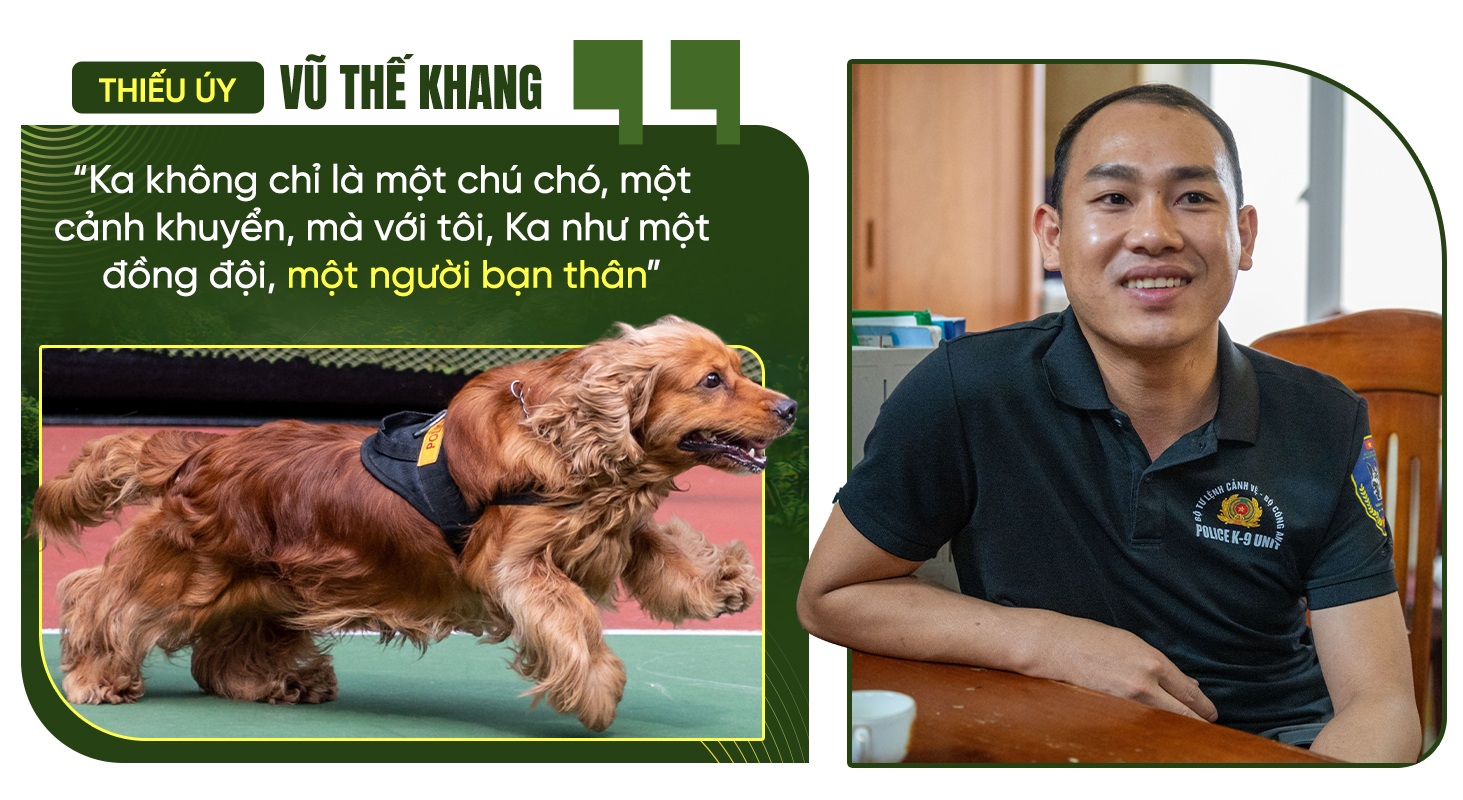
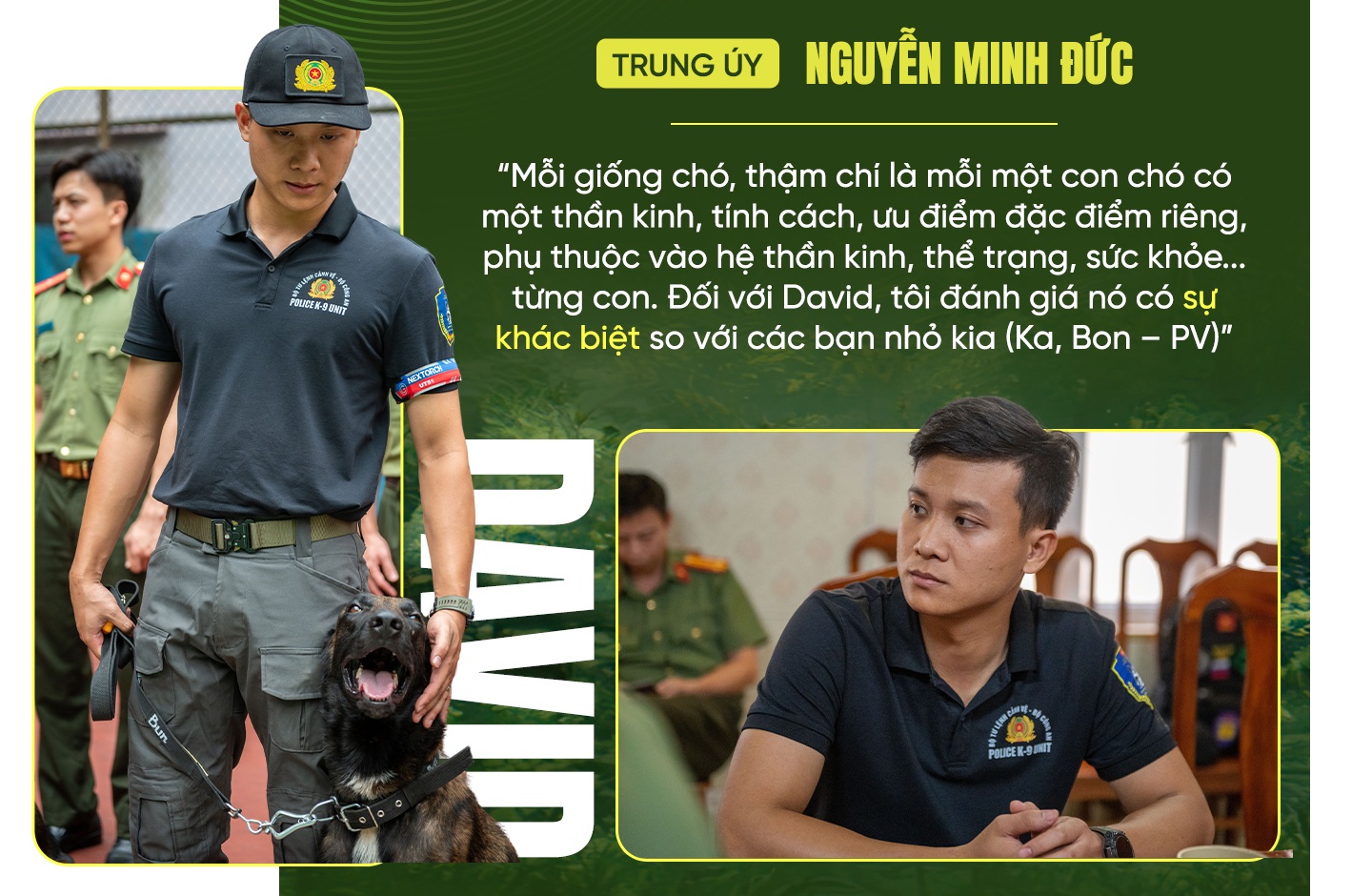
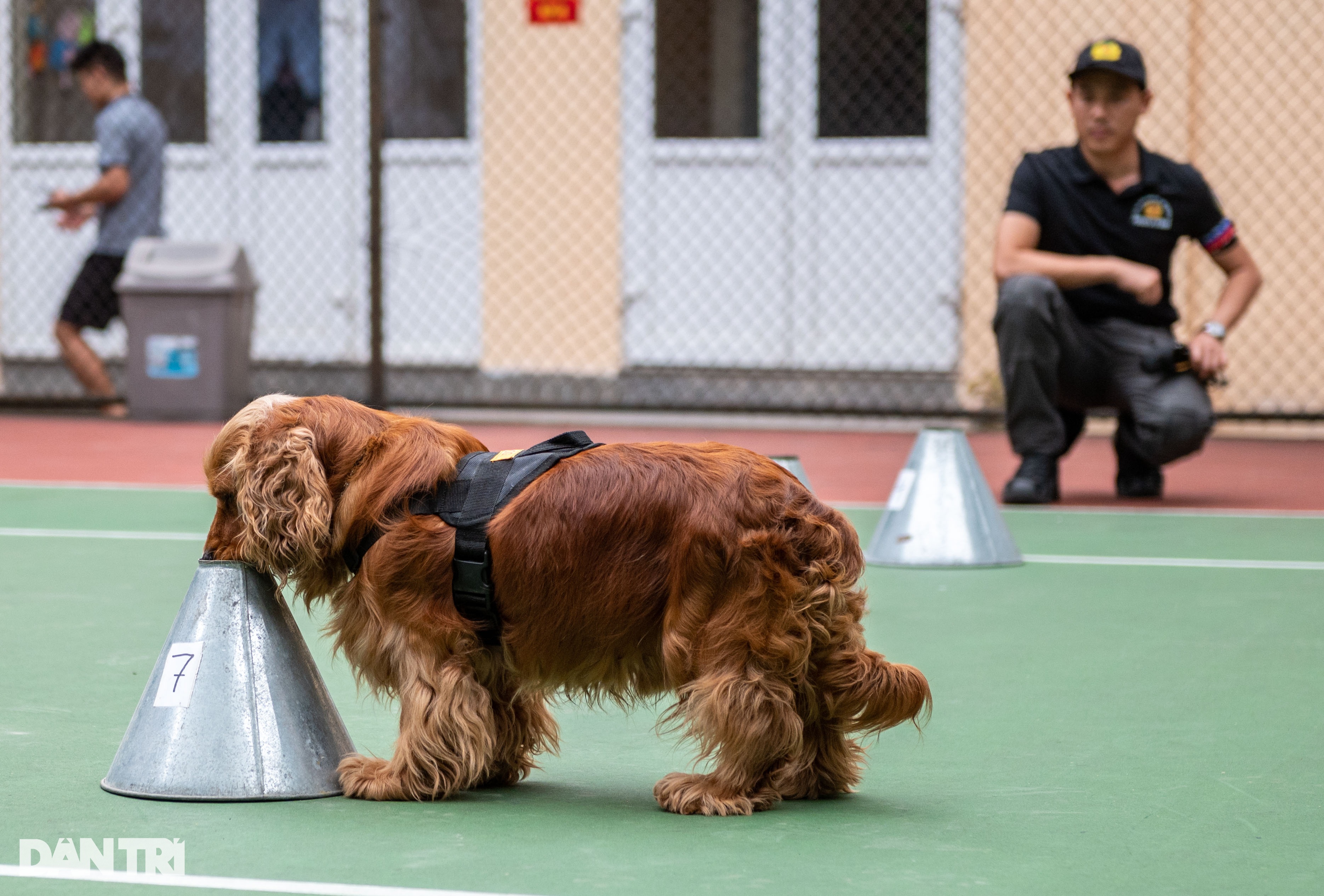
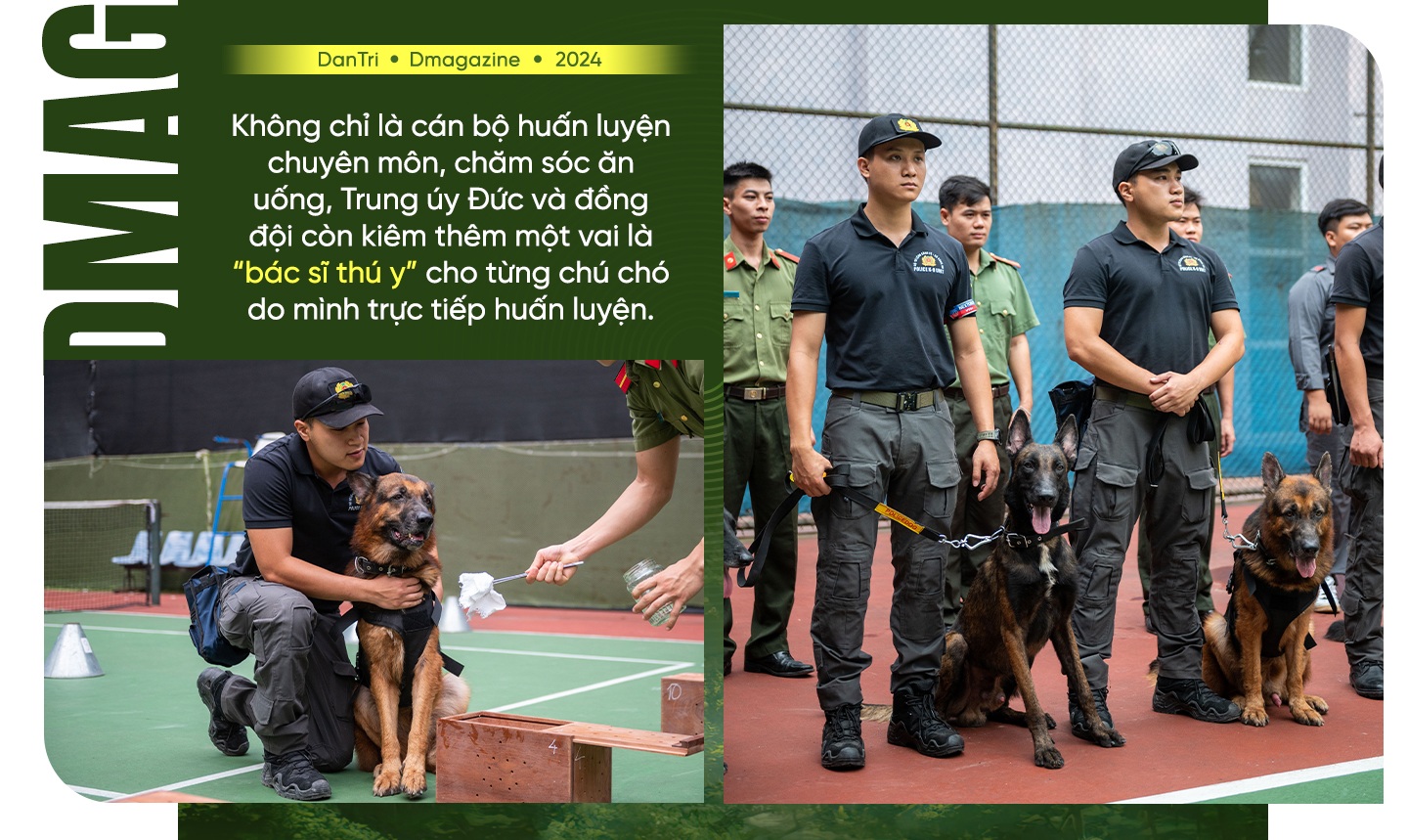
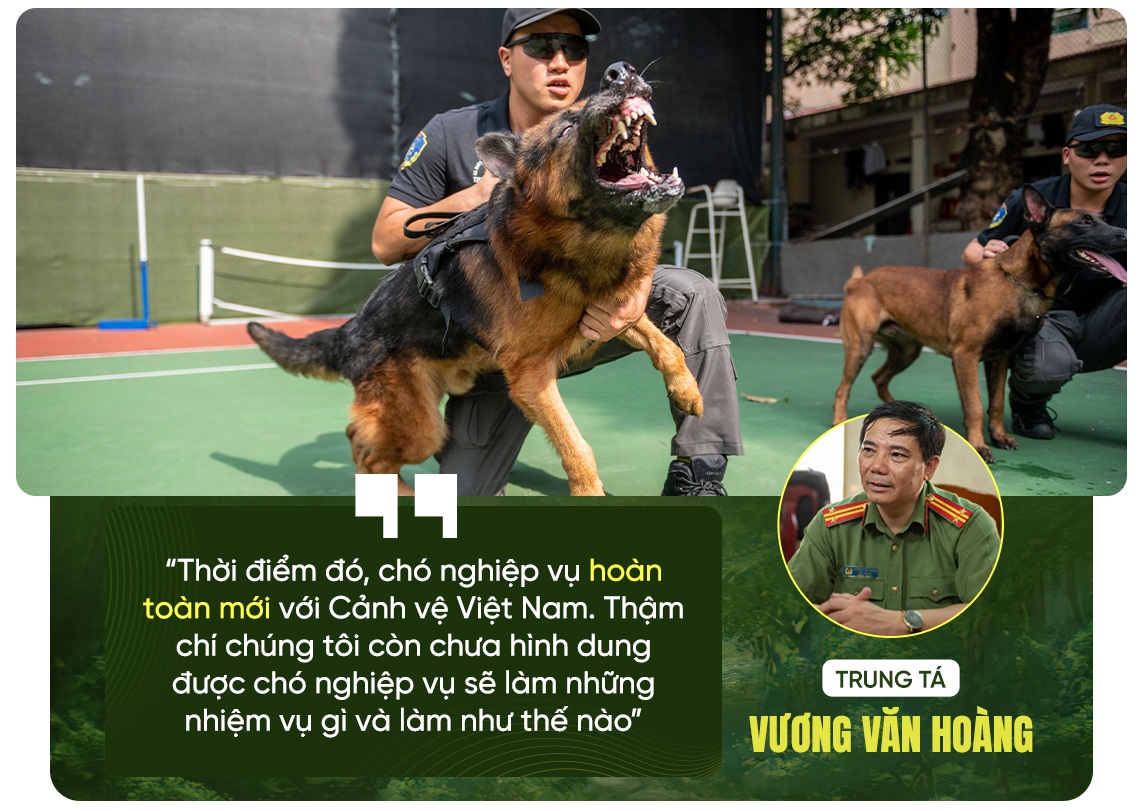
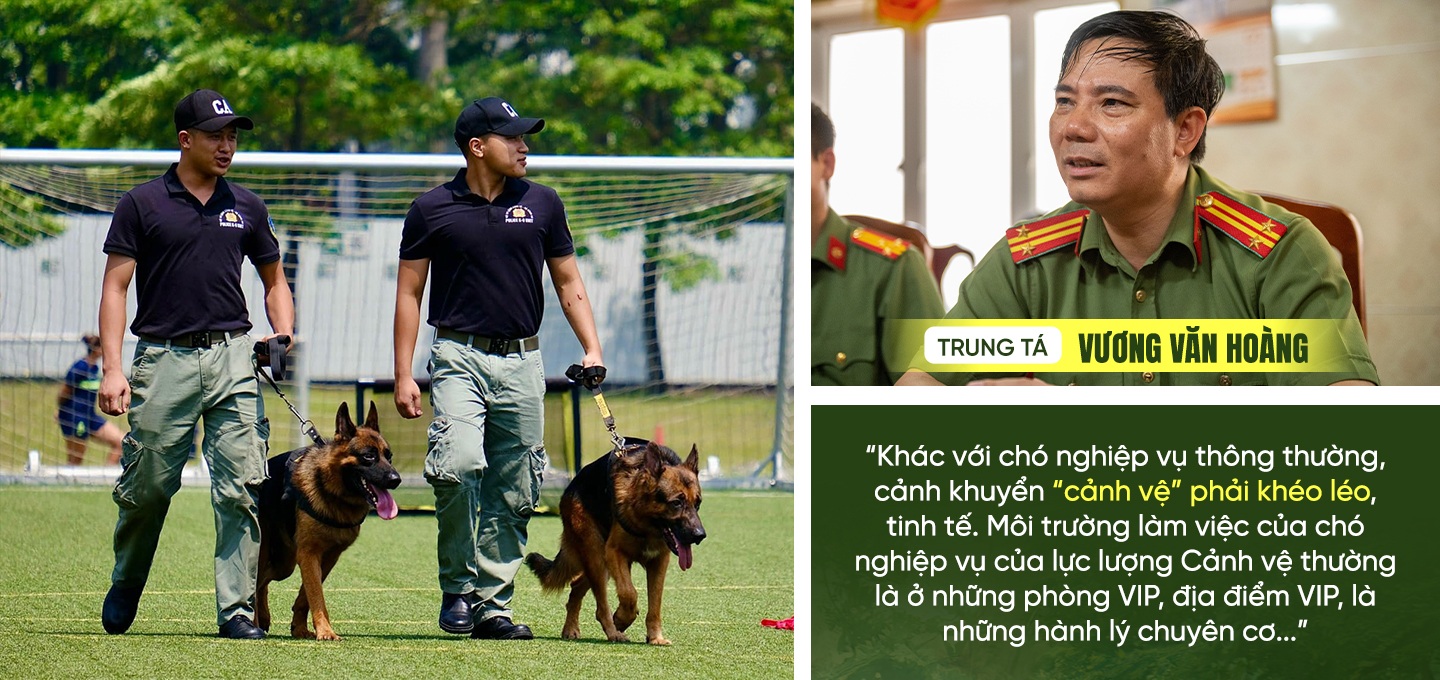
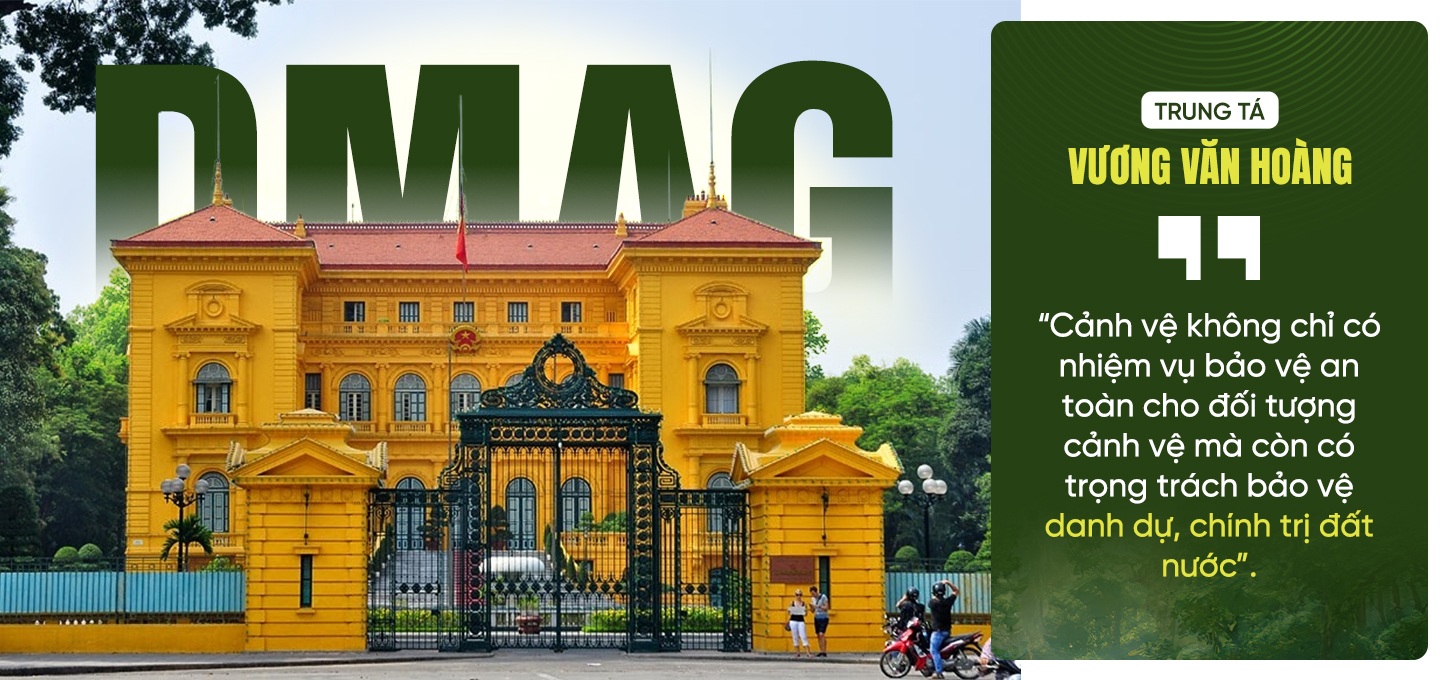
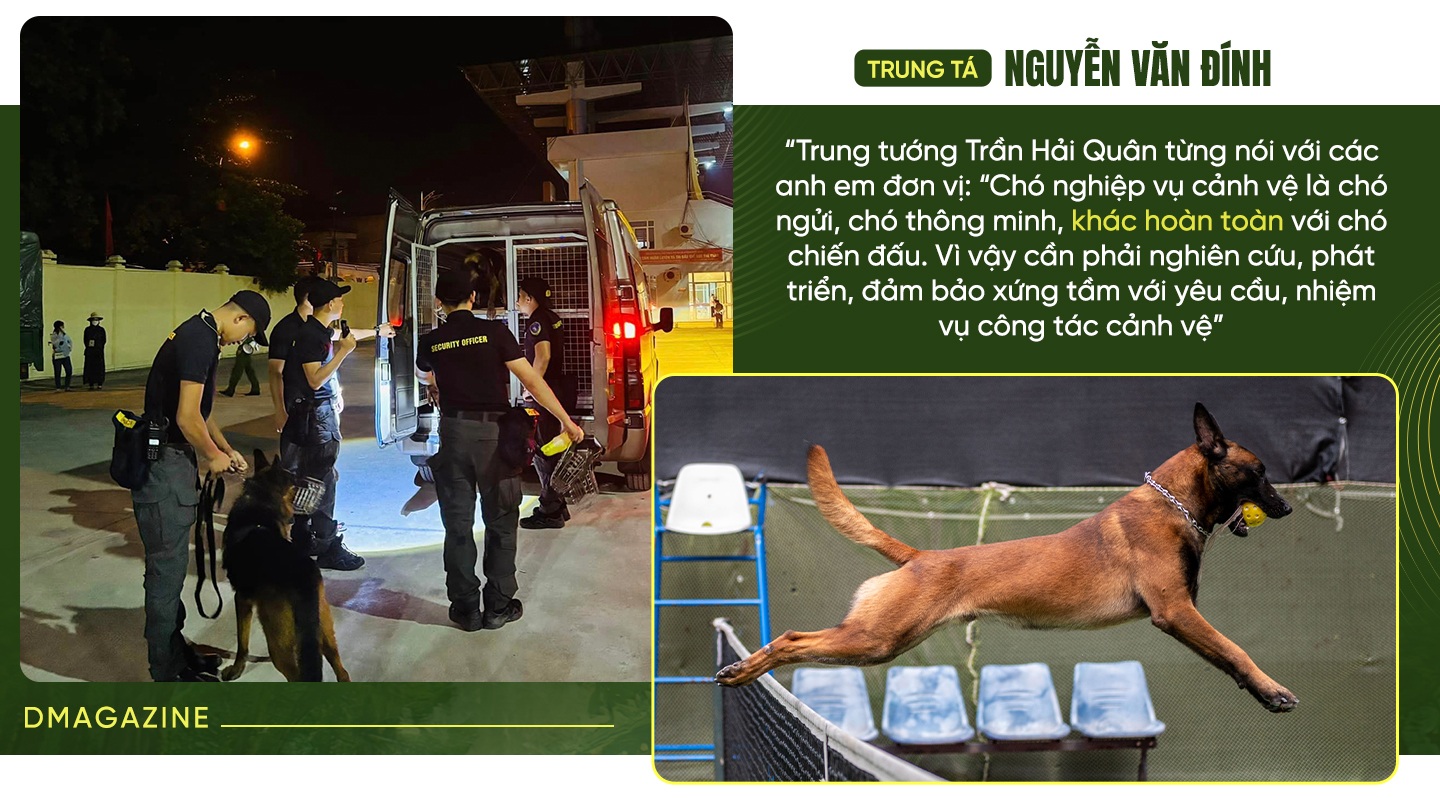
- "Attack!" The police dog named Ka charged at lightning speed towards its target, using its mouth to bite, tear, and attack relentlessly. Contrary to its gentle, cute appearance as a police dog, with just one command from its trainer, Ka "changes its state," becoming a formidable "weapon." Lieutenant Vu The Khang (Training and Utilization of Service Animals, Technical Protection Team 1, Technical Protection Department, Guard Command) is the officer who trains and utilizes Ka. Lieutenant Khang received Ka in 2021, when Ka was just over a year old. "Ka is not just a friendly dog, a police dog, but to me, Ka is like a child, a close friend, a comrade who always stands shoulder to shoulder with me on duty," Lieutenant Khang shared with a reporter from Dan Tri newspaper about his four-legged guard dog. Introducing Ka, Lieutenant Khang said his dog is a Spanish Cocker Spaniel, considered one of the most intelligent police dog breeds in the world . Ka is trained to search for and detect explosives and weapons. The short-legged police dog and his teammates are on duty at the 70th anniversary celebration of the Dien Bien Phu victory. "As a hunting dog, with its curious nature, love of exploring, and especially its incredibly keen sense of smell, Ka is perfectly suited for this task," said Lieutenant Khang. Just a few weeks ago, Lieutenant Khang and his little friend were assigned to ensure security and safety during the 70th anniversary of the Dien Bien Phu Victory in Dien Bien province. During the event, local people were surprised and delighted to see an adorable, short-legged dog standing out among the security dog patrols. Ka's image subsequently went viral on social media. Lieutenant Khang humorously shared that Ka's appearance truly fooled most people upon first meeting her. "Once, I took Ka to Thong Nhat Park for a run, and some people there said to me, 'She's so small, why make her run so much?' They didn't know that it was one of Ka's regular physical training exercises. After Ka and I demonstrated a few basic tricks, everyone who witnessed it was amazed and applauded," Lieutenant Khang said. In fact, short legs aren't a weakness, but rather a unique "weapon" for Ka compared to her four-legged companions. According to Lieutenant Khang, with her small, compact body, Ka can easily squeeze and maneuver to inspect and search in tight spaces, crawling into low areas to detect explosives. This advantage is particularly useful and frequently employed in security operations by the security forces. In addition, Ka is often the preferred dog for searching and detecting explosives at important events, VIP rooms, etc., due to her pleasant appearance, cleanliness, and friendly personality. Lieutenant Nguyen Minh Duc joined the Guard Force in 2015. With a lifelong love for dogs, Lieutenant Duc always dreamed of training and using police dogs. In 2018, when the Guard Force Command recruited new soldiers for the animal training and service unit, Lieutenant Duc immediately applied. From that moment on, Lieutenant Duc felt very fortunate to be working with his passion. "This job truly brings me joy and meaning," he said. In his six years working in the Security Technical Department, Lieutenant Nguyen Minh Duc has trained two service dogs. His first dog, Bon, was a Spanish Cocker Spaniel, similar to Ka but with black fur. Bon and Lieutenant Duc participated in protecting many important events, especially the US-North Korea Summit in Hanoi in 2019. After a period of duty, Lieutenant Duc and his commanders realized that Bon had become exhausted and no longer had the capacity to perform his duties, so he was retired. In August 2023, Lieutenant Nguyen Minh Duc took on the training of David, a Malinois (Belgian) working dog. "Each dog breed, even each individual dog, has its own unique temperament, personality, strengths, and characteristics, depending on its nervous system, physical condition, health, etc. For David, I assess that he is different from the other dogs (Ka, Bon - PV)," said Lieutenant Duc. According to Lieutenant Duc, David has higher discipline, a fierce appearance, and a tougher personality due to being a German Shepherd. After the training process and the connection between the trainer and the working dog, Lieutenant Duc assessed that David has a strong sense of smell and, in particular, a powerful attacking force. Sharing about his work caring for a police dog, Lieutenant Duc said that working dogs are used for security purposes, so their diet is carefully considered by the unit commander and trainers. "Unlike with domestic dogs, where the owner can feed them whatever they eat, it's completely different with working dogs. We have to pay attention to the nutritional composition and quality of each meal, such as the amount of protein, fiber, carbohydrates... even vitamins, and adapt it to the individual dog's condition. If the vitamins in the food are insufficient, we will supplement them through nutritional supplements." In addition, we also assess factors such as weather, training intensity, and work requirements to balance and supplement the nutritional content and food in the diet of working dogs. "In addition, we regularly give the police dogs deworming medication and groom their fur and skin," Lieutenant Duc said. Not only are they professional trainers and caregivers, but Lieutenant Duc and his colleagues also act as veterinarians for each dog they train. According to Lieutenant Duc, after a period of time, trainers will always understand what health problems their police dogs are experiencing through external symptoms. However, being "soldiers," these police dogs have a very good health foundation, regularly maintain their physical fitness, work steadily, rarely get sick, and are usually only injured during training and missions. "For me, the relationship with David or Bon is not just teacher-student, but I consider him a friend, even a close son or younger brother," Lieutenant Duc shared. Recalling his memories with Bon, Lieutenant Duc remembered the time when he first started training and taking on the dog. This dog. "Back then, I was training Bon at the Service Dog Training and Utilization Center in Soc Son, located on a hill. The center's design placed the staff area at the foot of the hill, while the working dog kennels were at the top. The kennels had a water filtration system specifically for them, but I was worried about the water's hygiene and felt uneasy. So, regularly, I would use my own money to buy 20-liter containers of purified water and carry them from the foot of the hill to the top for Bon to drink. At the time, everyone at the center found my actions a bit strange," Duc said with a laugh. Speaking with a reporter from Dan Tri newspaper , Lieutenant Colonel Vuong Van Hoang (Team Leader of Security Technical Team 1) shared the arduous and challenging journey of the team training and using service animals. According to Lieutenant Colonel Hoang, before 2000, the Vietnamese security forces had no concept of using service dogs for security purposes. In November 2000, during the first visit of the US President to Vietnam, the US security forces requested service dogs to check security at locations where the US President would be active throughout his visit and work in Vietnam; they also requested that the US security team's dogs be sent to Vietnam to perform duties. For countries such as Russia, China, South Korea, and Germany, when heads of state visit Vietnam, their security forces also request the use of service dogs for security purposes. Based on that reality, Major General Le Van Kinh (former Commander of the Guard Command) assigned the Technical Protection Department to research and utilize working dogs as a technical protection measure. "At that time, working dogs were completely new to the Vietnamese Guard. We hadn't even imagined what tasks working dogs would perform or how they would do them," Lieutenant Colonel Hoang recounted. In April 2004, the first three officers were selected by the Guard Command and sent for training at the Training and Utilization Center for Service Animals (General Department of Police , Ministry of Public Security ). However, at the end of the training course, only one officer remained in the profession and has worked in the Training and Utilization of Service Animals team ever since: Lieutenant Colonel Vuong Van Hoang. "At that time, the acting Head of the Security Engineering Department, Do Van Giang, called me in to discuss whether or not to use service dogs as a security measure, because the recruitment of personnel to train and use service dogs was very difficult. The options were either to completely abandon the use of service dogs, or to continue researching and developing their use. I analyzed and reported that service dogs are a very effective security measure; many countries around the world, despite having much more advanced technology than us, still use service dogs. Some countries even fly halfway around the world and still bring service dogs. Why should we stop when we've only just begun to explore this? I boldly suggested to the acting Head of the Department that we needed to conduct more in-depth research," Lieutenant Colonel Hoang recounted. Afterward, Hoang was assigned by the Department's commander to find personnel to recommend to the Command Headquarters for training. However, the recruitment, training, and development of officers continued to face difficulties, with 70% of those selected for training requesting transfers. "Training officers must possess perseverance, loyalty, and a deep understanding of dog characteristics. The training process is very arduous; to train a working dog, in addition to a love for animals, the officer must be truly passionate and dedicated to the job; they must not be afraid of difficulties or dirt, and must be close to, hug, and love the dogs in order to do the job effectively. Lacking any of these qualities makes it very difficult to succeed and to remain committed to the task long-term," said Lieutenant Colonel Hoang. However, the team leader did not give up. He continued to persistently search for suitable individuals. By 2018, two new officers joined the working animal unit. According to Lieutenant Colonel Hoang's assessment, he was "very pleased" with these two officers because they loved animals, had a strong sense of responsibility, and possessed excellent expertise. From the first two dogs in 2004, specializing in explosive detection, the Service Animal Unit now has 14 service dogs with four specialties: explosive detection, weapons detection, drug detection, and protection and human scent tracking. According to Lieutenant Colonel Hoang, the service dogs of the Guard Command are currently supplied by the Center for Training and Utilization of Service Animals (Mobile Police Command, Ministry of Public Security). Each service dog undergoes training at the center and receives a certificate before being handed over to the Guard Command. However, due to the specific nature of security work, to meet the requirements of each service dog, the Security Technical Team 1 must continue training each dog for an additional year according to a separate curriculum researched and developed by the Security Technical Department. At the Security Command, police dogs are being trained in four specialties: Explosives detection; Drug detection; Weapon detection; and Protection and human scent tracking. Of these, Weapon detection is a specialty researched, developed, and trained by the Security Technical Department itself, and is the only unit nationwide to successfully implement it. "Unlike regular working dogs, security dogs must be skillful and discreet. The working environment for security dogs is often in VIP rooms, VIP locations, and private jet luggage... For detecting explosives, security dogs are trained not to bark or make any noise while digging through objects because the traps may use sound or explosives to detonate. Similarly, for drugs, security dogs are required to find very small quantities of the prohibited substance. And when inspecting VIP rooms, the security dog must absolutely not touch or handle any furniture, always being gentle to avoid damage or breakage," Lieutenant Colonel Hoang said. "Having a training and operational dog unit with 14 officers and soldiers like today is thanks to the great attention and care of the Commander of the Guard Command - Lieutenant General Tran Hai Quan," Lieutenant Colonel Hoang said. According to Lieutenant Colonel Hoang, since being appointed Commander of the Guard Command, Lieutenant General Tran Hai Quan has paid special attention to the training and operational dog unit. The head of the Guard Command highly appreciates the effectiveness of using service dogs in guard work. Lieutenant Colonel Hoang recounted that in 2021, Lieutenant General Tran Hai Quan directed a practical report session, requiring the use of the most modern explosive detection equipment, comparing it with sniffer dogs for evaluation. "The Commander requested all heads of specialized departments of the Command to participate and witness. At that time, Lieutenant General Tran Hai Quan had the testing conducted using three models: transportation, private jet baggage, and a real-life model," Lieutenant Colonel Hoang said. The results showed that, with their keen senses, the sniffer dogs demonstrated superior skills compared to the security inspection equipment. The fastest dog detected explosives in only about 5 seconds. Based on the practical test results, the Commander of the Guard Command requested attention to investing in the development of the sniffer dog training and utilization team, directing the Technical Protection Department to provide in-depth training and recruit more personnel. Sharing further details, Lieutenant Colonel Hoang stated that Lieutenant General Tran Hai Quan personally requested the Security Technical Department to provide specialized training in drug detection for service dogs. "The Commander believes that security guards not only have the duty to protect the safety of the protected individuals but also the responsibility to protect the honor and political standing of the country. During each overseas trip, the Commander noticed that the luggage on each flight was very heavy. Previously, we focused only on security and overlooked the risk of drugs and prohibited substances being mixed in or hidden in luggage and suitcases. If this situation occurred, the national prestige would be seriously affected. Therefore, Lieutenant General Quan requested that service dogs be trained to detect drugs and conduct 100% checks on all flights of Party and State leaders when traveling abroad," Lieutenant Colonel Hoang said. Notably, according to Lieutenant Colonel Hoang, the "exclusive" specialization of the Security Command – weapon detection – was also an idea of Commander Tran Hai Quan. Furthermore, recognizing the superior advantages of using trained dogs that other technical measures cannot achieve, such as the ability to conduct large-scale security checks and detect intruders into protected areas with high accuracy using scent, the Commander of the Guard Command directed an increase in the operational range of working dogs at four key protected targets: the Government Office , the Presidential Office, the National Assembly Office, and the Central Party Office. Speaking to reporters, Lieutenant Colonel Nguyen Van Dinh (Head of the Working Dog Training and Utilization Team) said that Lieutenant General Tran Hai Quan was the first Commander to personally visit the area where working dogs are trained and bred, even visiting twice without prior notice. "Entering the officers' quarters, the Commander said that the living conditions were not good enough, not commensurate with the unit's mission requirements. Therefore, even though it was already the 23rd day of the Lunar New Year, the Commander requested the relevant unit to quickly equip the training team with some necessary facilities for the officers and soldiers; and also requested that everything be completed before Tet. The Commander also directly instructed the team members to research and propose suitable and convenient uniforms and equipment, from clothing, hats, glasses, etc., for their duties. Lieutenant General Quan invested in and equipped the team's officers," Lieutenant Colonel Dinh said. "Lieutenant General Tran Hai Quan once told the unit members: 'Security guard dogs are sniffer dogs, intelligent dogs, completely different from combat dogs.'" Therefore, it is necessary to research and develop to ensure that it meets the requirements and tasks of security work," shared the commander of Security Engineering Team 1, Security Engineering Department, Security Command.











![[Photo] Two flights successfully landed and took off at Long Thanh Airport.](/_next/image?url=https%3A%2F%2Fvphoto.vietnam.vn%2Fthumb%2F1200x675%2Fvietnam%2Fresource%2FIMAGE%2F2025%2F12%2F15%2F1765808718882_ndo_br_img-8897-resize-5807-jpg.webp&w=3840&q=75)







































































Comment (0)