

 |
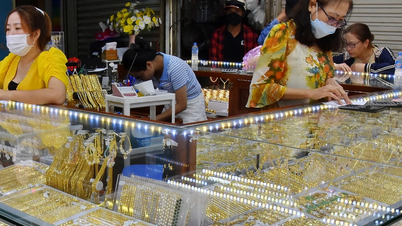
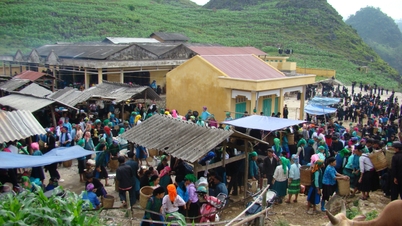
| A corner of the Nam Cuong commune market. Photo courtesy. |
In reality, the traditional market model is revealing many limitations in the face of modern management requirements. Poor food hygiene and safety, fire safety risks, encroachment on sidewalks and roads, and traffic congestion around market areas still persist in many localities.
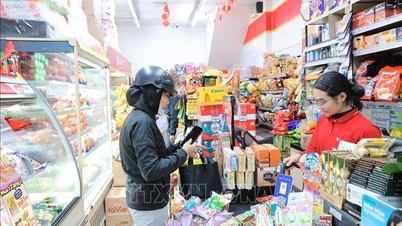
The conversion to convenience stores and shopping malls offers clear benefits, such as: traceable goods, publicly displayed prices, convenient payment methods, and contributes to the creation of a civilized shopping environment, reducing pressure on urban infrastructure...
However, traditional markets remain a familiar choice for the majority of low- and middle-income workers. They are where small-scale daily transactions take place, meeting flexible shopping needs that supermarkets and convenience stores cannot fully replace. If the transition is not carefully considered, the increased operating costs could lead to higher prices for goods, directly impacting people's spending.
Furthermore, traditional markets are an important outlet for agricultural products and goods supplied by small-scale producers and businesses. When transitioning to a shopping mall model, requirements regarding tax identification numbers, packaging, traceability, and shelf discounts become major obstacles for small traders, narrowing their trading space and impacting the livelihoods of many families, especially in rural areas.
In many localities, markets are not only places for buying and selling but also spaces for community life. Friendly conversations, familiar bargaining, and daily greetings create a unique social bond. If transformed rigidly, these values could easily fade, while commerce is not just about goods but also about human relationships.
Therefore, the transformation of traditional markets needs a balanced approach. Markets that are severely dilapidated and unsafe should be transformed or rebuilt according to a suitable model. For markets that still have practical value and a long-standing connection to the community, priority should be given to renovation towards cleanliness and civility. Along with this, it is necessary to create conditions for small traders to access electronic payments and online sales, gradually adapting to the new business environment.
Transforming traditional markets is an essential requirement in the process of commercial modernization. However, this solution will only be truly effective when it harmonizes development goals with people's affordability, the livelihoods of small traders, and inherent social values.
Source: https://baothainguyen.vn/kinh-te/202601/chuyen-doi-cho-truyen-thong-42d4b9f/



![[Photo] General Secretary and President To Lam receives Amazon's Senior Vice President David Zapolsky](https://vphoto.vietnam.vn/thumb/1200x675/vietnam/resource/IMAGE/2026/05/22/1779466547770_a1-bnd-3513-6601-jpg.webp)















































































Comment (0)