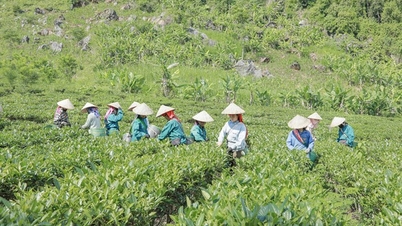
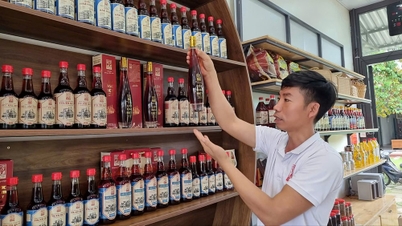
The winter crop season is identified by the agricultural sector as a crucial production period for the overall growth of the sector in the following year. Therefore, localities clearly identify advantageous crop varieties for the winter season to avoid surpluses of agricultural products, which can cause difficulties in consumption and losses for farmers.
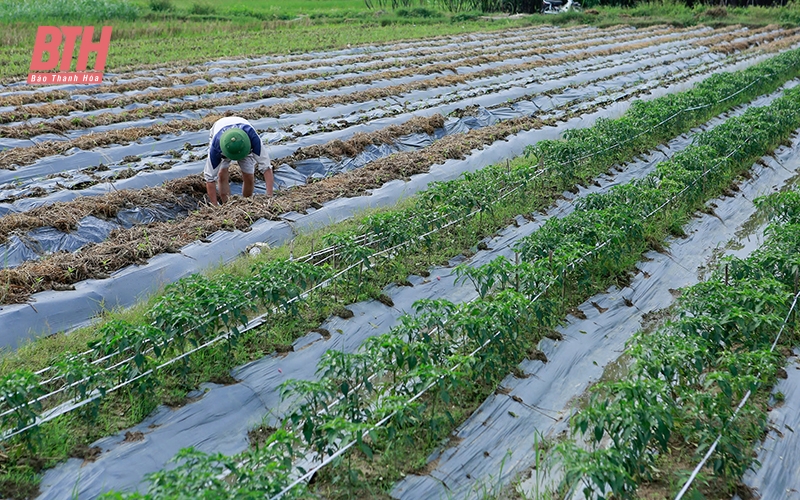


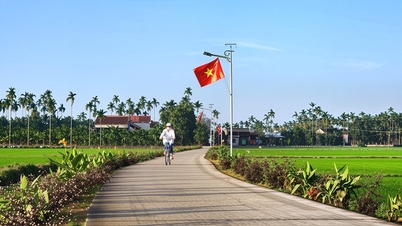
For the 2024-2025 winter crop season, the entire province aims to plant 47,000 hectares or more of various crops. This includes 14,000 hectares of corn with a yield of 48 quintals/hectare and a total production of 67,200 tons; 2,000 hectares of sweet potatoes with a yield of 76 quintals/hectare and a total production of 15,200 tons; 1,300 hectares of peanuts with a yield of 21 quintals/hectare and a total production of 2,730 tons; and 29,700 hectares of vegetables, legumes, and other crops, concentrated in the districts of Hoang Hoa, Hau Loc, Nga Son, Nong Cong, Yen Dinh, Tho Xuan, Thieu Hoa, etc. To ensure high efficiency in winter crop production, the agricultural sector has implemented a production plan for the 2024-2025 winter crop season, providing guidance on planting schedules and crop varieties as a basis for implementation in communes, towns, and villages. In addition, the organization introduces new scientific and technical advancements and new models with high economic efficiency to guide localities in making choices and advising households on developing and expanding production. Units under the agricultural sector regularly coordinate closely with the People's Committees of districts, towns, and cities to inspect and manage the quality of plant varieties, fertilizers, pesticides, and other agricultural supplies and goods in the area. Localities proactively seek solutions, based on their potential strengths, to identify advantageous crop products in their area to orient production development rationally according to market demand. They guide farmers on safe production, harvesting, processing, and preservation methods to facilitate product consumption. The agricultural sector implements solutions to attract, invite, and create the most favorable conditions for organizations, individuals, businesses, cooperatives, etc., to invest in winter crop production. Forming sustainable production chains, contract manufacturing, and meeting market demands...
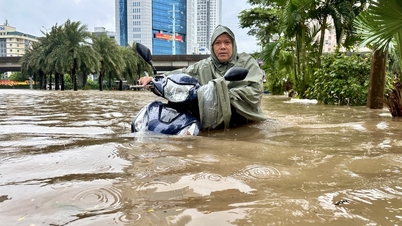
Despite experiencing two consecutive natural disasters in September 2024, farmers in the province have actively overcome difficulties and restored production. As of September 26th, the entire province had planted 9,327 hectares of winter crops, including: 3,780.8 hectares of corn, 330 hectares of peanuts, 3,672.8 hectares of vegetables and legumes, 162.4 hectares of sweet potatoes, and 1,381.4 hectares of other crops. The majority of these crops are concentrated in the districts of Yen Dinh (1,724 hectares), Nong Cong (1,016 hectares), and Tho Xuan (983 hectares)...
According to Vu Quang Trung, Head of the Thanh Hoa Department of Crop Production and Plant Protection: For warm-weather crops, early winter planting should be completed before October 10, 2024; for cold-weather crops, planting should be done after October 10, 2024, with potato planting concentrated from October 20, 2024 to November 15, 2024. Based on this, localities should calculate and recommend the scale of production for each crop, arranging staggered planting to ensure supply and limit surpluses during the main season. The crop production sector has identified key winter crops including: corn, soybeans, potatoes, sweet potatoes, and various types of vegetables and legumes. Of these, corn and vegetables should be considered key crops throughout the winter season; corn is grown for grain and green fodder for dairy and beef cattle, while vegetables are grown for domestic consumption, processing, and export to some traditional markets. Maximizing the area for winter crop production in localities will both increase the economic value of production and help meet the food needs of northern localities severely affected by Typhoon No. 3. The agricultural sector is guiding localities to diversify other crop groups in the winter season, paying particular attention to staggered planting of vegetables to reduce shortages. Simultaneously, production should be linked to food safety certification, traceability, environmental protection, and increased income for vegetable producers, contributing to social security.


Text and photos: Le Hoi
Source: https://baothanhhoa.vn/da-dang-cay-trong-vu-dong-226247.htm




![[Photo] General Secretary and President To Lam working with the Technical and Professional Center, Ministry of Public Security](https://vphoto.vietnam.vn/thumb/1200x675/vietnam/resource/IMAGE/2026/07/06/1783318005842_a1-bnd-1129-2263-jpg.webp)