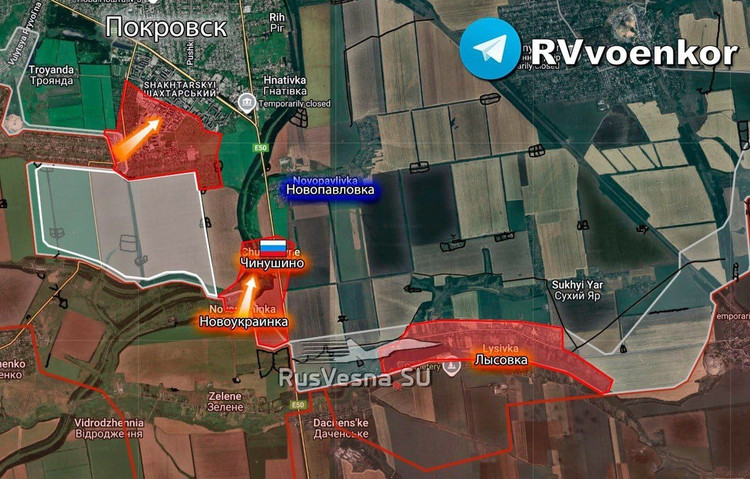
Russian army's counterattack north of Pokrovsk city.
The Russian army "turned danger into safety" at the "salient" of Dobropolye, and at the same time strongly attacked the area of the two cities of Pokrovsk and Kupyansk.
Báo Khoa học và Đời sống•12/10/2025
Following the Russian offensive in the Kursk region, the Ukrainian Armed Forces (AFU), having suffered heavy losses, were forced to shift from a multi-front offensive to a full-scale defense. North Donetsk and South Kharkiv are now key defensive areas for the AFU. In northern Donetsk, the city of Pokrovsk, the Dobropolye salient, and Kostiantynivka, the AFU deployed not only many elite units but also its entire reserve force. However, the Ukrainian counteroffensive, including the 1st Azov Corps, ultimately failed to retake the Dobropolye salient.
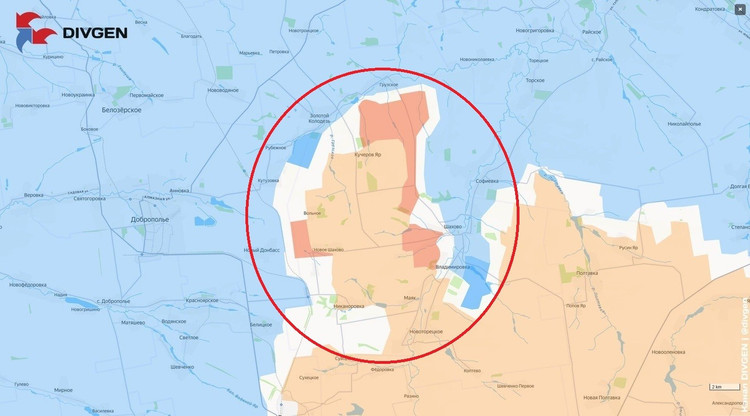
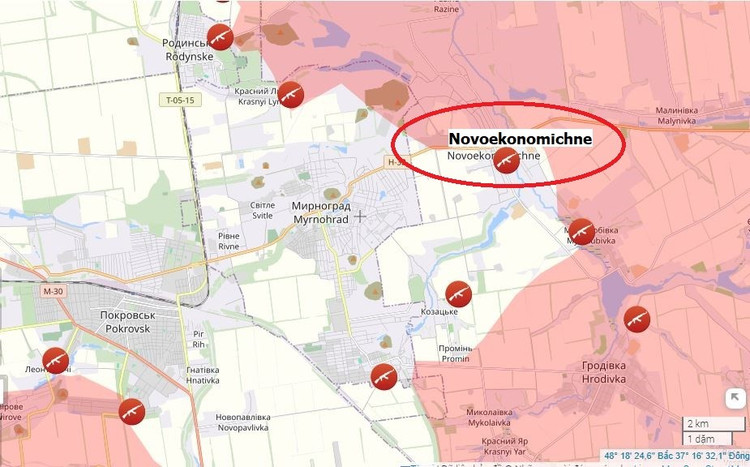
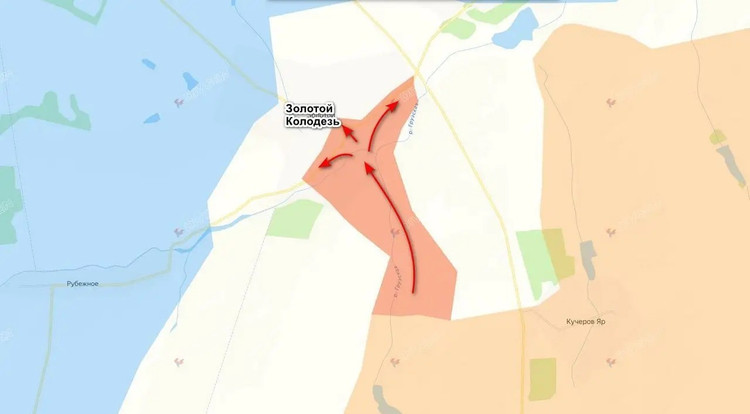
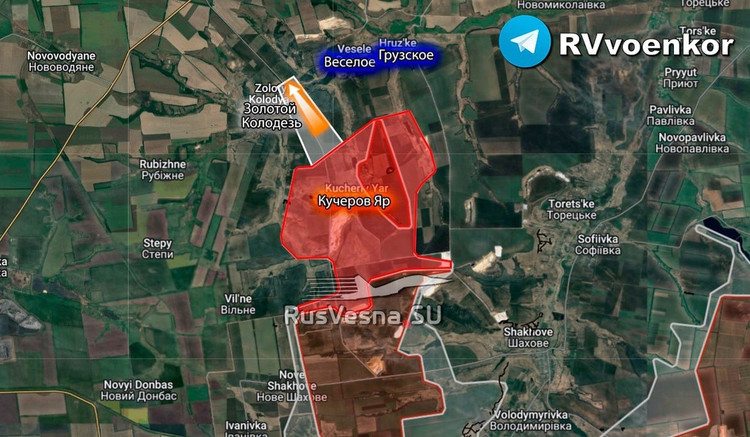
Starting on October 5th, the Russian Armed Forces (RFAF) continued to expand the Dobropolye "bulge." With the supply route to Kucheriv Yar reopened, the Russian forces completely recaptured the village of Nykanorivka, consolidating the base of the "bulge" and attempting to regain control of the T-0514 highway. The latest battlefield maps show that Russian forces have completely taken control of the village of Novoekonomichne, considered the eastern suburbs of Pokrovsk. The RFAF will use this location as a bridgehead for full-scale attacks on Myrnohrad. The offensive toward Myrnohrad forced the AFU commander to disperse their reserves, creating an opportunity for the Russian ground offensive on Pokrovsk. Coupled with the panic caused by the defeat at Dobropolye, Ukrainian forces in Pokrovsk were forced to retreat further behind the railway line, forming an "undivided front" within the city. The Russian Military Review website reports that the situation at the Dobropillya "bulge" continues to deteriorate for the AFU. After capturing Ivanivka on the western flank of the "bulge," Russian forces advanced north, targeting the village of Zolotoy Kolodez, from which they were forced to retreat in a recent AFU counterattack. On the evening of October 8th, the RVvoenkory channel reported that units of the RFAF Central Group had captured the village of Ivanivka and advanced near Zatyshok, then entered Zolotoy Kolodez, seizing the southern outskirts and part of the village center.
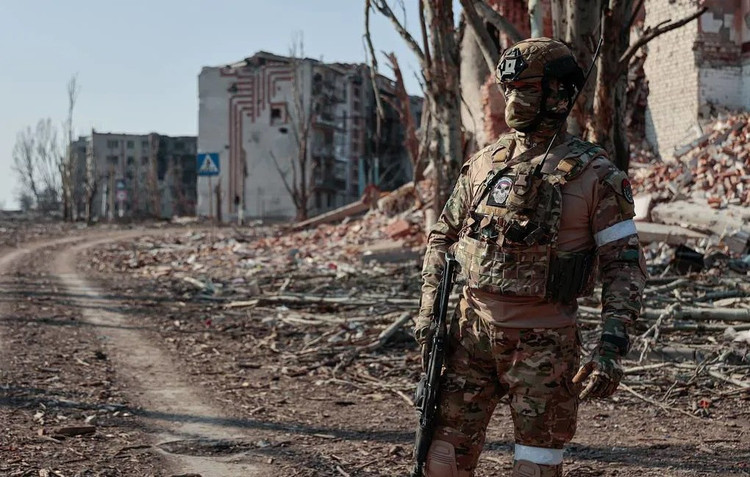
The "Whisper of the Front" channel reported: "Intense fighting is currently taking place in Zolotoy Kolodez, as Ukrainian forces try to push Russian troops out of the village, but without success; the RFAF is using both thermobaric artillery and UMPK glide bombs to support the infantry, inflicting heavy losses on the Ukrainian counterattack." It is noteworthy that this was the second time the RFAF had captured Zolotoy Kolodez; the first was nearly two months ago, but General Syrsky, having quickly assembled reserves from across the front, pushed the Russians out of the village in a counter-offensive. The RFAF had only just captured Zolotoy Kolodez at that time, so they were unable to establish a solid defense; under the pressure of the Ukrainian offensive, they quickly retreated, ceding the area to Russian artillery and air power, turning it into a "kill zone." When the AFU's counterattacking forces weakened and ran out of steam, the Russian infantry then resumed the counterattack. A similar situation occurred south of Pokrovsk, where reserve forces of the AFU's Dnipro Group, commanded by General Drapatoy, launched a fierce counterattack, forcing the Russians to withdraw from their captured positions on the city's outskirts. However, two months later, the Russians recaptured the positions, while the Ukrainian forces suffered heavy losses. The RFAF channel reported that in the Pokrovsk region, by the evening of October 6th, Russian ground forces, supported by air and ground fire, had captured all the high-rise areas of the city. From these high points, looking north, Ukrainian defensive positions north of the miners' housing area were clearly visible. Ukrainian soldiers posted on social media that foreign mercenaries and the Azov Battalion had retreated to the western outskirts of Pokrovsk.
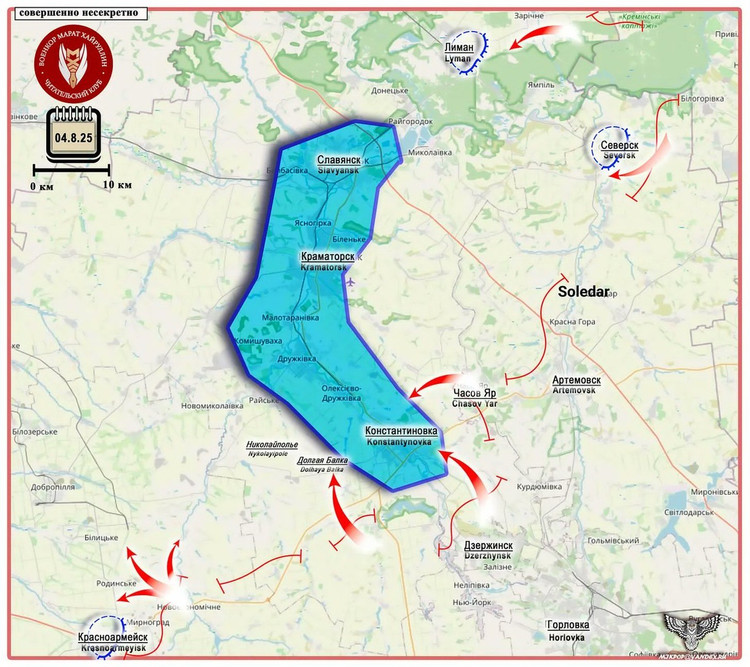
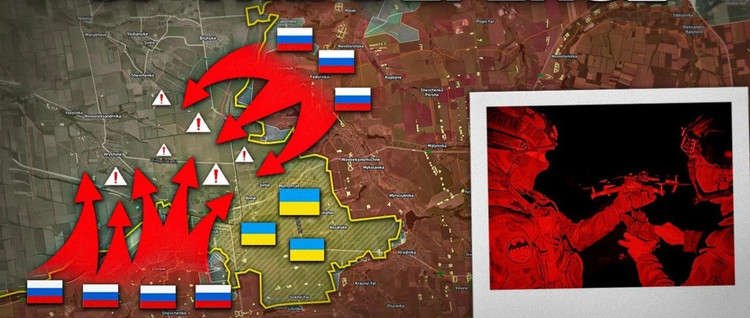
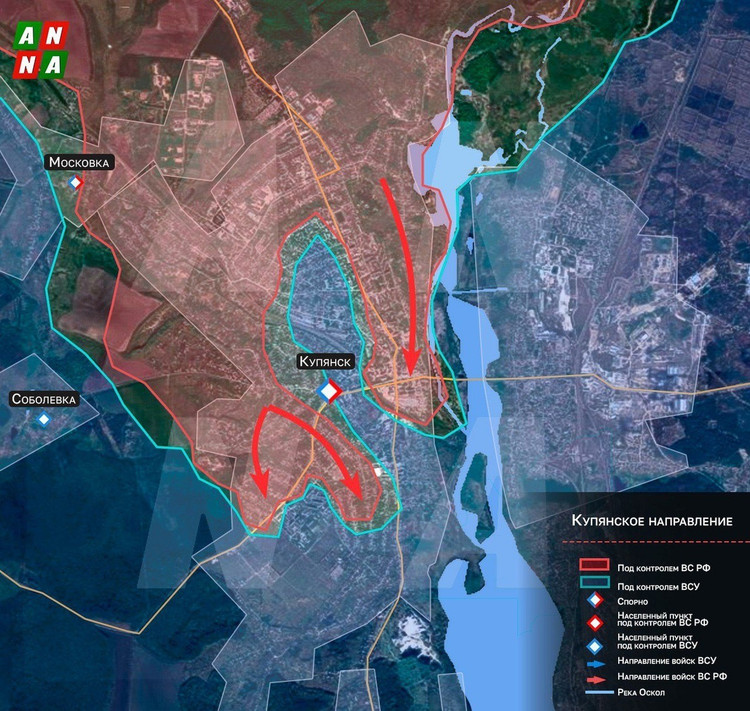
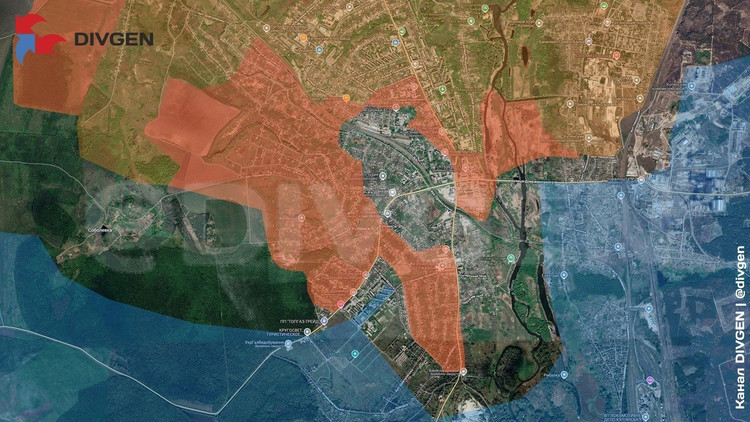
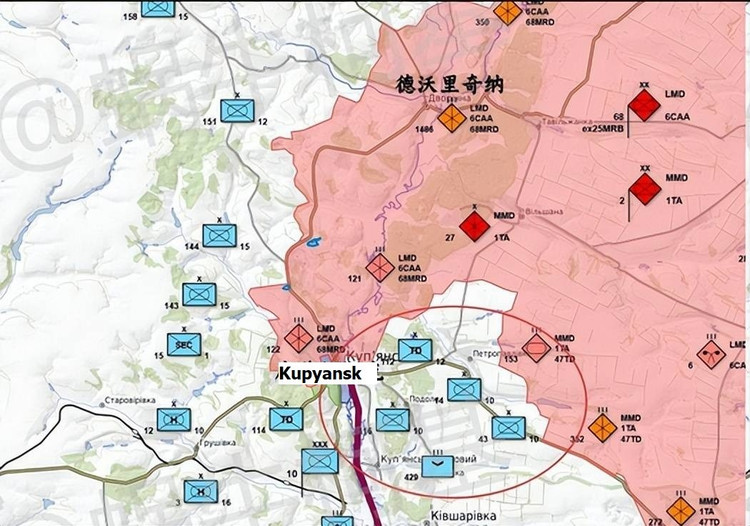
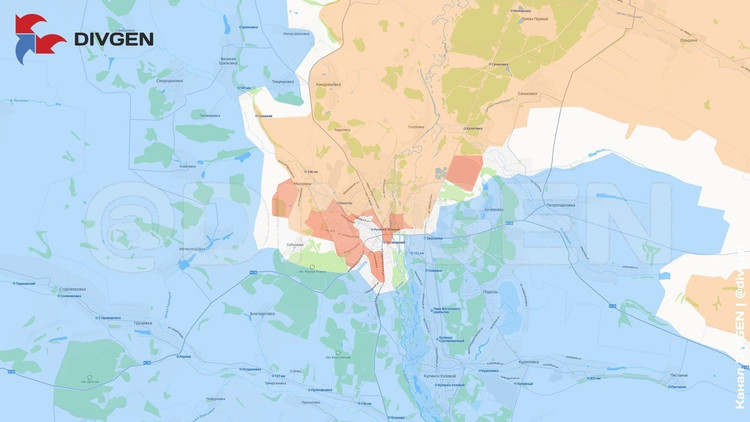
If the Russian forces take advantage of Pokrovsk's current position as a "magnet" drawing Ukrainian troops there to advance more quickly in South Donetsk, they will continue westward to the Dnepropetrovsk province to "reinforce their defenses." In the usual rhetoric of the AFU commander, the city of Pokrovsk is about to "become irrelevant"! The so-called "no longer important" actually means "almost impossible to maintain." The Russian Ministry of Defense 's combat report shows that not only is Pokrovsk "no longer important," but Kupyansk as well! The latest Russian combat report on October 7th, based on information from the Kupyansk front, indicates that the RFAF has completed the encirclement of the city center. The remaining Ukrainian forces in the city of Kupyansk have largely withdrawn into "guerrilla warfare"; fierce fighting is taking place in the suburbs leading to Kupyansk-Uzlovaya. The Russian Ministry of Defense revealed that they control 5,667 out of 8,667 buildings in Kupyansk, equivalent to two-thirds of the city's area.
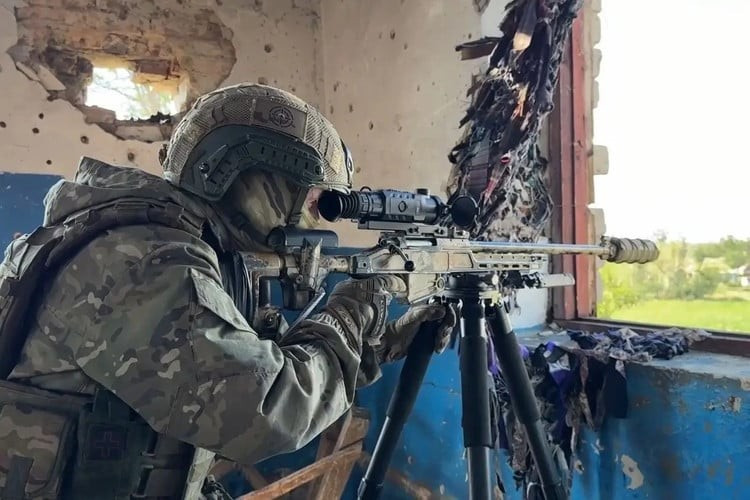
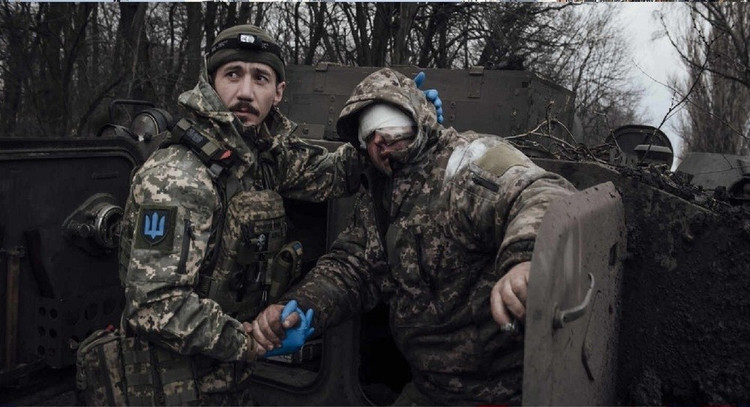
Additionally, the Military Summary channel reported that the RFAF has surrounded a large AFU force in Kupyansk. Three brigades of the Ukrainian 10th Corps, responsible for the defense of Kupyansk, are trapped east of the Oskil River. The RFAF is currently "luring" the Ukrainian 143rd and 144th Brigades east of the city to their rescue. If this tactic succeeds, it will allow them to destroy at least five Ukrainian brigades and advance directly to the outskirts of Kharkiv. Given the current situation, the AFU commander will soon declare that "Kupyansk is no longer important." (Image source: Military Review, Rvvoenkory, Kyiv Post).


 Báo Khoa học và Đời sống•12/10/2025




























![[Video] The craft of making Dong Ho folk paintings has been inscribed by UNESCO on the List of Crafts in Need of Urgent Safeguarding.](https://vphoto.vietnam.vn/thumb/402x226/vietnam/resource/IMAGE/2025/12/10/1765350246533_tranh-dong-ho-734-jpg.webp)




























































Comment (0)