

When Vietnam introduced fixed feed-in tariff (FIT) mechanisms for wind power in 2011 and 2018, and for solar power in 2017 and 2020, few expected that this policy would trigger a wave of large-scale investment from both domestic and international giants.
TTC Energy, PECC1 (Power Construction Consulting 1), Trung Nam Group, Truong Thanh Group – pioneering domestic companies – along with foreign corporations such as The Blue Circle (Singapore), AC Energy (Philippines), Super Energy (Thailand)... have invested trillions of VND into solar and wind power projects across the country. They were early adopters, daring to bet big on a young but promising market.
However, after a period of explosive growth, the dream of green energy seems to be casting a gray shadow. Many projects, even those already commercially operational, are struggling due to incomplete payments, receiving only provisional prices, experiencing cash flow bottlenecks, and having their financial plans disrupted. They claim to have invested legally and at the right time, but the "rules of the game" are constantly changing.
With cash flow tightened, investors are struggling.
Speaking to reporters from Dan Tri newspaper , several investors in renewable energy projects shared that their biggest difficulty stems from not receiving full payments for electricity. Numerous wind and solar power plants have been completed and are operating commercially, but are facing serious cash flow shortages, pushing investors into the risk of bad debt and breaching long-term financial commitments.
A representative of a foreign company investing with domestic and international partners in approximately 20 renewable energy projects in Vietnam stated that during the development, construction, and operation phases, the company always adheres to legal and operational standards in accordance with Vietnamese law and international norms. However, the issue arises from the Certificate of Acceptance of Construction Works (CCA) – an administrative procedure under the Construction Law, not a mandatory condition for establishing the Commercial Operation Date (COD) according to regulations prior to 2023.
"At the time of COD (Cash on Delivery), CCA (Certificate of Contribution) was not yet a mandatory requirement to qualify for FIT (Feed-In Rate) pricing. The company hired independent legal consultants and had its internal legal department review the matter, but they still couldn't foresee this detail. As soon as we received the request, we completed the CCA procedures and paid the administrative fine as required," the representative said.
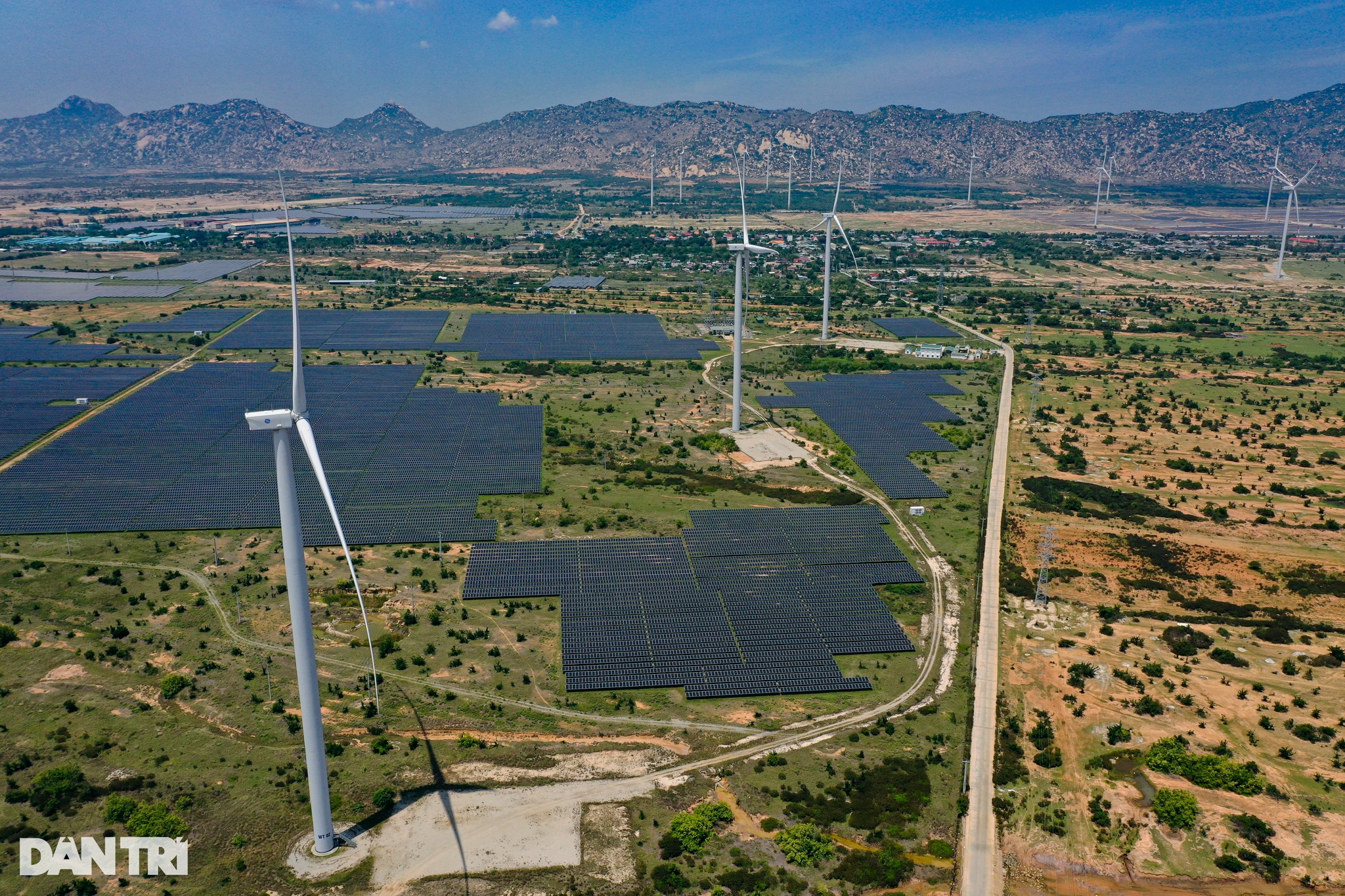
The failure to receive full payment for electricity sales has caused many projects to face cash flow shortages (Photo: Nam Anh).
However, this source pointed out that from the January 2025 electricity bill payment period to the present, the Electricity Trading Company (EPTC) under the Vietnam Electricity Group (EVN) has unilaterally withheld payments and only paid about 50% of the committed FIT price, causing many projects to fall into a serious cash flow shortage. Meanwhile, investors still need to cover costs such as monthly operating expenses (battery cleaning, labor, maintenance...), principal and interest on foreign bank loans...
This person cited a solar power project in Phu Yen (now part of Dak Lak province), which commenced commercial operation on June 30, 2019 – exactly on time according to Prime Minister's Decision 11/2017 on the FIT1 pricing mechanism (9.35 cents/kWh). However, according to Circular 13/2017 of the Ministry of Industry and Trade, the COD deadline for enjoying the FIT1 price is stipulated as "before June 30, 2019," leading to inconsistent interpretations among the parties involved.
Despite the company's assertion that higher-level regulations should take precedence, EPTC has only been making provisional payments of 70% of the electricity price since 2023, without any official explanation.
"Due to a lack of revenue, the company is forced to use 'emergency capital injections' from the parent company to maintain operations. Many loans face the risk of being classified as bad debts if the temporary payment situation continues for an extended period. Some banks have implemented emergency support measures while awaiting guidance from the Government . However, in the worst-case scenario, the company does not rule out the possibility of having to temporarily suspend project operations," this person said.
According to the company representatives, the biggest difficulty is that EVN unilaterally changed the interpretation and implementation of the contract, without basing it on the signed terms, from the CCA issue to the date of application of the FIT price. This puts investors in a passive position and poses significant legal risks.
"The lack of clarity and instability in policies is strongly impacting the confidence of international investors. Several large corporations from Europe and Asia have withdrawn from Vietnam after several years of no progress. For investors who are already present, the level of optimism and willingness to expand is also clearly declining," the representative said.
Regarding the CCA issue, he stated that businesses all hope the government will thoroughly consider this matter because it is an objective cause, not a deliberate violation.
"For large corporations, when comparing multiple markets, they will consider exchange rate risks, legal issues, return on investment, and the level of transparency in policy implementation. When investing long-term, their top concern is policy stability. Any changes in electricity prices, COD timing, or payment terms directly affect a project's cash flow plan for up to 20 years," he shared.
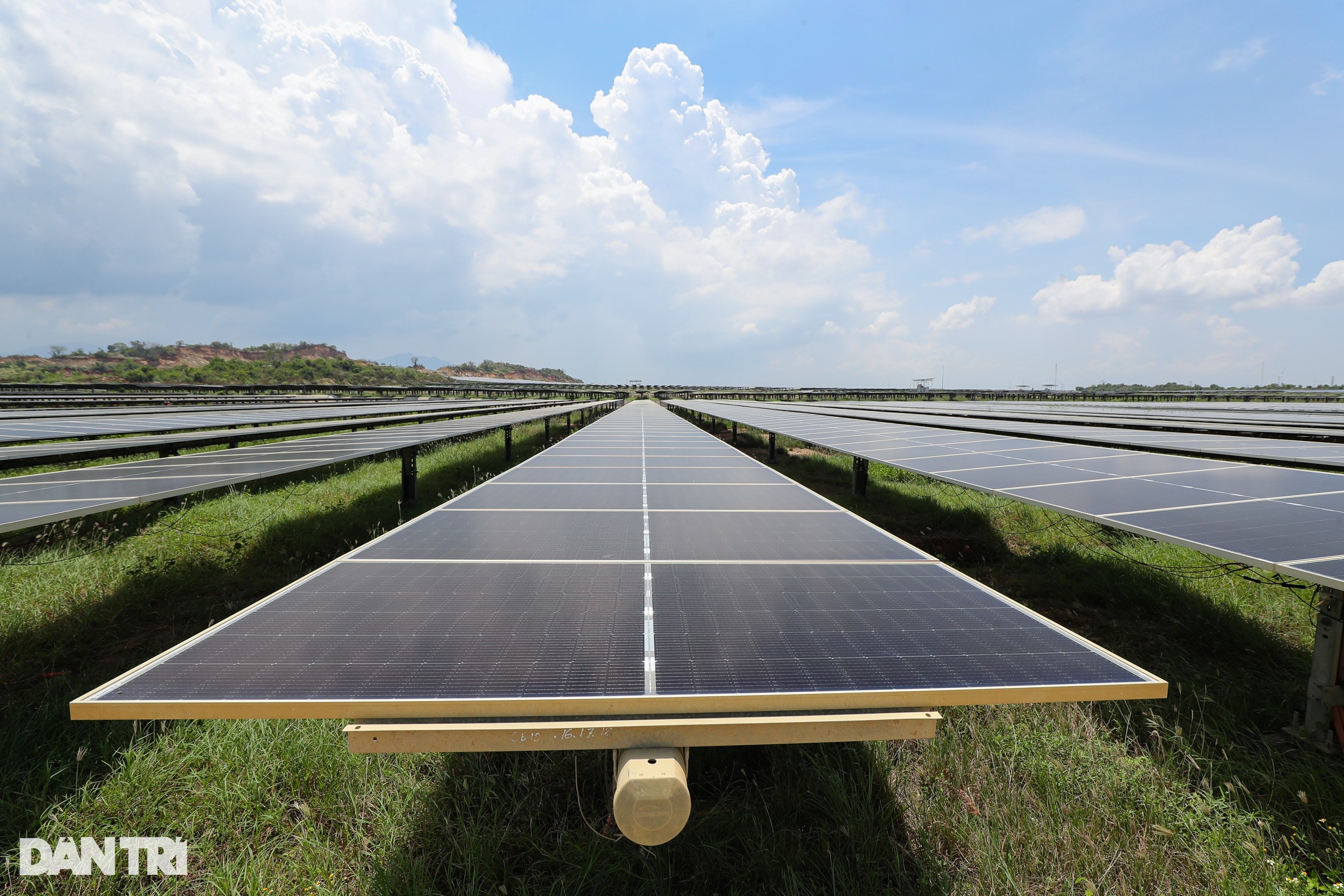
With the introduction of preferential FIT pricing mechanisms, Vietnam has become an attractive destination for international investors (Photo: Nam Anh).
Mr. Nguyen Huu Quang, the legal representative of three solar power projects owned by Dragon Capital with a total capacity of 120MWp, stated that renewable energy is not inherently a highly profitable sector, but the company chooses to invest in it because of its low risk and the promise of a stable cash flow. These factors are what attract international investors to invest in the renewable energy sector in Vietnam.
However, he stated that recent problems, particularly EVN's temporary withholding of payments, the risk of retroactive COD (Cash on Delivery), and electricity prices, are significantly impacting the financial situation of many projects. A solar power project in Quang Tri (49.5 MWp) has had its payments temporarily suspended since January, causing a 45% drop in cash flow. "We are currently working with banks to request debt restructuring. If an agreement is not reached by July 10th, the loan will be classified as a Group 1 non-performing loan," Mr. Quang said.
He warned that if retroactive COD (Cash on Delivery) occurs, businesses will not only lose future cash flow but also risk having to repay the price difference already paid, with a very high risk of project bankruptcy and operational shutdown.
According to this expert, when investing, foreign companies always rely on the project's legal documentation issued by the competent authority. "If even the documents issued by the competent state authority do not guarantee the project's legality, then nothing can be considered safe anymore," he emphasized.
At the time the FIT1 and FIT2 prices were issued, there was no regulation requiring a Certificate of Contribution (CCA) to be recognized as a Commercial Operation Date (COD) or to qualify for the FIT price. Now, invoking the CCA condition again to reconsider electricity price benefits is inappropriate and is seriously undermining investor confidence. "Currently, foreign investors with problematic projects are all in a cautious state. No one dares to think about expanding investment if the obstacles are not handled fairly and transparently," Mr. Quang said.
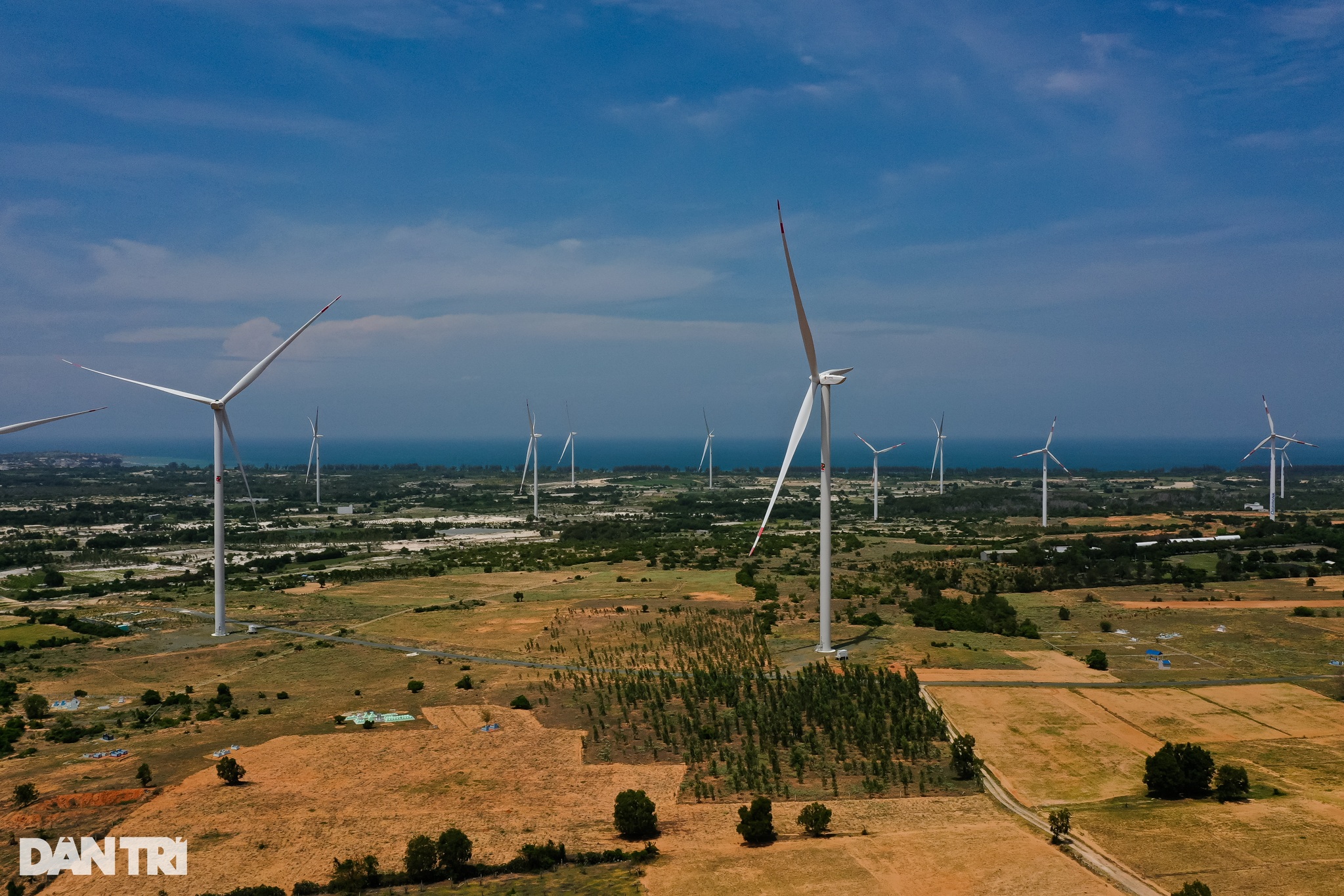
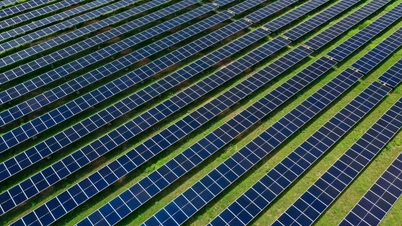
Thanks to the FIT pricing mechanism, Vietnam's solar power capacity has grown dramatically in just a few years (Photo: Nam Anh).
Regarding EVN, he stated that the relationship between EVN and the investor is a contractual one. “EVN is the electricity buyer and cannot unilaterally change the terms of the signed contract. If a dispute arises, the Electricity Department (Ministry of Industry and Trade) needs to resolve it within its authority. This is a unique industry with only one buyer, EVN, therefore a sufficiently strong legal framework and sanctions are needed to protect the rights of the seller,” he emphasized.
According to this source, EVN's current provisional payments lack a clear legal basis. EVN would only be entitled to make such payments if a state management agency issued a document requiring them. "EVN invited the investor for discussions, but then proceeded according to its own wishes. The minutes clearly show the company's disagreement, yet EVN continued with the provisional payments. This makes the dialogue insubstantial and unfair; meetings with EVN are merely ceremonial," Mr. Quang stated.
To date, the total outstanding debt of more than 150 factories/parts of factories with CCA after the effective date of the FIT1 and FIT2 preferential pricing mechanisms is approximately VND 150,000 billion. This expert predicts that if not resolved promptly, this debt could turn into non-performing loans, pushing the non-performing loan ratio of the banking system up by an additional 1.5-2%.
For domestic investors, a representative of one of the earliest renewable energy investment companies in the market shared that during the period of resolving outstanding issues of Power Plan 8 and its amendments, many projects experienced payment delays and only received partial payments according to power purchase agreements (PPAs) signed with EVN due to inconsistencies in documents, especially regarding the acceptance of Certificates of Conformity (CCA) issued and effective by competent authorities.
"This has had an extremely serious impact on the projects' finances. Some projects have been and are facing default on their debt obligations to domestic and international lenders, the company is experiencing difficulties with cash flow and financial balance, and it is seriously affecting business operations," a representative of the company shared.
According to this source, issues ranging from CCA acceptance procedures and FIT pricing to the more serious problem of retroactive electricity price adjustments are posing significant challenges for businesses. The decision by EVN and the Ministry of Industry and Trade to lower the current purchase price by nearly 50% has completely altered the landscape for investors in this sector.
"The failure to resolve long-standing difficulties is creating a risk of losing investor confidence, destabilizing the company's existing financial structures, and jeopardizing opportunities to continue implementing projects under the approved Power Development Plan 8 and its revised version," a company representative shared.
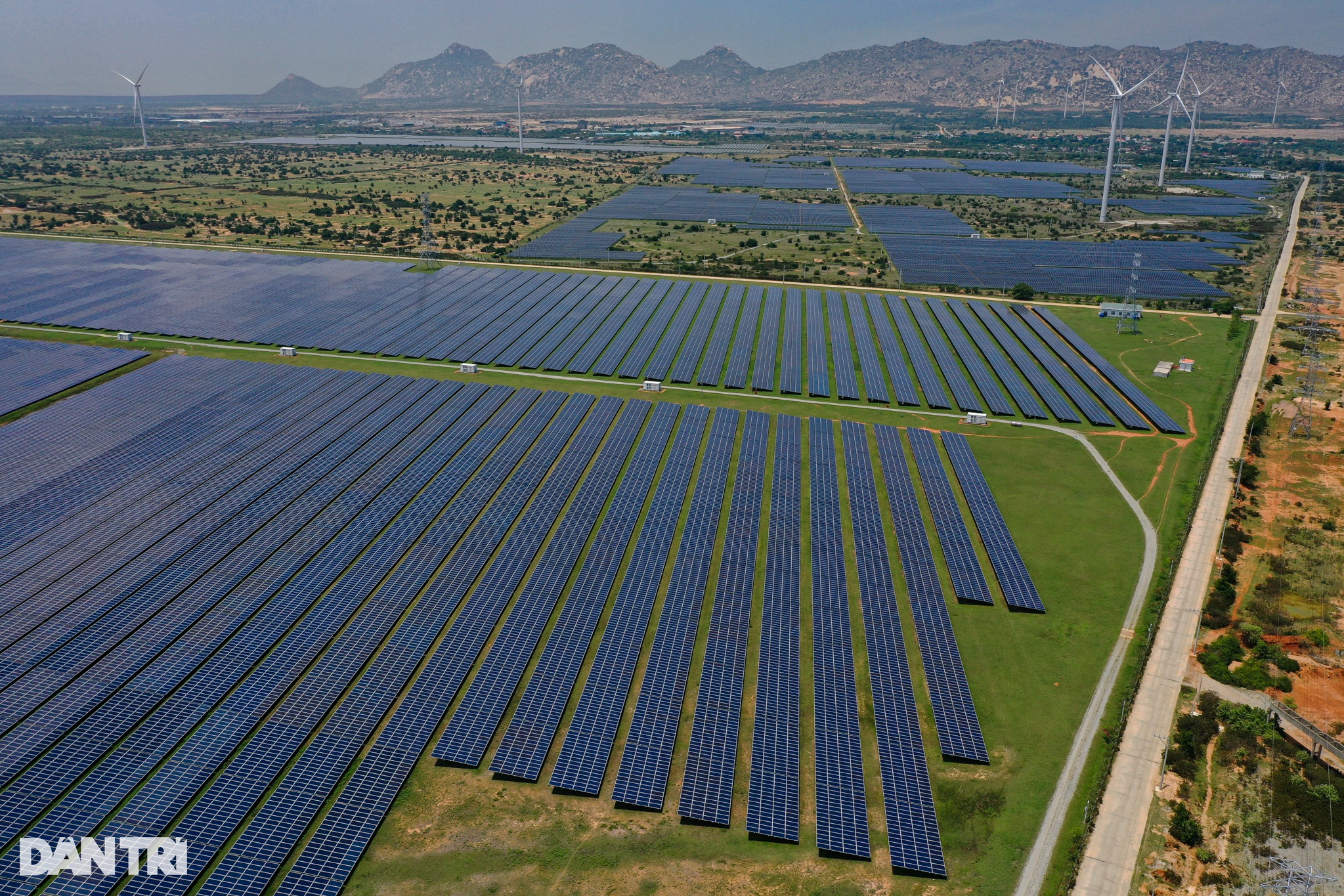
Expert: Stable policies are necessary for development.
In a report submitted to the Ministry of Industry and Trade in April, updating the results of work on renewable energy projects facing difficulties and obstacles under Resolution 233, EVN stated that it had recently proposed solutions for electricity payment for projects encountering problems.
Specifically, 25 solar power plants/parts of solar power plants (with a capacity of 1,278 MWp) currently paying at FIT1 (9.35 cents/kWh) will temporarily be paid at FIT2 (7.09 US cents/kWh) because the time of receiving written approval of the acceptance results coincides with the period of enjoying FIT2.
93 solar power plants/parts of solar power plants (total capacity 7,257 MWp) currently being paid under FIT rates (including FIT1 and FIT2) will temporarily be paid under the transitional ceiling rate, due to written approval of acceptance results after the expiration of FIT2.
For 14 wind power plants/parts of wind power plants (total capacity 649MW) currently paying at FIT prices, payments will be temporarily made at the transitional ceiling price. For power plants that have not yet received written approval of acceptance results, EVN will temporarily pay for operating and maintenance costs.
Subsequently, in a report submitted to the Government on April 22nd regarding the issue of FIT pricing, the Ministry of Industry and Trade stated that although EVN had submitted numerous reports to the Ministry for compilation, the Ministry assessed that EVN's reports did not meet the requirements of Resolution 233, which stipulates "selecting the optimal solution based on analysis, evaluation, and comparison of socio-economic benefits, minimizing disputes, complaints, and impacts on the investment environment; ensuring national energy security and harmonizing the interests of the State and investors."
In a report submitted to the Ministry of Industry and Trade at the end of May, EVN affirmed that the proposed plan is consistent with the Ministry of Industry and Trade's directive (in document 321 dated December 12, 2024), which stipulates: "For projects currently enjoying FIT prices that have violated regulations as concluded by competent authorities due to not meeting the conditions for enjoying FIT prices, they will not be entitled to preferential FIT prices and the electricity purchase and sale price must be recalculated according to regulations; any improperly received preferential FIT prices will be recovered through offsetting payments for electricity purchases."
However, EVN also stated that there is insufficient information to assess the overall impact on the socio-economic situation and the domestic and international investment environment, as this is a macro issue requiring assessment support from higher levels of state management.
In the minutes of meetings and official documents, the investors all mentioned and reserved the right to file complaints and lawsuits in the event that EVN makes provisional payments. EVN believes that the risk of lawsuits and disputes (including international lawsuits) is entirely possible on a large scale.
Therefore, EVN requests the Ministry of Industry and Trade to consider, in coordination with relevant ministries, a comprehensive assessment of the socio-economic impact, risks of domestic and international lawsuits, and impact on the investment environment of the plan proposed by EVN, and then decide on the optimal plan to guide and direct EVN in its implementation.
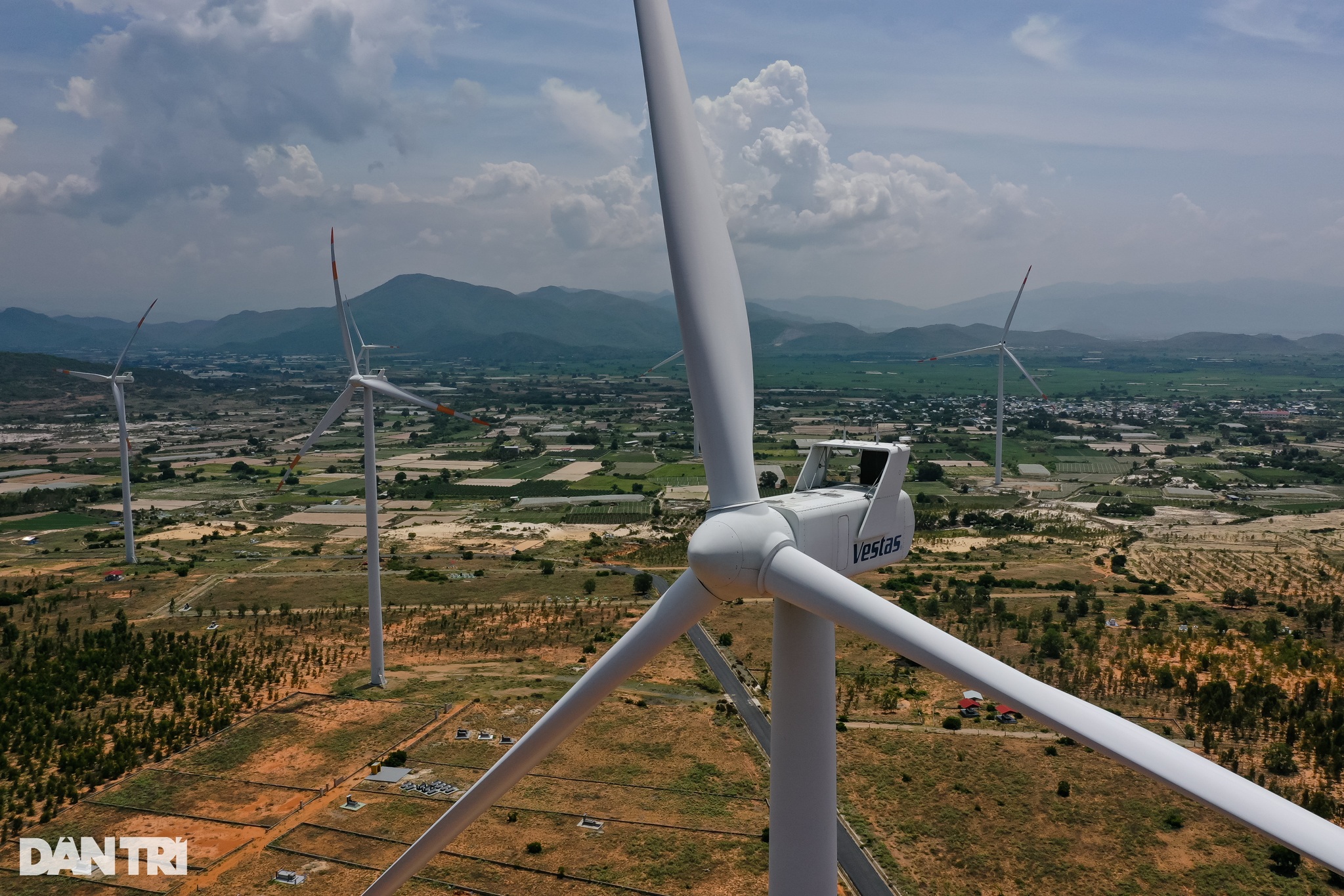
The transition from the FIT mechanism to bidding or PPA with price ceilings is still unclear regarding the pricing method, risk-sharing mechanism, and implementation roadmap (Photo: Nam Anh).
The financial difficulties faced by investors in the renewable energy sector are not only internal problems but also reflect inadequacies in the electricity market's operating mechanism and inconsistencies in policy.
In this context, many experts believe that it is necessary to definitively resolve the issues regarding FIT pricing, the roles of EVN and regulatory agencies, as well as the need for a stable and transparent legal and policy framework to protect investor confidence and ensure long-term energy security.
Mr. Bui Van Thinh, Chairman of the Binh Thuan Wind and Solar Power Association, said that currently, most businesses are facing significant financial difficulties, mainly due to not receiving full payment according to the electricity purchase price committed in the contract. He believes that businesses are suffering losses, but Vietnam's investment environment will be affected many times more if this situation continues.
Regarding the document approving the results of the construction project acceptance, Mr. Thinh stated that this is a regulation under the Construction Law. In renewable energy projects, the investor, consultant, and contractor all conduct internal acceptance testing according to the correct procedures. The presence or absence of a Certificate of Acceptance (CCA) is not a condition of the power purchase agreement and cannot be used as a basis for reviewing a signed contract.
According to Associate Professor Dr. Dang Tran Tho, Director of the Institute of Energy Technology (Hanoi University of Science and Technology), one of the biggest obstacles in the energy transition process in Vietnam is the incompleteness and instability of the policy framework.
To date, despite the issuance of the revised Power Development Plan 8 and international commitments on net-zero emissions, there is still no legal framework for renewable energy (Renewable Energy Law) or energy transition law. This leads to a situation where policies are somewhat fragmented, lacking strong legal binding force, and difficult to implement consistently between the central and local levels. The electricity pricing mechanism after FIT has not been issued in a timely manner, causing investors to lose confidence and delay many projects.
The transition from the Feed-in Tariff (FIT) mechanism to bidding or price-capped Public Purchase Agreements (PPAs) remains unclear regarding pricing methods, risk-sharing mechanisms, and implementation timelines. Furthermore, existing PPA contracts lack strong legal binding force, payment guarantees, or risk-sharing mechanisms related to infrastructure, policies, and legal issues, making it difficult for international financial institutions to participate in long-term investments.
Furthermore, he argued that the overlap between the Electricity Law, the Investment Law, the Land Law, and the Environmental Protection Law is causing many shortcomings in the investment licensing process. According to this expert, one of the prerequisites for the effective implementation of the revised Power Development Plan 8 is the construction and completion of a synchronized, clear, stable, and sufficiently flexible institutional system to adapt to technological and market trends.
According to him, it is urgent to enact a Law on Renewable Energy, which specifically regulates: the scope of regulation of renewable energy types; the rights and obligations of investors; the licensing, connection, and storage mechanisms; legally binding model PPA contracts; and mechanisms for payment of ancillary services and risk sharing. The law should be designed in line with international trends, with consultation from the business community and major financial institutions to ensure feasibility and investment attractiveness.
In addition, guiding documents such as Decrees and Circulars related to bidding for power projects, direct power purchase agreements (DPPA), storage pricing, and technical standards for renewable energy integration also need to be issued soon.
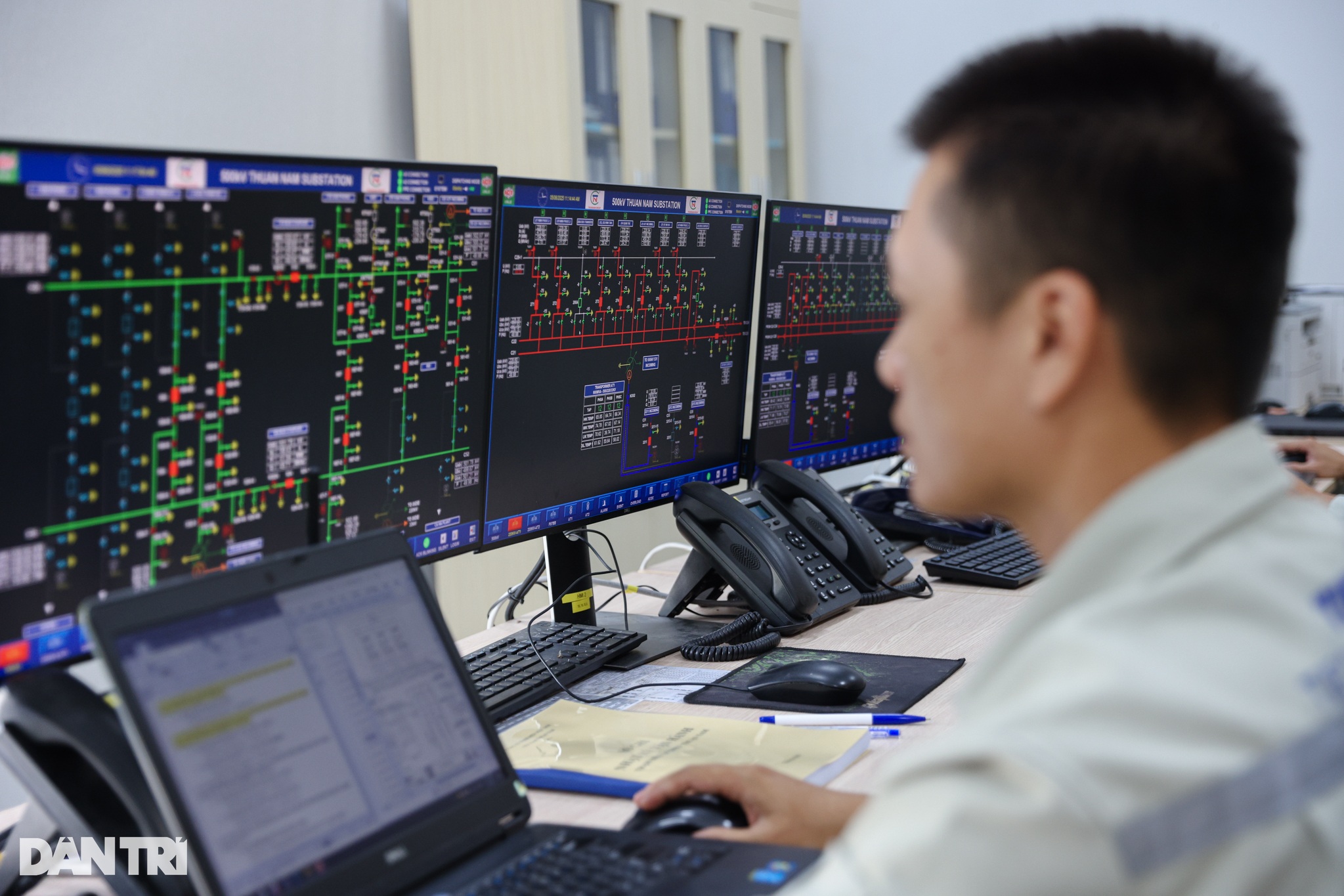
Experts believe that it is necessary to build and perfect an institutional system that is synchronized, clear, stable, and sufficiently flexible (Photo: Nam Anh).
Review each project
On June 28th, the Government Office issued a notice conveying the directives of Deputy Prime Minister Nguyen Hoa Binh regarding the removal of difficulties and obstacles for renewable energy projects. The Deputy Prime Minister criticized several ministries, agencies, and localities for not being truly decisive, and for shirking responsibility, with the Ministry of Industry and Trade, as the permanent and leading agency, bearing primary responsibility.
Regarding the implementation of Resolution 233, the Ministry of Industry and Trade is assigned to lead and coordinate with the Ministry of Justice, the Government Inspectorate, and EVN to review the conditions for enjoying the FIT price for each project, including classifying projects that submitted documents for inspection of acceptance work during the Covid-19 pandemic, and projects with foreign capital.
Specifically, the Government leaders requested these agencies to carefully analyze and assess the impacts, advantages/disadvantages of the proposed temporary payment/recovery of FIT prices by EVN, the risks of disputes and lawsuits, including international lawsuits; determine the difference between the proposed temporary payment value and the payment value according to the signed contract for each power plant; and the costs incurred in case of a lawsuit… and report to the Government for consideration before July 15th.
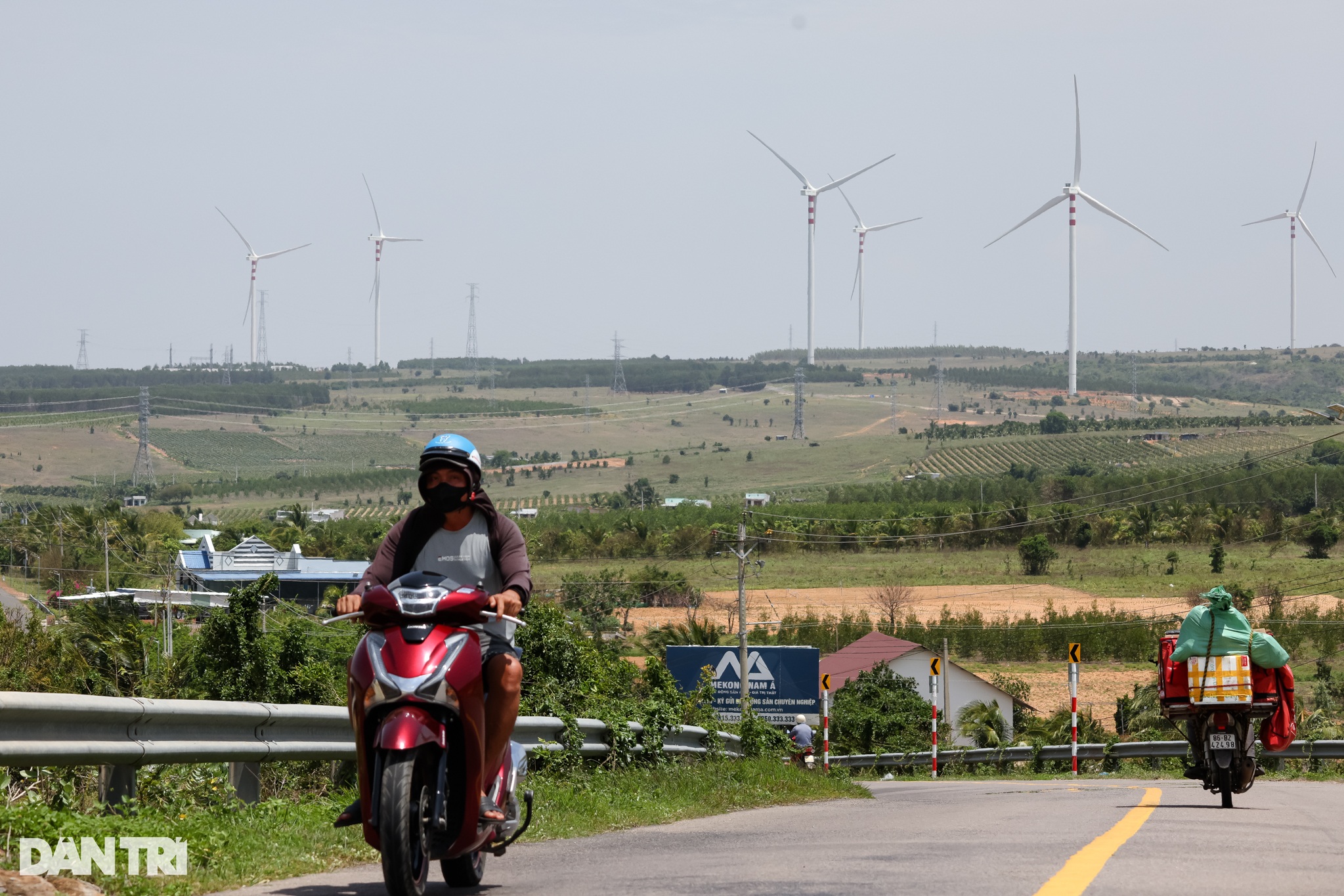
The government has requested relevant agencies to carefully analyze and assess the impacts, advantages/disadvantages, of the proposed temporary payment/recovery of FIT prices by EVN and report back before July 15 (Photo: Nam Anh).
To continue resolving difficulties and obstacles for projects in the coming period, the Deputy Prime Minister also assigned the Ministry of Finance to develop a plan to implement the Politburo's directives, and advise the Prime Minister on tasks and a roadmap for handling problematic projects. The Ministry of Finance will take the lead in guiding ministries, sectors, and localities to review and classify projects according to their authority and coordinate with the Government Office to draft directives, ensuring that no violations or loss of documents occur.
In conjunction with the Government Inspectorate, projects will be classified according to the level of violations, procedural steps, or bureaucratic obstacles to ensure appropriate handling. Projects without violations will not be re-inspected, while projects with violations will be subject to decentralized inspection authority. The Government Inspectorate will develop inspection plans and procedures to guide localities in proper implementation, avoiding harassment and corruption. Localities are responsible for proposing solutions and reporting to the Prime Minister.
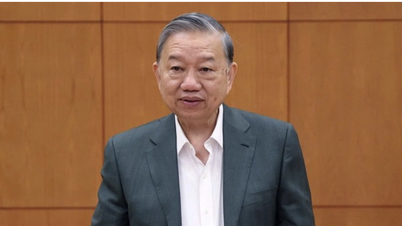
Most recently, on July 7th, at a meeting of the Central Steering Committee on preventing and combating corruption, waste, and negative phenomena, General Secretary To Lam requested the urgent completion of a review to clarify the causes and develop specific solutions for each project and construction that is behind schedule, has been stalled for a long time, has low efficiency, and poses a risk of loss and waste; and directed the decisive resolution of difficulties and obstacles for the two Central Hospital projects; renewable energy projects; and the project to address flooding caused by tides in Ho Chi Minh City.
Climate change is becoming increasingly severe. Energy security has become a vital issue for all nations. The shift from fossil fuels to clean energy is accelerating. In Vietnam, this process is an urgent requirement to ensure sustainable development and comply with international commitments.
The Power Development Plan 8, issued in 2023 and revised in April 2025, set goals for a just energy transition, strong development of renewable energy, gradual reduction of dependence on coal-fired power, and promotion of gas-fired, wind, solar, biomass, and nuclear power. However, the realization process still faces numerous challenges, including many invested projects lacking official electricity pricing agreements, slow upgrades to transmission infrastructure that haven't kept pace with power source development, and a lack of coordination in planning.
The series of articles "Just Energy Transition in Power Plan 8," produced by Dan Tri Newspaper , will reflect the overall picture of the orientation, clarify the current situation in the South, especially in localities with rich potential for renewable energy development such as Ninh Thuan and Binh Thuan, while also recording the thoughts and expectations of people and businesses during the transition process. The series contributes to spreading awareness, promoting policy dialogue, and proposing solutions for a sustainable and efficient energy development future.
Source: https://dantri.com.vn/kinh-doanh/giac-mo-dien-xanh-phu-bong-xam-go-vuong-ra-sao-20250707201311825.htm



![[Image] Vietnam's colorful journey of innovation](/_next/image?url=https%3A%2F%2Fvphoto.vietnam.vn%2Fthumb%2F1200x675%2Fvietnam%2Fresource%2FIMAGE%2F2025%2F12%2F14%2F1765703036409_image-1.jpeg&w=3840&q=75)






























































![[Image] Vietnam's colorful journey of innovation](https://vphoto.vietnam.vn/thumb/402x226/vietnam/resource/IMAGE/2025/12/14/1765703036409_image-1.jpeg)





























Comment (0)