

The role of science and technology in modern agriculture
According to many experts, high-tech agriculture is not only an inevitable trend, but also an effective solution to help improve productivity, quality and added value in agriculture. Applications of high technology, from mechanization, automation to biotechnology, information technology in production management, have created breakthrough changes for Vietnam's agricultural sector.
Statistics show that the country currently has 34 high-tech agricultural zones planned in 19 provinces, many of which have been put into effective operation, attracting large investments and becoming bright spots in modern agricultural production models. This is vivid evidence that, with a suitable legal corridor and mechanism, high-tech agriculture can completely become the main driving force to promote rural economic development and increase the export value of agricultural products.
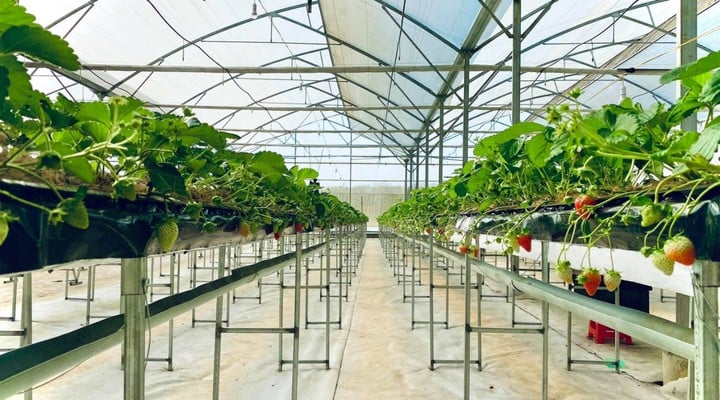
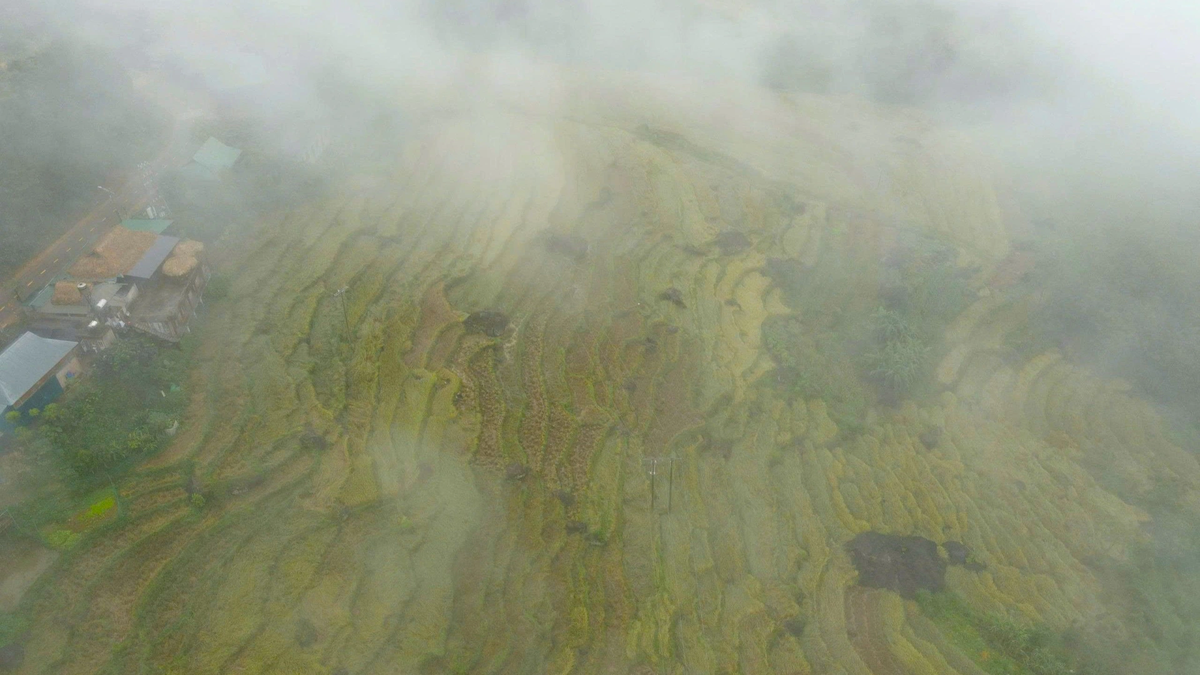
High-tech agriculture is an effective solution to help improve productivity, quality and added value in agriculture.
Many opinions believe that removing regulations on high-tech agriculture in the current Law will create a legal gap, affecting planning, land procedures, organization and assignment of tasks of state agencies. Therefore, retaining and perfecting these regulations is necessary to ensure the legal basis for localities to continue to maintain and develop high-tech agricultural models.
Along with expressing opinions that current regulations should be retained, many delegates also emphasized the importance of perfecting institutions and policies to create development momentum. The draft Law on High Technology (amended) has institutionalized many contents in accordance with the Party and State's guidelines and policies, but to promote sustainable development, it is necessary to study and institutionalize more breakthrough policies, especially in the fields of research and development of high technology, strategic technology and strategic products.
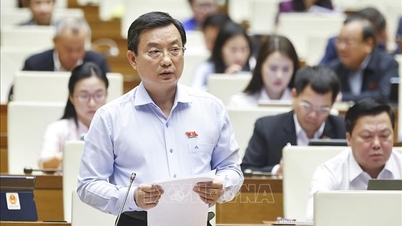
Delegate Pham Hung Thai ( Tay Ninh ) said that maintaining regulations on high-tech agriculture will help create favorable conditions to attract investment in modern agriculture, in line with the policy of rural modernization. High-tech agricultural zones are not only places to produce high-quality agricultural products but also the basis for issuing preferential policies to encourage socio-economic development in rural areas with agricultural advantages.
Linking high technology with sustainable development
The draft Law on High Technology (amended) not only aims at developing the high technology industry in a synchronous manner but also directly links with the country's sustainable development goals. In agriculture, high technology helps reduce dependence on climate change, limit the use of natural resources, improve production efficiency, and at the same time create agricultural products with high export value.
High technology in agriculture also contributes to modernizing rural infrastructure, forming advanced production models, thereby promoting socio-economic development in localities. Maintaining and developing high-tech agricultural zones will create a strong spillover effect, enhancing the competitiveness of Vietnamese agricultural products in the international market.
The amendment of the Law on High Technology poses both opportunities and challenges. The opportunity lies in the fact that, once the law is passed, businesses and localities will have a clear legal corridor to invest in and implement high-tech agricultural projects. At the same time, the Law will create momentum for Vietnam to develop strategic technologies, promote knowledge transfer and strengthen international cooperation in the field of science and technology.
The challenge is to find a balance between innovation and legacy. The law needs to maintain current regulations on high-tech agriculture to ensure stability for ongoing projects, while expanding the long-term vision to adapt to new technology trends, such as digital agriculture, automation, and artificial intelligence in agricultural production.
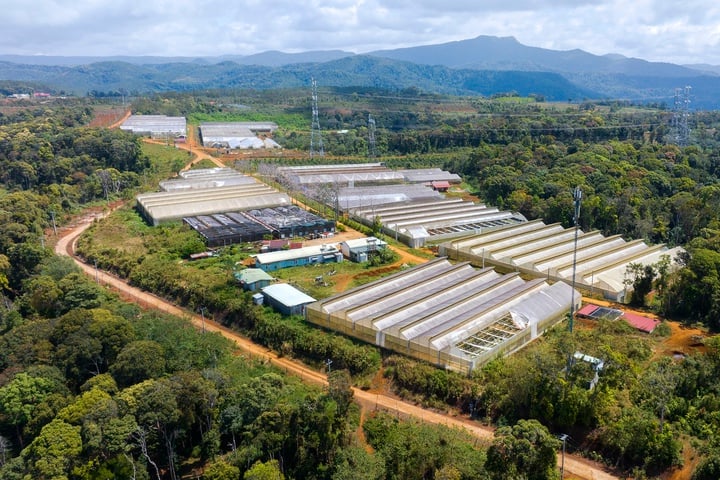
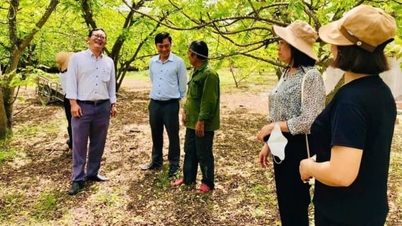
High technology in agriculture contributes to modernizing rural infrastructure.
Maintaining the high-tech agricultural "piece" in the draft Law on High Technology is a strategic step, helping Vietnam continue to develop modern and sustainable agriculture. Maintaining regulations on high-tech agricultural enterprises, high-tech agricultural zones and related incentive policies will help localities and investors feel secure in implementing projects, thereby improving production efficiency and creating added value for agriculture.
The law also needs to orient the development of key high-tech fields, create mechanisms to encourage innovation, improve research and technology development capacity, thereby promoting close links between science, technology and socio-economic development. This is the premise for Vietnam to realize the goal of developing a green economy, digital economy and smart agriculture, towards a modern economy, deeply integrated with the international community.
The Draft Law on High Technology (amended) is one of the important legal documents of strategic significance to promote the development of science, technology and innovation. Maintaining regulations on high-tech agriculture not only ensures stability and continuity but also creates a premise for Vietnam to develop modern and sustainable agriculture, contributing to improving national competitiveness.
Perfecting institutions and policies with a long-term, synchronous vision and a mechanism to encourage investment in high technology will help Vietnam make a breakthrough and develop on the basis of science and technology, towards the goal of building an innovative, modern and comprehensively internationally integrated economy.
Source: https://mst.gov.vn/giu-vung-nong-nghiep-cong-nghe-cao-trong-hanh-lang-phap-ly-phat-trien-quoc-gia-197251117155642277.htm





![[Photo] General Secretary To Lam and National Assembly Chairman Tran Thanh Man attend the 80th Anniversary of the Traditional Day of the Vietnamese Inspection Sector](https://vphoto.vietnam.vn/thumb/1200x675/vietnam/resource/IMAGE/2025/11/17/1763356362984_a2-bnd-7940-3561-jpg.webp)




































































Comment (0)