

The village of Buôn Cư Păm has 348 households, mostly of the Ê Đê ethnic group. Their economic lives are still difficult, and their educational levels are uneven. Previously, due to isolated living conditions and a lack of information, many families still held outdated beliefs, including early marriage or marriage between close relatives.
According to Mr. Y Tloi Niê, head of Cư Păm village, about 10 years ago, consanguineous marriage and child marriage were the most challenging problems in the village. Recognizing the seriousness of this situation, the village's self-governing committee identified awareness campaigns as a key priority.
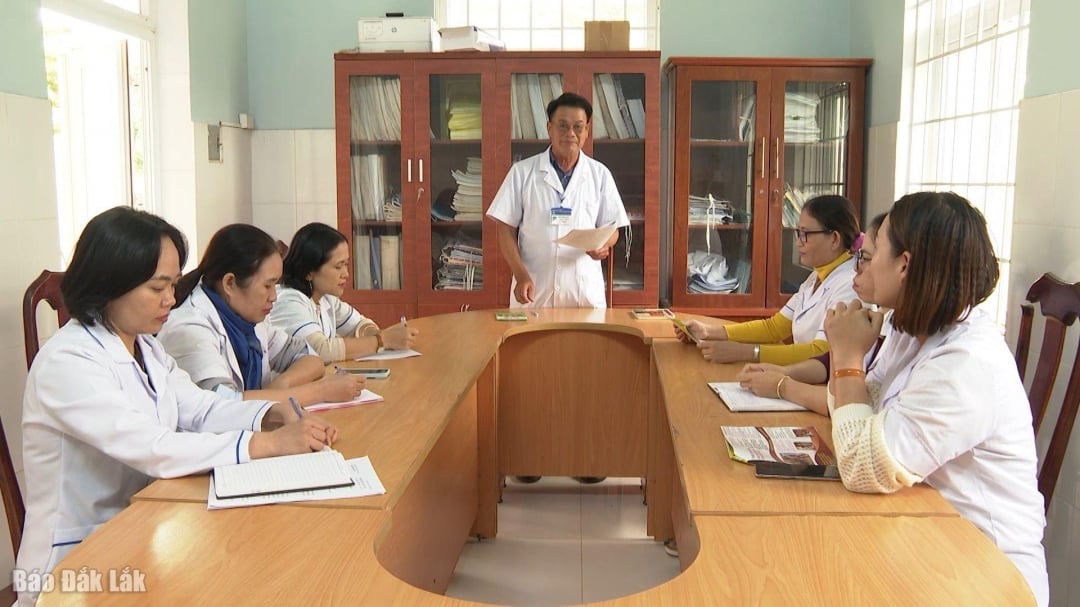 |
| Dang Kang Commune Health Station regularly collaborates with other units to disseminate information about child marriage and consanguineous marriage. |
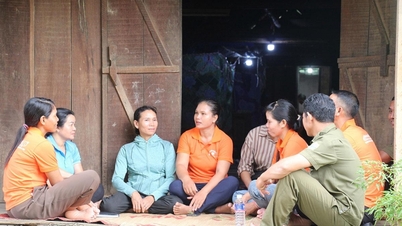
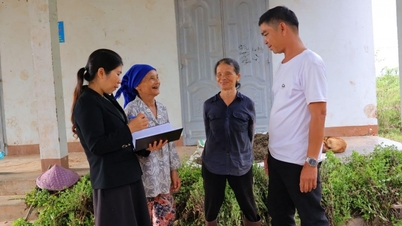
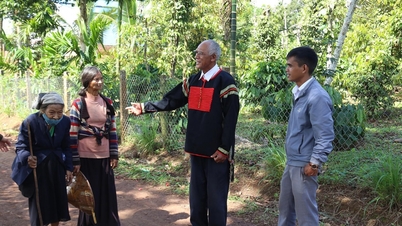
Under the guidance of the Party Committee and the People's Committee of the commune, the village has implemented many comprehensive solutions, tailored to the specific characteristics of an area with a large ethnic minority population. The approach is to "go door to door," directly meeting with households with children of adolescent age to explain the harmful effects of child marriage and the consequences of consanguineous marriage on reproductive health and life. To increase persuasiveness, the village also collaborates with health officials to communicate through real-life stories about cases of consanguineous marriage and underage marriage, highlighting the negative impacts on health and life.
In addition, the village closely coordinates with organizations such as the Women's Union, the Youth Union, and the Farmers' Association to organize thematic activities in residential areas; integrating the content of propaganda on preventing and combating child marriage into campaigns such as: "All people unite to build a cultured life," "Day for the poor," or the movement "Living a good life and upholding moral values"...
Not only the village self-governing boards, but also schools with a high percentage of ethnic minority students in the commune have intensified propaganda and raised awareness to combat child marriage and consanguineous marriage through various methods.
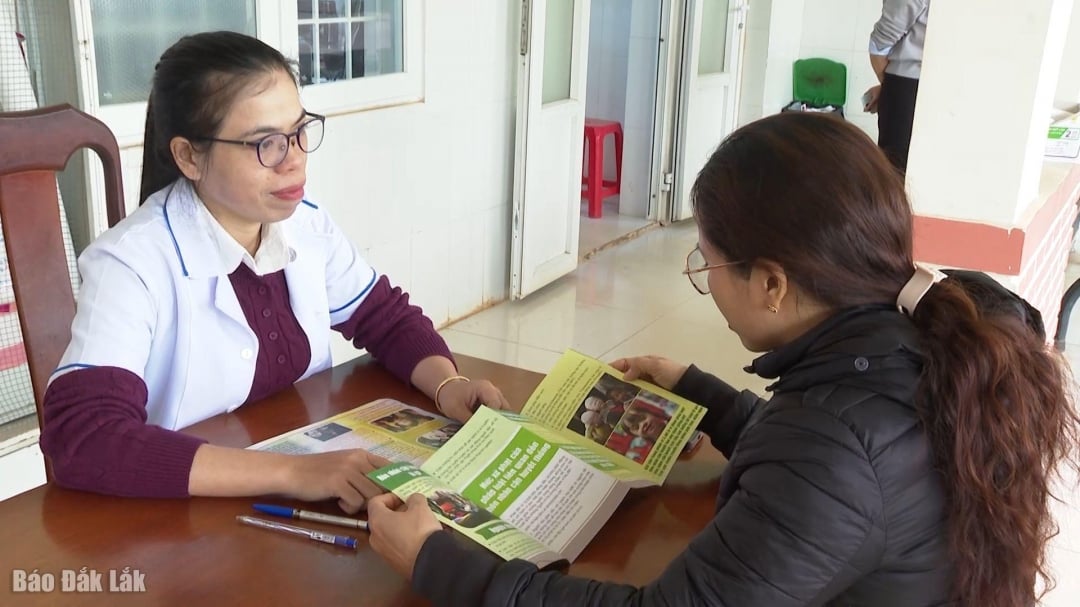 |
| Health workers at Dang Kang commune health station are educating local residents about child marriage and consanguineous marriage. |
Mr. Nguyen Tien Sinh, Principal of Dang Kang Secondary School in Dang Kang commune, said that the school has 447 students, 70% of whom are from ethnic minority groups. Therefore, the school places special emphasis on educating students about sexual health, child marriage, and consanguineous marriage. In addition, the school directs its departments to integrate content on sexual health, child marriage, and consanguineous marriage into lessons, thereby raising students' awareness.
Besides raising awareness among the people, Dang Kang commune also focuses on changing behaviors in daily life, especially regarding wedding customs, through various channels. The commune has effectively utilized the role of influential individuals in propaganda and mobilization efforts. Village elders, religious leaders, and senior citizens serve as important bridges in conveying positive messages to the people.
In conjunction with the Dang Kang commune government, the health sector has also actively and urgently intervened to combat child marriage and consanguineous marriage in the area. Mr. Huynh Tan Hanh, Head of the Dang Kang Commune Health Station, said that in recent times, the health station has actively propagated and mobilized people, especially ethnic minority communities, to understand the consequences of child marriage and consanguineous marriage. The station has collaborated with village self-governing committees and schools to integrate awareness campaigns into meetings and activities, helping ethnic minorities change their behavior to protect their lineage.
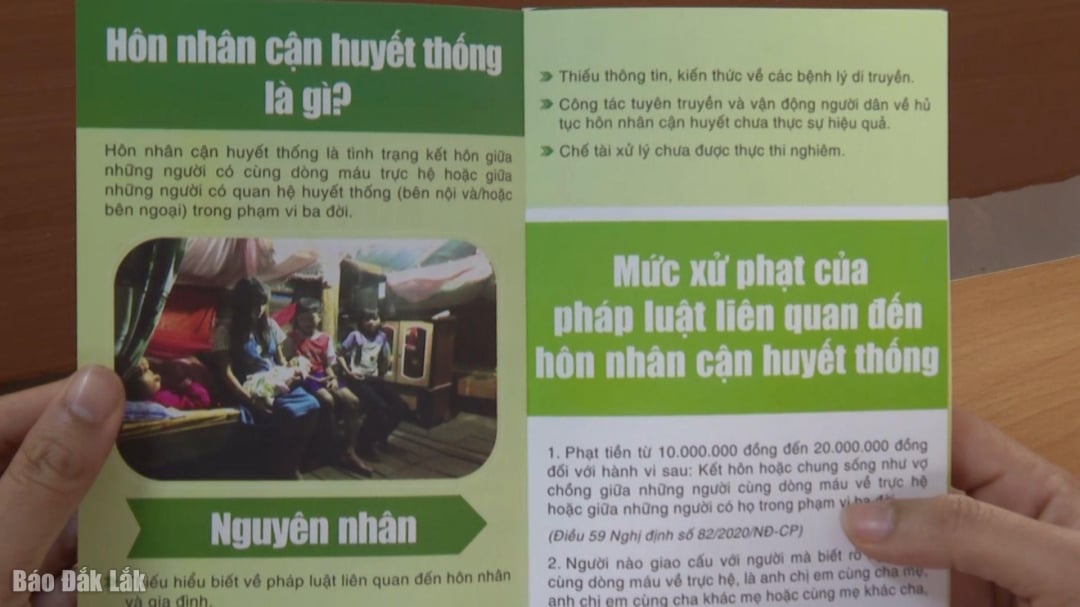 |
| People watch informational materials about child marriage and consanguineous marriage at the Dang Kang Commune Health Station. |
Mr. Tran The Hung, Vice Chairman of the People's Committee of Dang Kang commune, shared that in recent years, the local government has focused on leading, directing, and implementing programs and plans to reduce child marriage, especially in ethnic minority villages. Propaganda work has been carried out directly in the villages, and also integrated into village meetings, Party branch meetings, voter outreach, and activities of mass organizations. In particular, the locality requires village officials to set an example by committing their family members to not violate the law on child marriage. As a result, the rate of child marriage has decreased significantly.
Between 2021 and 2024, the commune recorded four cases of child marriage. However, since the beginning of 2025, no new cases of child marriage have been detected. This demonstrates the positive effectiveness of awareness campaigns and community commitments.
The achievements in preventing and combating child marriage and consanguineous marriage in Dang Kang commune have not only contributed to improving the quality of the population but also promoted socio-economic development and improved the lives of ethnic minorities in the locality.
Source: https://baodaklak.vn/xa-hoi/202512/hanh-trinh-day-lui-tao-hon-o-dang-kang-7fb05a8/



![[Photo] Two flights successfully landed and took off at Long Thanh Airport.](/_next/image?url=https%3A%2F%2Fvphoto.vietnam.vn%2Fthumb%2F1200x675%2Fvietnam%2Fresource%2FIMAGE%2F2025%2F12%2F15%2F1765808718882_ndo_br_img-8897-resize-5807-jpg.webp&w=3840&q=75)




































































Comment (0)