

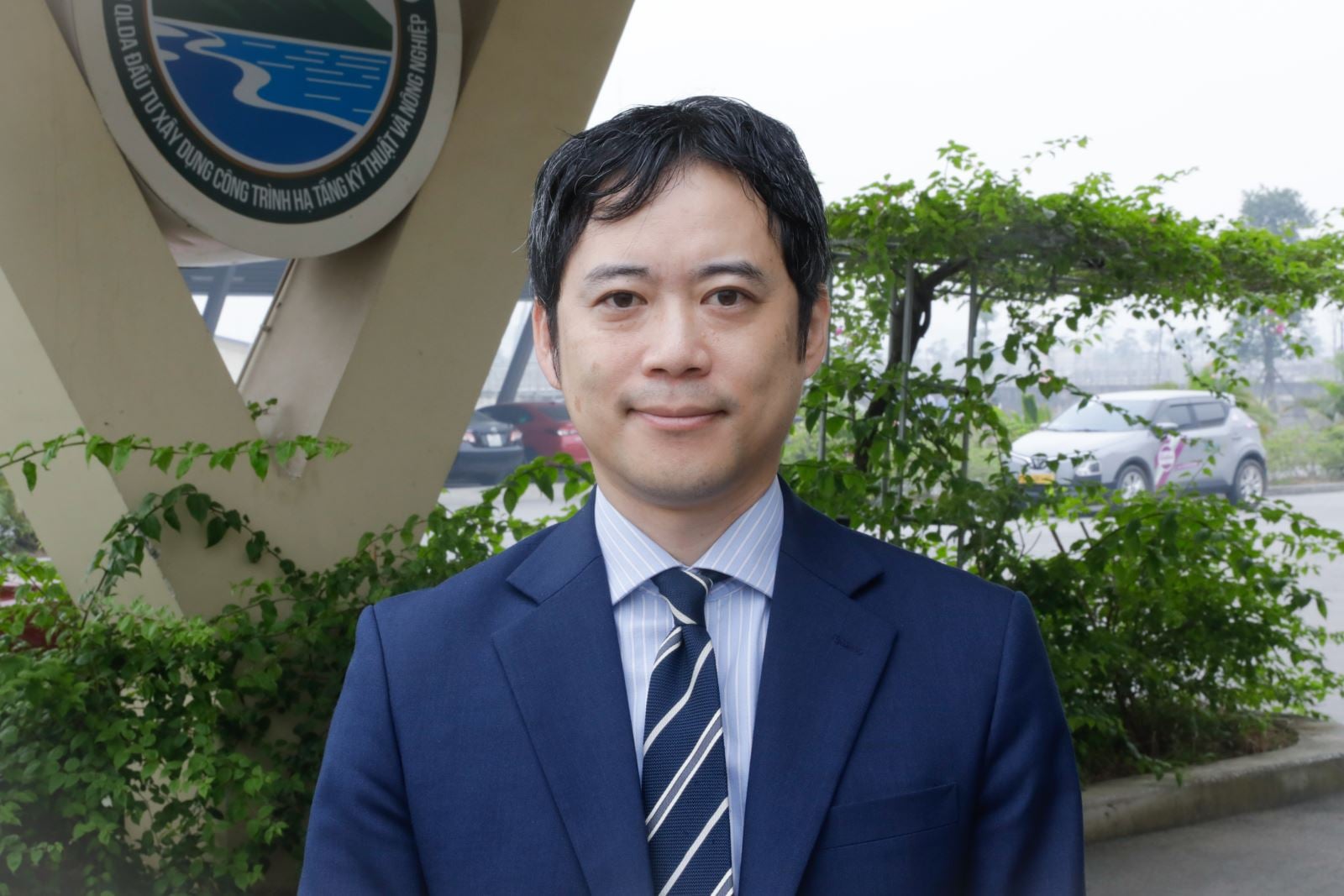
Sir, after a period of operation, how has the Yen Xa Wastewater Treatment Plant ( Hanoi ) contributed to improving the city's water environment?
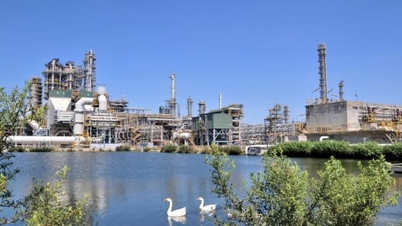
The Yen Xa wastewater treatment plant collects and treats wastewater from areas within the To Lich, Lu, and Nhue river basins of Hanoi City, thereby significantly reducing the amount of untreated wastewater flowing directly into the rivers and making a major contribution to improving the water environment of the capital.
The plant is currently operating at a capacity of approximately 180,000 m3/day and, upon completion, will reach a capacity of 270,000 m3/day, capable of treating domestic wastewater from about 1 million people. Thanks to the Yen Xa drainage system renovation project, the constructed sewer lines can collect rainwater, helping the area with the drainage system to minimize flooding caused by heavy rain.
The Yen Xa project is expected to contribute to improving water quality, reducing pollution, enhancing urban sanitation, and mitigating flood risks. By improving sanitation for Hanoi residents, the project also contributes to improving the quality of life.
The treated water from the plant can also be utilized, paving the way for replicating the model in other environmental projects in the city. Could you elaborate on this, sir?
Currently, treated wastewater from the Yen Xa Wastewater Treatment Plant is discharged into the To Lich River. This is currently the only approved method of discharge. The treated wastewater meets Vietnam's environmental standards, contributing to improving the river's water quality and enhancing the water environment of Hanoi City.
In Japan, treated water from wastewater treatment plants is reused in various ways, for example, for agricultural irrigation, watering trees in parks, washing streets, or stored as a fire-fighting water source in case of natural disasters.
In the future, it is expected that Vietnam will also have solutions for the efficient use of treated water, aiming to promote water resource recycling, minimize environmental impact, and enhance disaster prevention and mitigation.
What is the significance of the Yen Xa wastewater treatment plant in Japan's ODA strategy in Vietnam, sir?
The Yen Xa project is the largest wastewater treatment plant construction project in Hanoi, a crucial project in Japan's ODA cooperation aimed at addressing rapid urbanization and environmental issues in the capital, contributing to pollution control and improving water quality. The Yen Xa wastewater treatment plant has applied and utilized Japanese technology and experience, becoming a symbol of cooperation between Vietnam and Japan. Simultaneously, it contributes to improving water quality, enhancing urban sanitation, and mitigating flood risks in Hanoi.
More importantly, the project contributes to improving the quality of life for the people through improved sanitation conditions. JICA expects that the completion of the wastewater treatment system will encourage Hanoi residents to pay more attention to drainage and environmental sanitation issues.
What areas of environmental infrastructure does JICA prioritize for further cooperation with Vietnam, sir?
JICA will continue to focus on supporting sustainable urban development to address Vietnam's rapid urbanization driven by high growth. In particular, projects like Yen Xa contribute to improving sanitation through the construction of drainage systems, enhancing flood control capacity, and improving drainage infrastructure.
In addition, the development and improvement of urban transportation and public transport is also a key focus area. Combining cooperation in infrastructure with climate change response and disaster prevention measures can enhance urban resilience and improve the quality of life for residents.
What message does JICA want to convey through the "Live Positively" program for students visiting the factory, sir?
JICA hopes that through direct experience of JICA's cooperation, students will not only understand the significance of international cooperation but also develop a proactive sense of contributing to society. JICA aims for national and societal development through sustainable development, which is closely linked to people's lives.
Hopefully, you will realize that, to build a prosperous world , the awareness and actions of each individual are extremely important, so that you can act responsibly for the future and contribute to building a better society. This is not only for the students of the Japanese school participating today, but also for Vietnamese people to pay more attention to development issues and challenges, proactively taking positive actions to build a better society together in the context of Vietnam's strong development.
Thank you very much, sir!
Source: https://baotintuc.vn/xa-hoi/jica-se-tiep-tiep-tap-trung-ho-tro-phat-trien-do-thi-ben-vung-20251215085214111.htm


![[Photo] Two flights successfully landed and took off at Long Thanh Airport.](/_next/image?url=https%3A%2F%2Fvphoto.vietnam.vn%2Fthumb%2F1200x675%2Fvietnam%2Fresource%2FIMAGE%2F2025%2F12%2F15%2F1765808718882_ndo_br_img-8897-resize-5807-jpg.webp&w=3840&q=75)





























































Comment (0)