 |
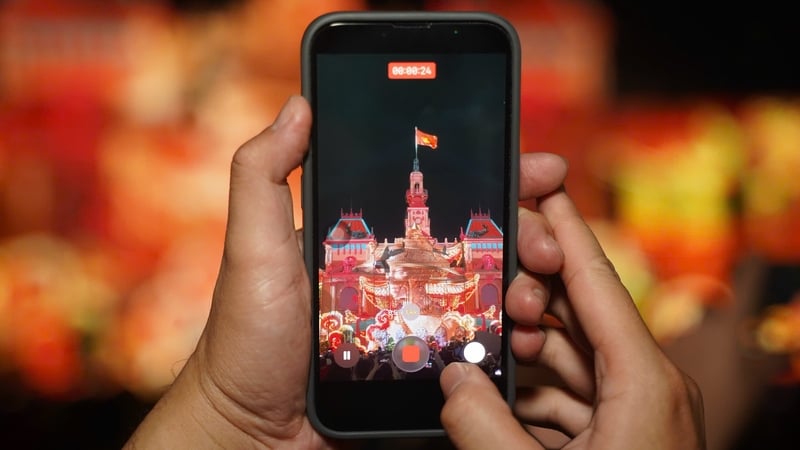
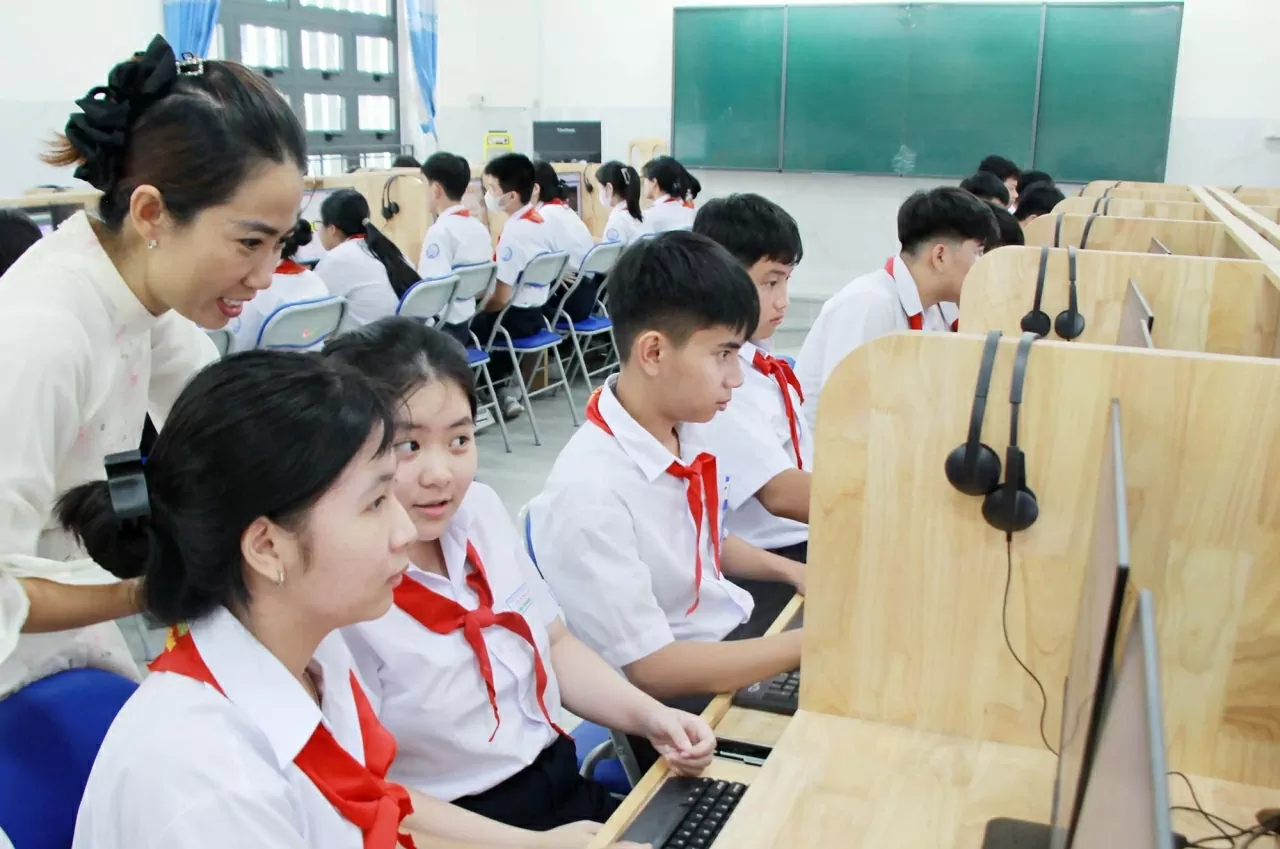
| It's time we built a "digital shield" for students. (Photo: Nga Son) |
Vietnamese children are growing up in a digital world , where knowledge is limitless, but also harbors risks and harm. The question is no longer "should children use the internet?", but "how can we ensure they are safe, kind, and resilient in the online world?".
Many children are caught up in the whirlwind of "likes" and "views," losing their innocence. There have been numerous heartbreaking stories: students being bullied online, lured into "challenge games," having their private images leaked, or experiencing psychological trauma from being compared to their online personas. At an age when they are still learning to love themselves, such shocks leave deeper wounds than even harsh reprimands in the classroom.
Therefore, it's time we built a "digital shield" for students. This isn't a wall to block information, but a protective shield from within. It's a system of skills, awareness, and values that helps them stand firm against the information storm. It must delve into critical thinking, information analysis, understanding privacy rights, and civilized behavior in cyberspace.



Around the world, many countries have incorporated "digital safety" into their curricula as a mandatory life skill. Children learn how to set passwords, identify harmful content, report harassment, and respect copyright and the privacy of others. Vietnam has taken initial steps, but these are still fragmented. Perhaps a systematic and comprehensive program from primary to secondary school is needed, combining technology skills education with character education . Because the "digital shield" is not just software for filtering content, but also the moral immunity within the students' minds.
In each lesson, instead of just teaching students how to search faster, teachers can ask: “What would happen if you shared unverified information?”; “If you were insulted online, what would you do?”. These questions are the first step in helping children understand that the internet is not an invisible space. Every action leaves a trace, and words can save or hurt others.
The family should also be the first classroom for digital safety. Parents shouldn't just forbid things, but should learn alongside their children, setting time limits for device use and analyzing content together. When parents actively participate, children will not see the internet as a "forbidden zone," but as an environment where they can learn under control. Technology itself isn't bad; it's only dangerous when it operates in a vacuum of indifference. Furthermore, schools and society need to cooperate to create a safer digital environment: Online learning platforms need age-appropriate filters; technology companies must be responsible for protecting data and controlling content; and the press and media need to spread the spirit of "online civility" instead of sensationalist headlines and clickbait.
From the perspective of the authorities, a national strategy on digital safety for students is needed, focusing on education and violence prevention. The Ministry of Education and Training could develop digital skills curricula, train specialized teachers, and encourage students to participate in experiential activities and "digital citizen" clubs. Shaping technological habits and ethics from an early age will create a generation of young people who are mature, capable of mastering technology instead of being controlled by it.



A strong "digital shield" not only protects children from online harm but also helps them develop holistically in a new era where knowledge changes every hour but human values remain fundamental.
Source: https://baoquocte.vn/la-chan-so-cho-hoc-sinh-trong-thoi-dai-moi-333971.html