

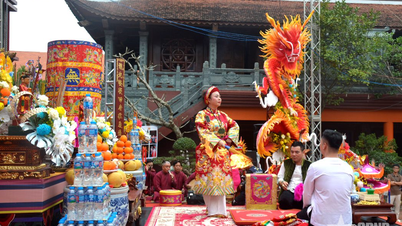
According to the Department of Culture, Sports and Tourism of Lam Dong province, Lam Dong is home to 49 ethnic groups, possessing rich human resources with a strong traditional cultural identity, including diverse and unique customs, architecture, folk festivals, and traditional craft villages, all of which are valuable for tourism development.
In addition, Lam Dong currently possesses 3 national treasures, 7 UNESCO-listed heritage sites, 142 historical relics (including 3 special national relics; 57 national relics; and 82 provincial relics), and 10 national intangible cultural heritage sites. Notably, Lam Dong holds a strategic position in terms of economy, security, and national defense, bordering the Kingdom of Cambodia, the dynamic economic regions of the South and the South Central Coast, the Central Highlands, and the East Sea, with 141 km of border and 192 km of coastline.
In recent years, agricultural and rural tourism has become a sustainable development trend that many countries around the world are pursuing, including Vietnam, with typical and outstanding agricultural, rural, and craft village tourism models that attract both domestic and international tourists.
Lam Dong province is also following this trend, with advantages in climate, soil, and especially the diverse and unique culture of its 49 ethnic groups, creating favorable conditions for developing agricultural and rural tourism products from traditional craft villages, contributing to affirming the Lam Dong province tourism brand on the regional and global tourism map.
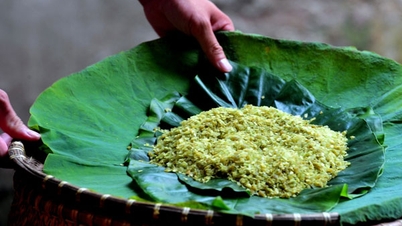
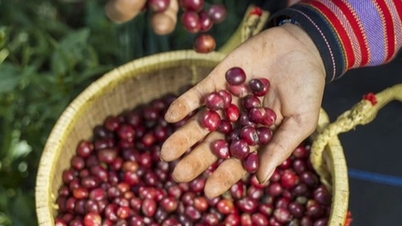
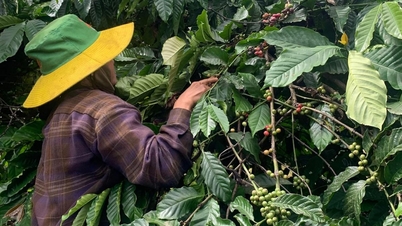
With its large agricultural area, mild climate, and fertile soil, Lam Dong province is famous for its distinctive agricultural products such as vegetables, flowers, strawberries, artichokes, dragon fruit, pepper, coffee, macadamia nuts, and durian. To date, the entire province of Lam Dong has hundreds of farm models, cooperatives, and traditional craft villages, many of which have effectively combined agricultural production with tourism development from traditional craft villages.
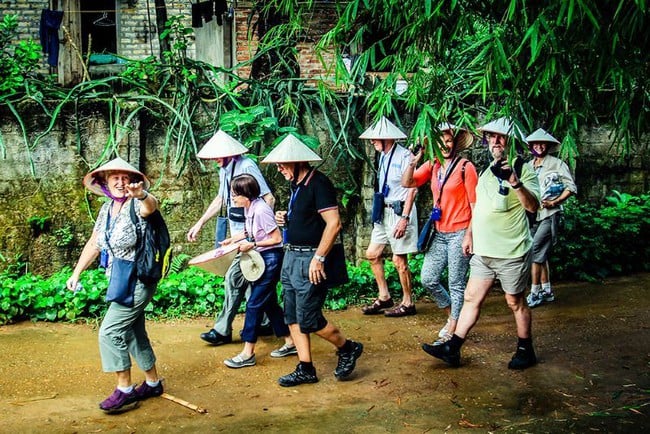
A group of foreign tourists visits a traditional craft village in Lam Dong.
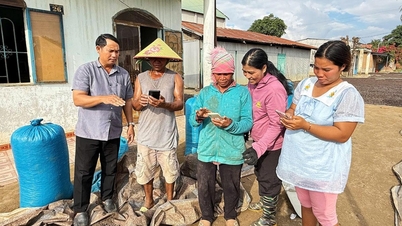
The integration of traditional craft villages with tourism development has brought about many great benefits, such as: contributing to the restructuring of the economy, consuming agricultural products and OCOP products, increasing income, creating jobs for rural workers, improving and enhancing the quality of rural life, and alleviating poverty for the people; at the same time, utilizing local raw materials to create high-value handicraft products and items, serving the needs of domestic and international tourists for purchasing specialties and gifts.
Preserving traditional crafts and honoring the cultural values of indigenous ethnic groups, especially the traditional cultural values of the K'Ho, Chu Ru, Ma, M'Nong, and Cham people in the province, is crucial. Promoting green, nature-friendly tourism, in line with global tourism trends, is also a goal that Lam Dong province is striving for. It can be said that agricultural and rural tourism, particularly in traditional craft villages, is emerging as a sustainable direction, well-suited to the potential and strengths of the locality.
Given the trends and the quick adaptation of tourism businesses in the province, in recent years, Lam Dong province has focused on developing agricultural and rural tourism from traditional craft villages, and has gradually achieved remarkable results, contributing to the growth of the province's tourism indicators.










































































Comment (0)