

The new revenue structure will determine sustainable development.
On the afternoon of April 15th, Minister Nguyen Manh Hung chaired the quarterly meeting on state management work for the first quarter of 2024 of the Ministry of Information and Communications with the managed entities.
Held in a hybrid format combining in-person and online participation across four locations, the conference was attended by Deputy Ministers Pham Duc Long and Nguyen Huy Dung, along with representatives from businesses, associations, media outlets, and publishing houses in the field of Information and Communications Technology (ICT).
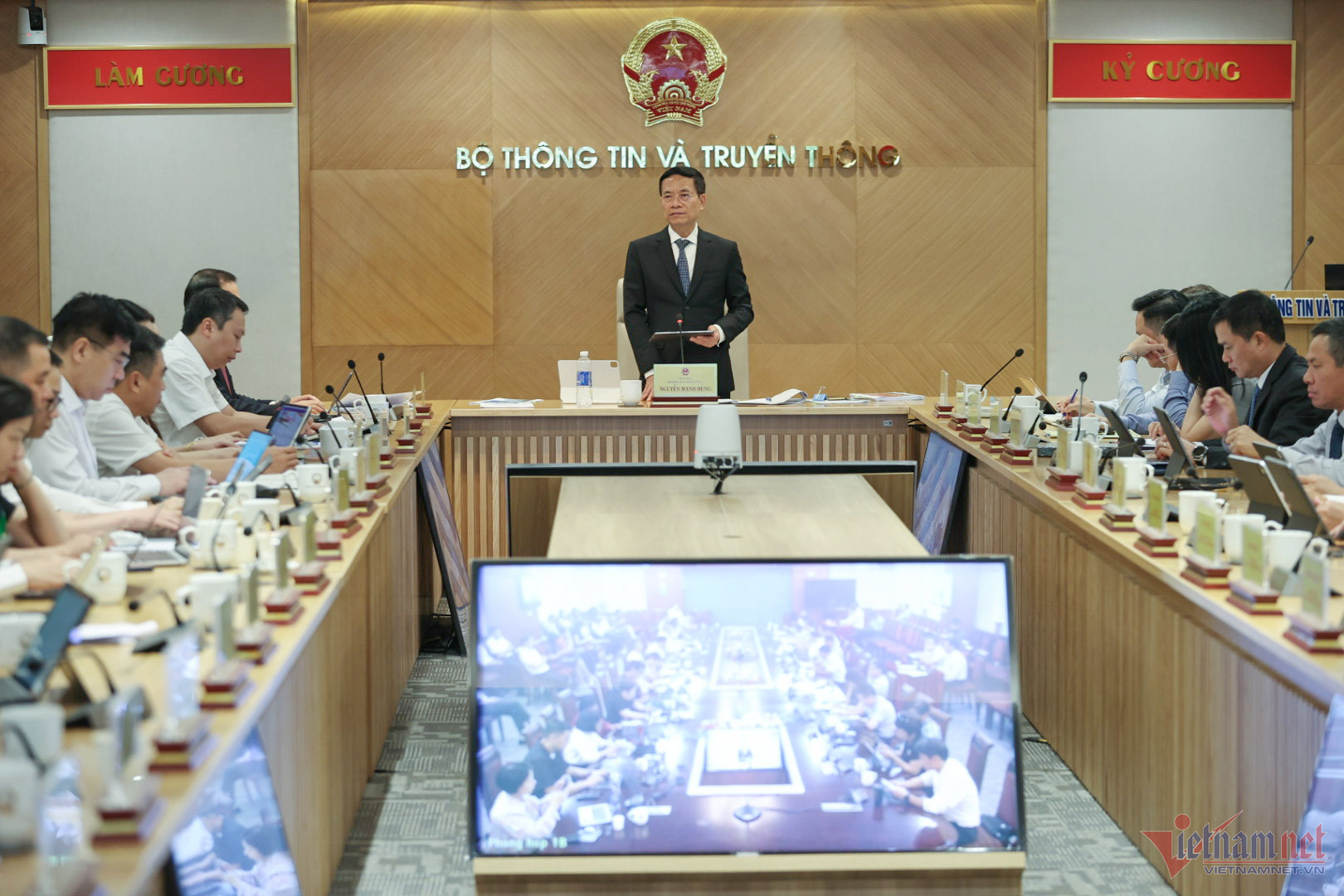
According to the Office of the Ministry of Information and Communications, in the first quarter of 2024, the online system for receiving and processing requests in the information and communications sector received 50 requests from businesses, public service units, press and publishing agencies. As of 2 PM on April 15th, all of these requests had been answered by units under the Ministry.
After carefully reviewing the proposals and responses submitted to the Ministry of Information and Communications in the first quarter of 2024, Minister Nguyen Manh Hung commented that the Ministry's handling and response to proposals has shown significant progress. The questions from the units were of good quality, and the responses from the departments and divisions were also more advanced than before. "I hope that units within the industry will increase their in-depth questioning and pursue issues to the very end. This will help improve the Ministry's state management," the Minister suggested.
The Minister also reminded agencies and units in both the fields of journalism and digital technology about the need for new directions and diversification of revenue sources. The Minister explained that traditional revenue sources are eroding, and units need new revenue streams. On the other hand, new technologies are changing industries, thus creating new revenue opportunities.
"The new revenue structure will determine the sustainable development of a business or a public service unit. Therefore, both public service units and businesses need to pay attention to the fact that the revenue structure determines the future and must proactively restructure their revenue sources," the Minister emphasized.
Emphasizing that the entire Information and Communications Technology (ICT) sector must first undergo its own digital transformation, before becoming the core for digital transformation in other sectors, localities, and businesses, the head of ICT also suggested the simplest and most effective approach: applying existing digital applications.

Regarding the application of AI in daily work, the Minister noted that the narrower the AI application, the more effective, easier to implement, and more intelligent it becomes; the narrower the AI, the smarter it is. Narrow AI refers to AI virtual assistants for specific departments, bureaus, businesses, and media outlets. These departments, bureaus, businesses, and media outlets will provide data and training to create their own virtual assistants, based on LLM platforms developed by technology companies.
Emphasizing the importance of the research and development department for the proper development of an organization, the Minister stated: To develop based on science, technology, and innovation, every unit in the Information and Communications Technology (ICT) sector needs this department. Identifying the right problem and the right issue is the first and most important step in research and development, potentially accounting for over 50% of its effectiveness.
The Minister also outlined to the departments and divisions within the Ministry ways to support the development of domestic digital technology businesses. This involves setting management challenges for businesses to develop software, applications, conduct trials, set goals, and organize procurement. Citing the recent example of the Information Security Department posing several challenges to businesses, the Minister stated that solving these problems helps businesses mature.
Commercializing 5G is important, but 4G networks also need to be better.
At the conference, many encouraging signs regarding the development of Vietnam's digital infrastructure were shared by leaders of various organizations and businesses. According to VNPT IT General Director Duong Thanh Long, VNPT is focusing on developing broadband infrastructure, strengthening international connectivity, developing data centers, cloud computing infrastructure, IoT, and collaborating with domestic and international partners to develop digital platforms.
According to Viettel Telecom General Director Cao Anh Son, since 2020, the company has launched numerous campaigns to upgrade 2G subscribers to 4G. As a result, the number of 2G subscribers on the Viettel network has decreased significantly.
Viettel will continue its efforts to reduce the percentage of 2G subscribers to below 5% of the total network subscribers by September 2024. To achieve this, Viettel plans to deploy approximately 20,000 additional BTS stations, increasing 4G coverage to be equivalent to 2G coverage.
A notable highlight of Vietnam's recent digital infrastructure development is the successful auction of frequency usage rights for two frequency bands: B1 (2500 - 2600 MHz) and C2 (3700 - 3800 MHz).
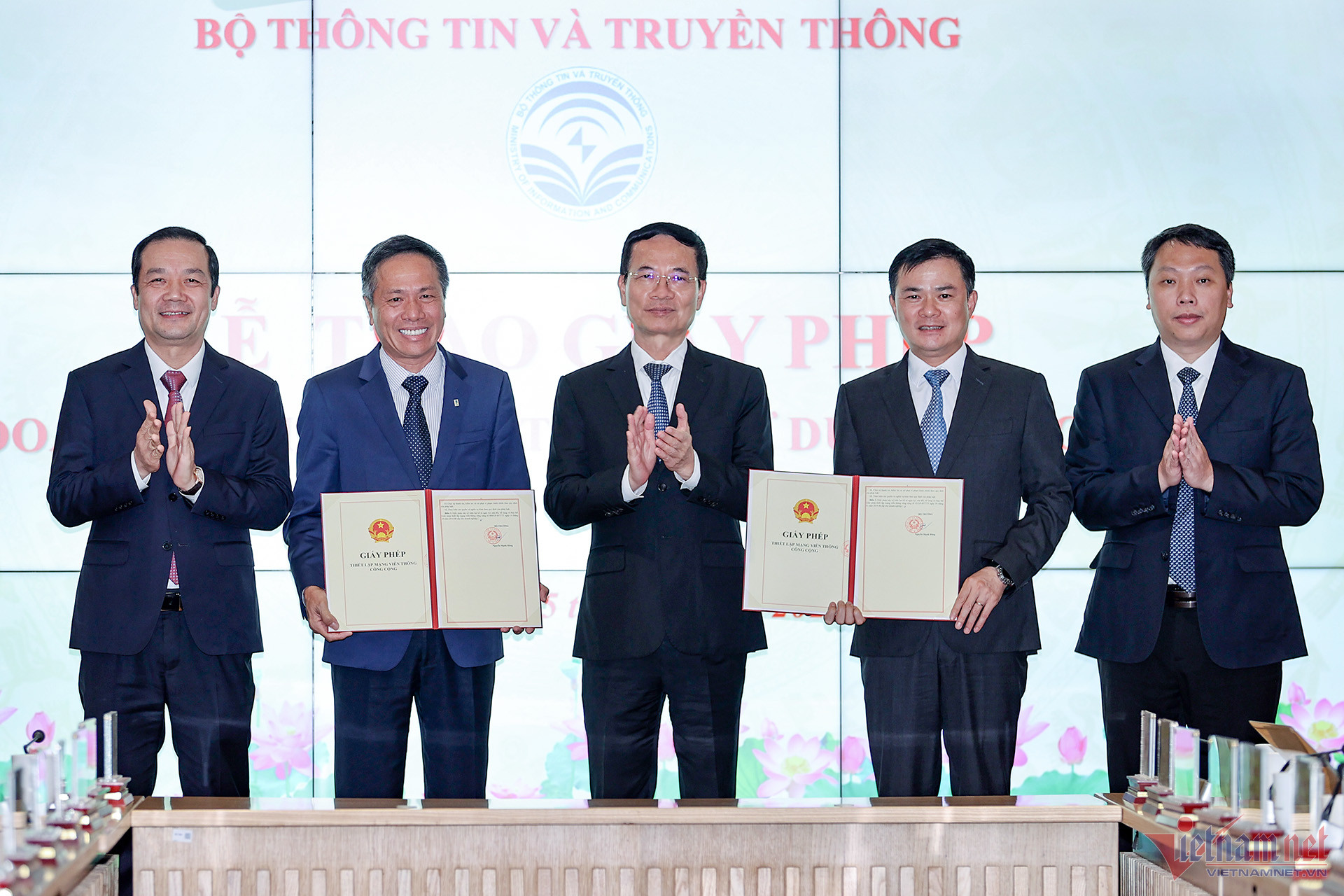
Following the successful bidding between Viettel and VNPT, the Ministry of Information and Communications has granted licenses to establish networks and provide terrestrial mobile telecommunications services using 5G technology, effective from April 11, 2024. At the conference on April 15, Minister Nguyen Manh Hung presented business licenses for terrestrial mobile telecommunications services using 5G technology to the two companies that won the right to own the B1 and C2 frequency bands.
With 5G services about to be deployed in Vietnam, both VNPT and Viettel consider it a strategic priority. VNPT plans to upgrade its transmission system and invest in 1,000 new 5G base stations in 2024. Viettel is also determined to commercialize 5G services this year to provide them to people and businesses as soon as possible.
According to Minister Nguyen Manh Hung, the frequency allocation per network operator and per capita in Vietnam is currently about 40% lower than in other ASEAN countries. This will certainly have an impact on network quality.

During discussions with telecommunications operators, the Minister particularly emphasized the importance of ensuring the quality of the telecommunications network. In the coming years, 4G services will continue to play a dominant role in the Vietnamese market. Therefore, operators need to find ways to upgrade their networks and ensure improved 4G network quality, alongside the deployment of 5G.
"5G is a priority, but 4G is the core network, with high capacity and wide coverage. Network operators need to invest both in 4G and new 5G networks to ensure quality," the Minister stated.
According to the head of the Ministry of Information and Communications, the solution to this problem is for network operators to consider bidding for additional low frequencies, in the 700 MHz band, to improve 4G coverage quality. From the perspective of the regulatory body, to promote the quality of telecommunications networks, the Ministry of Information and Communications will conduct measurements and publicly announce the results monthly.
A new approach to digital transformation, focusing on system resilience.
At the conference, in addition to telecommunications and radio frequencies, after listening to the sharing and exchange of information from various entities under his management, such as Nha Nam Company, Vietnam News Agency, Hanoi Radio and Television Station, the Natural Resources and Environment Newspaper, VinAI Company, etc., Minister Nguyen Manh Hung also gave specific directives to other areas of the industry such as postal services, digital transformation, cybersecurity, digital technology industry, journalism, publishing, and grassroots information.

For example, regarding postal services, emphasizing the important role of this sector as well as the investment in postal infrastructure, the Minister directed the Postal Department to clarify the definition of postal infrastructure and guide postal enterprises in implementing and investing in it.
Besides the responsibility of ensuring fair competition through clarifying criteria, monitoring the market, and handling violations, the Postal Department also needs to periodically measure and publish service quality so that businesses can take measures to improve service quality. “Measuring and publishing quality is one of the effective state management tools, not only for the postal sector but also for other sectors,” the Minister requested.
Regarding digital transformation, in addition to emphasizing the crucial task of revising Decree 73 regulating the management of investment and application of information technology using state budget funds to ensure feasibility, the head of the Ministry of Information and Communications pointed out that in the second quarter of 2024, the Ministry will evaluate and announce model provinces for smart city operation centers and full-process online public services. The Ministry's new approach is to create models, implement them on-site, and then announce the model provinces for other localities to learn from. The Minister also requested that the measurement and evaluation of digital transformation must be online. Everything managed by the National Digital Transformation Bureau must be connected online to the systems of the relevant entities, and paper reports will be resolutely rejected.
The Minister urged agencies, businesses, and public service units to pay attention to data as the most important asset, and the more it is exploited, the more value it creates. He emphasized that digital transformation must be based on data. To promote the construction of databases at ministries, sectors, and localities to ensure they are "accurate, complete, clean, and active," the Ministry of Information and Communications has established a Data Department at the National Digital Transformation Agency. In the coming time, the department will provide guidance to ministries and provinces on building databases.
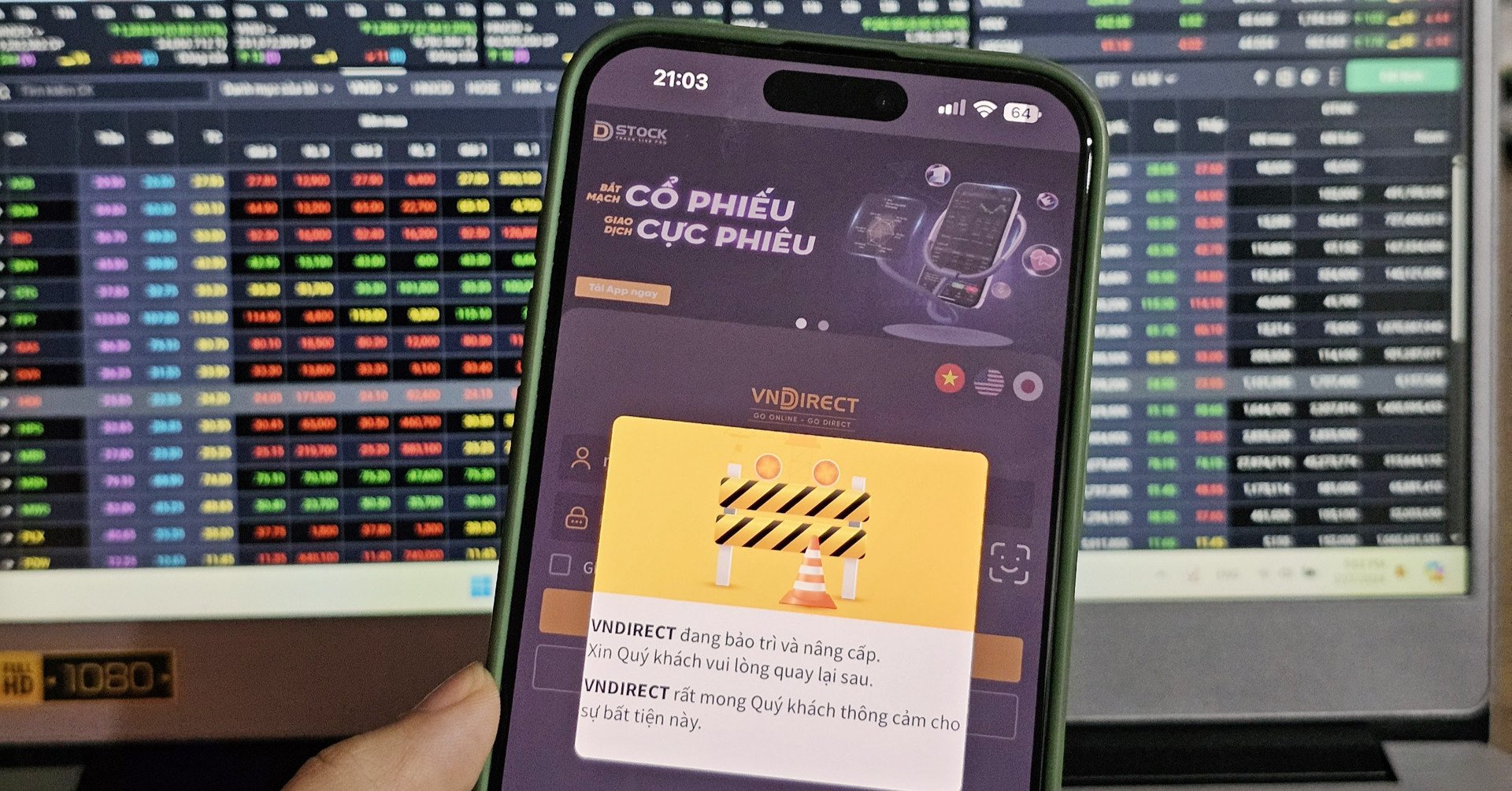
Based on recent ransomware attacks targeting business systems, the Minister noted that this is a good opportunity to review the security level of information security systems and to raise awareness of information security and cybersecurity among agencies, organizations, businesses, and society as a whole. These recent attacks have highlighted the risks and potential damage when organizations are subjected to cyberattacks.
The Minister pointed out that the Prime Minister had issued a directive to comply with legal regulations and strengthen information system security at various levels. Ministries, sectors, localities, and even businesses and units in the Information and Communications sector need to thoroughly understand this directive. The Information Security Department has issued guidelines on implementing the directive, paying particular attention to the resilience and recovery capabilities of the system. "Because we will inevitably face attacks, the crucial factor is the system's ability to recover," the Minister emphasized.
Noting that investment in IT and digital transformation must always include a cybersecurity component with a minimum expenditure of 10%, the head of the Ministry of Information and Communications also requested the Cybersecurity Department to quickly invest in upgrading the system for the National Cybersecurity Monitoring Center, with the goal of enabling this Center to effectively perform both important functions: monitoring information in cyberspace and monitoring attacks, and providing support when units are attacked.

Source




![[Image] Nearly 125,000 Hanoi students completed the Literature exam for the 10th grade entrance exam.](https://vphoto.vietnam.vn/thumb/1200x675/vietnam/resource/IMAGE/2026/05/30/1780117233041_ndo_br_thiet-ke-chua-co-ten-2-png.webp)


































































































Comment (0)