

Change step by step
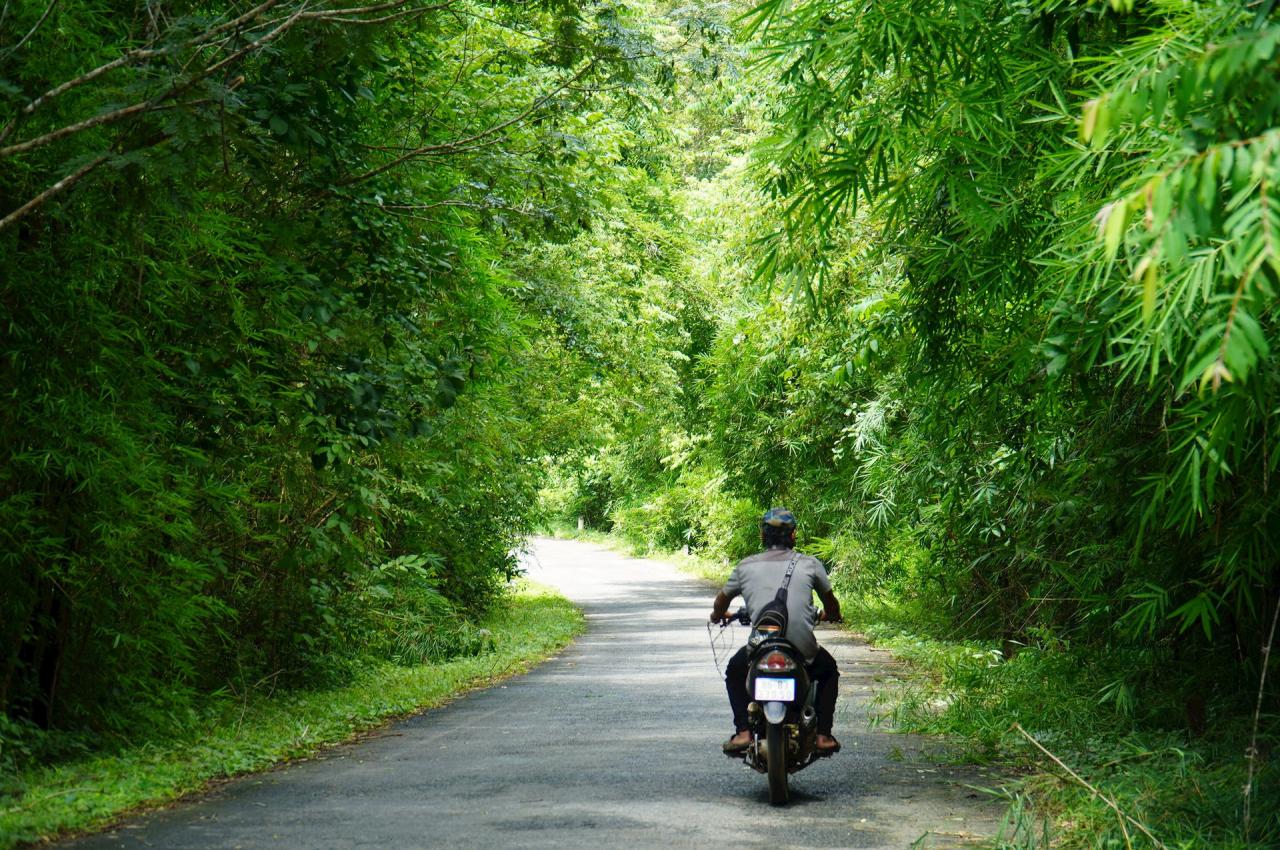
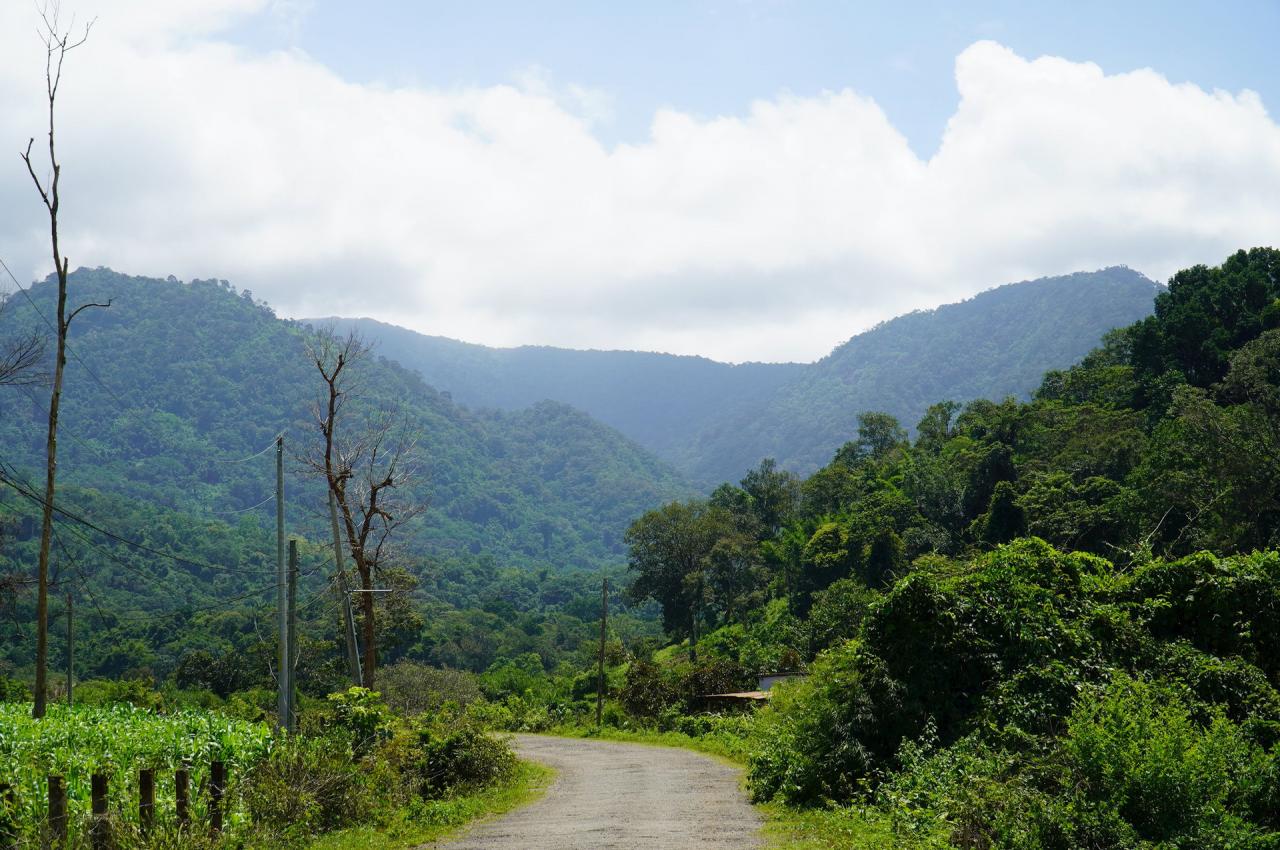
This season, after the rains, in My Thanh, the only road leading into the commune witnesses many groups of people hunting for bamboo shoots, their laughter and calls echoing... More than 20 years ago, when I first started this profession, it must be said that when mentioning My Thanh, at least, it means mentioning the road to the commune center, which crosses streams with flowing water that can sweep away both motorbikes and people whenever the water level rises.
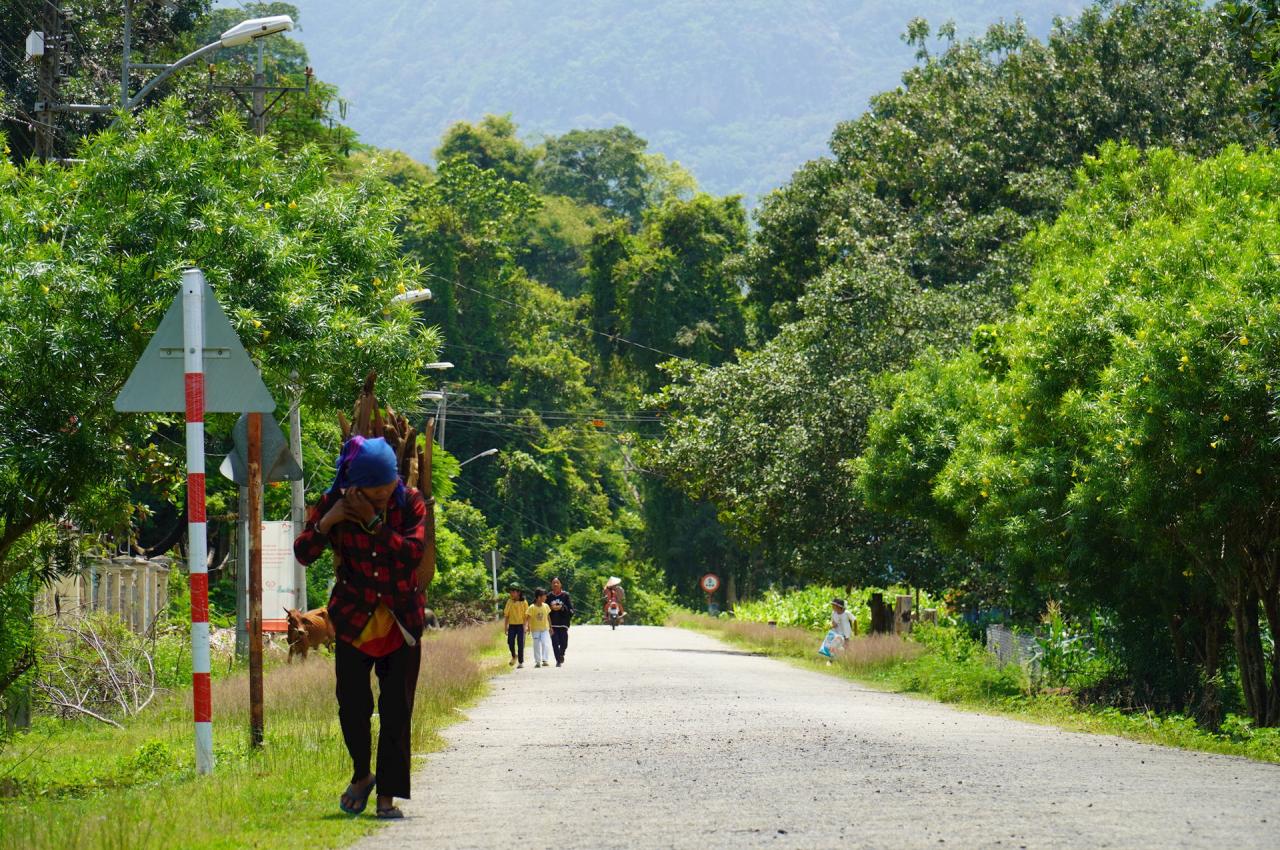
My Thanh was in a very difficult situation at that time. It was the most difficult among neighboring communes like Ham Thanh and Ham Can. My Thanh was isolated deep within the forest. But My Thanh has gradually changed. This change is linked to national poverty reduction programs, giving My Thanh a fresher look and making it a much-needed beacon of hope.
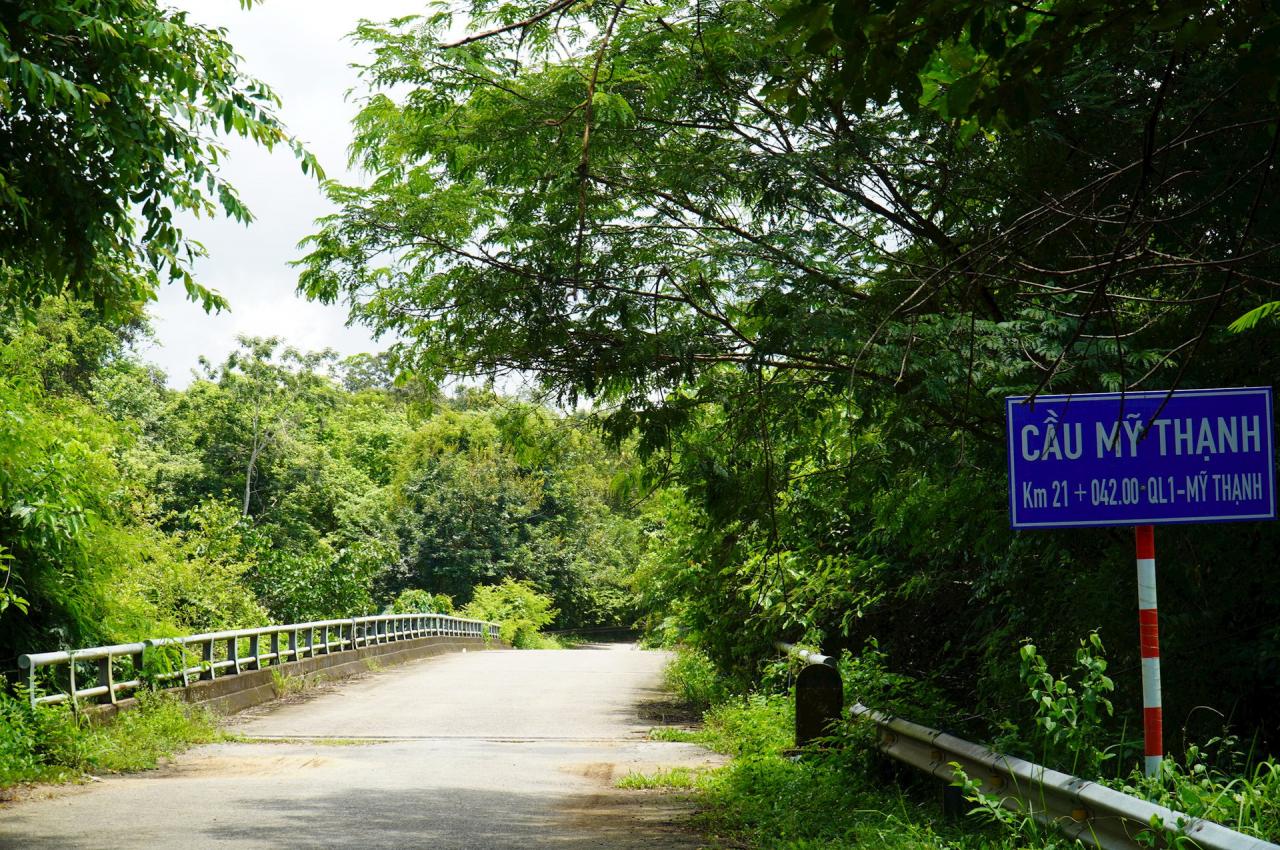
Getting to My Thanh now is no longer a matter of wading through streams; instead, you can cross a sturdy concrete bridge and travel along a smooth asphalt road. My Thanh is fortunate to have many programs and support initiatives for poor households and individuals, with social welfare policies implemented fully and promptly. These have helped alleviate the difficulties of the poor, thereby creating opportunities for them to find jobs, increase their income, and improve their family lives. During one of the most challenging times, after two waves of the pandemic, when people, especially ethnic minorities, were still struggling to stabilize their lives, the project to support the breeding of dairy cows, part of the National Target Program for Sustainable Poverty Reduction, served as a key to giving the people more confidence.
The "target" herd of cattle
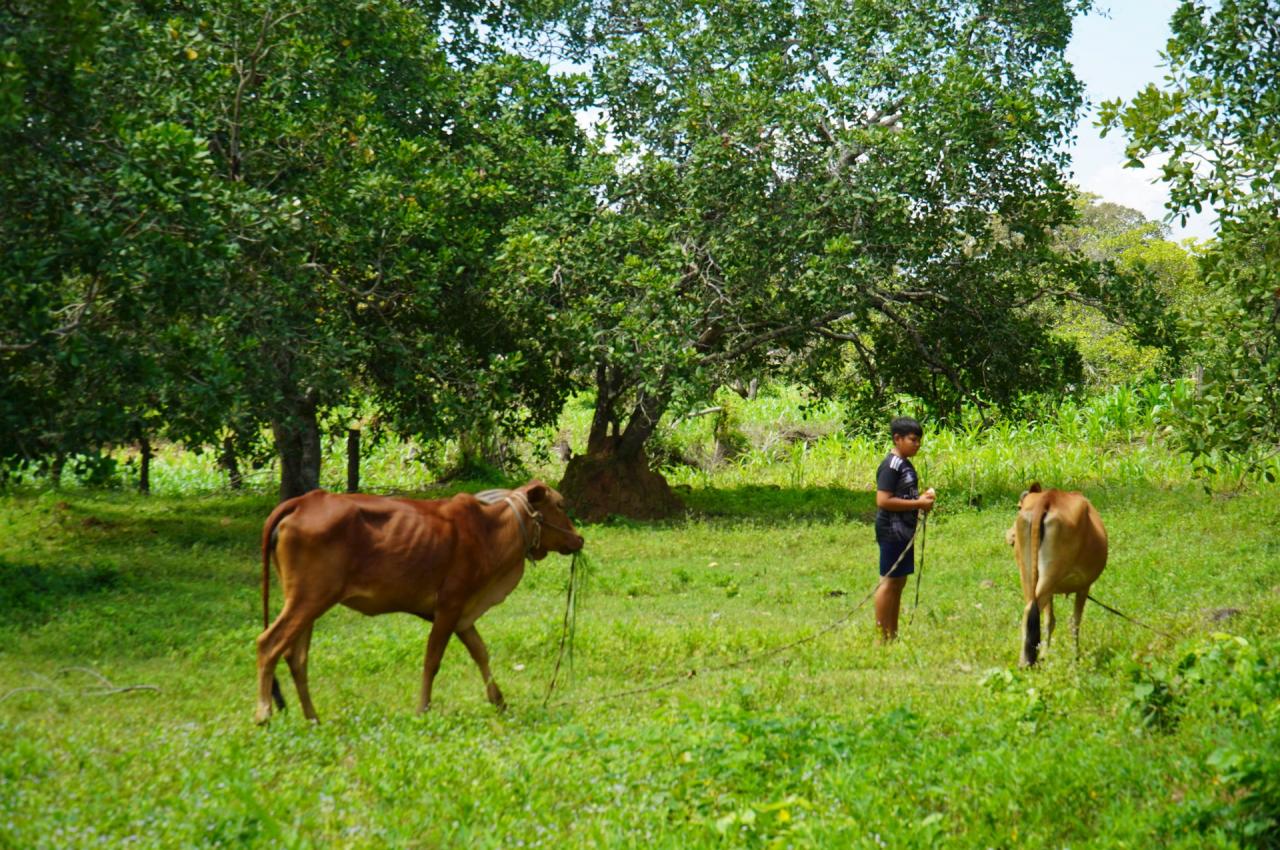
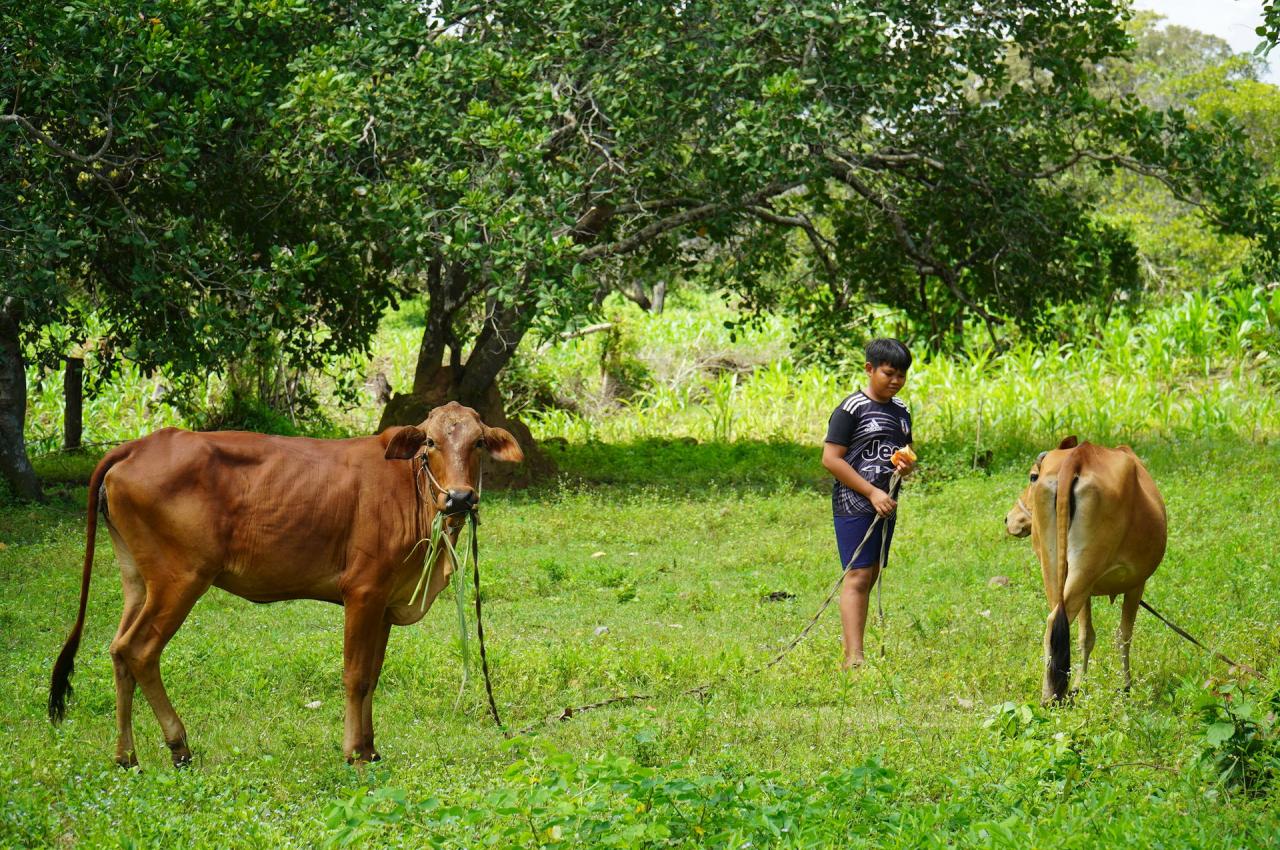
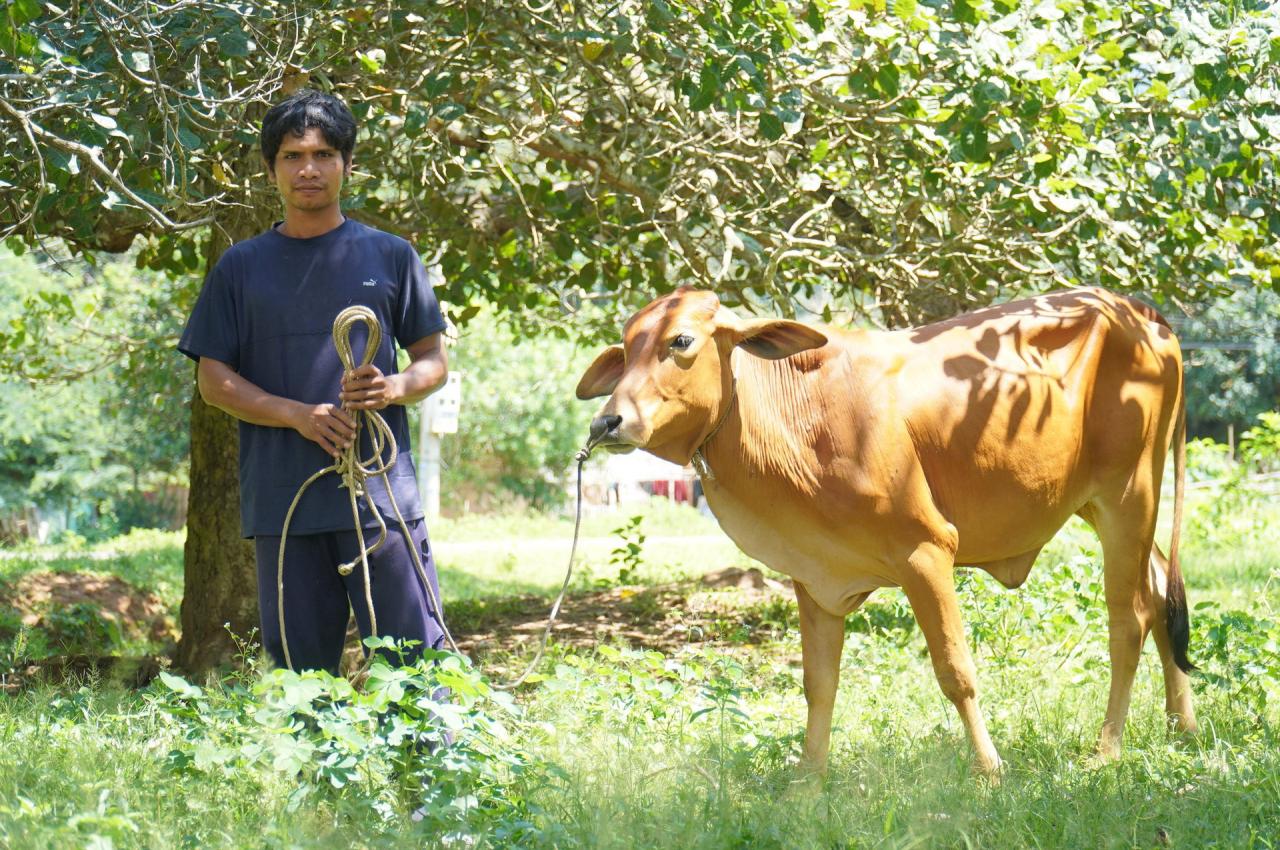
37 ethnic minority households received support, including 10 breeding cows for 10 poor households in the commune, with a capital of 185 million VND invested by the Commune People's Committee. The Department of Agriculture and Rural Development invested 391 million VND to support 22 cows, and the Department of Labor invested 80 million VND to support 5 cows. To date, the cows are still being well cared for and nurtured by the households, awaiting their first calving.
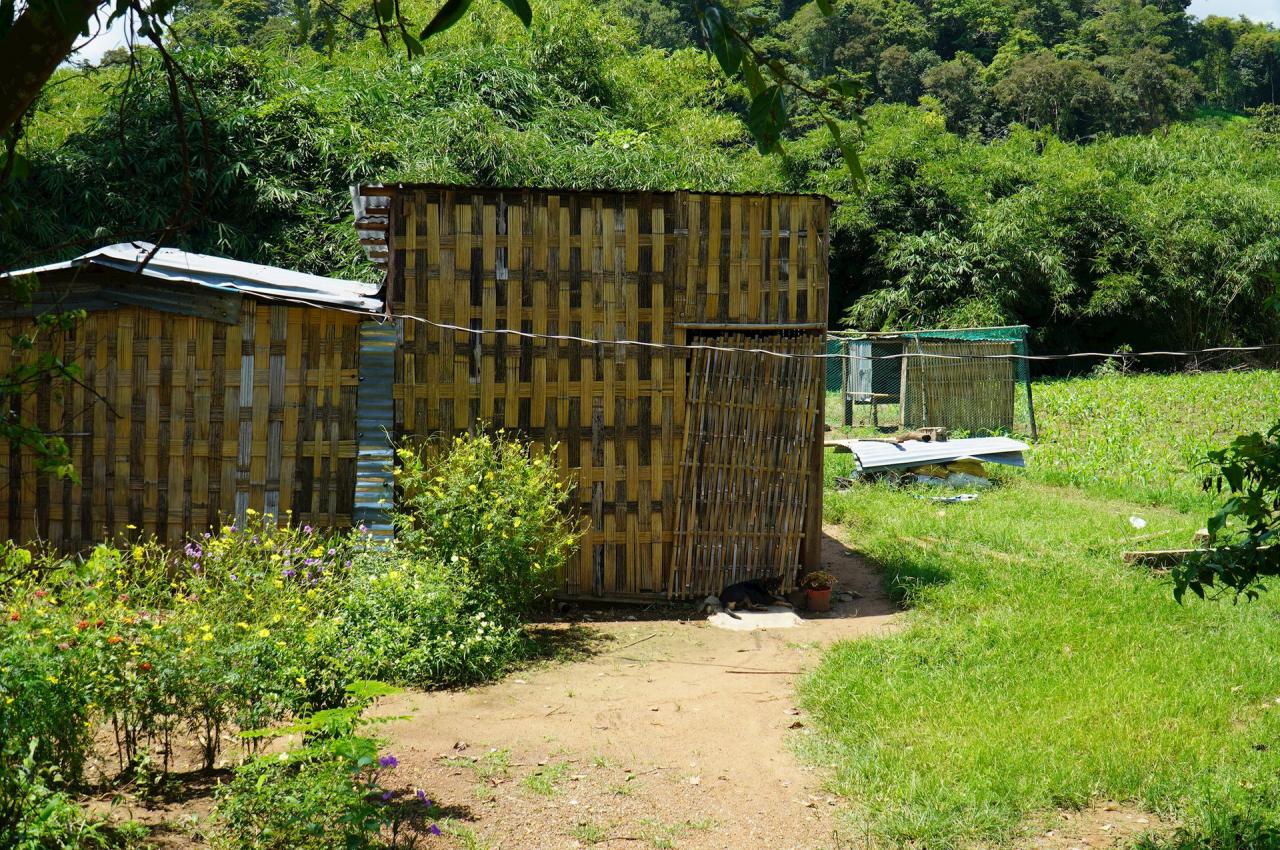
The small, rickety house made of woven bamboo slats belongs to Mr. Hoang Van Trong (Hamlet 2, My Thanh). For the past few years, his family has relied on their corn field for sustenance, but it's unstable, with good harvests one season and bad harvests the next. Mr. Trong recalled: "When the local government provided us with a breeding cow, my wife and I were overjoyed. It's been almost a year since we received the cow, and we're happy because it's healthy, disease-free, and growing quickly. My wife and I are very grateful for the government's support during our most difficult time, giving us more motivation to work and raise our children."
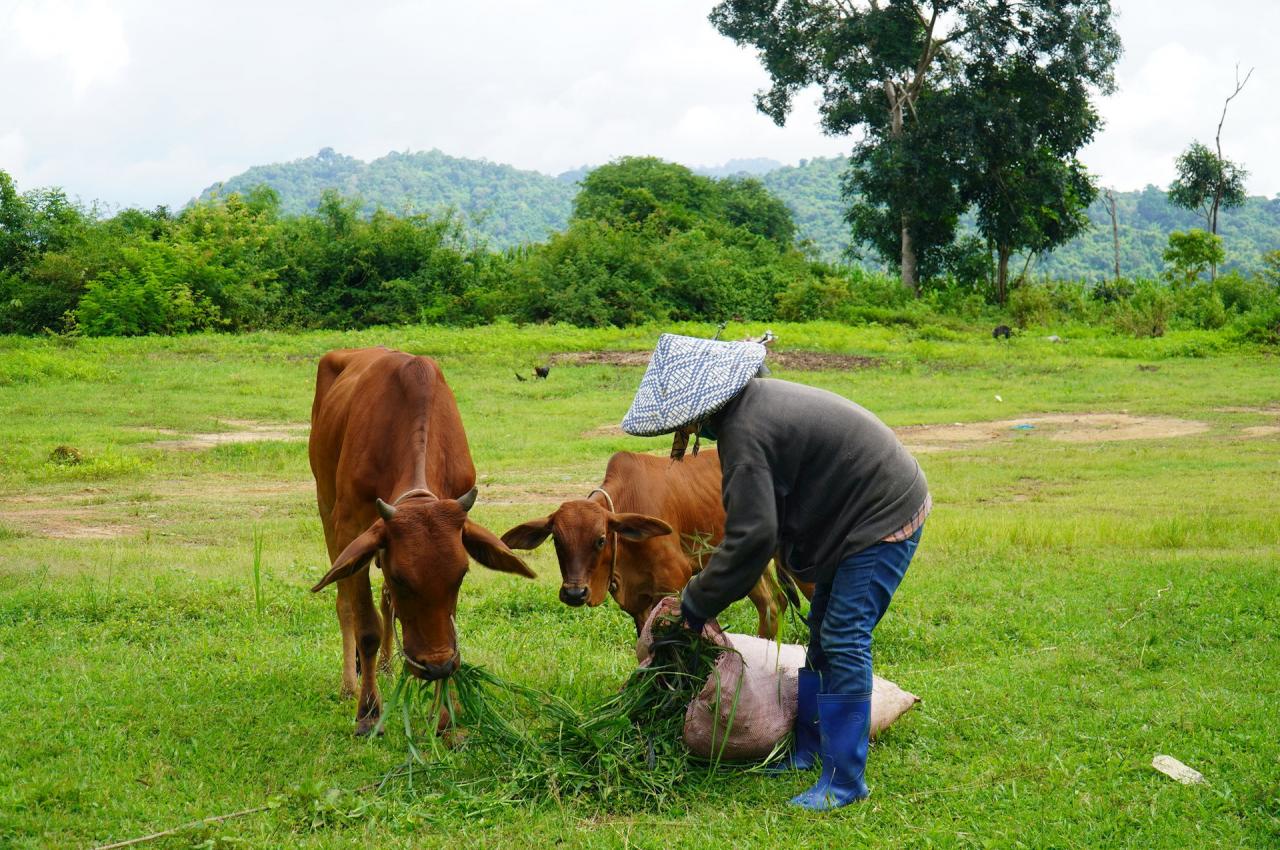
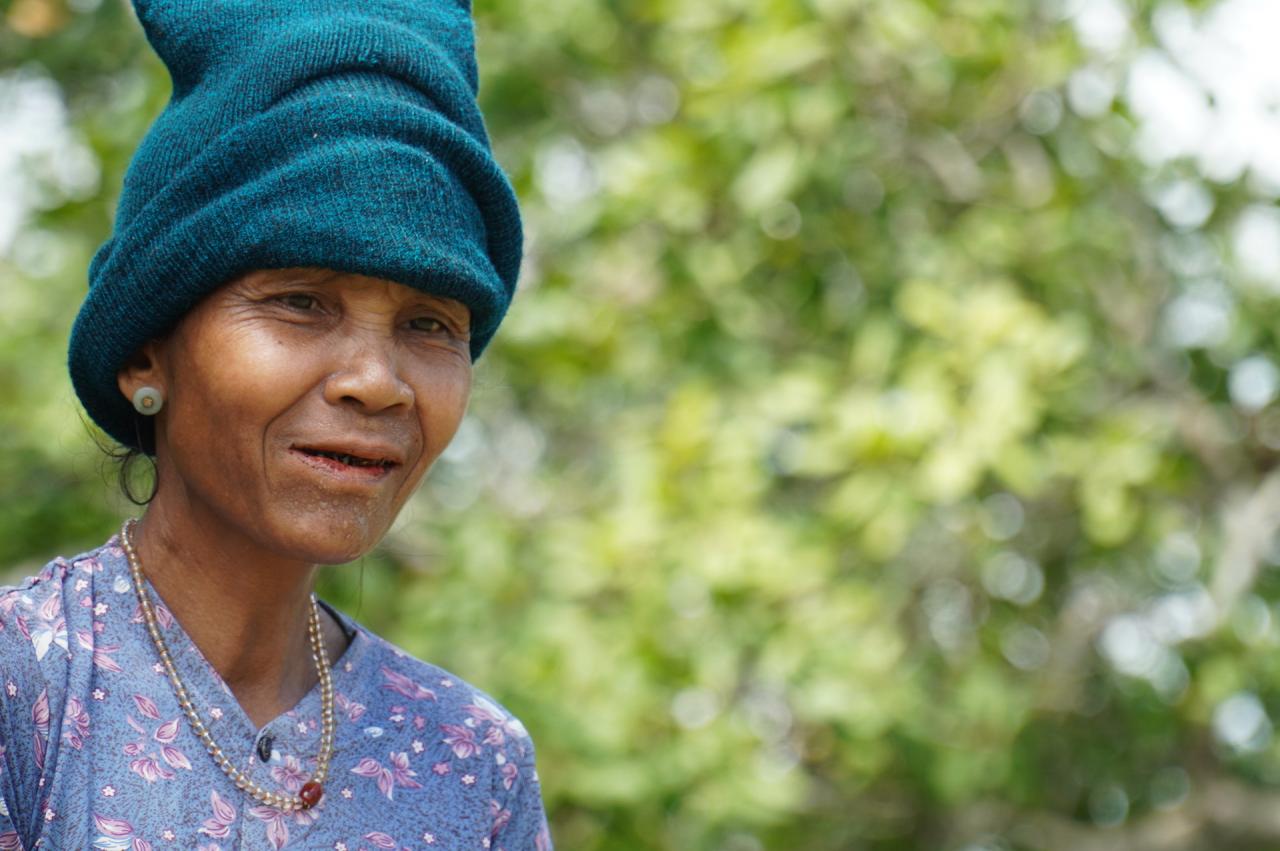
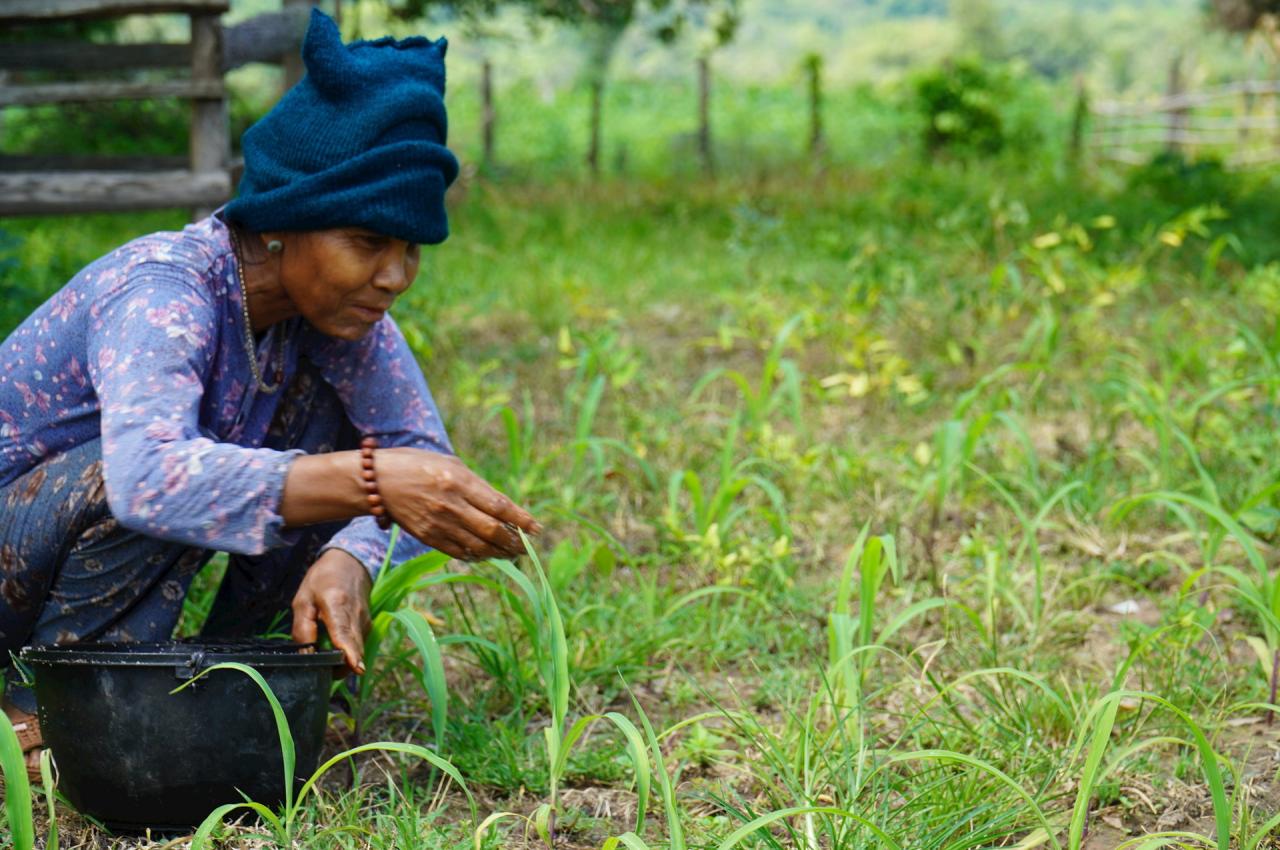
Ms. Nguyen Thi Lai's household is one of the households participating in the project. Without land for farming, her family struggled with poverty. “It’s been almost a year, and she’s still healthy, and I take very good care of her. In the dry season, when there’s no grass, we have to go further out to graze; in the rainy season, it’s a little easier. Not only do we have to take her out to graze, but we also have to guard her to prevent her from damaging other people’s fields, partly because we’re looking forward to her next breeding season,” Ms. Lai said. Every day, rain or shine, she takes the cow out to graze, carefully tending to her family’s “target,” waiting for the day to welcome a new “member” to the family.
My Thanh now enjoys more favorable conditions. Infrastructure serving production and people's lives is gradually improving with more appropriate policies, helping the poor feel secure in their production and develop their family economies . According to the commune officials in charge of poverty reduction, the results of the survey and review of poor and near-poor households at the end of 2022 and the beginning of 2023 show: 171 poor households/549 people, accounting for 66.02%. 29 near-poor households/103 people, accounting for 11.19%. 14 households/51 people have escaped poverty. The majority of poor and near-poor households belong to ethnic minorities. The main causes of poverty are the lack of basic services, mostly related to employment, the number of dependents, the quality of housing, sanitation, and other basic services.
Belief in escaping poverty
With the goal of My Thanh commune, 23 households will be lifted out of poverty by 2023, even without receiving support from sustainable poverty reduction and production development programs. This truly reflects the hidden strength and potential of the ethnic minority people.
The Party Secretary of My Thanh commune, Mr. Hoang Ngoc Tuong, shared about the project: “This project is meaningful for the people because it has created stable jobs, gradually raising them above the minimum living standard, helping families reduce poverty sustainably. The support in providing cattle also helps people become more proactive in livestock farming, improving their skills and gradually mastering the application of science and technology in animal husbandry. Although it has not been a full year and has faced many difficulties, the project has helped people overcome many challenges to maintain their “capital” and take good care of their livestock every day. Throughout this process, the local government has also monitored and provided timely support to the people when needed, so that they can have confidence in implementing the project and focus on livestock farming and economic development, thereby having more opportunities to rise out of poverty.” For My Thanh to become a shining example of poverty alleviation, it still needs significant resources from the central government and provincial budget support. My Thanh is a locality specializing in seasonal agricultural production, so economic development remains challenging. More importantly, to make My Thanh a shining example, it is necessary to create conditions for poor households to receive vocational training, access preferential credit from the Social Policy Bank, receive technology transfer and guidance on business practices, develop production, and improve their material and spiritual lives. These people of the mountains and forests need better access to social policies, programs, and projects on poverty reduction, ensuring more sustainable poverty reduction in the future.
Source

![[Live] 2025 Community Action Awards Gala](/_next/image?url=https%3A%2F%2Fvphoto.vietnam.vn%2Fthumb%2F1200x675%2Fvietnam%2Fresource%2FIMAGE%2F2025%2F12%2F16%2F1765899631650_ndo_tr_z7334013144784-9f9fe10a6d63584c85aff40f2957c250-jpg.webp&w=3840&q=75)
![[Image] Leaked images ahead of the 2025 Community Action Awards gala.](/_next/image?url=https%3A%2F%2Fvphoto.vietnam.vn%2Fthumb%2F1200x675%2Fvietnam%2Fresource%2FIMAGE%2F2025%2F12%2F16%2F1765882828720_ndo_br_thiet-ke-chua-co-ten-45-png.webp&w=3840&q=75)

![[Photo] Prime Minister Pham Minh Chinh receives Lao Minister of Education and Sports Thongsalith Mangnormek](/_next/image?url=https%3A%2F%2Fvphoto.vietnam.vn%2Fthumb%2F1200x675%2Fvietnam%2Fresource%2FIMAGE%2F2025%2F12%2F16%2F1765876834721_dsc-7519-jpg.webp&w=3840&q=75)
![[Photo] Prime Minister Pham Minh Chinh receives the Governor of Tochigi Province (Japan)](/_next/image?url=https%3A%2F%2Fvphoto.vietnam.vn%2Fthumb%2F1200x675%2Fvietnam%2Fresource%2FIMAGE%2F2025%2F12%2F16%2F1765892133176_dsc-8082-6425-jpg.webp&w=3840&q=75)




































![[Video] Independence and self-reliance linked with international integration through 40 years of reform](https://vphoto.vietnam.vn/thumb/402x226/vietnam/resource/IMAGE/2025/12/16/1765899635777_1-1-8054-png.webp)


























Comment (0)