

Risk of cervical spondylosis from prolonged use of phones and computers.
According to doctors, bending your head down to use a phone or computer for extended periods increases the risk of neck and shoulder pain and accelerates cervical spine degeneration.
Spinal degeneration is one of the most common diseases today. Those at risk are people aged 40-50, both men and women. Notably, the age group at risk is now getting younger (from 25-30 years old), due to unhealthy lifestyle and work habits.
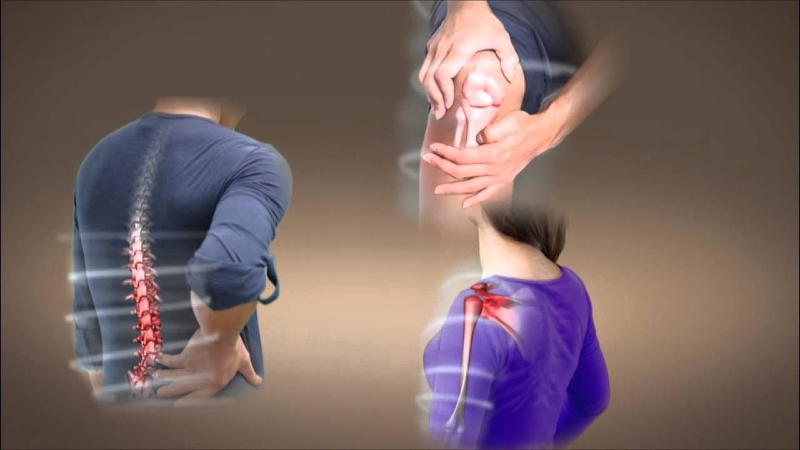 |
| According to doctors, bending your head down to use a phone or computer for extended periods increases the risk of neck and shoulder pain and accelerates cervical spine degeneration. |
According to Dr. Vu Xuan Phuoc, Department of Orthopedics and Spine Surgery, Bach Mai Hospital, cervical spondylosis is part of the natural aging process. The disease progresses differently depending on age and stage. Each stage will have different changes.
However, nowadays, with the advancement of science and technology, bending over to use a phone or computer for extended periods increases the risk of neck and shoulder pain and accelerates cervical spine degeneration.
On average, the neck bears about 5.4 kg. However, bending the head, sitting, or standing in incorrect postures will put a greater load on the neck. Specifically, bending the neck 15 degrees will put up to 12.2 kg of weight on it, bending it 45 degrees increases it to 22.2 kg, and bending it to 60 degrees increases it to 27.2 kg (five times the average). When subjected to such heavy loads for extended periods, the rate of cervical spine degeneration accelerates.
Most people who use phones and computers force themselves into a head-down posture. If this habit of hunching over a long period is maintained, users will not only experience problems with their neck, shoulders, and spine, but also symptoms of musculoskeletal pain in their hands, especially the wrists and fingers.
Another factor that accelerates the aging of the cervical spine is being overweight or obese. According to Dr. Vu Xuan Phuoc, when body weight increases, the pressure on the joints increases, especially in the back, hips, knees, and ankles, causing these joints to be damaged and age faster.
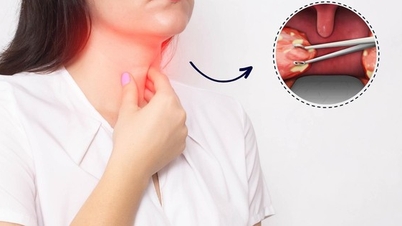
Symptoms of cervical spondylosis include: Neck pain, pain radiating from the nape of the neck to the neck and ears, sometimes even affecting the head, shoulders, and arms. Patients experience significant pain and difficulty with neck movements such as turning, bending, and extending the neck.
In addition, patients may experience dull aching pain in the neck, neck stiffness, and headaches when lying in the wrong position, lying down for a long time, or when the weather changes suddenly…
Regarding musculoskeletal diseases, recently, Tue Tinh Hospital, Vietnam Academy of Traditional Medicine, has received many young people seeking examination, rehabilitation, and physical therapy for neck and shoulder pain, spinal pain, joint pain, and herniated discs.
In fact, there are cases where people as young as 20-22 years old have to seek medical attention and complain about bone and joint pain. These pains are characteristic symptoms of early-onset osteoarthritis.
Explaining the reasons why musculoskeletal diseases are becoming increasingly common among young people, Associate Professor Dr. Le Manh Cuong, Director of Tue Tinh Hospital, said that modern lifestyles lead to a lack of physical activity, while people spend more time using computers and phones.
Sitting in one position or posture for extended periods while using a computer or phone can easily lead to neck and shoulder pain, which in turn increases the risk of musculoskeletal disorders. Among office workers, the rate of musculoskeletal diseases has already reached over 65%.
For example, with osteoarthritis, if left untreated, it can lead to serious health consequences. Osteoarthritis is a condition caused by the wear and tear of cartilage due to injury.
Osteoarthritis can occur in young people due to bad habits such as alcohol abuse, smoking addiction, and an unhealthy diet.
Experts are concerned that, if left undetected and untreated, osteoarthritis can lead to many dangerous complications such as: bone necrosis, arthritis, joint infections, damage to tendons and ligaments, cartilage calcification, joint fracture upon injury, and in the most severe cases, disability. This indirectly reduces the quality of life, decreases work productivity, and drives up healthcare costs.
Many young people tend to be complacent when experiencing joint pain, believing that the condition will resolve itself. However, in reality, this could be a warning sign of dangerous musculoskeletal diseases.
To prevent the development of dangerous bone and joint diseases, everyone, young or old, should be aware of preventive measures.
Health experts recommend that to strengthen muscles and bones, everyone should engage in physical exercise and sports with suitable activities such as swimming, cycling, walking, aerobics, and Tai Chi.
It's best to maintain good posture for your joints by standing upright, avoiding prolonged lying down, climbing stairs, sitting for long periods, or standing in one place for extended durations, which can cause poor blood circulation and joint stiffness. Additionally, when sitting at work, people should pay attention to keeping their backs straight and avoid squatting.
In addition, experts also emphasize the importance of limiting intense exercise, avoiding excessive weight gain, and always knowing how to absorb vitamin D from early morning sunlight.
In particular, instead of sitting and working continuously for 3-4 hours, after every 30 minutes to an hour, each person should stand up and move around in place for 5-10 minutes to help keep their muscles and joints flexible.
When you notice the initial symptoms of the disease such as pain in the neck and shoulders, lower back pain, heel pain, joint pain, etc., you should immediately go to a specialized medical facility for examination and avoid using pain relief products for bone and joint problems indiscriminately.
Pain relievers can only alleviate current joint pain, primarily preventing knee effusion from affecting the patient's overall health.
This somewhat alleviates the difficulty in moving the knee joint. However, if only painkillers are used without focusing on treating the underlying problem of fluid buildup in the knee joint, the condition will not be completely cured.
Patients are not encouraged to self-medicate with painkillers because of their side effects, which can cause digestive problems such as gastritis and stomach ulcers.
Self-medicating with painkillers can easily lead to drug abuse, which is a precursor to many other health problems. Patients who need painkillers should consult with a doctor to receive an appropriate dosage.
When unfortunately suffering from bone and joint diseases, people should not overuse painkillers. Supplementing with essential vitamins and minerals such as calcium, vitamins A, B, C, D, E, and omega-3 fatty acids should be done under the guidance of a healthcare professional.
To maintain a healthy musculoskeletal system, people need to ensure they get 7-8 hours of sleep per day. In addition, they should maintain a balanced diet with sufficient nutrients and a variety of foods.
Another important point to note is to drink 1.5-2 liters of water every day. Drink slowly, in several small portions. Adequate and proper water intake helps the circulatory system function well, increases the body's ability to eliminate toxins through the urinary tract, and helps lubricate joint cartilage.
Regarding spinal degeneration, to prevent it, Dr. Vu Xuan Phuoc recommends that people build a healthy diet, supplement with sufficient calcium and vitamin D, increase their intake of fiber-rich foods; and regularly exercise and control their weight.
For manual laborers, it is advisable to avoid bending over to lift heavy objects or carrying excessive loads on the shoulders, and to maintain proper posture during daily activities to prevent spinal injuries.
For office workers who have to sit for long periods, it's recommended to stand up and walk around every 30-60 minutes, change positions, and warm up with some stretching exercises. Absolutely avoid sitting still at the computer for extended periods. Maintain a distance of 50-66cm from the computer screen, and position the screen at an angle of 10-20 degrees below eye level.
Source: https://baodautu.vn/nguy-co-thoai-hoa-dot-song-co-vi-su-dung-dien-thoai-may-tinh-thoi-gian-dai-d223033.html

![[Image] Vietnam's colorful journey of innovation](/_next/image?url=https%3A%2F%2Fvphoto.vietnam.vn%2Fthumb%2F1200x675%2Fvietnam%2Fresource%2FIMAGE%2F2025%2F12%2F14%2F1765703036409_image-1.jpeg&w=3840&q=75)


































































![[Image] Vietnam's colorful journey of innovation](https://vphoto.vietnam.vn/thumb/402x226/vietnam/resource/IMAGE/2025/12/14/1765703036409_image-1.jpeg)


































Comment (0)