

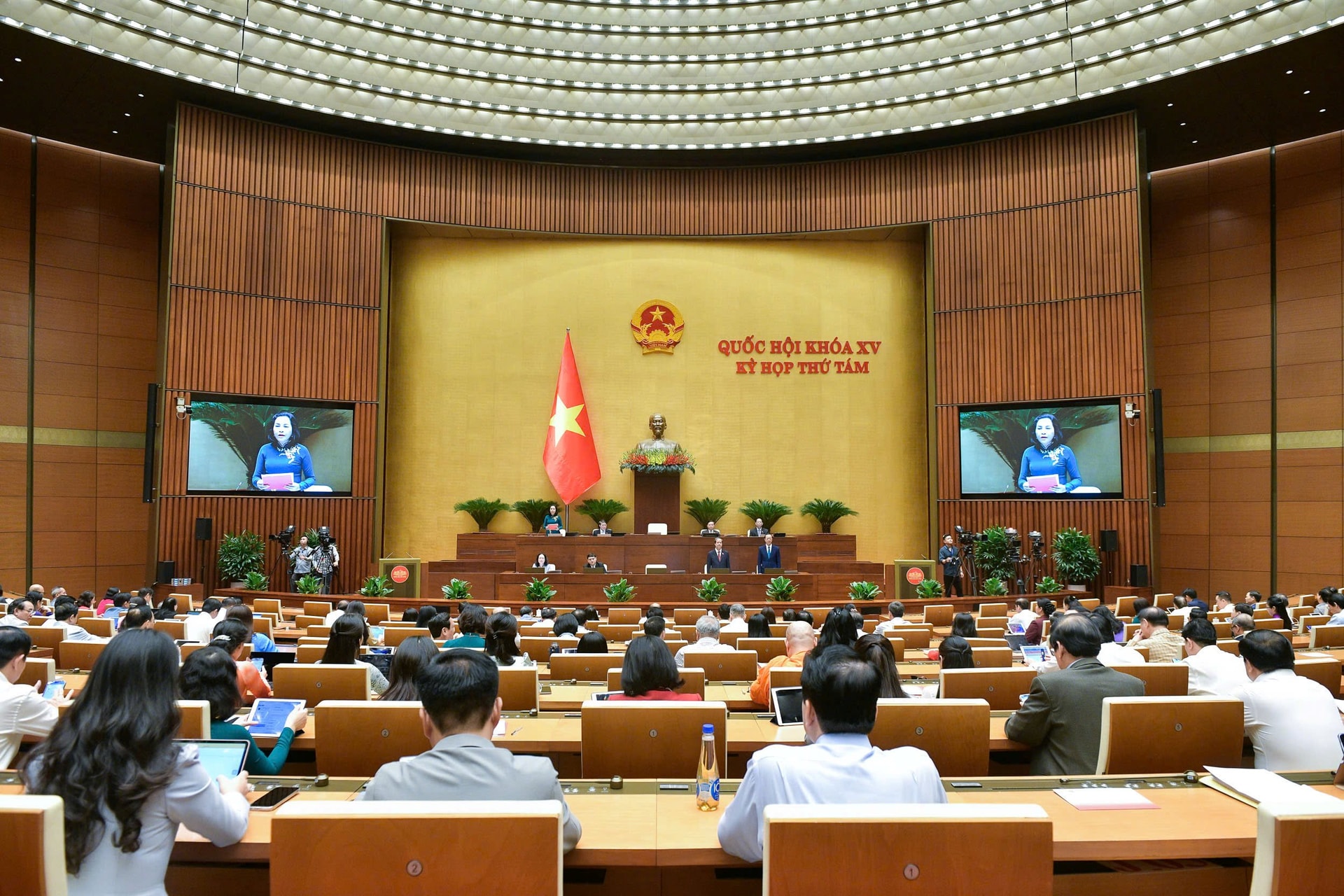
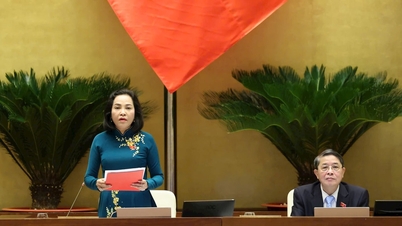
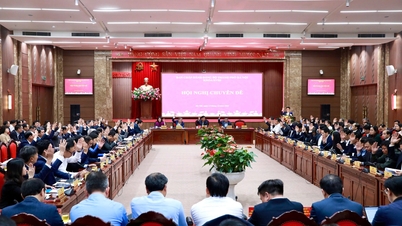
On the morning of November 20th, at the National Assembly building, continuing the program of the 8th Session, the National Assembly discussed the draft Law on Teachers in the plenary hall. Vice Chairwoman of the National Assembly Nguyen Thi Thanh presided over the session.
Presiding over the session, Vice Chairwoman of the National Assembly Nguyen Thi Thanh stated that today, November 20th, is Vietnamese Teachers' Day, and the National Assembly dedicated the entire morning session to discussing the draft Law on Teachers. This is a token of respect from the National Assembly and the Standing Committee of the National Assembly to generations of teachers and the education sector – those who have made and will continue to make immense contributions to the glorious and noble cause of nurturing future generations.
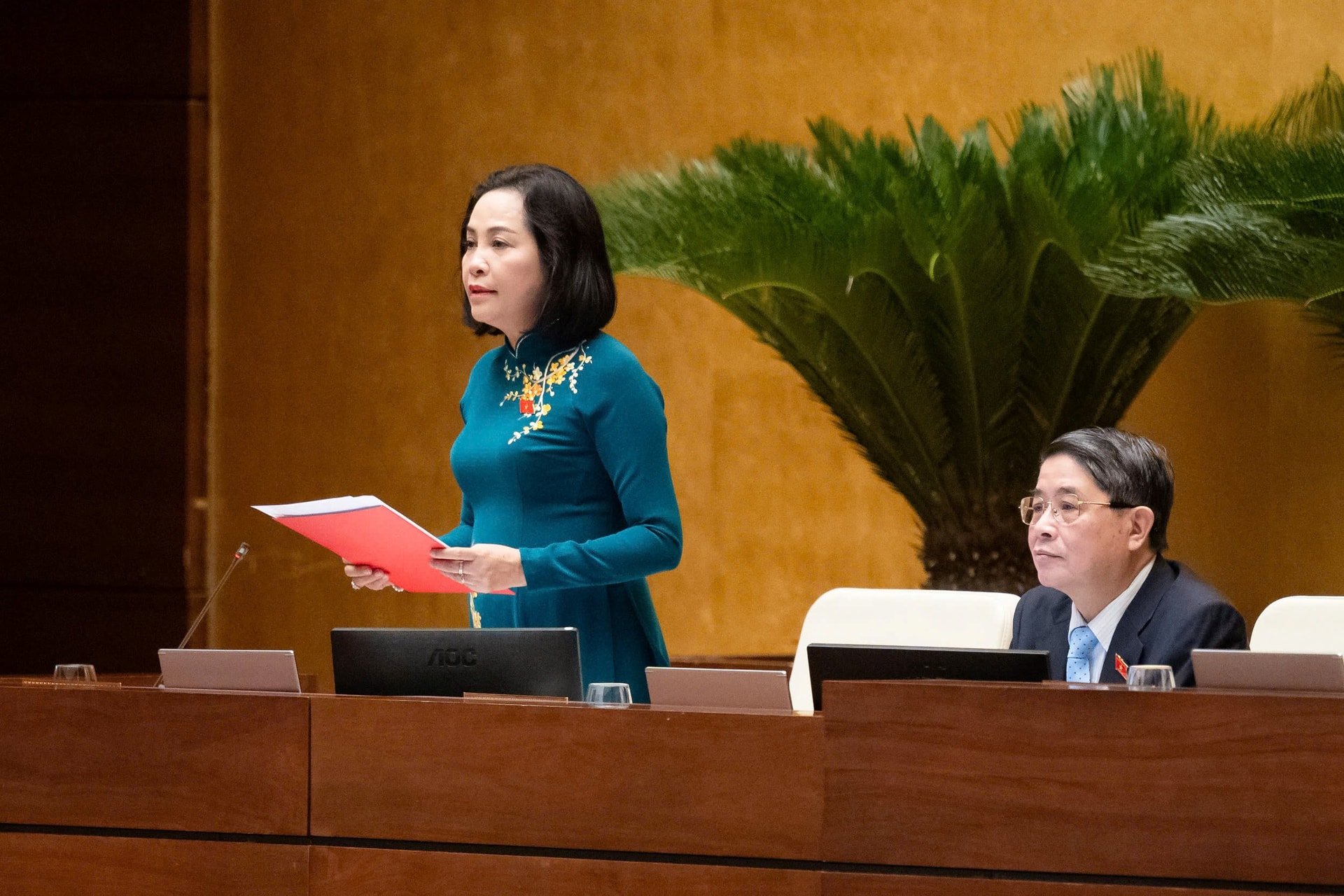
According to Deputy Speaker of the National Assembly Nguyen Thi Thanh, the draft Law on Teachers, being the first of its kind, regulates a group of teachers involved in many specialized laws. The scope of the draft law is quite broad, affecting a large number of teachers in public educational institutions, accounting for two-thirds of the total number of public sector employees nationwide, as well as the growing number of teachers in private educational institutions, attracting considerable attention from voters.
During this morning's discussion, National Assembly Vice Chairwoman Nguyen Thi Thanh requested that National Assembly deputies pay attention to eight issues raised in the verification report of the Committee on Culture and Education. During the discussion, the Presidium will invite the Minister of Education and Training to speak and further clarify the issues of concern to the National Assembly deputies.
A thorough understanding of the issue of tutoring and supplementary classes.
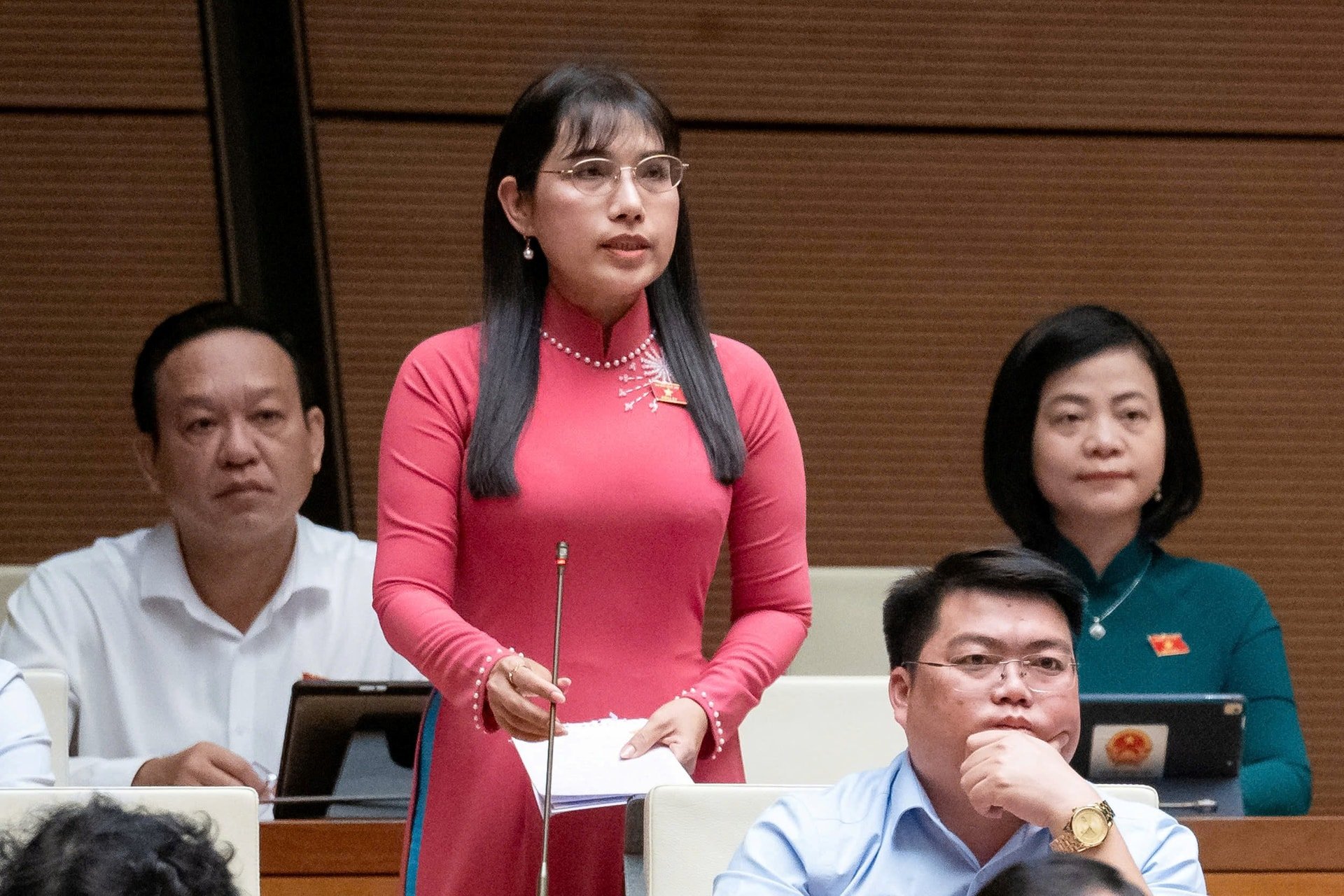
Agreeing with the necessity of enacting a Law on Teachers, Representative Chamaléa Thị Thủy - Ninh Thuận Provincial Delegation of the National Assembly - stated that this aims to institutionalize the Party's views and policies on teachers, and to promptly supplement new and specific policies to build and develop the teaching staff.
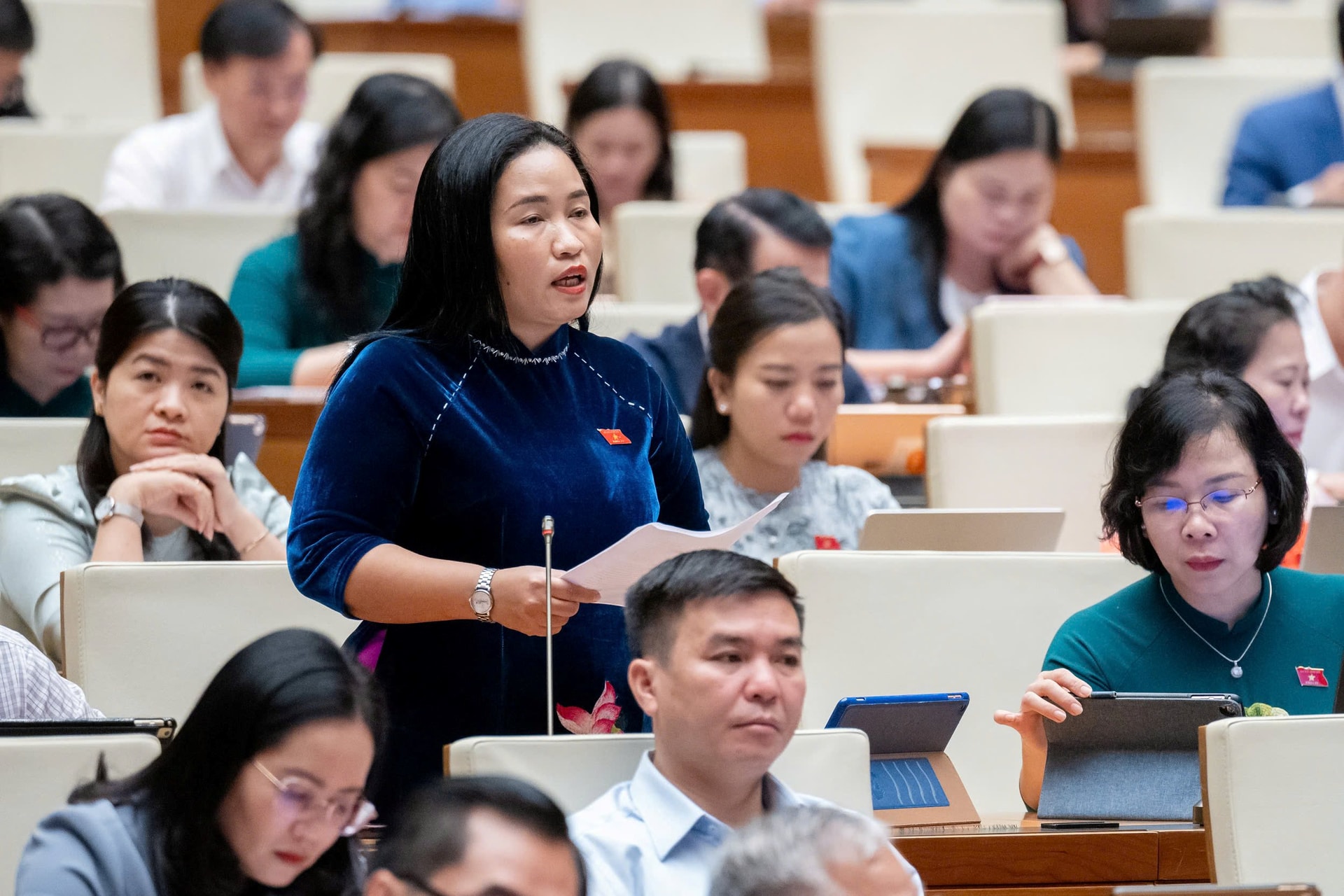
Commenting on the professional activities of teachers in Clause 1, Article 7, delegates argued that the regulation as drafted in the Law does not encompass all the activities of teachers. The professional activities of teachers should be considered in the overall context of a teacher's work, including teaching, guiding, imparting knowledge, skills, and ethical values to learners. It should also include working with colleagues, participating in management activities, etc. Therefore, the drafting committee is requested to review and revise the content of Clause 1, Article 7.
Regarding what teachers are prohibited from doing, point c, clause 2, Article 11 stipulates that teachers are not allowed to force students to participate in extra classes in any form. According to the representative, this regulation is necessary; however, this content is already regulated in clause 5, Article 22 of the Education Law, which prohibits forcing students to attend extra classes for monetary gain.
Representative Chamaléa Thị Thủy argued that the issue of tutoring and supplementary classes needs to be thoroughly examined in order to establish specific and appropriate regulations. In reality, tutoring is a genuine need for both teachers and students, especially in urban areas and economically developed regions, where families invest more in their children's education to enhance their basic knowledge beyond what they learn in school. The need to seek out skilled teachers for extra lessons is therefore real. Therefore, the representative believes that simply increasing teachers' salaries and benefits to address the tutoring problem is subjective and not truly aligned with real-life situations.
Regarding policies and regulations for teachers, delegates unanimously agreed with the principle that "education must be considered a national priority" in all stages of the country's development. Therefore, attention must be paid to providing adequate policies and honoring those working in education.
However, in order to implement the policies and regulations outlined in the draft Law and the draft Decree stipulating nine main points of salary and allowance policies to attract teachers, delegates believe that it is necessary to base the implementation on the Budget Law and conduct a thorough policy impact assessment. Furthermore, if the policy prioritizes certain professions, it should be considered in harmonious relation to other intellectuals and laborers in society who also receive salaries from the state budget.
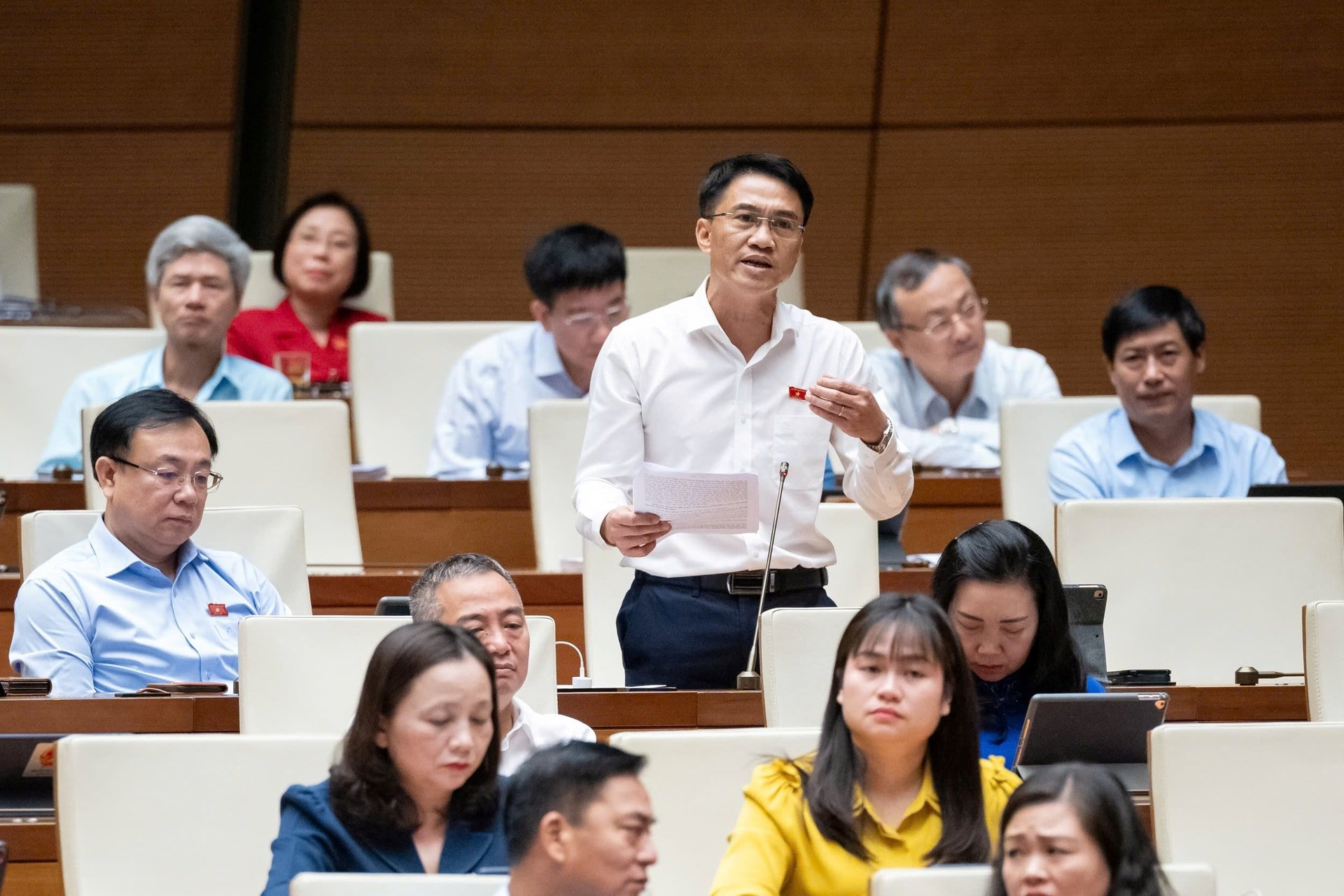
Contributing his opinion to the draft Law on Teachers, Representative Do Huy Khanh - from the National Assembly delegation of Dong Nai province - agreed with the contents of the draft law aimed at improving the quality of education. Regarding extra tutoring, the representative suggested that the Ministry of Education and Training should coordinate with relevant agencies to develop specific regulations and management mechanisms for this issue...
According to Representative Do Huy Khanh, supplementary tutoring is essentially a necessary societal need. However, public opinion is currently divided into two camps: one advocating for prohibition, and the other for regulation. Many workers who work overtime in the afternoon cannot pick up their children, so they prefer to send their children to teachers to supervise them at home and only pick them up in the evening. Therefore, the draft law needs to include a mechanism for managing supplementary tutoring.
Consider regulations regarding the preservation of benefits and policies in the reassignment of teachers.
Speaking at the session, many delegates also expressed interest in regulations on policies and benefits for teachers, aiming to attract qualified teachers to suitable positions.
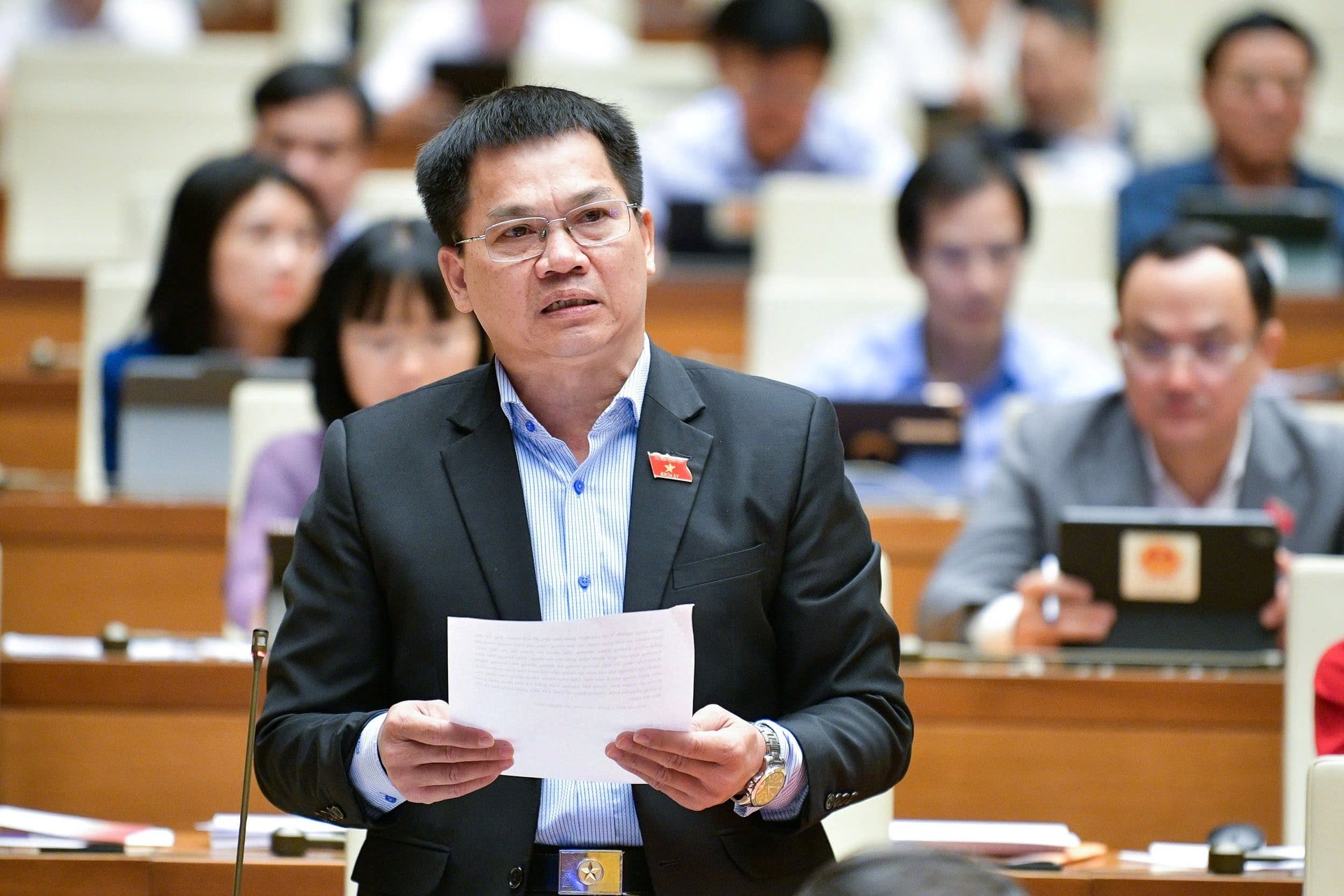
Representative Duong Khac Mai - Member of the National Assembly Delegation of Dak Nong province - strongly supported the necessity of enacting the Law on Teachers. Contributing to the completion of the draft law, the representative stated that point a, clause 5, Article 21, regarding the preservation of benefits and policies in the transfer of teachers, stipulates that in cases of transferring teachers between public educational institutions, if the benefits and policies of the old position are higher than those of the new position, the benefits and policies of the old position may be preserved for a maximum period of 36 months.
Delegates suggested considering retaining the benefits and policies of their previous positions for a maximum period of 36 months, as this needs to be consistent with policies for cadres, civil servants, and public employees. In addition, teachers already receive many preferential policies under the current draft law. Delegates proposed retaining these benefits and policies for a period of 6 months or more, but not a maximum of 36 months.
In addition, some regulations regarding policy reservations for current officials, civil servants, and public employees are stipulated in Government Decrees. Therefore, to ensure consistency and uniformity in regulations, and to avoid codifying regulations under the authority of the Government, Ministries, and sectors, the representative proposed that the Government be tasked with providing detailed regulations on this matter.
Furthermore, delegates suggested reviewing and revising the regulations in the draft law. Any content within the Government's authority should be regulated by the Government, and content outside the National Assembly's jurisdiction should not be included in the law.
Regarding salary and allowance policies for teachers, delegates strongly agreed with the proposal that teachers' salaries be ranked highest in the administrative and public service salary scale. Delegates suggested that this highest salary ranking should be accompanied by the quality of the teachers, given the importance and decisive role of the teaching staff in improving the quality of education, which is crucial for the development of high-quality human resources to meet the requirements of industrialization, modernization, and international integration.
Debating with delegate Duong Khac Mai, delegate Do Huy Khanh - from the National Assembly delegation of Dong Nai province - stated that according to point b, clause 5, Article 21 on the transfer of teachers in public educational institutions, when a school transfers a teacher from a public educational institution to an educational management agency, the teacher's seniority allowance and preferential allowance will be retained for a maximum period of 12 months.
The initial draft proposed a 36-month period, which was later reduced to 12 months. However, delegates expressed a desire for these cases to retain the seniority allowance for teachers. This is because we are currently focused on attracting talent, and when we attract talent, we assign these individuals to work in specialized agencies – these are management staff and highly skilled teachers currently working in schools. When there are no suitable positions available at the school level, we need to protect them and attract more talent to fill those roles.
The delegate further analyzed that when an administrator or teacher takes up a position in a specialized department of the Department of Education and Training or an education office, they only receive 25% of their position allowance, while losing 30-35% of their teaching allowance and seniority allowance. The delegate suggested further consideration of this point.
Speaking at the session, delegate Chau Quynh Dao from the Kien Giang Provincial National Assembly Delegation stated that the current shortage of teachers has many causes (possibly due to remuneration policies, recruitment mechanisms, etc.). Therefore, the delegate strongly agrees with the provisions in Article 16 of the draft Law on Teachers, which clearly stipulates that those who graduate from teacher training programs under the government-sponsored scholarship program or through contracts between localities and training institutions will be given priority and recruited through special procedures.
In particular, to create a truly high-quality pool of teachers, delegates proposed adding a policy to attract outstanding national and international students to the teaching profession by allowing direct admission to teacher training colleges.
Regarding the issue of salaries and allowances for teachers, the delegate stated that, according to the results of a practical study on the living conditions of teachers in the Southern region, teachers' income only meets an average of 51.87% of their monthly expenses. This applies to the group without a side job; even those with a side job only reach 62.55%. Therefore, the delegate agreed with the regulation that teachers should be ranked highest in the administrative and public service salary scale and receive additional allowances depending on the nature of their work and the region.
Source: https://baotainguyenmoitruong.vn/quoc-hoi-thao-luan-ve-du-an-luat-nha-giao-383378.html
![[Photo] Prime Minister Pham Minh Chinh attends the Conference summarizing and implementing tasks of the judicial sector.](/_next/image?url=https%3A%2F%2Fvphoto.vietnam.vn%2Fthumb%2F1200x675%2Fvietnam%2Fresource%2FIMAGE%2F2025%2F12%2F13%2F1765616082148_dsc-5565-jpg.webp&w=3840&q=75)














































































Comment (0)