

According to the aforementioned decisions, the People's Committee of Lao Cai province, the Department of Culture, Sports and Tourism, and the localities with heritage sites are responsible for implementing state management and organizing conservation activities in accordance with the law.
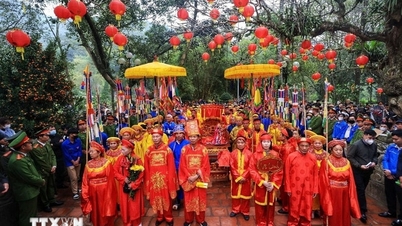
The forest worship ritual of the Pa Dí people is a unique social and religious custom, reflecting the harmonious relationship between humans and nature. It is held annually by the Pa Dí people to give thanks to the forest and pray for bountiful harvests and peace for the villagers. The ritual not only has spiritual significance but also serves as an opportunity to strengthen community bonds, educate the younger generation about environmental protection, and preserve their ethnic cultural identity.
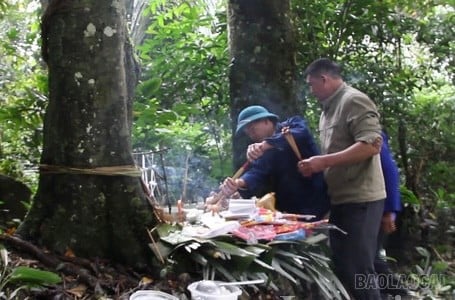
The Pa Dí people perform a ritual to worship the forest (photo by Đức Trung).
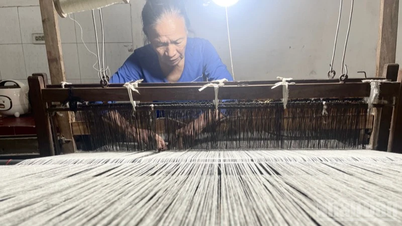
The weaving craft of the Tay people in Nghia Do is a long-standing traditional craft, closely linked to the daily life and production activities of the local people. Woven products made from bamboo and rattan, such as baskets, trays, and sieves, not only serve daily needs but also embody the cultural beauty and aesthetic skill of the artisans. Currently, this craft is still maintained and developed, contributing to livelihoods, attracting tourists , and preserving traditional folk knowledge.
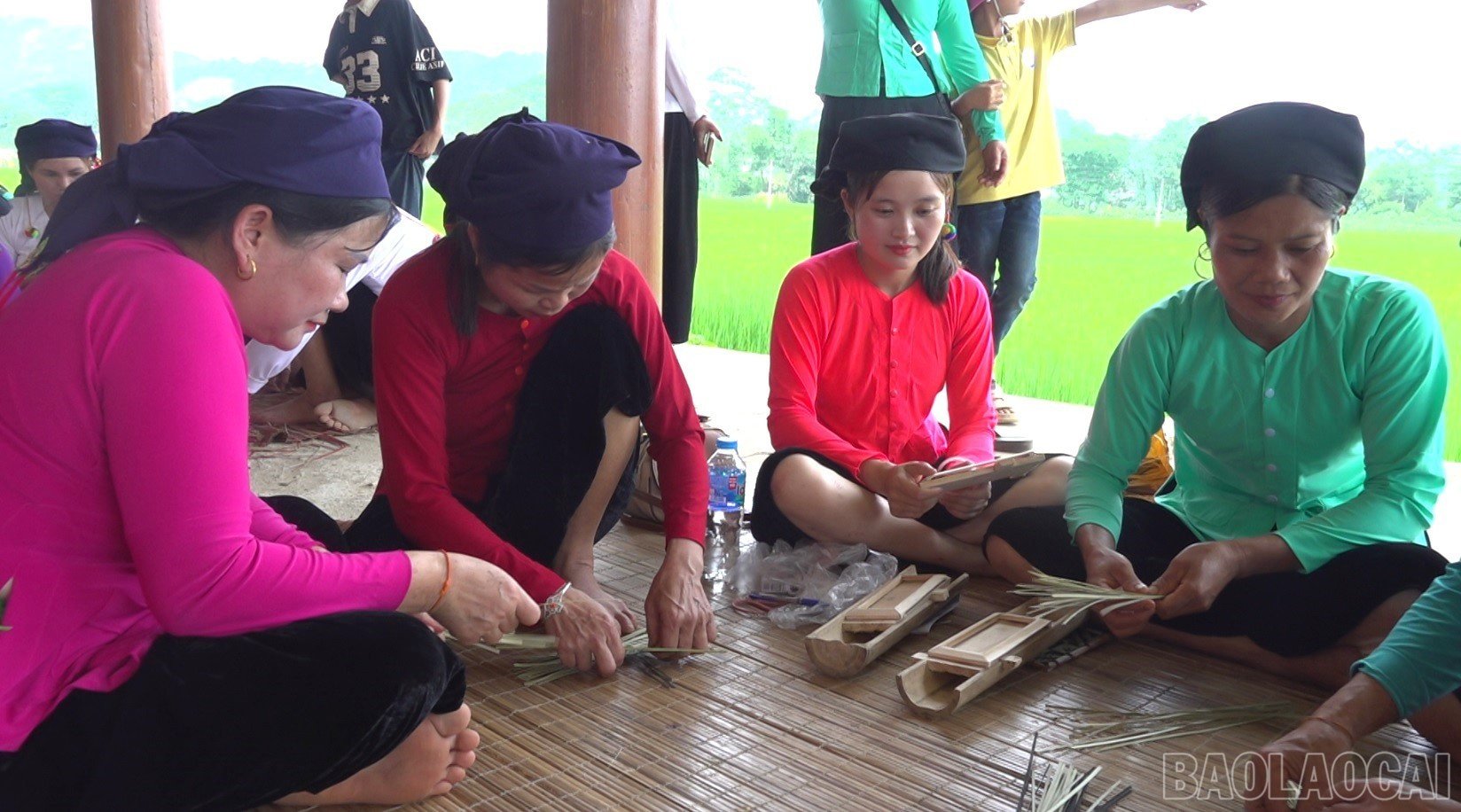
Basket weaving is a traditional craft of the Tay people in Nghia Do commune.
The recognition of these two heritage sites as National Intangible Cultural Heritage is a great source of pride for the people of Lao Cai province, and also opens up new opportunities in preserving and promoting the value of heritage associated with sustainable economic and tourism development.
Source: https://baolaocai.vn/2-di-san-van-hoa-dac-sac-cua-lao-cai-duoc-ghi-danh-la-di-san-van-hoa-phi-vat-the-quoc-gia-post401787.html


















![[Photo] Prime Minister Pham Minh Chinh holds a phone call with the CEO of Russia's Rosatom Corporation.](/_next/image?url=https%3A%2F%2Fvphoto.vietnam.vn%2Fthumb%2F1200x675%2Fvietnam%2Fresource%2FIMAGE%2F2025%2F12%2F11%2F1765464552365_dsc-5295-jpg.webp&w=3840&q=75)


































Comment (0)