

Not only does this naturally growing vegetable have a unique sour and crunchy taste, but it is also considered a "gift from nature" in Vietnam, containing many nutrients that help boost health.
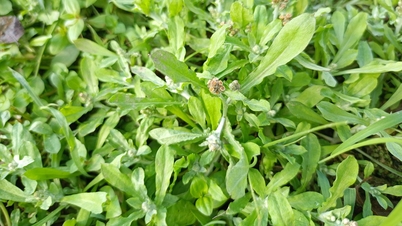
Purslane is a herbaceous plant that grows wild in damp areas such as the edges of ponds, lakes, and rice paddies. It grows year-round and can be found throughout the provinces from South to North Vietnam.
Depending on the region, purslane may also have different names such as pepper vegetable, bitter herb, devil's needle herb, stinging needle herb, strong flower herb, or single needle herb.
This vegetable is very hardy. Its small, easily dispersed seeds will develop into plants and spread everywhere when conditions are right. It thrives especially after rain.
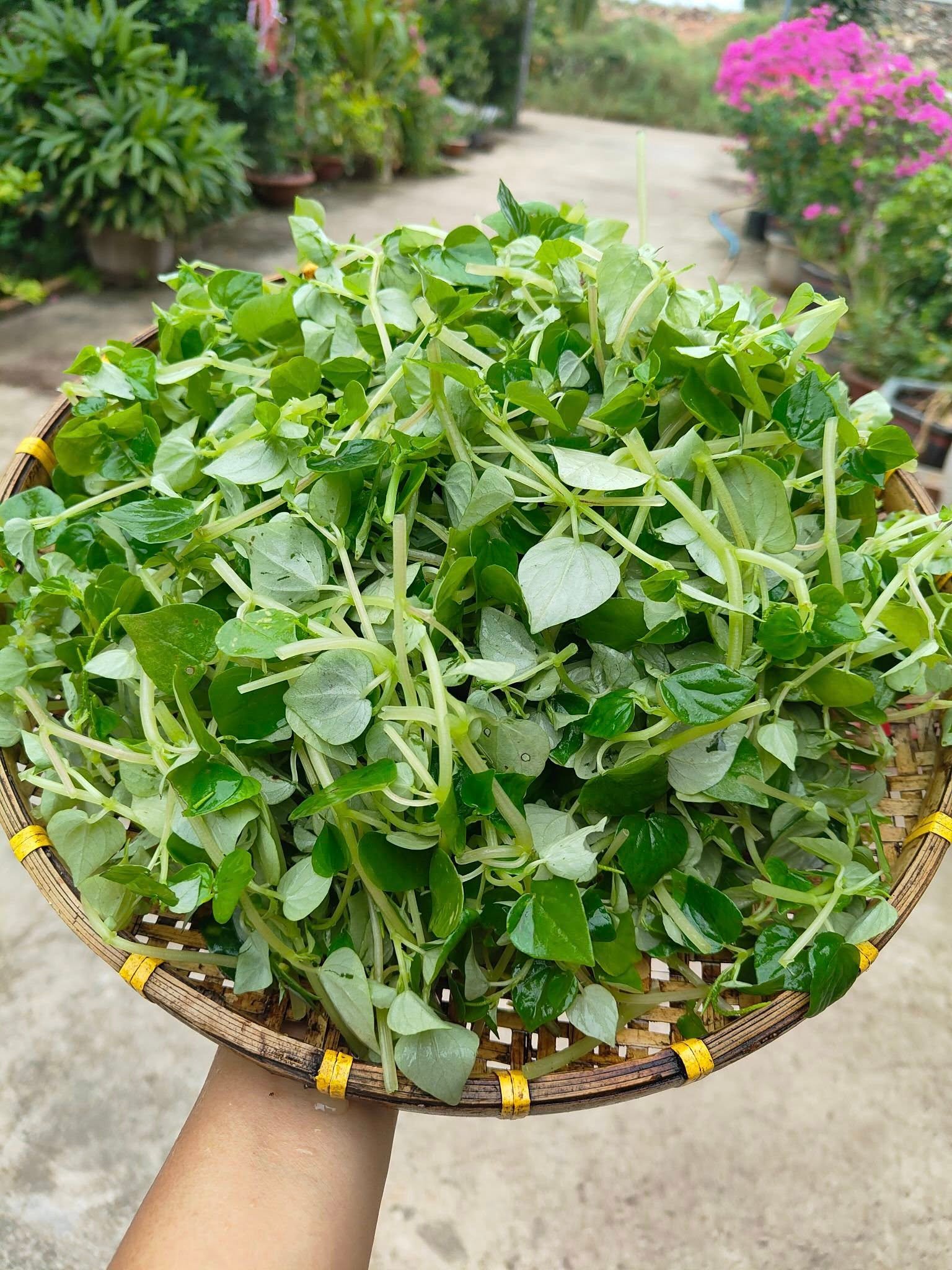
Because these vegetables grow naturally and are commonly used as ingredients in many dishes, people jokingly call them "gifts from heaven."
Currently, purslane is grown in several places, including northern provinces such as Lao Cai and Ha Giang . However, the wild-growing variety is considered to be of higher quality than the cultivated one.
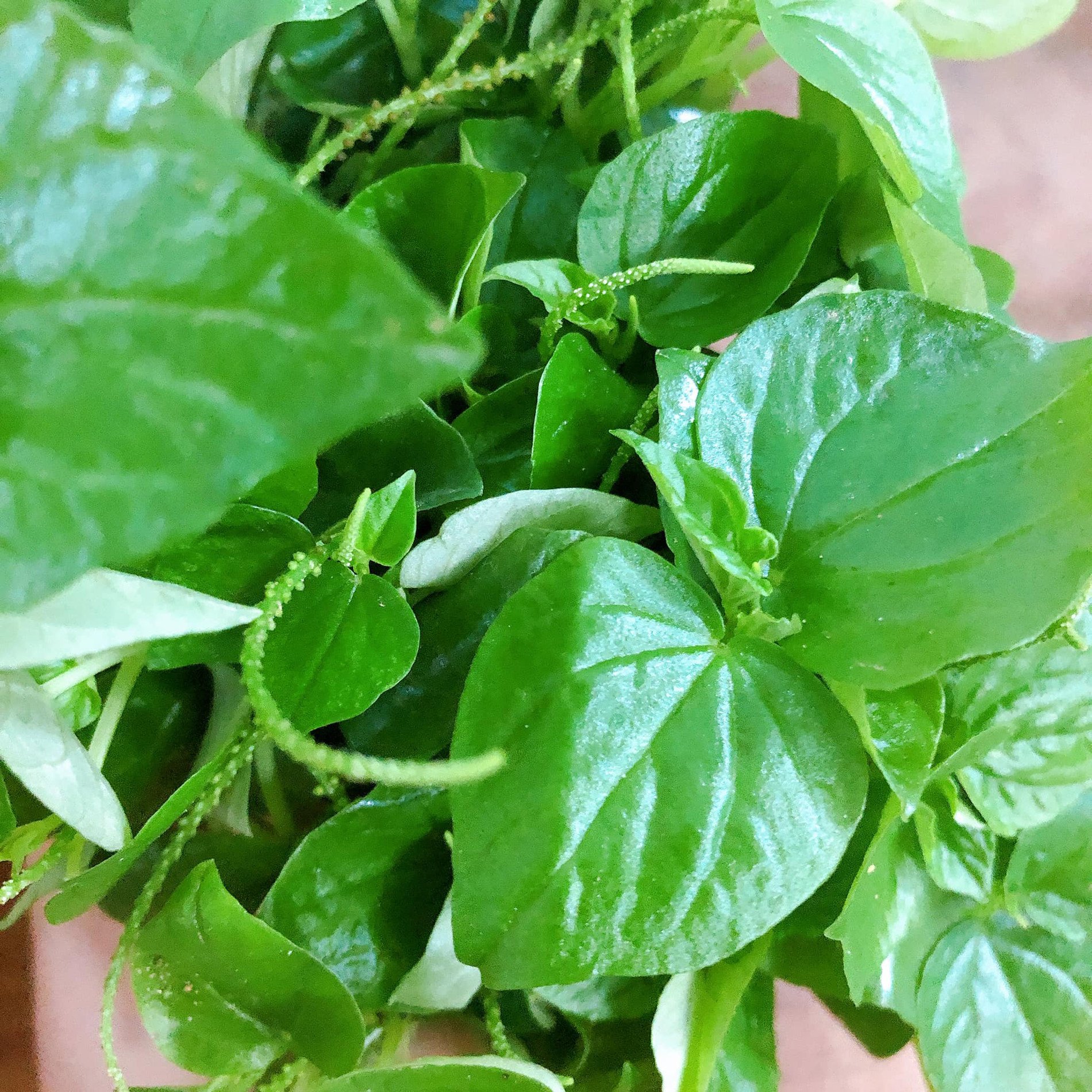 | 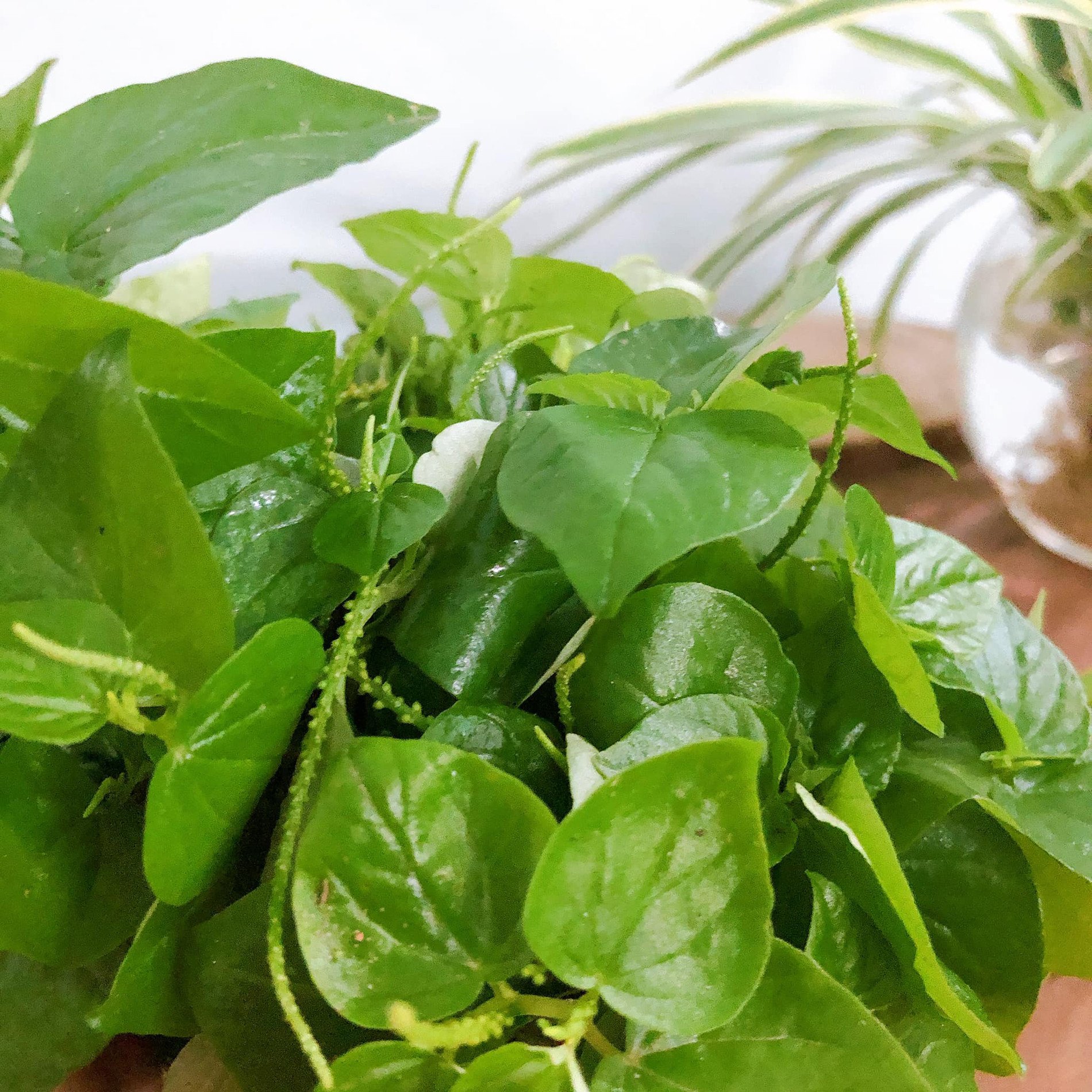 |
Ms. Minh Thu, a small business owner in Cau Giay district ( Hanoi ), said that in Vietnam, purslane is found in all three regions, most abundantly in the South because the weather conditions there are very favorable for this vegetable to grow and thrive.
Purslane can be harvested at any time of year, but it is most popular in summer and spring due to its sour, refreshing taste, making it suitable for cooling down and relieving the feeling of being satiated.
Depending on the location, purslane is sold for 30,000-40,000 VND/kg. However, when transported to large cities like Hanoi and Ho Chi Minh City, this vegetable can cost up to 90,000-100,000 VND/kg, yet it remains in high demand.
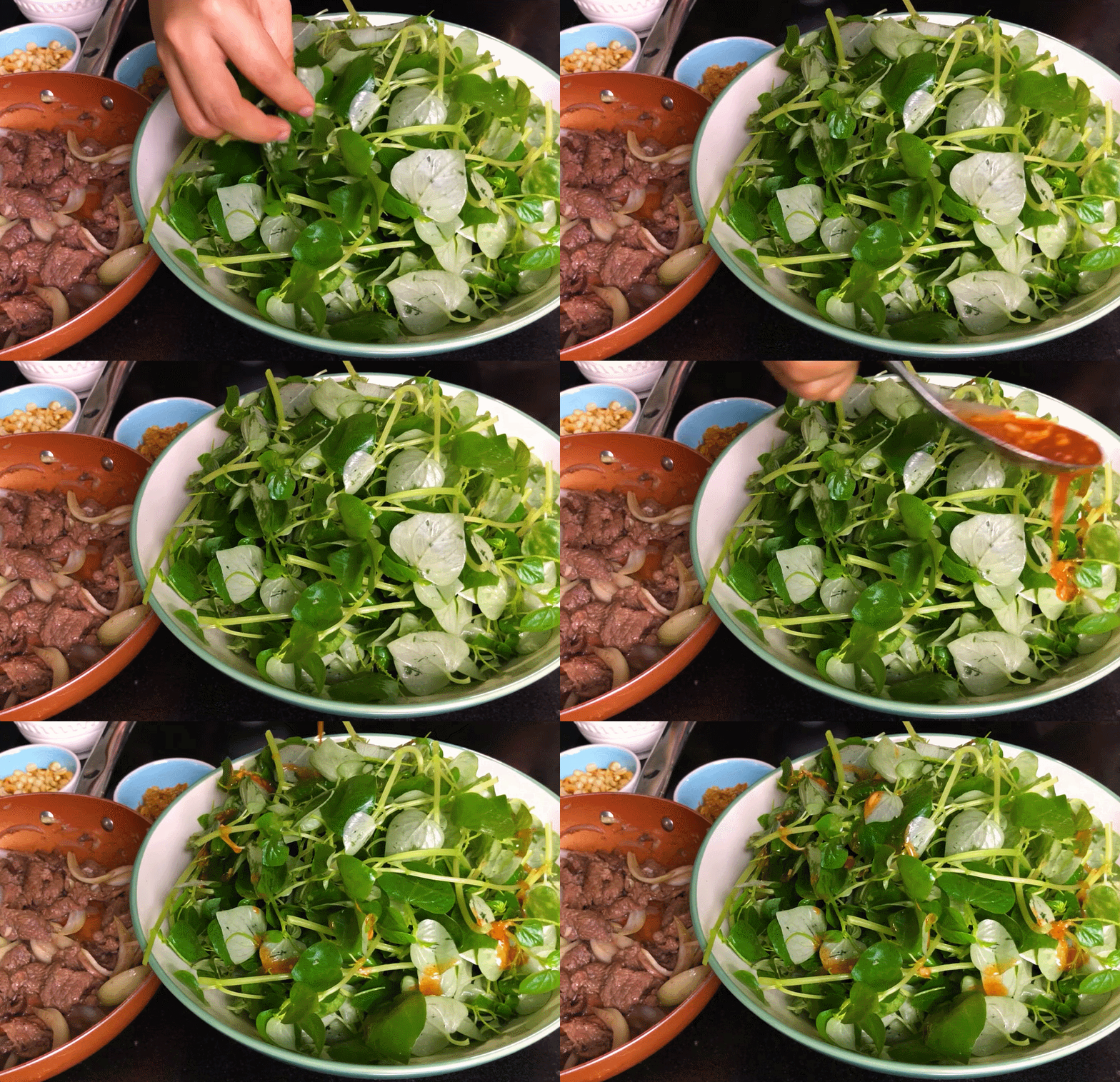
According to Ms. Thu, purslane is used fresh; simply remove the roots, wash it thoroughly, and it can be eaten immediately or prepared into several delicious dishes. When eaten raw, the vegetable has a slightly sour, refreshing, and crunchy taste.
"Curtain can be eaten raw or used in salads like other common wild herbs and spices. However, the most popular dish made from this vegetable is beef salad," said Ms. Thu.
The woman said that purslane grows naturally and is therefore safe; it only needs to be washed a few times with water and drained. The beef, after being marinated, is stir-fried in a hot pan with fragrant fried garlic.
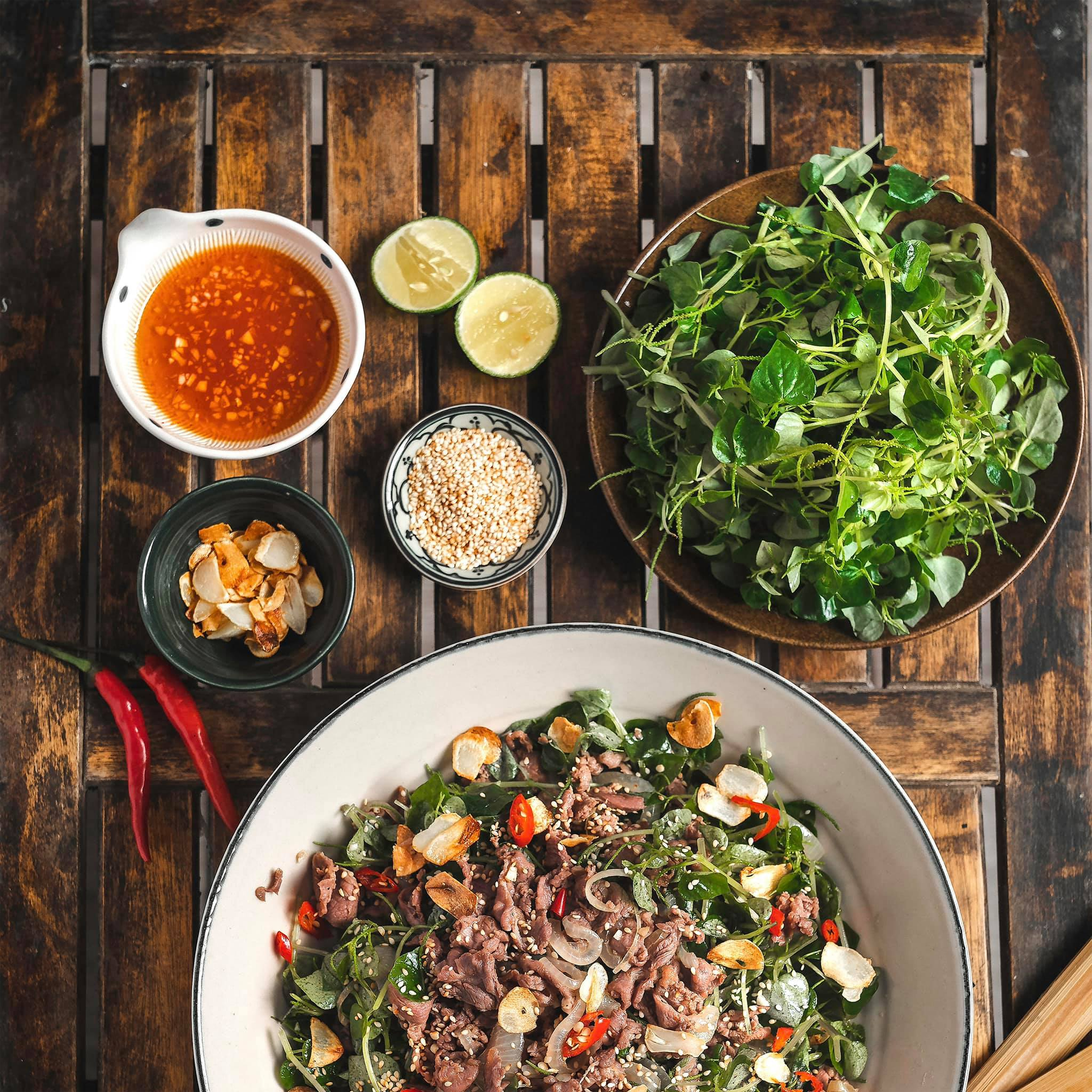 | 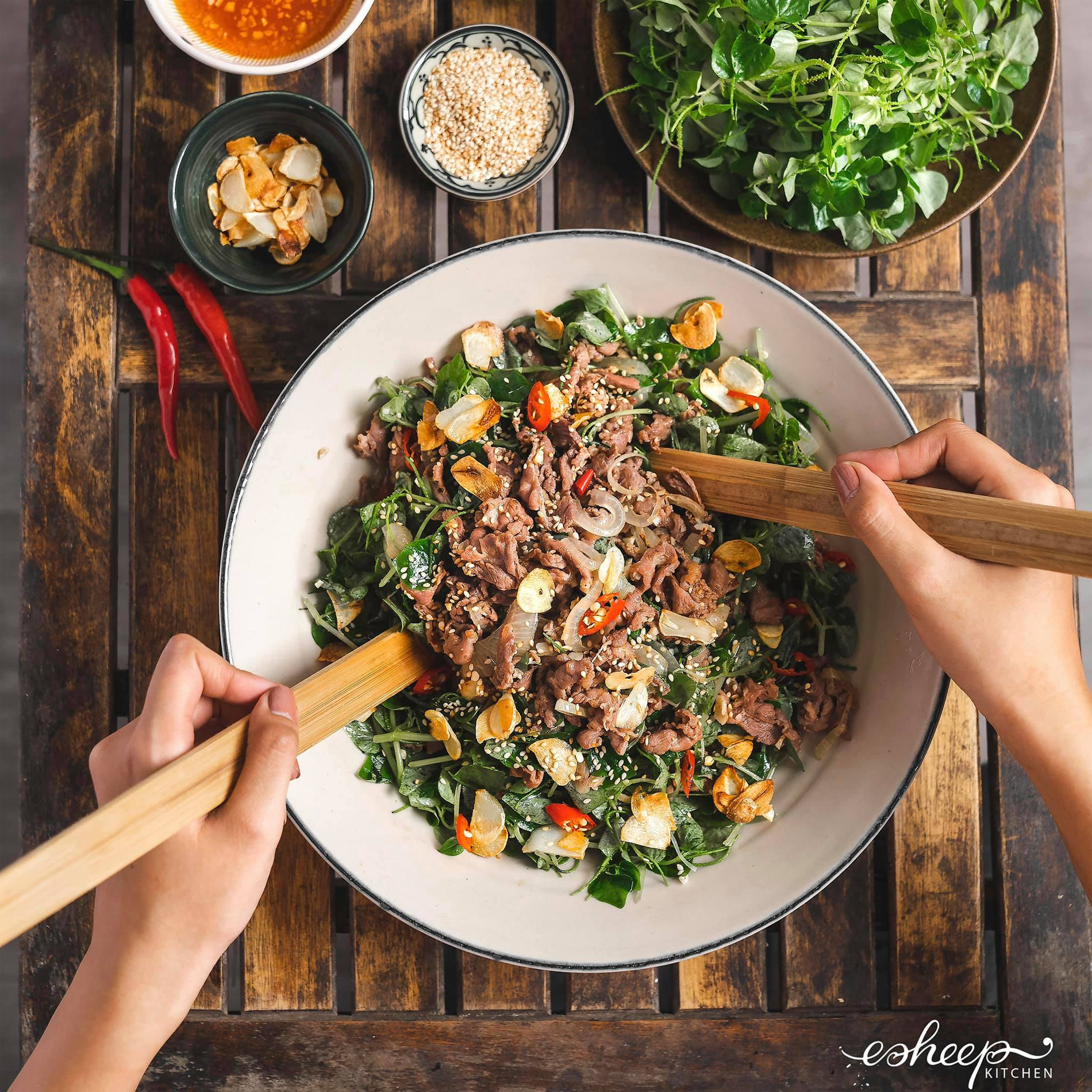 |
Once the beef is cooked through, remove it from the pan and let it cool before mixing. Mixing it while the meat is still hot will cause the purslane to wilt, making the dish less appealing and less flavorful.
Purslane salad with beef is often topped with crushed roasted peanuts and served with a sweet and sour fish sauce. The refreshing sourness of the crisp purslane blends perfectly with the rich flavor of the beef and the nutty richness of the peanuts, creating a dish that anyone who tries it once will never forget.
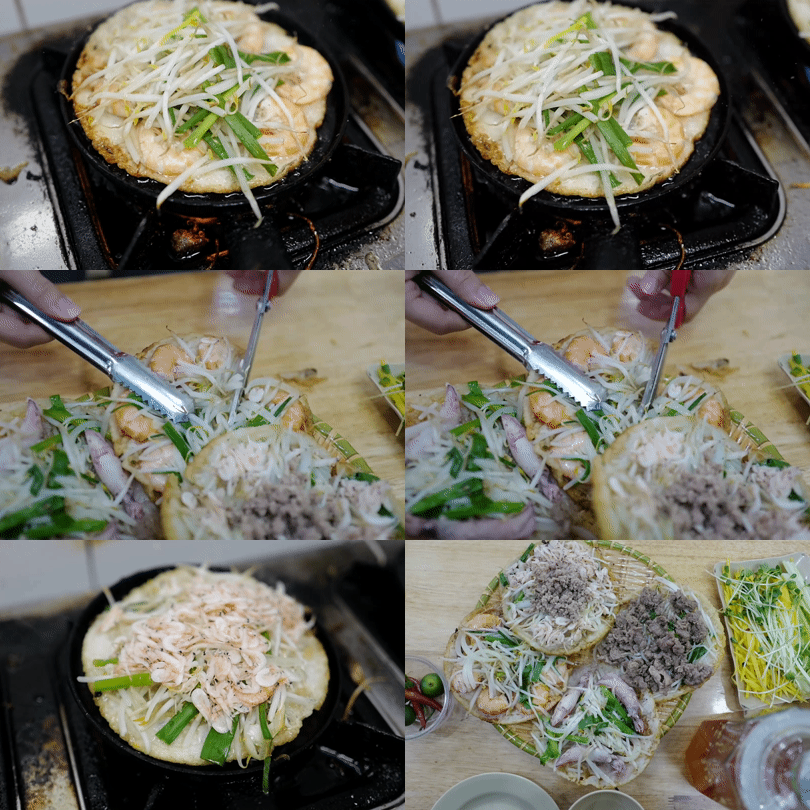
Besides being used in salads, purslane is also used as a raw vegetable. People in Southern Vietnam often eat this vegetable with mustard greens, mango shoots, herbs, etc., when enjoying banh cong and banh xeo.
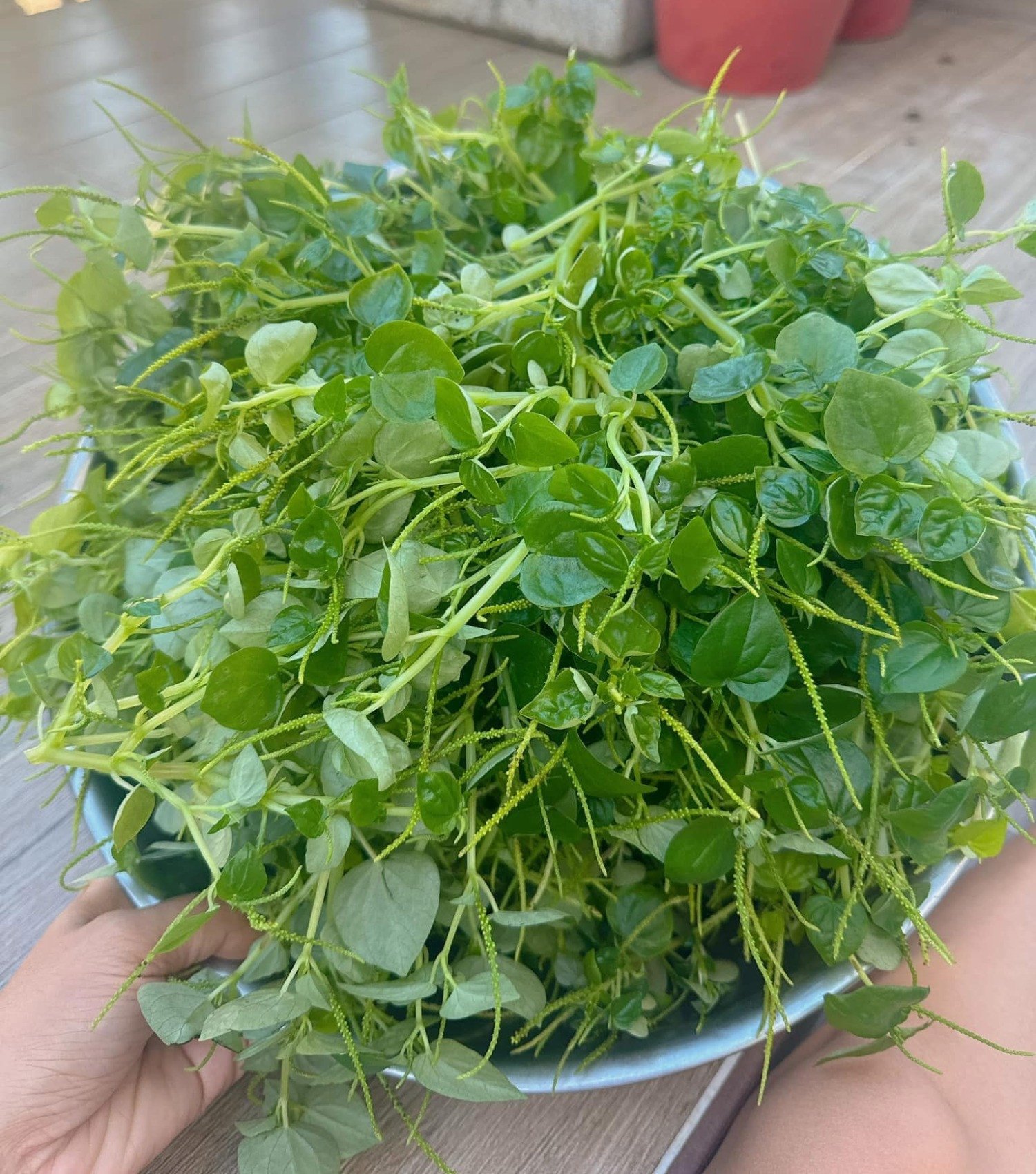
According to herbalist Vu Quoc Trung (Hanoi Traditional Medicine Association), purslane not only has a delicious and unique flavor but is also rich in nutrients. This vegetable contains a high amount of fiber, which helps prevent cardiovascular disease and atherosclerosis.
In addition, minerals such as potassium and magnesium found in purslane help control blood pressure, reduce blood fat, lower blood sugar levels, and prevent complications of cardiovascular disease.
However, purslane contains a lot of water and has diuretic properties, so it should be consumed in moderation in the evening. People with allergies, asthma, or a history of asthma should avoid this vegetable.
People with a cold constitution and cold hands and feet should also be cautious and consider carefully before eating dishes made from purslane.
Source: https://vietnamnet.vn/dac-san-troi-ban-duoc-vi-nhu-than-duoc-co-tu-nam-ra-bac-an-ngon-lai-bo-2381228.html






















![[Video] The craft of making Dong Ho folk paintings has been inscribed by UNESCO on the List of Crafts in Need of Urgent Safeguarding.](https://vphoto.vietnam.vn/thumb/402x226/vietnam/resource/IMAGE/2025/12/10/1765350246533_tranh-dong-ho-734-jpg.webp)






















































Comment (0)