

CropLife International (CLI), in collaboration with the Plant Protection Department (Ministry of Agriculture and Rural Development), the European Chamber of Commerce in Vietnam (EuroCham), and CropLife Vietnam (CLV), recently organized the 2024 International Conference on Pesticide Packaging Management (CMS2024).
The conference aims to create a forum for exchanging information and sharing experiences among leading experts worldwide, with the goal of promoting safe and effective practices for managing pesticide packaging and other agricultural plastics, towards sustainable agricultural development and supporting the circular economy .
The conference lasted for 3 days from September 4 to 6, revolving around various topics on collection and management of pesticide packaging as well as trends in management and support for these activities globally, with a focus on discussions in Asia and Vietnam.
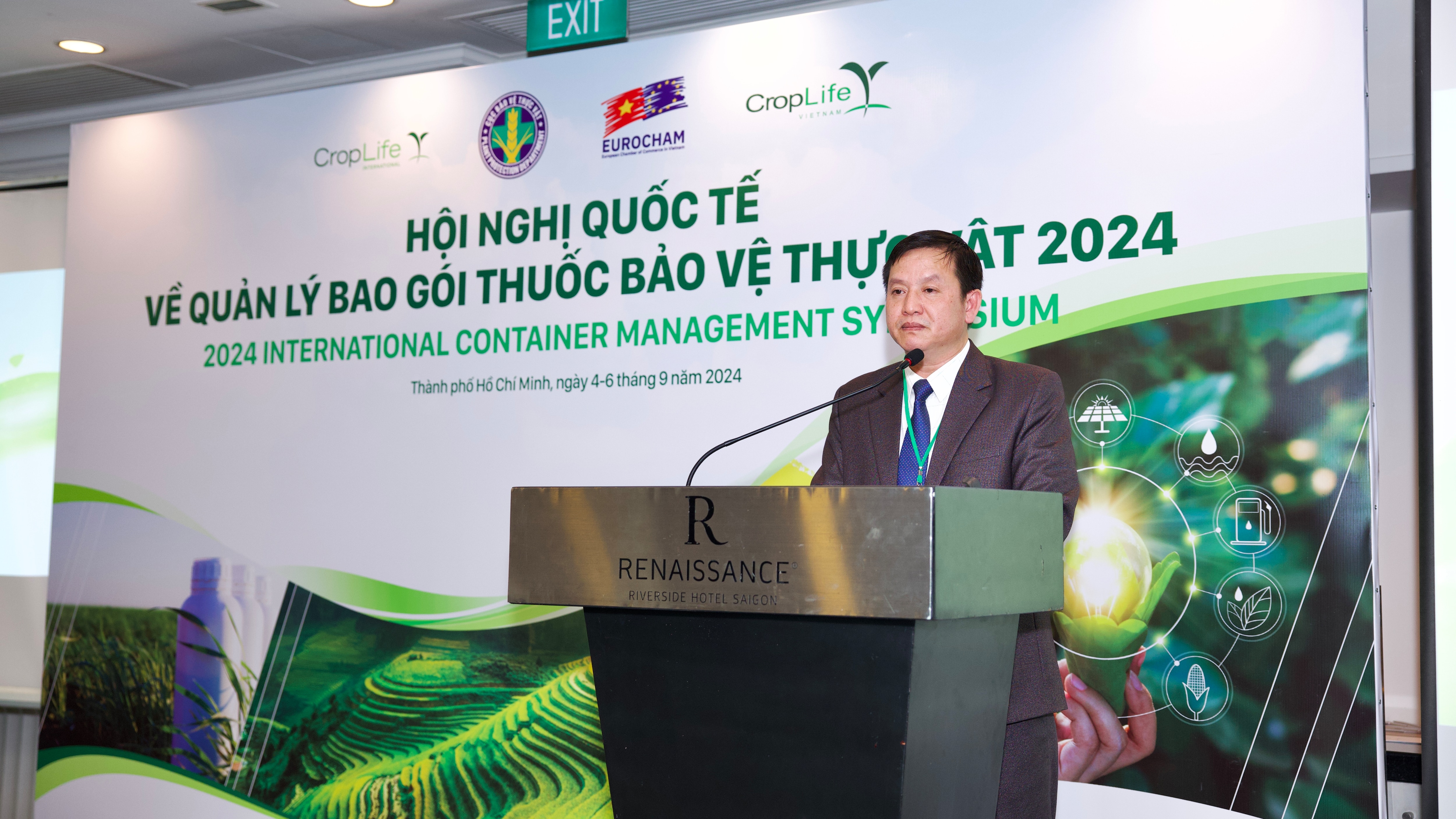
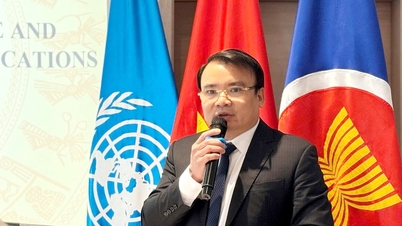
Mr. Huynh Tan Dat - Director of Plant Protection Department delivered the opening speech at the conference.
Opening the conference, Mr. Huynh Tan Dat – Director of the Plant Protection Department – stated: “The Plant Protection Department highly appreciates the objectives of this conference, especially in emphasizing the importance of strengthening cooperation and sharing responsibility among all stakeholders to promote sustainable management methods and practices for collecting and disposing of pesticide packaging. This is a crucial link in the entire product lifecycle management process of the industry. From a management perspective, we also hope that experts at the conference will share more experiences and mechanisms for managing used pesticide packaging in other countries so that we can continue to provide guidance and implement appropriate management methods in Vietnam, aiming towards the current goal of sustainable and circular agricultural development.”
Meanwhile, Andrew Ward, Director of CLI Management, emphasized: “CropLife and its member companies have pioneered the implementation of agricultural plastic management by establishing pesticide packaging management systems in over 60 countries. Many of these systems not only handle pesticide packaging but also extend to managing other types of agricultural waste. These systems demonstrate the effectiveness of risk management and create tangible environmental benefits, especially as pesticide containers are recycled into various other plastic products. We believe that bringing together a global community of experts at this conference in Vietnam will create a catalyst for further advancements in this field, and this can be considered a symposium for all stakeholders.”
EuroCham Vietnam Vice President Jean-Jacques Bouflet spoke.
Mr. Siang Hee Tan – Managing Director of CropLife Asia – analyzed the role of legal guidelines in facilitating the successful implementation of pesticide packaging management programs, especially in Asian countries: “Clear and proportionate regulations based on shared responsibility among all stakeholders are becoming increasingly important. All stakeholders in the value chain are responsible for managing pesticide packaging throughout the product's lifecycle. This also ensures a level playing field between manufacturers and importers. CropLife Asia also recommends some mandatory regulations for retailers and distributors regarding the recall of pesticide packaging, as well as for end users regarding rinsing and disposal of packaging after use.”
At the conference, Mr. Dang Van Bao - Chairman of CropLife Vietnam said: "In recent years, CropLife Vietnam has closely coordinated with the Plant Protection Department and many industry partners to deploy pilot models on instructions for safe and effective use of pesticides in key agricultural production areas such as Son La and Dong Thap provinces, including training activities on packaging collection and treatment.
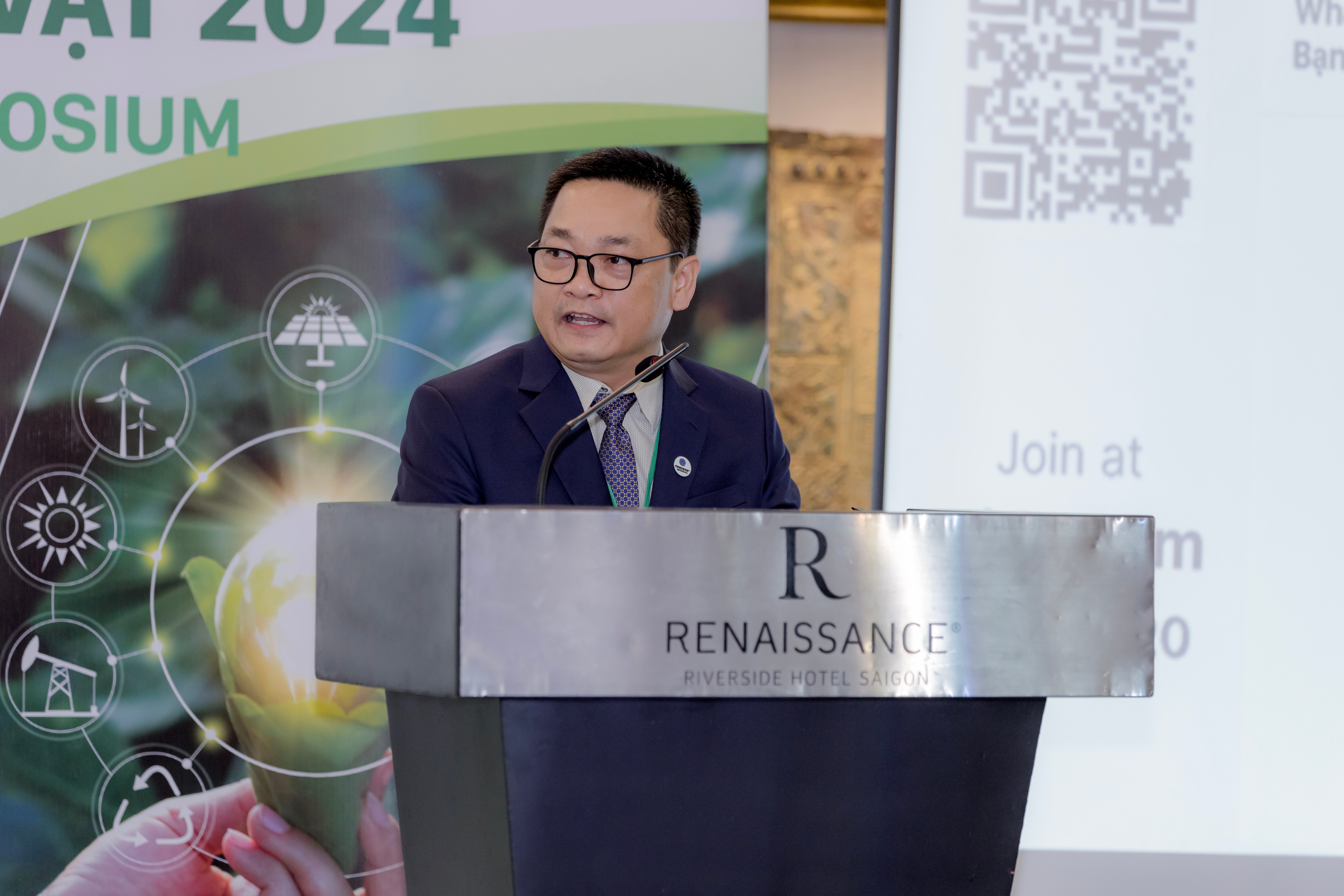
Mr. Dang Van Bao - Chairman of CropLife Vietnam said: "Over the years, CropLife Vietnam has closely coordinated with the Plant Protection Department and many industry partners to deploy pilot models on instructions for safe and effective use of pesticides.
By guiding farmers on how to handle packaging after use, setting up collection points, and organizing various packaging collection campaigns, we hope to gradually change farmers' usage habits in a more sustainable way. Our members also support and proactively contribute funds with the desire to have more financial mechanisms to promote the systematic and long-term collection and processing of pesticide packaging in particular and agricultural waste in general throughout the country.
In addition, we are constantly researching to improve the packaging of plant protection products, using materials that are safe and suitable for Vietnam's farming conditions. These are some specific examples showing the commitments we always pursue in managing products according to the lifecycle principle.”
According to Mr. Jean-Jacques Bouflet, Vice President of EuroCham Vietnam: “EuroCham has been actively promoting sustainability activities in Vietnam, including organizing the Green Economy Forum and Exhibition (GEFE) in 2022 and planning to organize another one in October 2024. These important events play a crucial role in fostering discussions about the future of sustainability, thereby enhancing our role. We are committed to supporting Vietnam’s vision of a sustainable future, particularly in the agricultural sector. Sustainable agriculture is vital for food security, environmental protection, and economic growth, and EuroCham is ready to collaborate with the government, members, and stakeholders to address the challenges in managing agricultural plastic waste.”
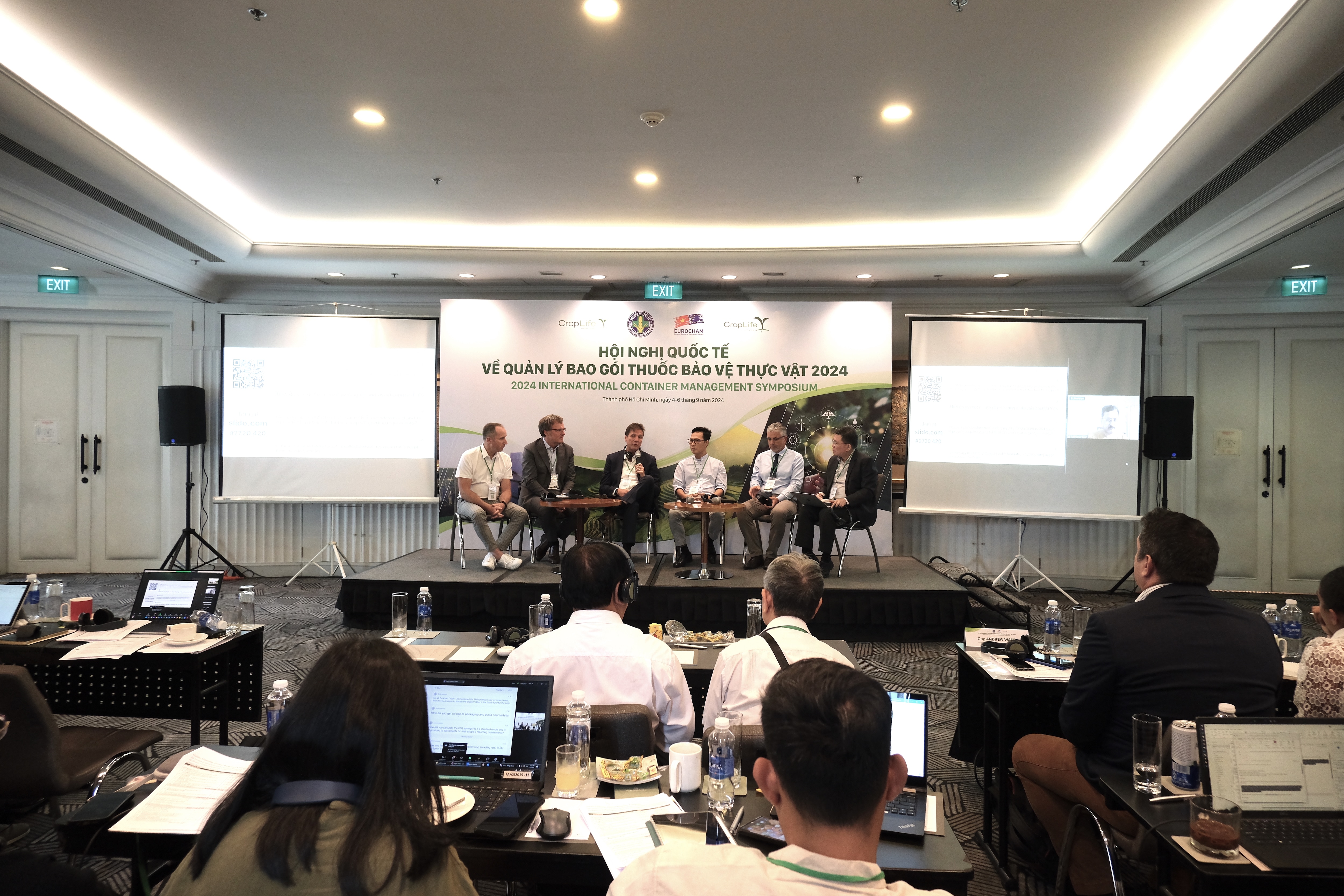
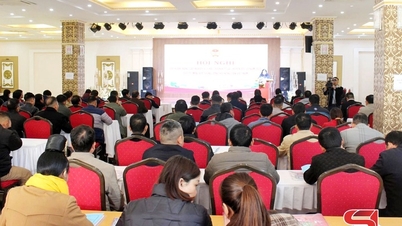
Delegates participated in discussion at the conference.
This international conference brought together more than 50 leading experts worldwide on packaging management, along with officials from pesticide regulatory agencies and pesticide associations in Southeast Asian countries. Over the three days of the conference, experts presented and exchanged views on various aspects of pesticide packaging management.
The first day of the conference will serve as a forum for representatives from Vietnam and other Asian countries to update information on policies and the management of pesticide packaging. In this session, experts will also share the key factors contributing to the success of establishing pesticide packaging management systems in regions such as Europe, North America, Latin America, Africa, and the Middle East, along with some pilot programs on collecting and processing pesticide packaging in several Asian countries such as China, India, Malaysia, Indonesia, and Vietnam.
The second day focused on two major issues related to pesticide packaging management: Updating the implementation of the EPR (Extended Producer Responsibility) mechanism for pesticide packaging management activities and applying advanced technologies in training, communication and scaling up of packaging management activities in countries.
The third day of the conference will be divided into two parts. In the morning, experts will continue to discuss international agreements related to the management of pesticide packaging, as well as expand the discussion on plastic management in agriculture. In the afternoon, delegates will visit a model for collecting and processing pesticide packaging at a farm that meets Global GAP standards for export to the European market.
CMS is an initiative of CLI, with the first symposium held in Beijing in 2018 and the second in Shanghai (2019). This initiative was relaunched in Vietnam in 2024, demonstrating the plant protection industry's commitment to managing pesticide products throughout their lifecycle – including promoting rational and responsible management of packaging waste in all markets for all professional users.
Since 2005, CropLife and its global network of associations have implemented pesticide packaging management activities in over 60 countries; as of 2022, the total volume of collected packaging exceeded 1.4 million tons.




















![[Photo] Urgently help people soon have a place to live and stabilize their lives](/_next/image?url=https%3A%2F%2Fvphoto.vietnam.vn%2Fthumb%2F1200x675%2Fvietnam%2Fresource%2FIMAGE%2F2025%2F12%2F09%2F1765248230297_c-jpg.webp&w=3840&q=75)

















































Comment (0)