

Opportunities and challenges are intertwined.
According to the Vinh Long Provincial Center for Industrial Promotion and Trade Development, following the administrative unit merger and the transition to a two-tiered local government model, the management and implementation of industrial promotion policies in the province have undergone many changes.
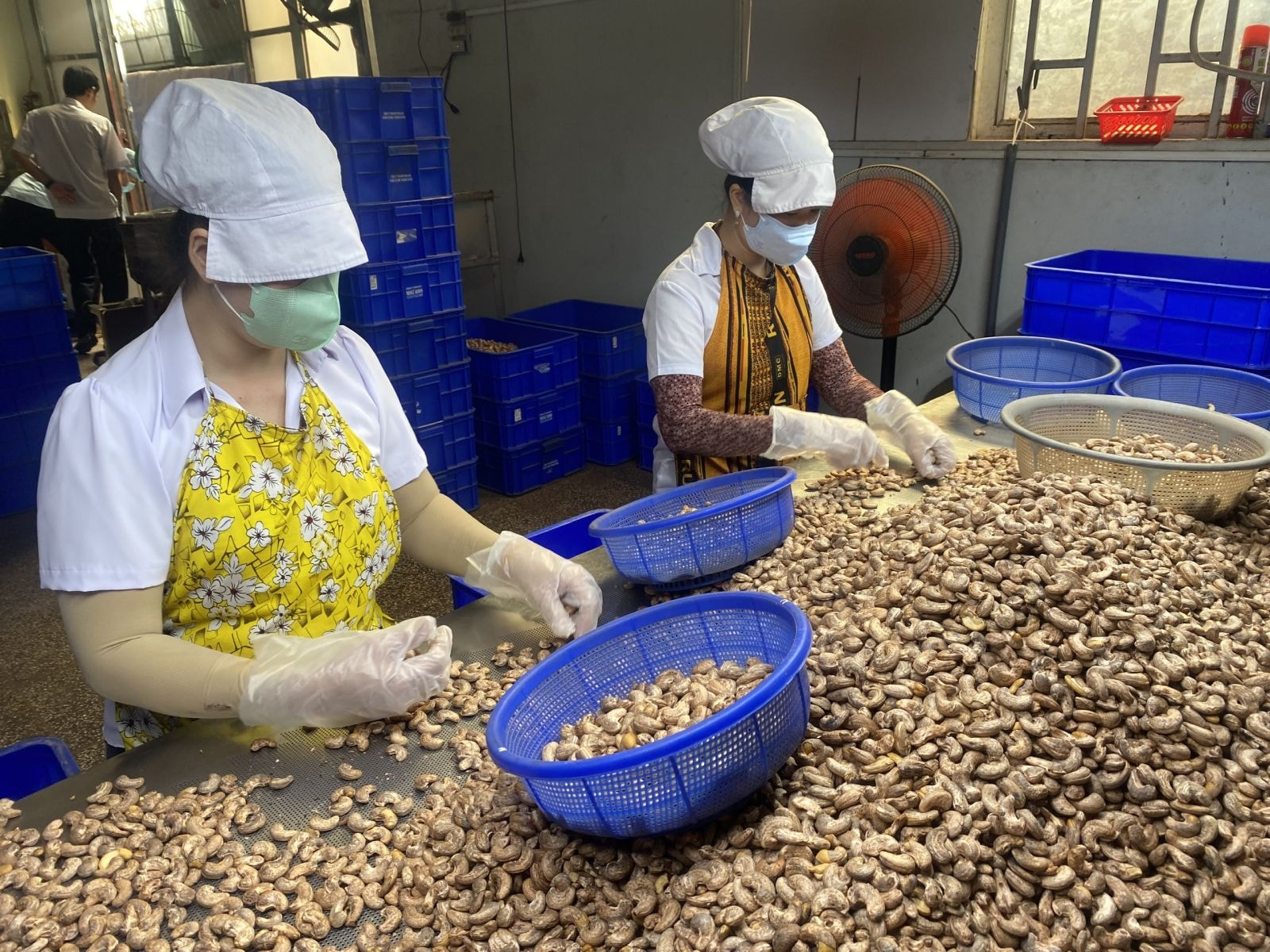
With its large geographical area, dense population, and diverse production sectors, Vinh Long faces both opportunities to leverage its regional strengths and challenges in coordinating, linking, and allocating resources rationally and effectively across different regions. To effectively implement industrial promotion programs, in July 2025, the Provincial People's Committee submitted to the Provincial People's Council Resolution No. 11/2025/NQ-HĐND, stipulating the expenditure levels for local industrial promotion activities.
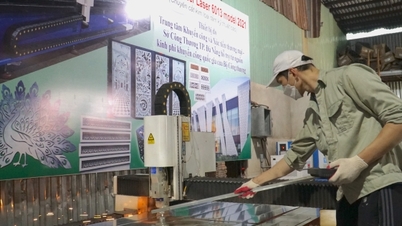
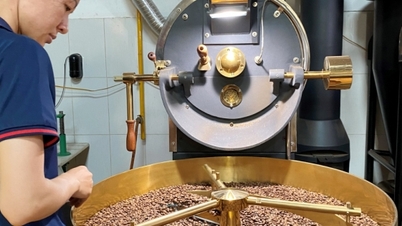
However, industrial promotion efforts in Vinh Long still face many difficulties. Coordination between sectors is not yet truly effective, impacting the progress of support programs. In addition, most businesses in the area are small-scale, with limited financial and management capacity, outdated machinery and equipment, and slow innovation thinking, leading to low awareness of technology application and production transformation.
According to a representative from the Department of Industry and Trade of Tay Ninh province, after the merger, industrial promotion resources have been concentrated and used more effectively, helping rural industrial establishments access support policies more easily and avoiding overlapping. The two-tiered local government model has also contributed to shortening the approval process and increasing proactiveness in implementing support programs. Many technical demonstration models, applications of advanced machinery, and technology transfer have been replicated, gradually forming a production-consumption linkage network in the locality.
However, the disparity in industrial development rates between the two merged areas remains a major challenge in resource allocation. Many production facilities in remote areas are limited in terms of finances and lack information; meanwhile, the local industrial promotion staff lack experience, the databases are not synchronized, and the digital transformation process is slow.
According to the Department of Industry and Trade of Dong Nai province, after the merger, the expanded geographical area has led to a significant increase in the need for support in rural industrial development, while resources and the workforce of industrial promotion officers remain limited. In particular, the shortage of high-quality human resources is a major obstacle in the process of technological innovation and digital transformation.
Furthermore, differences in management mechanisms and policies between the two former provinces require time to adjust, causing delays in the implementation of some projects. The delineation of responsibilities between the provincial and commune/ward levels is not yet clearly defined, affecting the effectiveness of support for businesses. Notably, industrial promotion activities at the commune level are still relatively new and have not been allocated separate funding, leading to difficulties in planning and coordinating the implementation of tasks at the local level.
Strengthening coordination and training of industrial promotion officers.
To build upon the achievements and maximize the potential and opportunities in implementing industrial promotion activities, the provinces and cities in the southern region have determined to continue implementing a comprehensive range of solutions to overcome difficulties and improve the effectiveness of support for businesses.
Accordingly, the Department of Industry and Trade of Dong Nai province will review and adjust industrial promotion policies to better suit practical realities, and at the same time advise on the issuance of guidelines for implementing Decree 235/2025/ND-CP (amending and supplementing Decree 45/2012/ND-CP on industrial promotion). Coordination between the two levels of government will be strengthened, linked with training and development of industrial promotion staff.
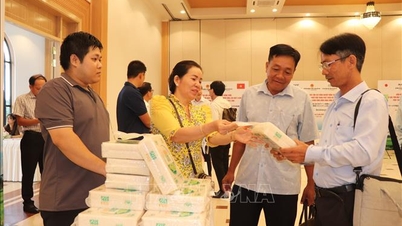
Encouraging rural industrial enterprises to innovate technology, adopt technical advancements, build brands, and expand markets through trade promotion will also be a focus in the coming period. At the same time, the industrial promotion program will be closely linked with national target programs on building new rural areas and sustainable poverty reduction, aiming to create a ripple effect and maximize overall effectiveness.
The Vinh Long Provincial Center for Industrial Promotion and Trade Development proposes that, in the future, it is necessary to streamline the organizational structure and standardize coordination procedures between agencies and units from the provincial to the commune level, and at the same time establish a focal point for industrial promotion at the grassroots level to promptly receive and respond to the needs of businesses.
Simultaneously, the province will strengthen training and professional development for industrial promotion officials to improve their management capacity and policy implementation. Information dissemination and awareness campaigns will be intensified, reaching even remote areas, especially communes that have achieved new rural development standards and traditional craft villages.
Local authorities will also coordinate and integrate industrial promotion activities with trade promotion, e-commerce, and tourism to expand markets and enhance product value. On-site surveys and inspections will be conducted more frequently to understand the reality on the ground, promptly address difficulties, and ensure transparency, accountability, and effectiveness in the implementation of industrial promotion projects.
The Department of Industry and Trade of Tay Ninh province stated that in the coming period, it will focus on implementing Decree 235/2025/ND-CP, while simultaneously developing a rural industrial development plan that links the region with the industrial, agricultural, and logistics sectors. The locality prioritizes supporting businesses in technological innovation and improving product quality according to green standards, aiming for sustainable development.
Simultaneously, Tay Ninh will build a digital database connected to the national system and develop a regional industrial promotion model, especially in its strong areas of agricultural and food processing.
Source: https://daibieunhandan.vn/khuyen-cong-khu-vuc-phia-nam-tang-cuong-doi-moi-phat-trien-ben-vung-doi-moi-nang-cao-hieu-qua-chinh-sach-khuyen-cong-sau-sap-nhap-10392846.html
![[Photo] Prime Minister Pham Minh Chinh holds a phone call with the CEO of Russia's Rosatom Corporation.](/_next/image?url=https%3A%2F%2Fvphoto.vietnam.vn%2Fthumb%2F1200x675%2Fvietnam%2Fresource%2FIMAGE%2F2025%2F12%2F11%2F1765464552365_dsc-5295-jpg.webp&w=3840&q=75)





































































Comment (0)