

.jpg)
Many significant changes have occurred.
During the past term, Party committees and authorities at all levels focused on leadership and guidance, considering administrative reform as a central and continuous task. Agencies and units proactively concretized resolutions and action programs, issuing administrative reform plans suitable to the practical situation of each locality; at the same time, strengthening inspection and supervision to ensure implementation progress.
The process of drafting, reviewing, and inspecting legal documents is carried out rigorously and according to procedures, ensuring their constitutionality, legality, and feasibility. The quality of document appraisal has been improved, contributing to the refinement of the local legal system.
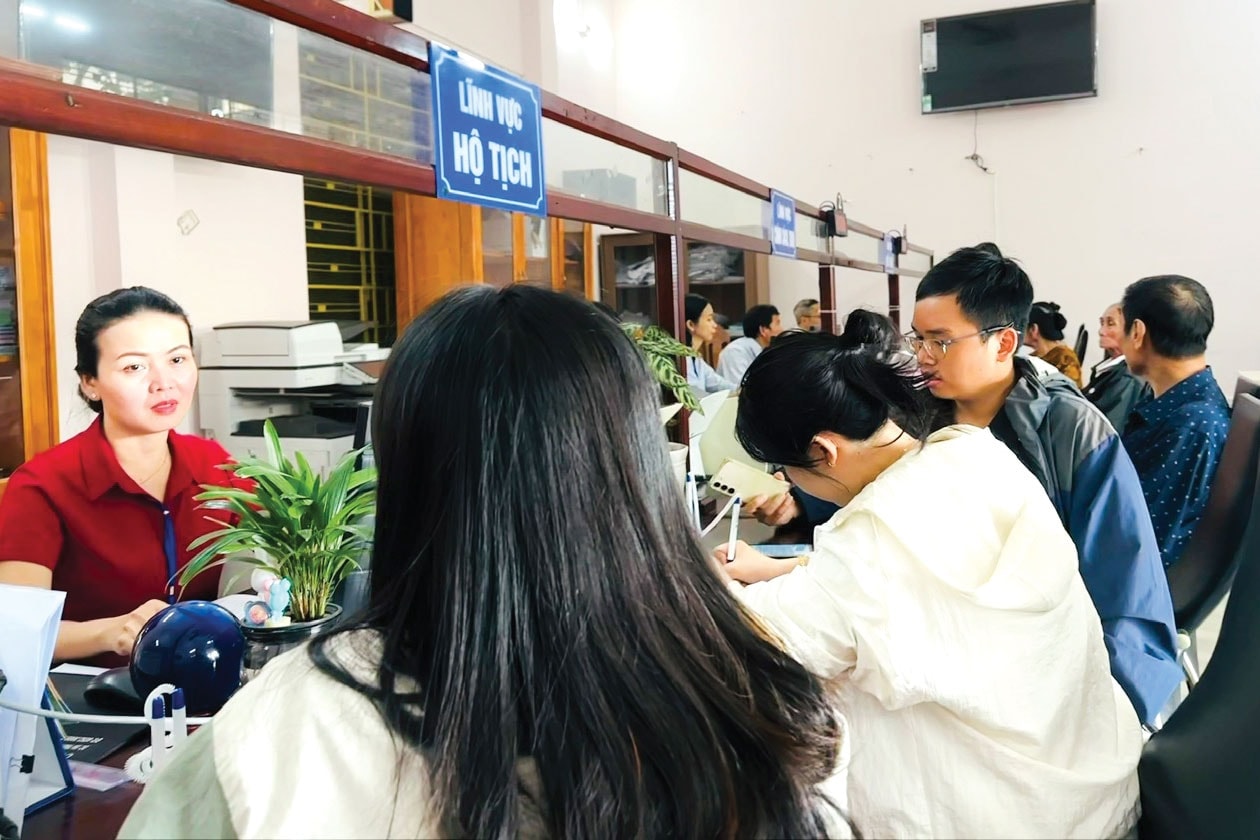
Administrative procedures reform has seen significant progress. The one-stop shop and integrated one-stop shop mechanisms operate smoothly; the rate of timely processing of applications has increased significantly. Administrative discipline and order have been tightened; the responsibility of heads of departments has been emphasized. Local authorities maintain regular dialogue and promptly address difficulties for businesses.
The application of information technology and digital transformation has been intensified. The provision of online public services, digitization of documents, and online payments have been expanded; information on administrative procedures is publicly available via QR codes at agencies and units, making it easy for citizens to look up information. Many initiatives have been effectively implemented, such as: "Citizens don't have to write," "Paperless Document Day," "Mobile Authentication," "Paperless Documents," and "Application of AI in resolving administrative procedures."
Following the merger, the (new) Lam Dong province continues to expand many reform models such as "Non-administrative boundary records," "No appointment required for records," and "Digital public administrative procedures," creating maximum convenience for citizens and businesses.
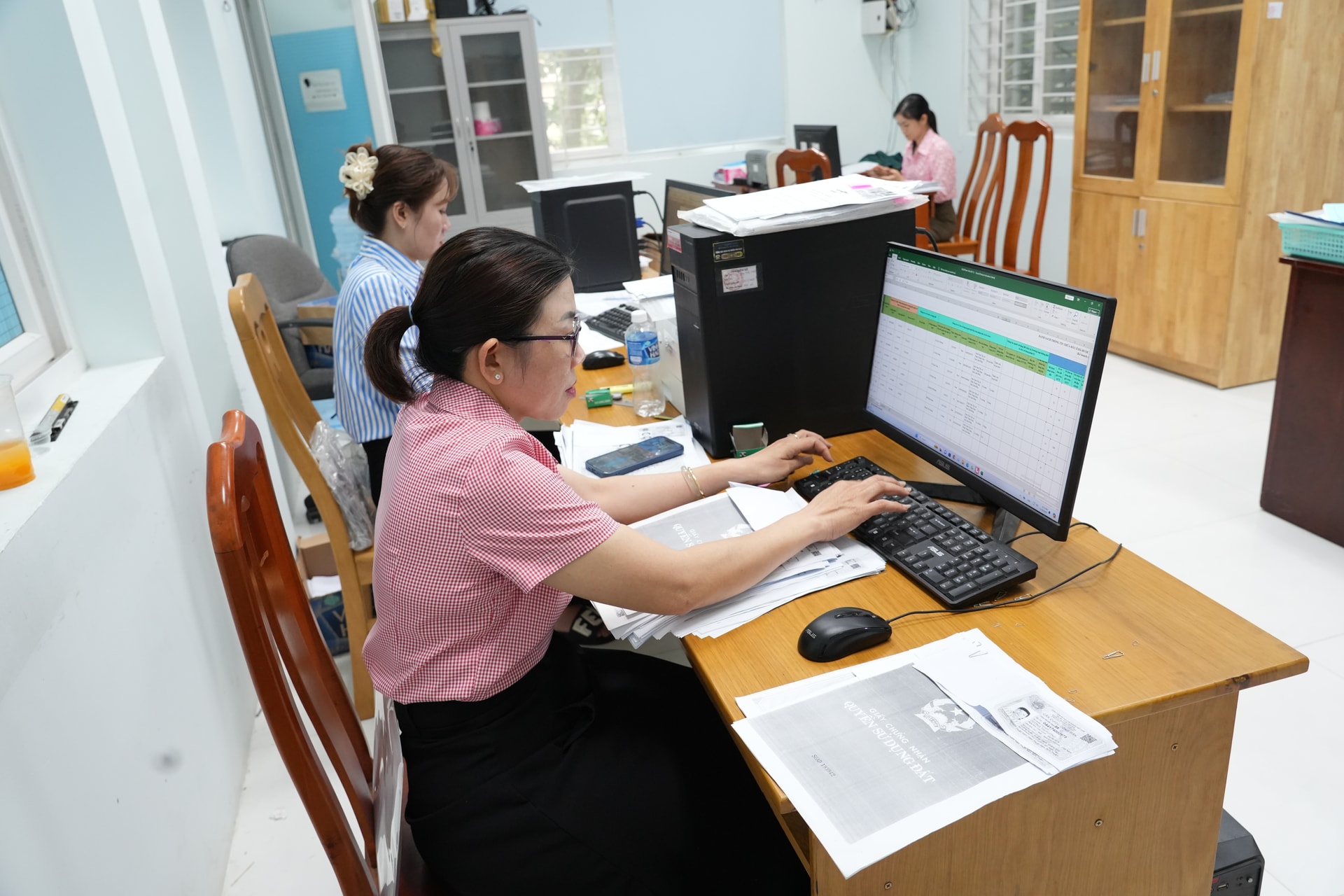
Administrative procedures control has been implemented synchronously. The province has issued 36 decisions announcing the list of administrative procedures with 2,358 procedures at all levels; fully publicizing them on the Public Service Portal and the electronic one-stop system. 100% of administrative procedures at the provincial and commune levels have internal and electronic procedures.
The entire province provides 2,227 online public services; the rate of digitized documents reached over 67%, and the rate of electronic results exceeded 72%. The system of Public Administrative Service Centers from the provincial to the commune level has been strengthened, equipped with complete facilities, surveillance cameras, smart result delivery kiosks; and priority counters have been arranged for vulnerable people.
From July 2025 to the present, the province has consistently been among the top 13 localities nationwide in terms of the quality of administrative procedure processing on the National Public Service Portal.
However, administrative reform still faces limitations: people are not yet confident in using online public services; IT infrastructure in some communes is not yet synchronized; vertical software systems are not yet stably interconnected; administrative procedures change frequently; and downsizing the workforce remains difficult, especially in education and healthcare.
Determined to create a breakthrough
Entering a new phase, Lam Dong province is determined to continue promoting administrative reform, building a modern, transparent, effective, and efficient administrative system.
Party-level reform: Party committees at all levels strengthen leadership, emphasize the responsibility of leaders; improve the quality of document issuance; perfect the Party member data system; invest in equipment to support digital transformation.
Government's administrative reform: The Provincial People's Committee issued a plan for administrative reform for the period 2026-2030; strengthened inspection and self-inspection; launched an emulation movement for administrative reform; and encouraged innovation and creativity. The Public Administration Reform Index (PAR Index) and SIPAS are assessed annually using new methods and applying technology.
Institutional reform focuses on improving the quality of legal documents, ensuring consistency, timeliness, feasibility, and strengthening the accountability of departments and agencies in law enforcement.
.jpg)
Administrative procedure reform aims at standardizing data; upgrading the Public Service Portal and the electronic one-stop system; promoting the digitization of documents and online payments; and supporting people, especially those in remote areas, to access online public services.
Supervision of officials and civil servants in handling administrative procedures will be strengthened, using citizen satisfaction as a benchmark. Organizational reform will continue to streamline the apparatus, clarify functions and responsibilities, and promote decentralization and delegation of authority coupled with accountability. The province strives to overcome overlaps, reduce intermediate levels, and improve management efficiency.
Civil service reform focuses on building a team of officials who are "the right person for the right job," possessing the necessary qualities and professional competence; transparent recruitment and competitive examinations; job-specific training; strict handling of violations; and strong application of information technology in personnel management.
Reforming public finance towards autonomy, frugality, increased investment in development, especially for digital transformation infrastructure; tightening financial discipline; and effectively managing public assets.
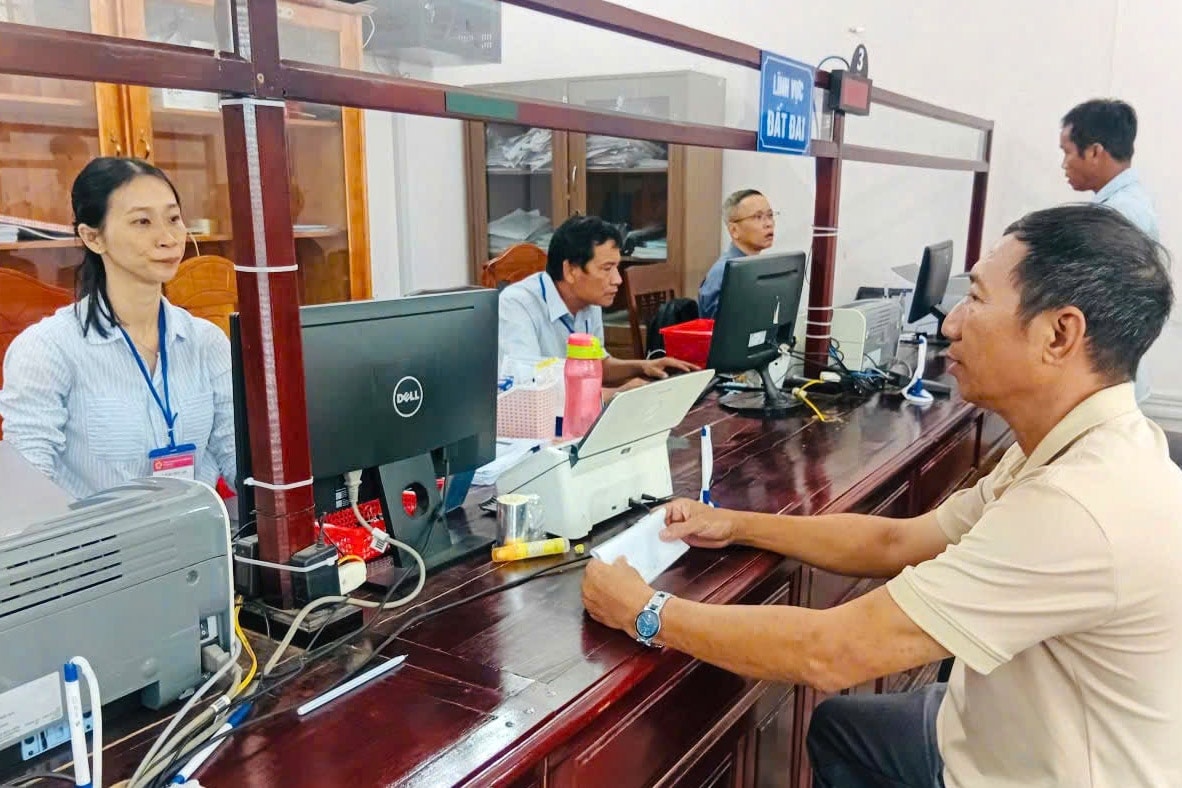
Building e-government and digital government continues to be a key task. The province is promoting data connectivity and sharing; improving broadband infrastructure down to the commune level; ensuring information security; integrating AI into the provision of online public services; and enhancing the capacity of the IT specialist team.
The achievements of the 2021-2025 period, along with clear directions and solutions for the 2026-2030 period, demonstrate Lam Dong's strong determination to build a modern, professional administrative system that better serves the people and businesses. With the spirit of innovation, creativity, and the efforts of the entire political system, the province's administrative reform will continue to create breakthroughs, contributing to the successful achievement of socio-economic development goals in the new period.
Source: https://baolamdong.vn/lam-dong-day-manh-and-doi-moi-cai-cach-hanh-chinh-403487.html





























































































Comment (0)