

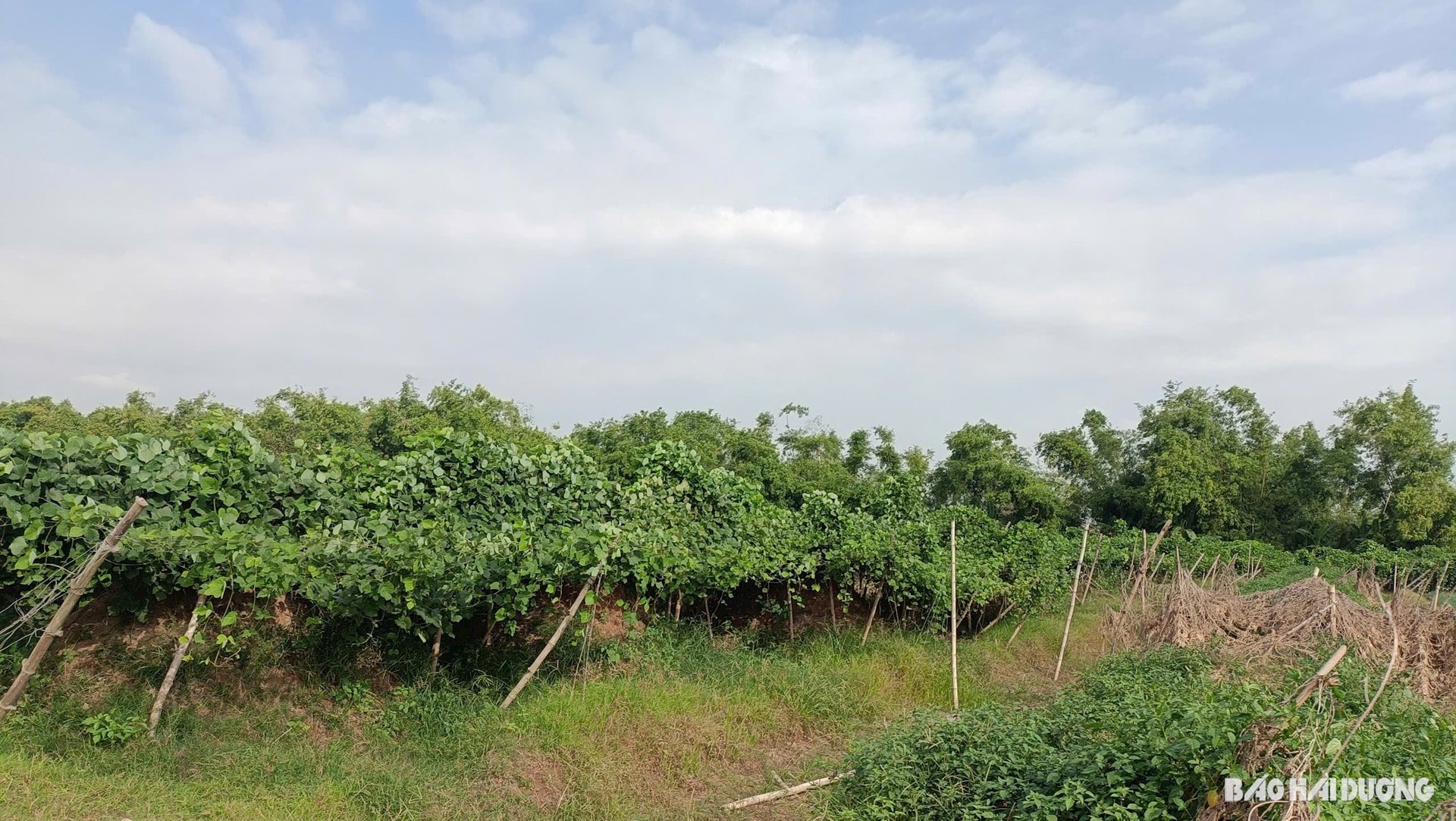
Traditional craft villages are disappearing.
Nearly two months after the Provincial People's Committee decided to revoke the title of Ha Trang silk weaving village in Thang Long commune, the local people are still talking about it.
The Ha Trang silk weaving village had its title revoked for failing to meet the criteria stipulated in Government Decree 52/2018/ND-CP dated April 12, 2018. According to the regulations, a craft village must have at least 20% of its households participating in the craft, but this village has ceased operations.
Mr. Pham Huu Hanh, Party Secretary and Head of Ha Trang village, recounted that in the past, when silkworm breeding was thriving, people would spread cocoons to dry all over the village roads, creating a constant hustle and bustle with traffic.
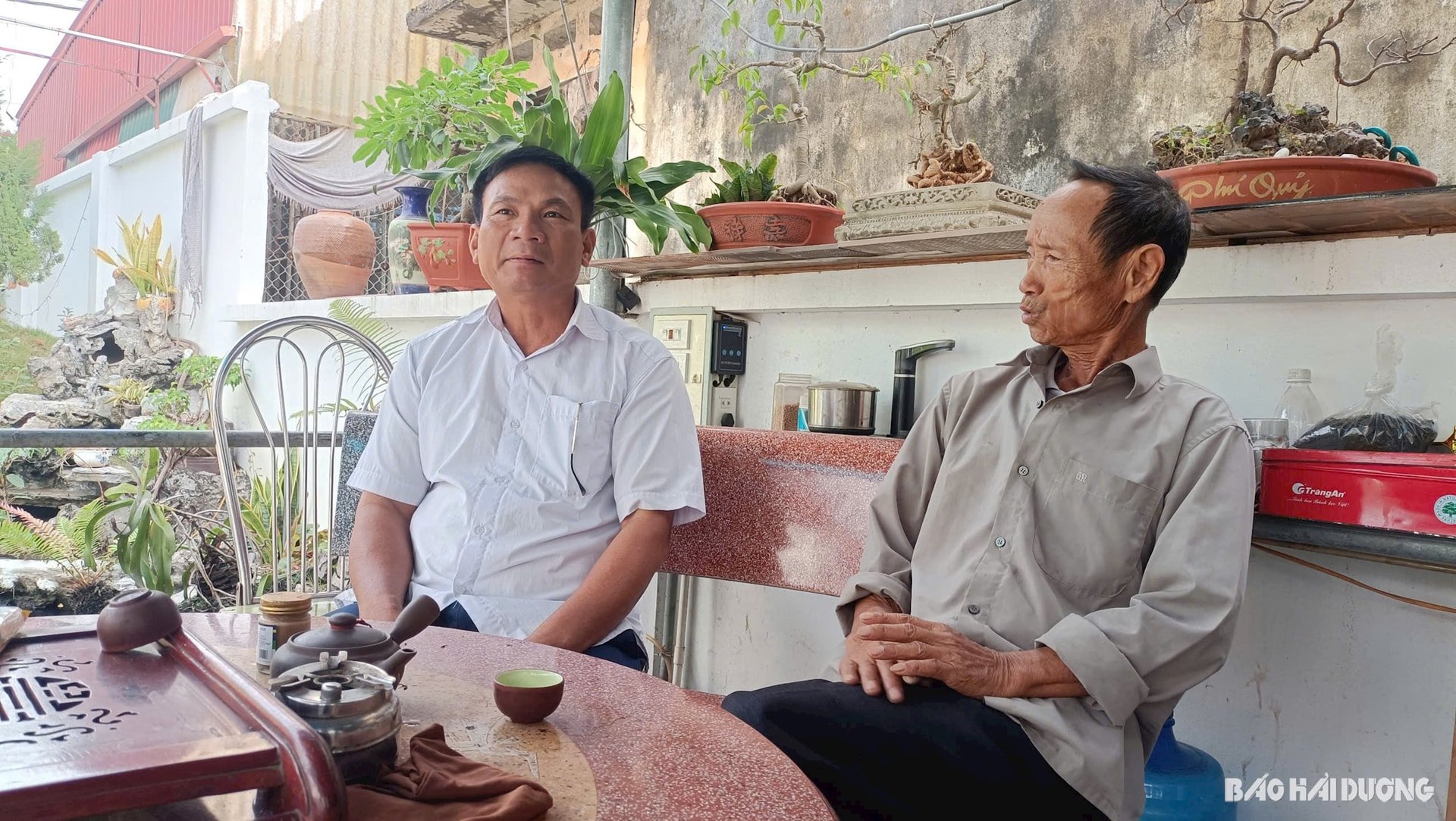
Mr. Ta Van Da, the first person to plant mulberry trees and raise silkworms, and also the last to cease this activity in Ha Trang, regretfully said: "Thanks to silkworm farming, my family had enough to eat and save, and we were able to provide our children with a proper education. I still have 4 acres of mulberry trees and raise 6 cycles of silkworms."
According to Mr. Đá, the decline of the craft and the loss of the title of "craft village" also mean the disappearance of its significant economic value.
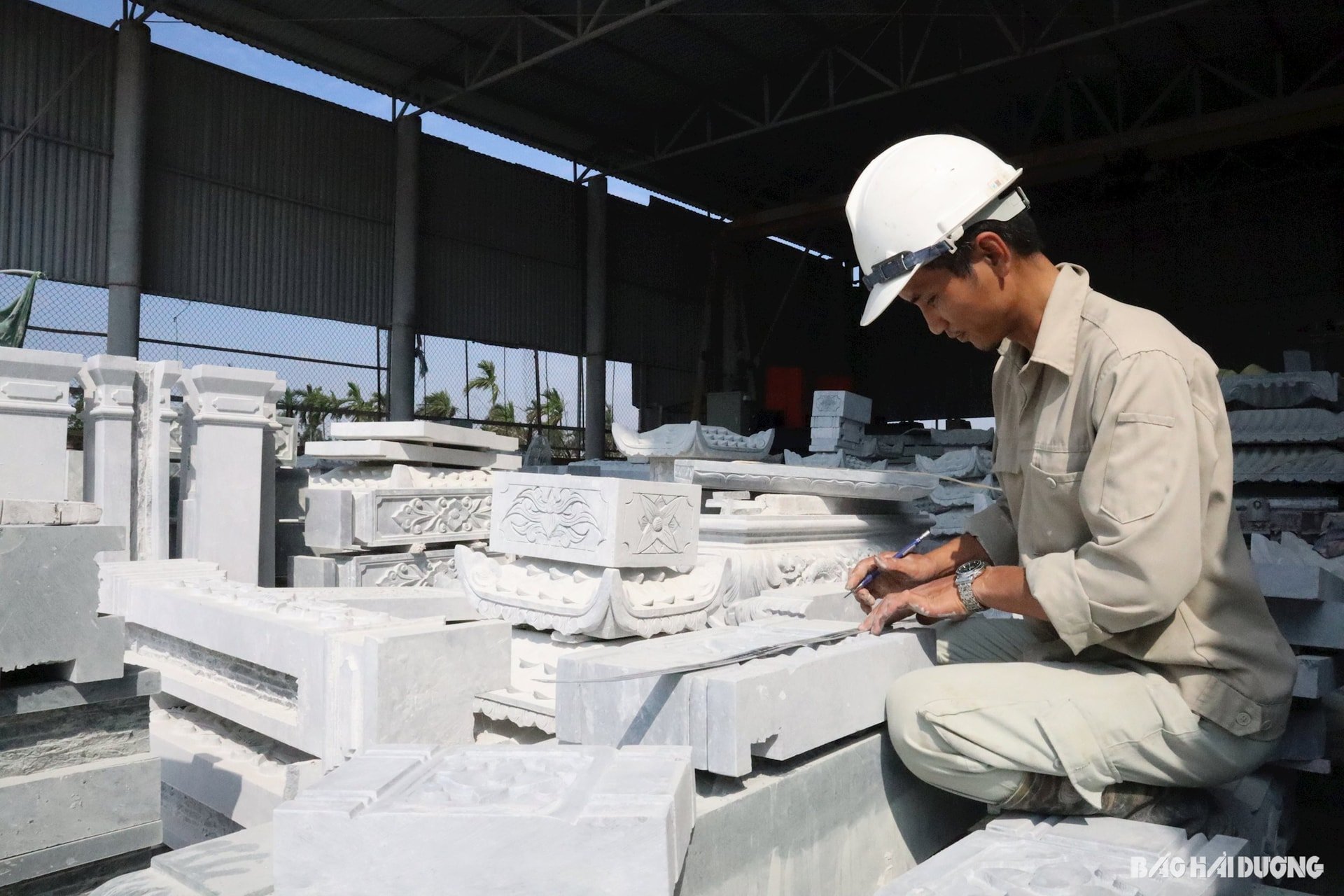
The Duong Nham stone carving village in Pham Thai ward also had its title revoked at the same time. Ms. Nguyen Thi Ly, owner of Vu Nghia stone art workshop, one of the two remaining workshops in Duong Nham, said that losing the title of craft village greatly affected the overall brand and impacted the economic interests of the remaining households like hers. “Business thrives with companionship and community. If the craft village developed well and many people worked together, our business would be more successful,” Ms. Ly said.
Besides bringing economic value, traditional craft villages also contain cultural and historical values, creating a unique identity for each rural area and being a source of pride for the local people.
Since the Le Dynasty, the stone carving craft of Duong Nham has received attention and continuously developed. To this day, the system of stone steles in Kinh Chu Cave (Kinh Mon), the stele at Con Son Pagoda (Chi Linh), and the Ho Dynasty citadel... all bear the mark of Duong Nham stone carvers. "If we lose the title of traditional craft village, future generations will no longer know about the cultural and historical values that our ancestors left behind," said Mrs. Ly.
Kinh Mon town currently has two traditional craft villages producing and processing shallots in Hien Thanh ward and producing rice crackers in Tong Buong, Thai Thinh ward, but they are also facing difficulties. The People's Committee of Kinh Mon town is taking steps to complete the dossiers to request the revocation of the titles for these two craft villages.
What caused this?
Traditional craft villages in Kinh Mon town have had their titles revoked or are at risk of having them revoked due to not meeting the required percentage of households practicing the craft. The abandonment of traditional crafts by households has been ongoing for many years due to various reasons.
The main reason is that people have developed the trade haphazardly without proper planning, and have not invested in science and technology to improve product quality and competitiveness in the market.
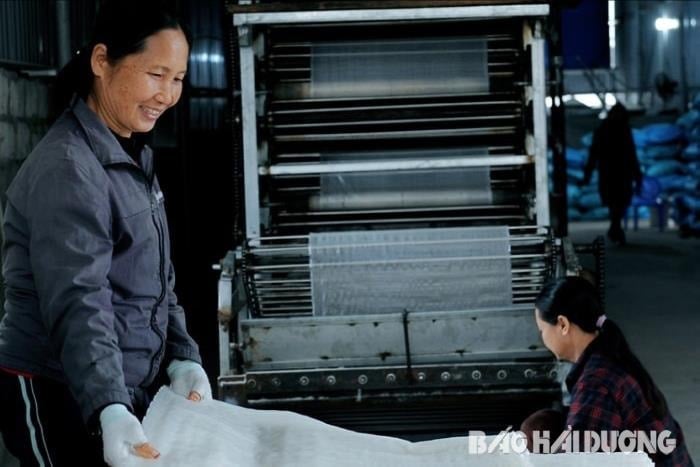
The Tong Buong residential area in Thai Thinh ward has 580 households. At its peak, the area had over 100 households engaged in rice cracker production. Due to a lack of investment in machinery and the use of handcrafted products, the competitiveness was low, leading many households to fail in the trade after a while. Currently, only about 40 households in the Tong Buong rice cracker production village are still engaged in the trade, accounting for nearly 7% of the households in the area.
However, in this same craft village, two households have invested in semi-automatic production lines, improving productivity and product quality, and creating stable jobs for many other local workers. This demonstrates the necessity of investing in in-depth production in craft villages.
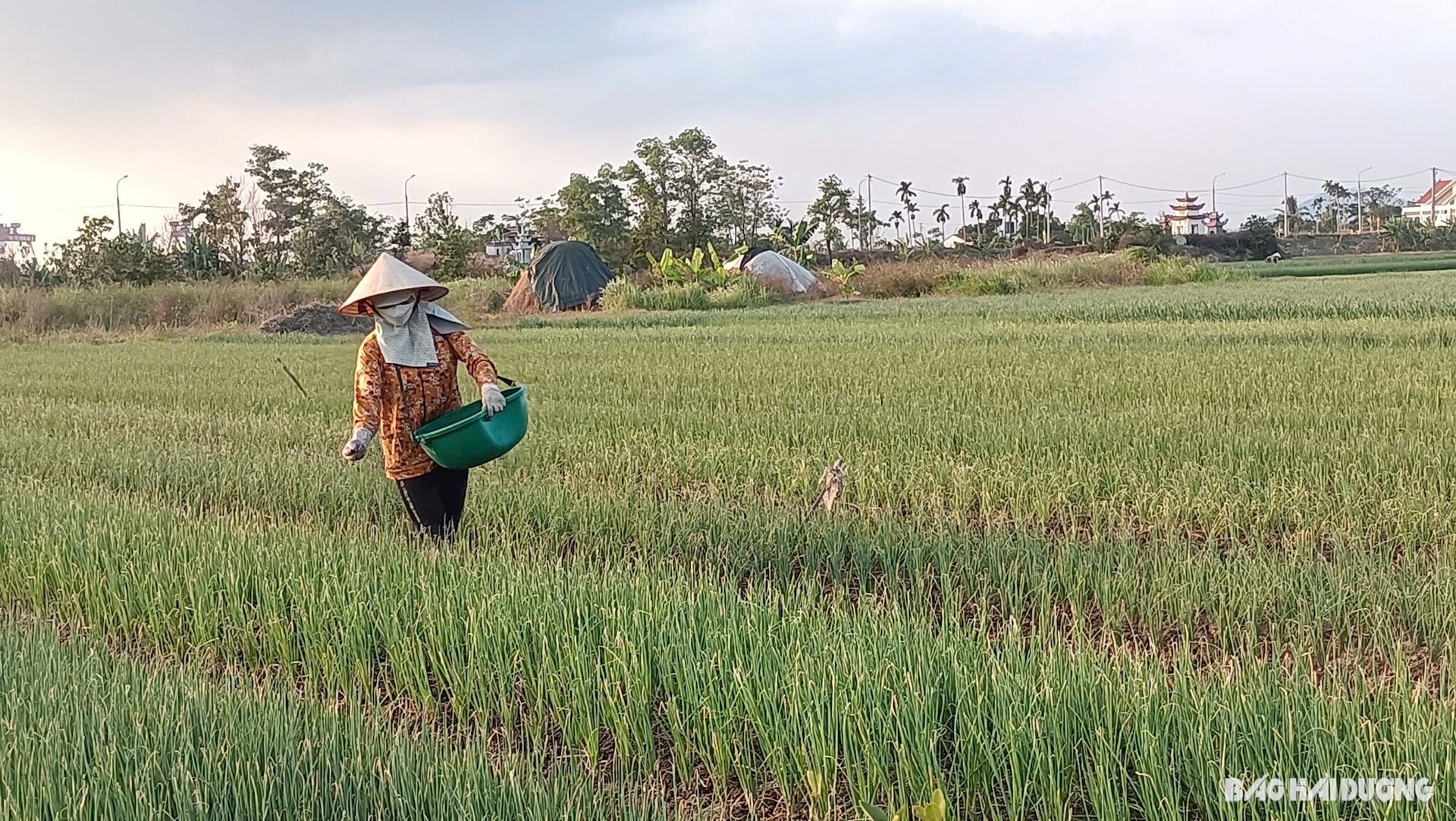
Some traditional craft villages rely too heavily on local raw materials and haven't proactively sought out external sources, making them vulnerable to difficulties. Previously, with abundant fresh onion and shallot supplies locally, Ms. Nguyen Thi Lo, from the onion and shallot processing village in Hien Thanh ward, decided to invest all her capital in a drying facility. However, over the past year, due to pest infestations, adverse weather conditions, and storms, the supply of fresh shallots has been limited, forcing her facility to close frequently. This is also a common challenge for other onion and shallot processing businesses in the area.
Factors such as policy mechanisms, priority access to capital, science and technology, natural disasters, pests and diseases, and market demand also significantly impact the operations of craft villages. "The few remaining households like ours that continue to operate only hope for support from relevant authorities, including preferential capital, land leases for production investment, and environmental protection," said Ms. Nguyen Thi Ly, owner of the Vu Nghia stone carving workshop.
Mr. Le Van Dien, Vice Chairman of the People's Committee of Kinh Mon town, said that continuing to develop local craft villages is a difficult task. Households want support in terms of capital, technology transfer, and concentrated land, but relevant levels and sectors have not yet established specific support mechanisms to encourage them.
PVSource: https://baohaiduong.vn/lang-nghe-o-kinh-mon-gap-kho-402087.html




















































































Comment (0)