

Deputy Prime Minister Tran Hong Ha stated that Vietnam has achieved many successes in poverty reduction, which have been recognized by the international community, but multidimensional poverty reduction poses higher demands, especially in the context of ensuring socio -economic indicators and people's living standards, aiming towards a just, prosperous, and happy society.
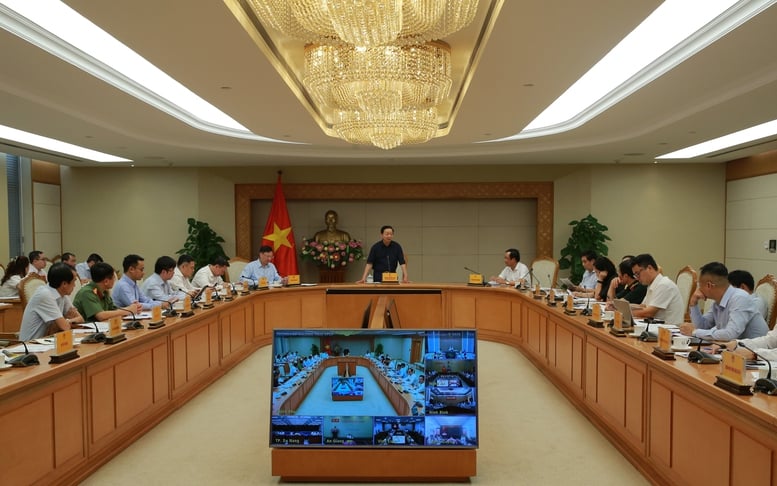
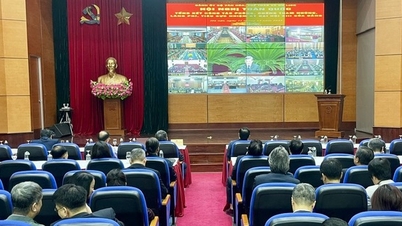
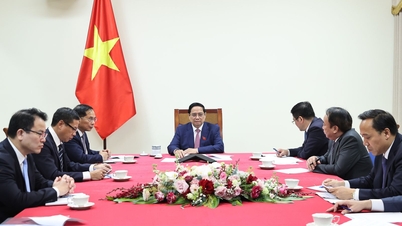
Deputy Prime Minister Tran Hong Ha chaired a meeting on the report proposing investment policies for the national target program on building new rural areas and sustainable poverty reduction for the period 2026-2035; and the draft Decree stipulating the multidimensional poverty standard for the period 2026-2030.
The promulgation of the Decree on the multidimensional poverty standard is a new step forward, both in line with international standards and defining new norms suitable for the development requirements of the current period; it serves as a legal and policy basis for localities to implement in the new term.
Regarding national target programs, the Deputy Prime Minister assessed that the implementation of programs such as building new rural areas, socio-economic development in ethnic minority areas, and sustainable poverty reduction has achieved clear results, but there is still overlap and duplication, causing difficulties in resource allocation. "Many localities are requesting to return funds due to obstacles in the implementation mechanism. Each program has its own capital, its own mechanism, and its own administrative structure, leading to difficulties in management."
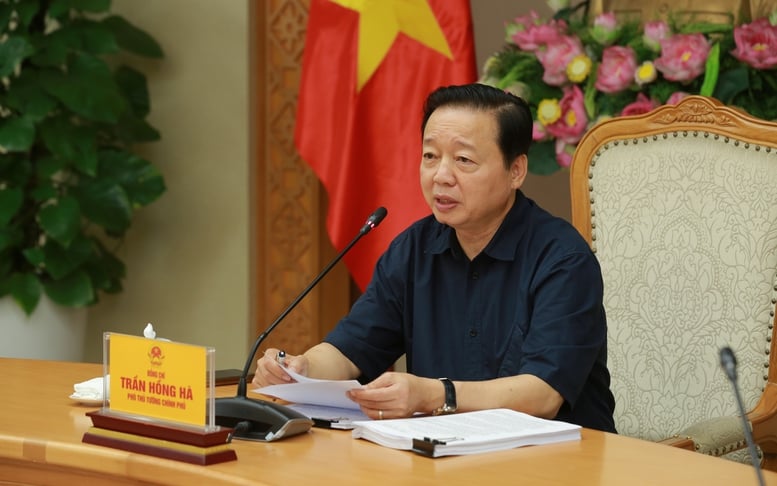
The Deputy Prime Minister stated that Vietnam has achieved many successes in poverty reduction, which have been recognized by the international community.
Therefore, the meeting needs to agree on the application of the multidimensional poverty standard and institutionalize it through a Decree; integrate the two targeted programs for building new rural areas and sustainable poverty reduction; and review the National Target Program for socio-economic development in ethnic minority and mountainous areas for the period 2021-2030 to ensure effectiveness, avoid duplication, concentrate resources, and improve efficiency of use.
After listening to the opinions and concluding the meeting, Deputy Prime Minister Tran Hong Ha requested the Ministry of Agriculture and Environment to fully incorporate the opinions expressed at the meeting, promptly finalize the Draft Decree, and report on the proposed investment policy for the national target program on building new rural areas and sustainable poverty reduction for the period 2026-2035.
The Deputy Prime Minister requested that the drafting process be based on the results of summarizing and evaluating the implementation of the two programs on new rural development and sustainable poverty reduction, which have been recognized by the people and the international community. The methods of organization and implementation also yielded many valuable lessons, the greatest success being the participation of Party committees, the political system, and the active role played by the people, especially farmers. This is a point that needs to be affirmed and continued to be inherited.
However, alongside these achievements, the implementation of the two programs for building new rural areas and sustainable poverty reduction still faces some limitations, such as: too many projects are fragmented, numerous mechanisms are issued, and the same funding source is spread too thinly, resulting in low efficiency. In some areas, funding is available but not disbursed or implemented, causing waste. The bureaucratic structure and the number of guiding documents are excessive, adding to the procedural burden and reducing implementation efficiency.
"We must frankly learn from our mistakes in order to promote initiatives and overcome shortcomings in the coming period," the Deputy Prime Minister said.
Regarding the multidimensional poverty standard, the Deputy Prime Minister clarified that this is an international standard recommended by the United Nations Development Programme (UNDP), and countries can apply it flexibly depending on their institutional conditions and level of development. The Ministry of Agriculture and Environment needs to adhere closely to the issued standards, while also relying on official statistics from the national statistics agency to determine the minimum income level. Based on that, calculations should be made in line with the development goals until 2030, ensuring that the average per capita income is raised and that poor households also benefit from the overall achievements of the country. The poverty standard is not a "rigid indicator" but needs to be adjusted flexibly according to each stage.
Besides income, indicators related to education, healthcare, employment, information, and basic services also need to be reviewed. The Deputy Prime Minister suggested adding an indicator on the ability to adapt to natural disasters, storms, and floods, because "just one storm or major flood can cause many households to fall back into poverty. This is a direct factor determining the sustainability of poverty reduction."
Regarding the classification of target groups, the Deputy Prime Minister suggested maintaining three groups: poor households, near-poor households, and middle-income households. The middle-income group needs special attention because this is the threshold most susceptible to falling back into poverty, requiring timely preventive and support policies.
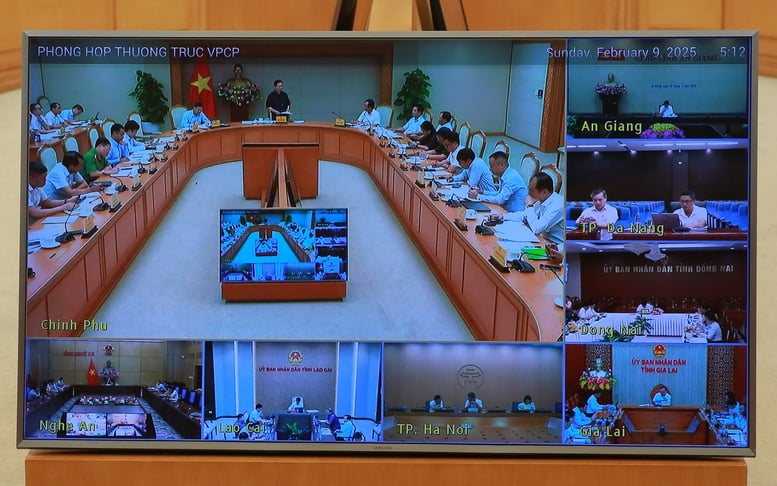
The meeting, a combination of in-person and online participation, heard reports from the Ministry of Agriculture and Environment and other ministries, localities, experts, and scientists.
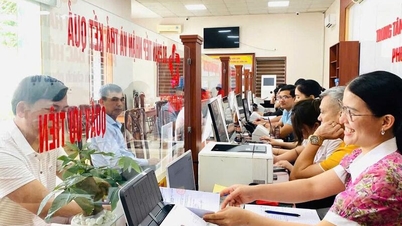
Regarding implementation, the Deputy Prime Minister requested that decrees and documents not only set standards but also design specific mechanisms, policies, implementation plans, and monitoring and evaluation mechanisms. At the same time, they should clearly define the responsibilities of each level: "The central government issues standards, the provinces concretize them, and the communes organize implementation." At the commune level, the government, the political system, the Fatherland Front, and the people discuss and decide on necessary matters, ensuring that "the people know, the people discuss, the people do, and the people inspect."
The Deputy Prime Minister also emphasized financial responsibility and tasked the Ministry of Finance with ensuring resources, stating that "it cannot be limited to general principles, but must clearly define responsibilities and plans for mobilizing resources."
Commenting on the orientation for building new rural areas, the Deputy Prime Minister stated that the new set of criteria must inherit the achievements made while supplementing them to suit the new stage of development. The goal is for comprehensive and sustainable rural development, with people's lives becoming increasingly prosperous and happy. Documents issued by the Central Committee, the Politburo, and the Secretariat need to be fully understood and updated in the process of developing the new set of criteria.
The target areas and regions for implementing the new rural development program need to be categorized: ethnic minority areas, remote and disadvantaged areas; disadvantaged areas that are not ethnic minority areas; and areas with favorable development conditions. This allows for different approaches, setting high targets to strive for while prioritizing resource allocation; a one-size-fits-all approach is unacceptable.
"The approach must start from the grassroots, promoting the leading role of the people. Policies and investment capital must be clear, with strong decentralization and more power given to localities to encourage dynamism and creativity," the Deputy Prime Minister said.
Another issue noted by the Deputy Prime Minister is that after the reorganization and merger of commune-level administrative units, many localities need to quickly finalize urban and rural planning and allocate resources rationally.
Emphasizing that planning must precede implementation and serve as a basis for carrying out tasks related to building new rural areas and achieving sustainable poverty reduction, avoiding fragmentation and piecemeal approaches, the Deputy Prime Minister assigned the Ministry of Construction to take the lead in ensuring that by 2026 all communes have planning documents.
Source: https://bvhttdl.gov.vn/long-ghep-chuong-trinh-phat-huy-vai-role-nguoi-dan-trong-xay-dung-nong-thon-moi-giam-ngheo-20250912213014168.htm
![[Photo] Closing Ceremony of the 10th Session of the 15th National Assembly](/_next/image?url=https%3A%2F%2Fvphoto.vietnam.vn%2Fthumb%2F1200x675%2Fvietnam%2Fresource%2FIMAGE%2F2025%2F12%2F11%2F1765448959967_image-1437-jpg.webp&w=3840&q=75)
![[Photo] Prime Minister Pham Minh Chinh holds a phone call with the CEO of Russia's Rosatom Corporation.](/_next/image?url=https%3A%2F%2Fvphoto.vietnam.vn%2Fthumb%2F1200x675%2Fvietnam%2Fresource%2FIMAGE%2F2025%2F12%2F11%2F1765464552365_dsc-5295-jpg.webp&w=3840&q=75)

































![[OFFICIAL] MISA GROUP ANNOUNCES ITS PIONEERING BRAND POSITIONING IN BUILDING AGENTIC AI FOR BUSINESSES, HOUSEHOLDS, AND THE GOVERNMENT](https://vphoto.vietnam.vn/thumb/402x226/vietnam/resource/IMAGE/2025/12/11/1765444754256_agentic-ai_postfb-scaled.png)











































Comment (0)