

Dong Son culture 2,500-2,000 years ago is an archaeological culture of the Bronze Age in Vietnam, named by archaeologists based on the accidental discovery of a group of ancient bronze objects in Dong Son village on the banks of the Ma River ( Thanh Hoa ) in 1924. Dong Son cultural relics are diverse, highly aesthetic, typically the Dong Son bronze drum.
Details of the largest Dong Son bronze drum ever ( Video : Huu Nghi).
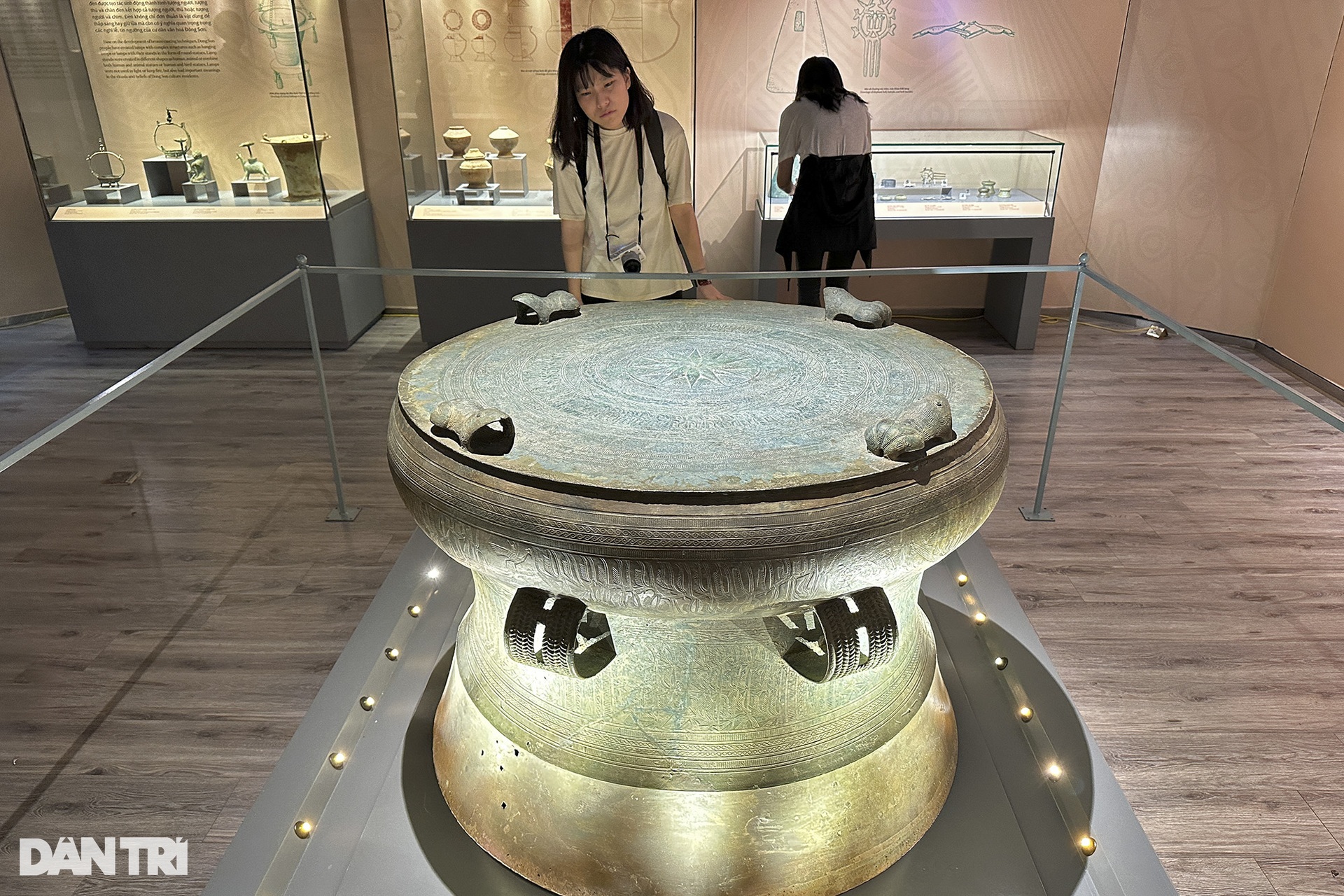
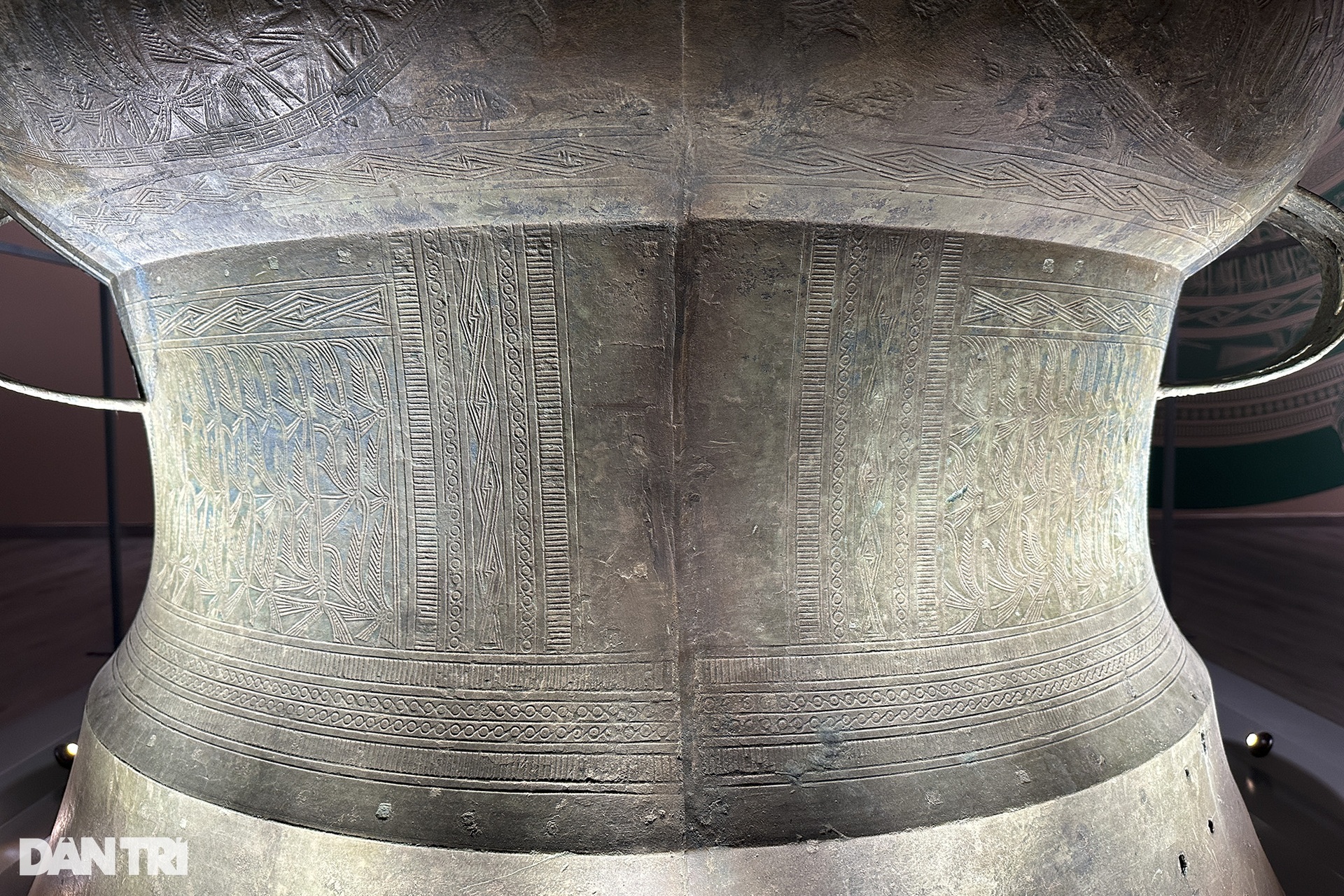
The bronze drum, dating from the 2nd - 1st century BC, collected in Sao Vang town (Thanh Hoa), is the largest Dong Son bronze drum ever discovered in Vietnam. The drum is currently on display at the National Museum of History under the theme "Dong Son Echoes".
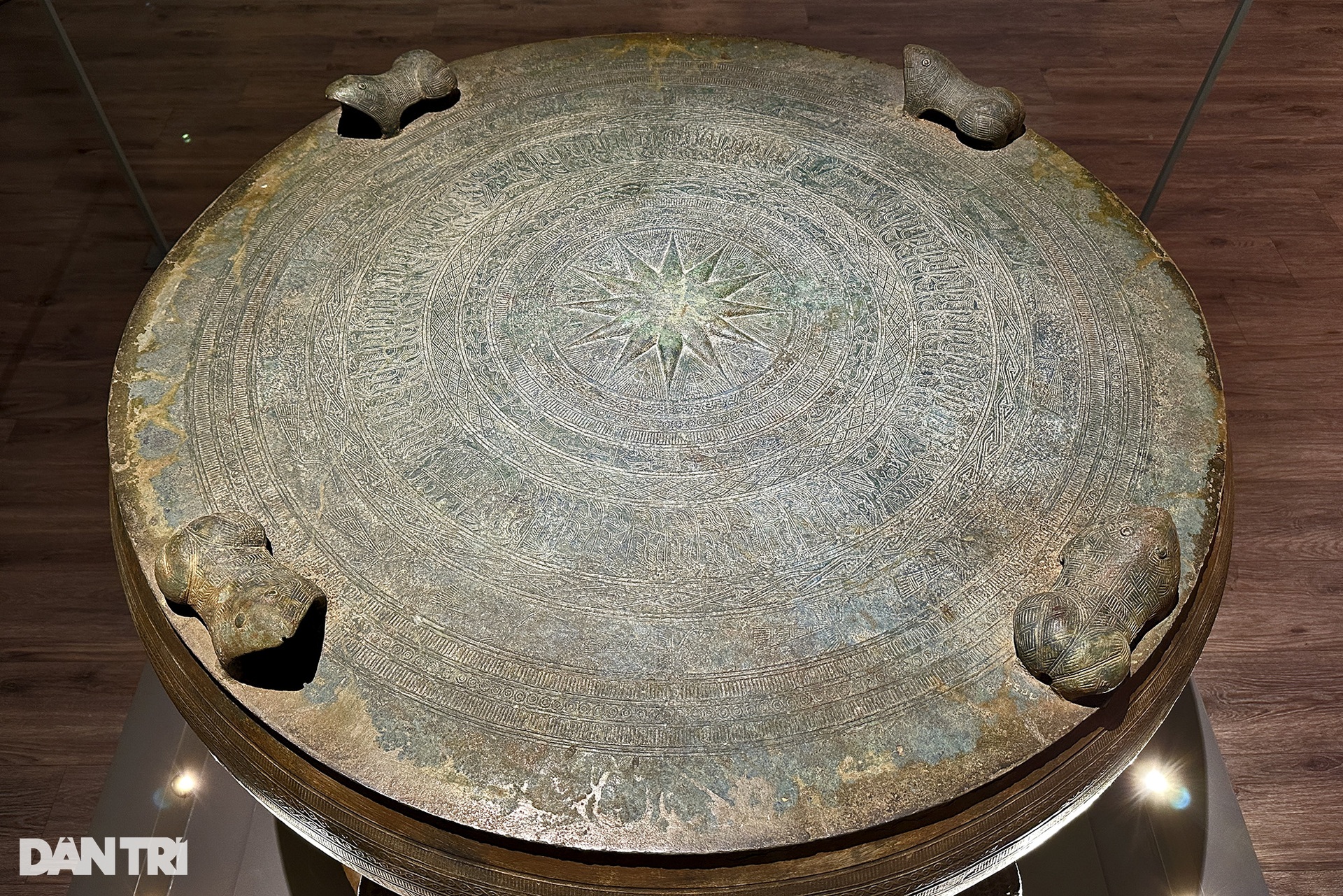
How the ancients were able to cast drums of such large size and sophisticated patterns is an unsolved mystery.
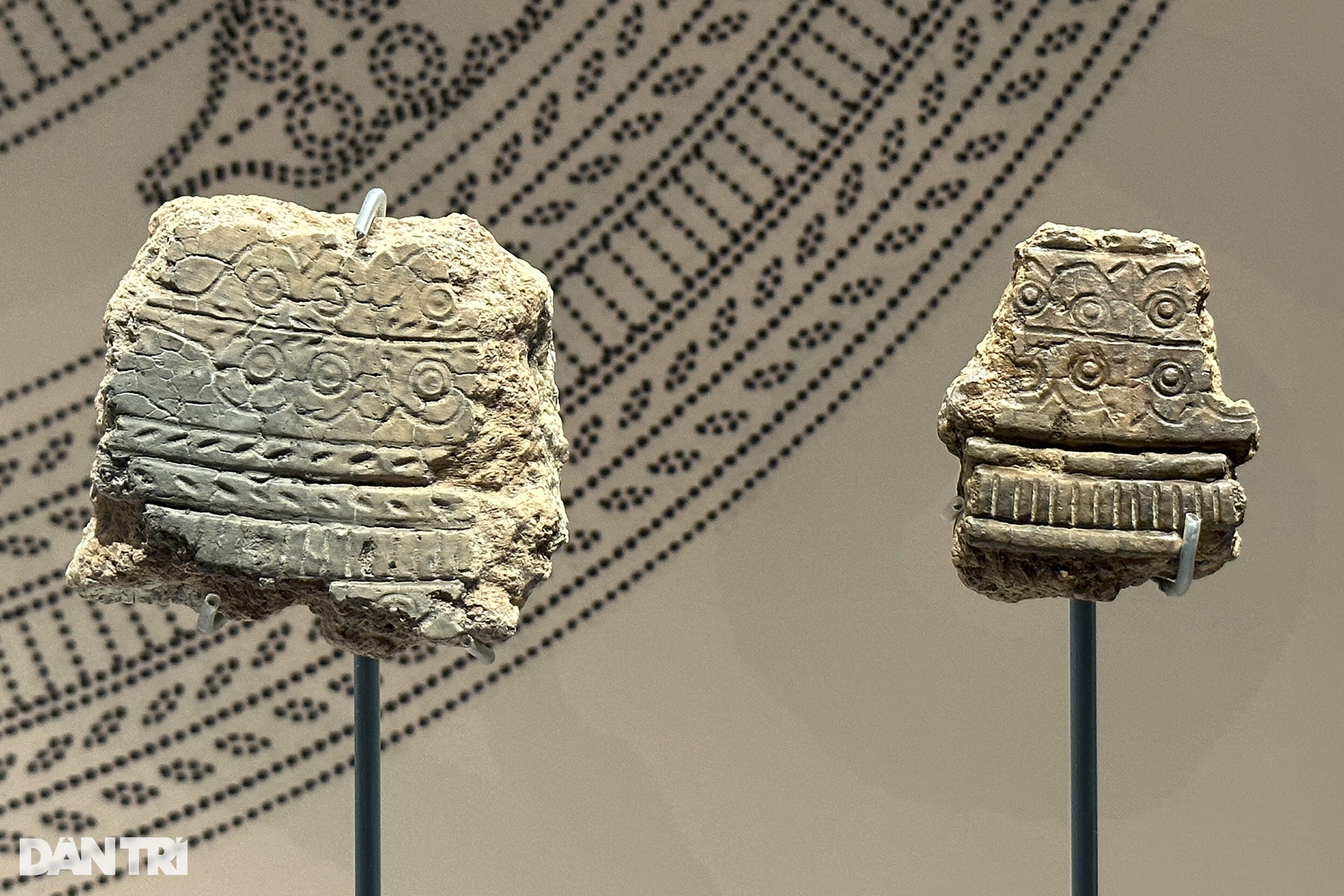
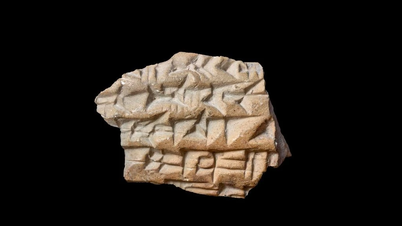
The 2014-2015 excavations uncovered nearly 1,000 drum mold fragments, including outer and inner molds at the drum faces, sides, backs and feet. Pictured is a 3rd-4th century terracotta drum mold fragment excavated at the Luy Lau site (Thuan Thanh, Bac Ninh ). The mold material was clay mixed with rice husks and small pebbles, fired at 900 degrees Celsius.
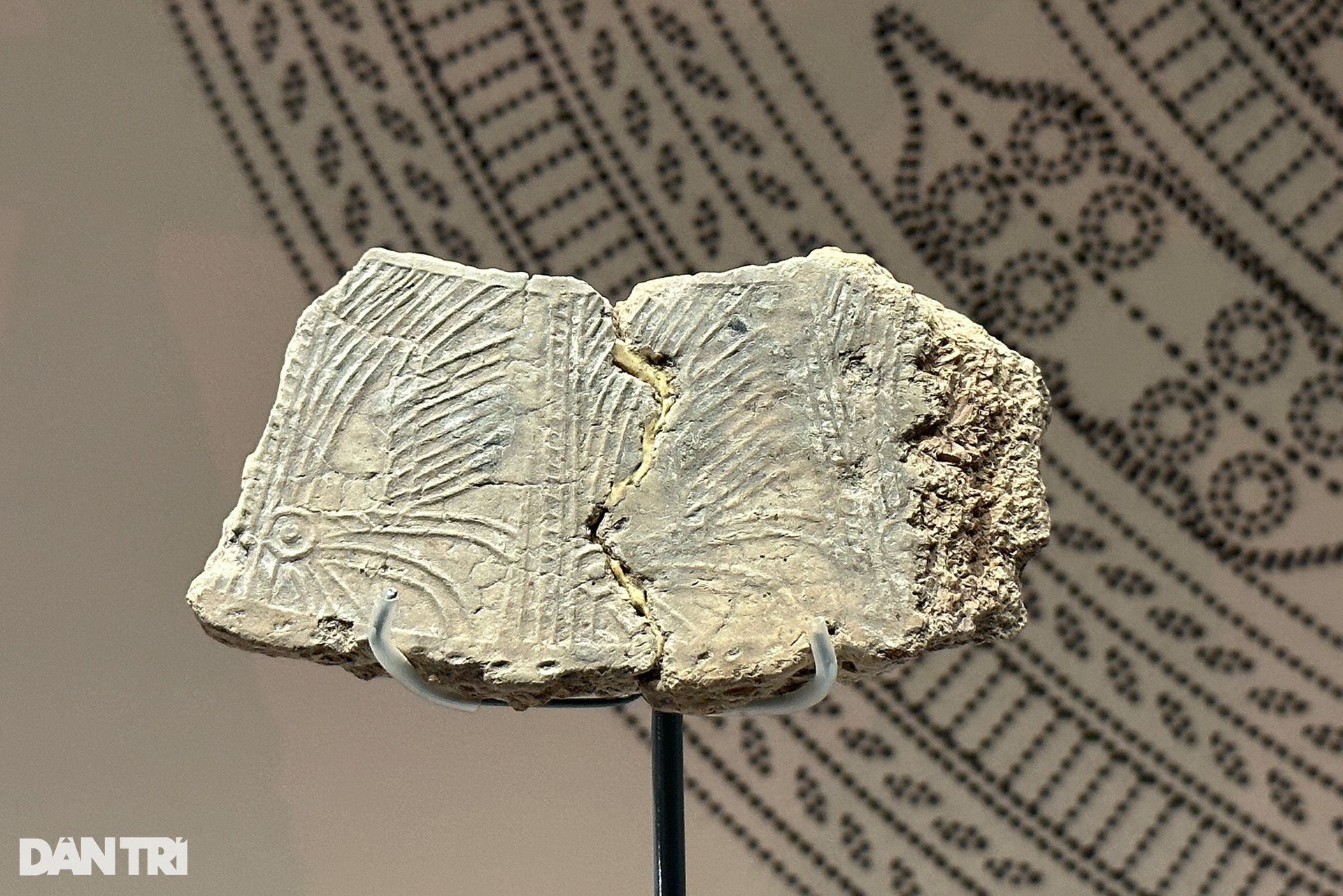
Luy Lau was the seat of Giao Chi district during the Han Dynasty, and was also the economic, cultural, and religious center during the first 10th century AD. In 1998, Japanese archaeologist Nishimura Masanari accidentally discovered a piece of drum mold in Luy Lau, causing a big stir in the research community.
The pattern is created by engraving directly onto the mold (intaglio) or by printing the mold (relief).
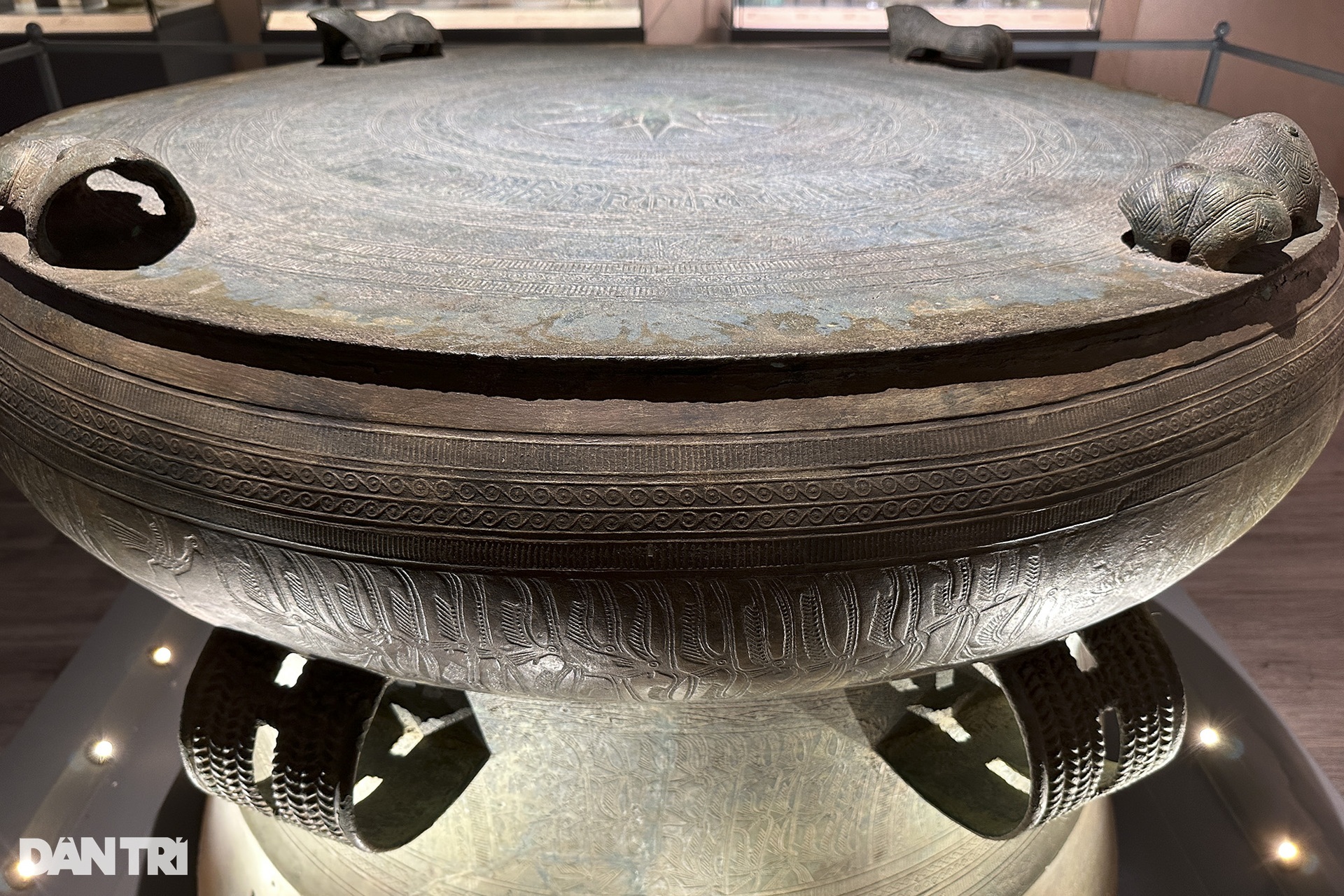
Dong Son drums are mainly large in size, the drum face is usually smaller than the drum body, the shape is balanced and harmonious, divided into 3 distinct parts: drum body, drum back and drum feet. Decorative patterns often cover the drum face, drum body and drum back.
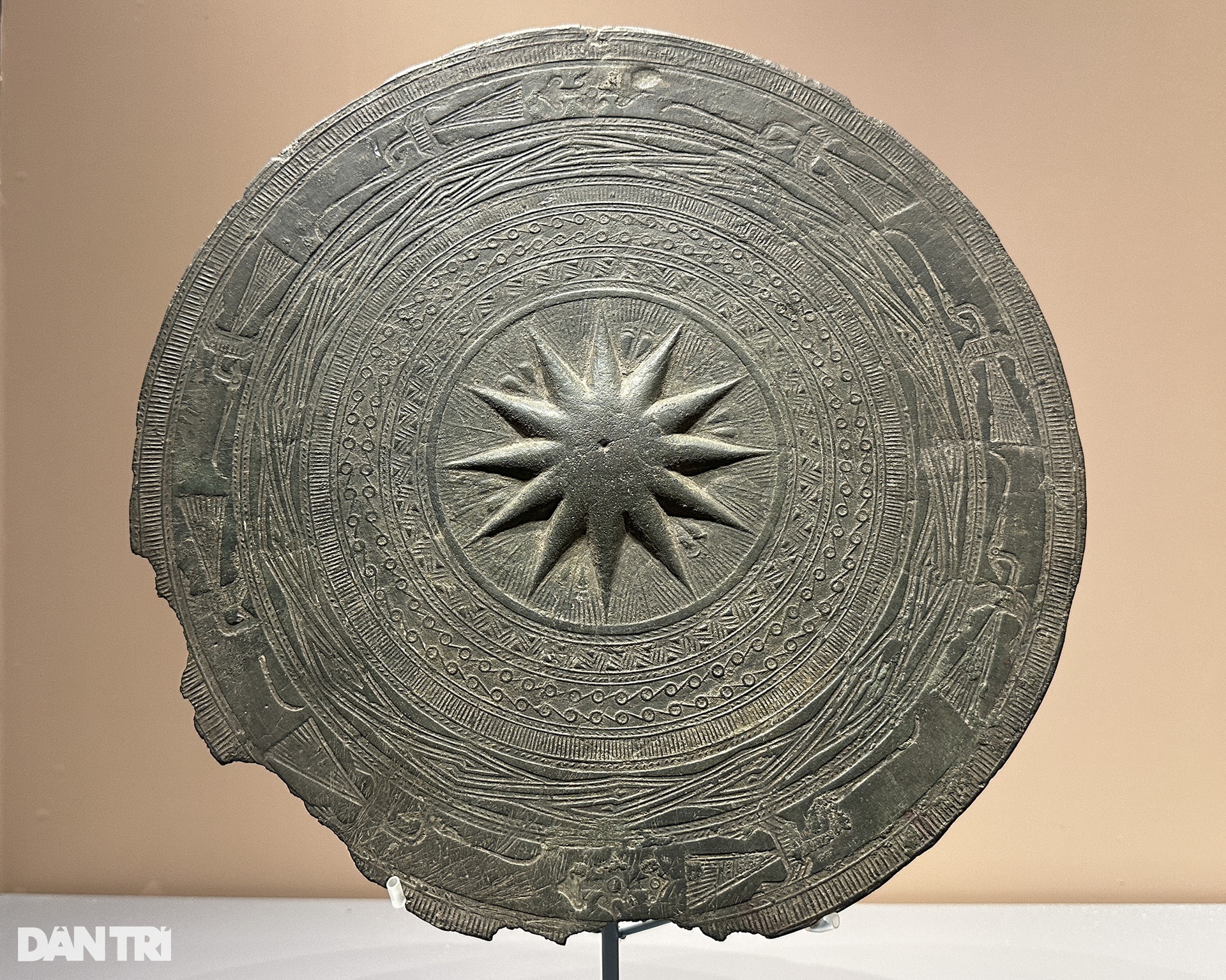
A drum surface collected at Hang Bun (Hanoi) dating from the 2nd - 1st century BC has characteristics quite similar to Dong Son bronze drums.
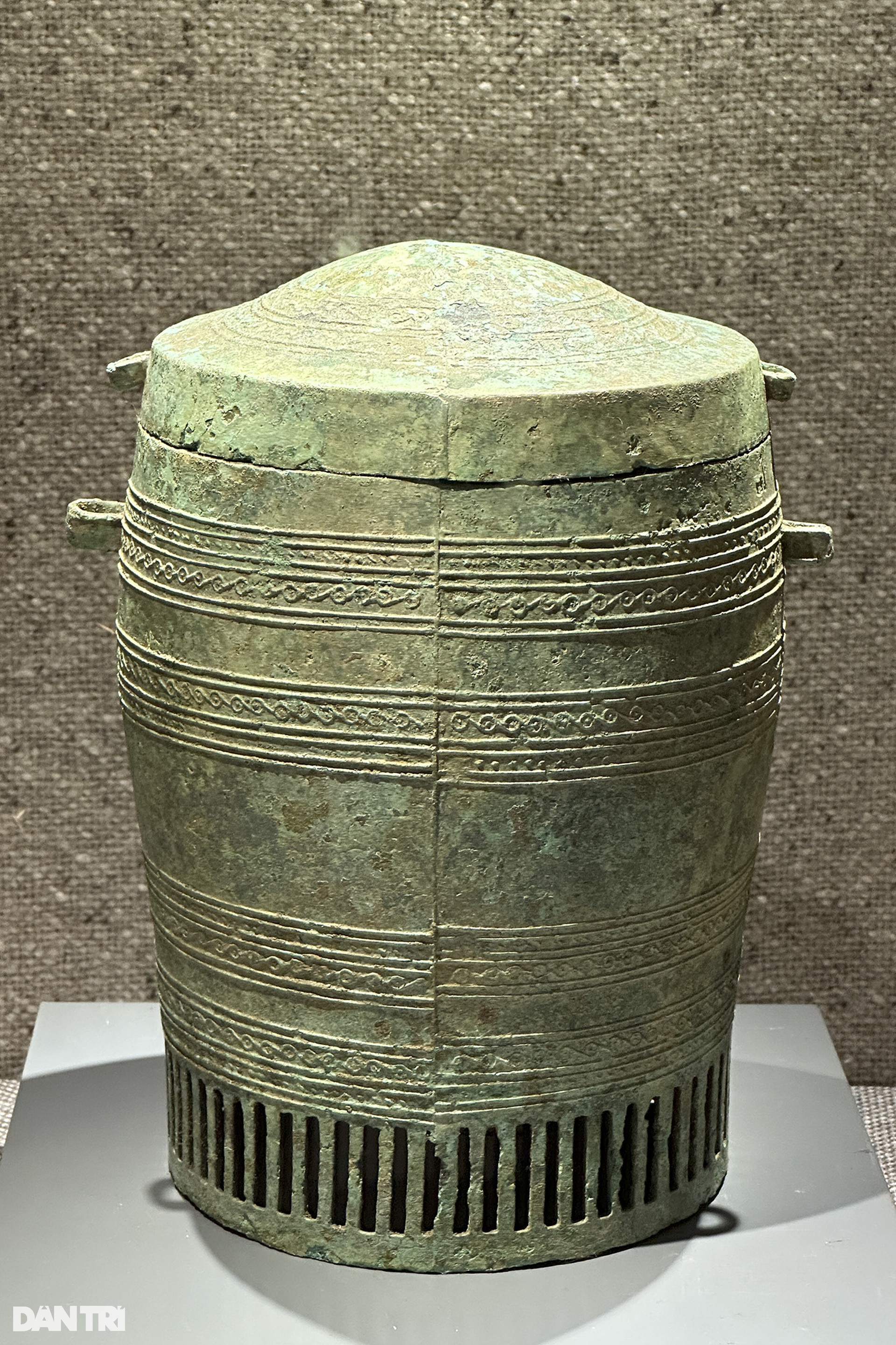
The relics of Dong Son culture are diverse, unique, and highly aesthetic: labor tools, household utensils, weapons, musical instruments, jewelry..., especially bronze relics crafted with high skill. In the photo is a bronze jar, dated 2nd - 1st century BC.
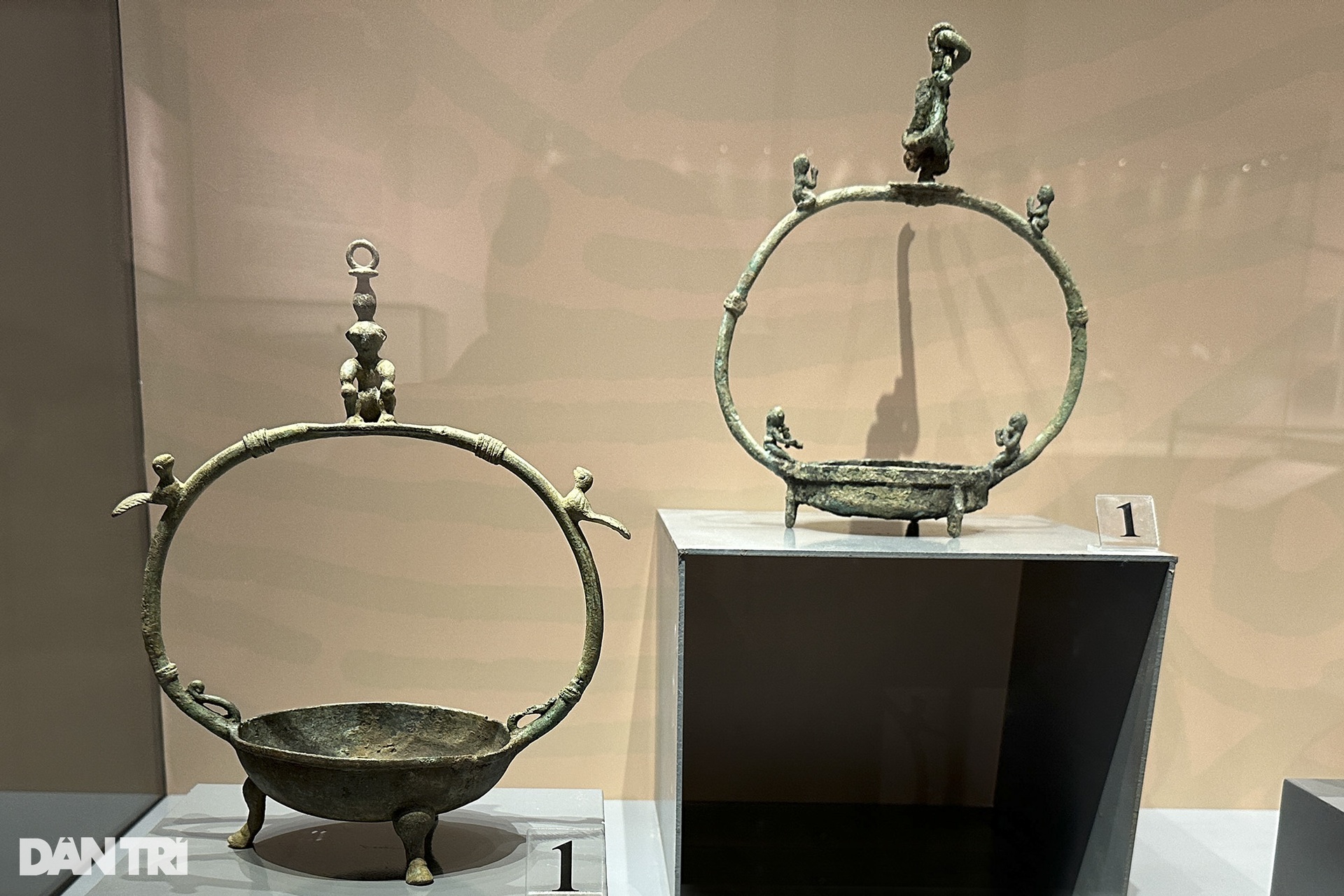
The Dong Son people created lamps with complex structures, combining human and animal images. The picture shows hanging bronze lamps, dated from the 2nd - 1st century BC.
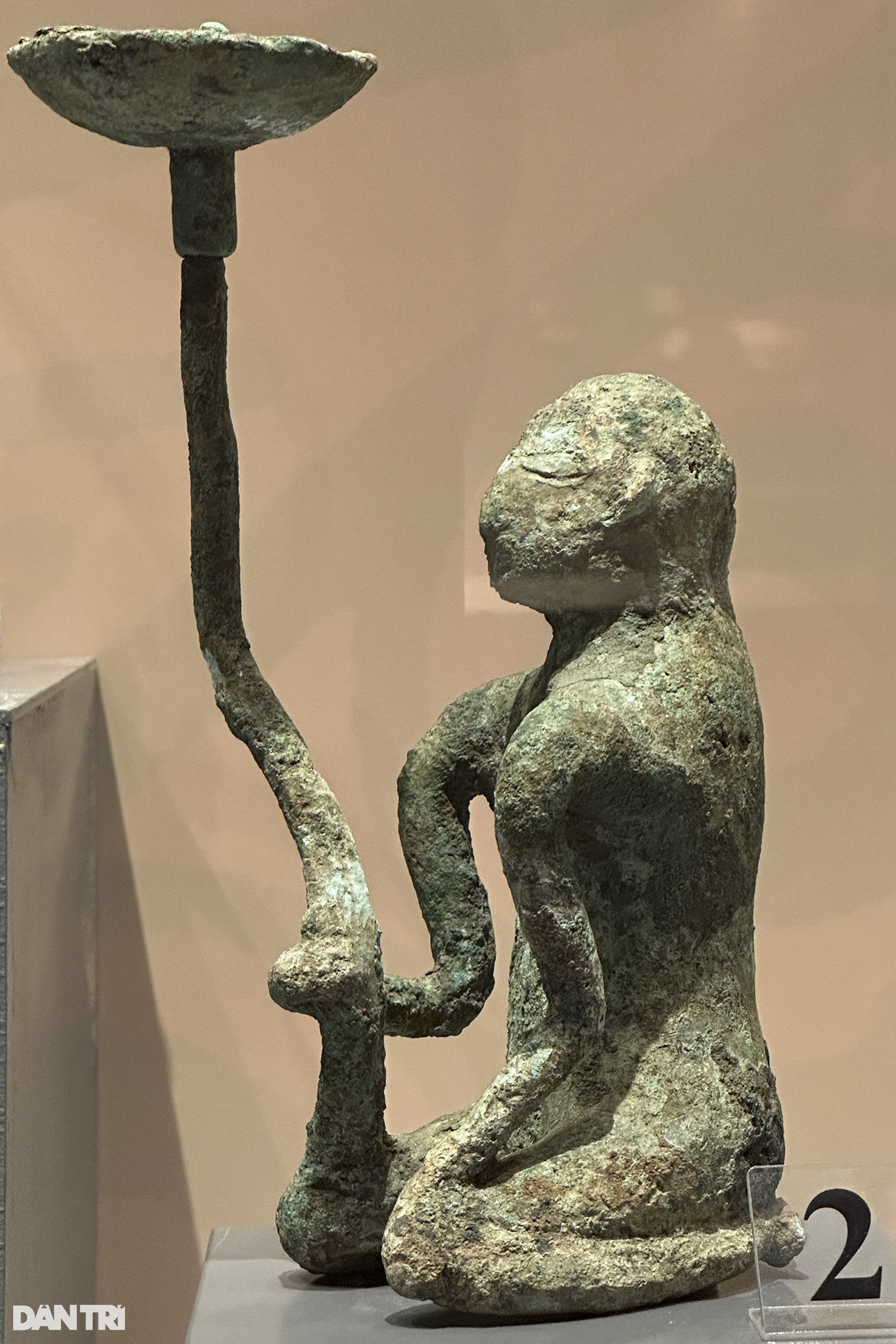
Lamp with a bronze kneeling figure as its base, dated 2nd - 1st century BC.
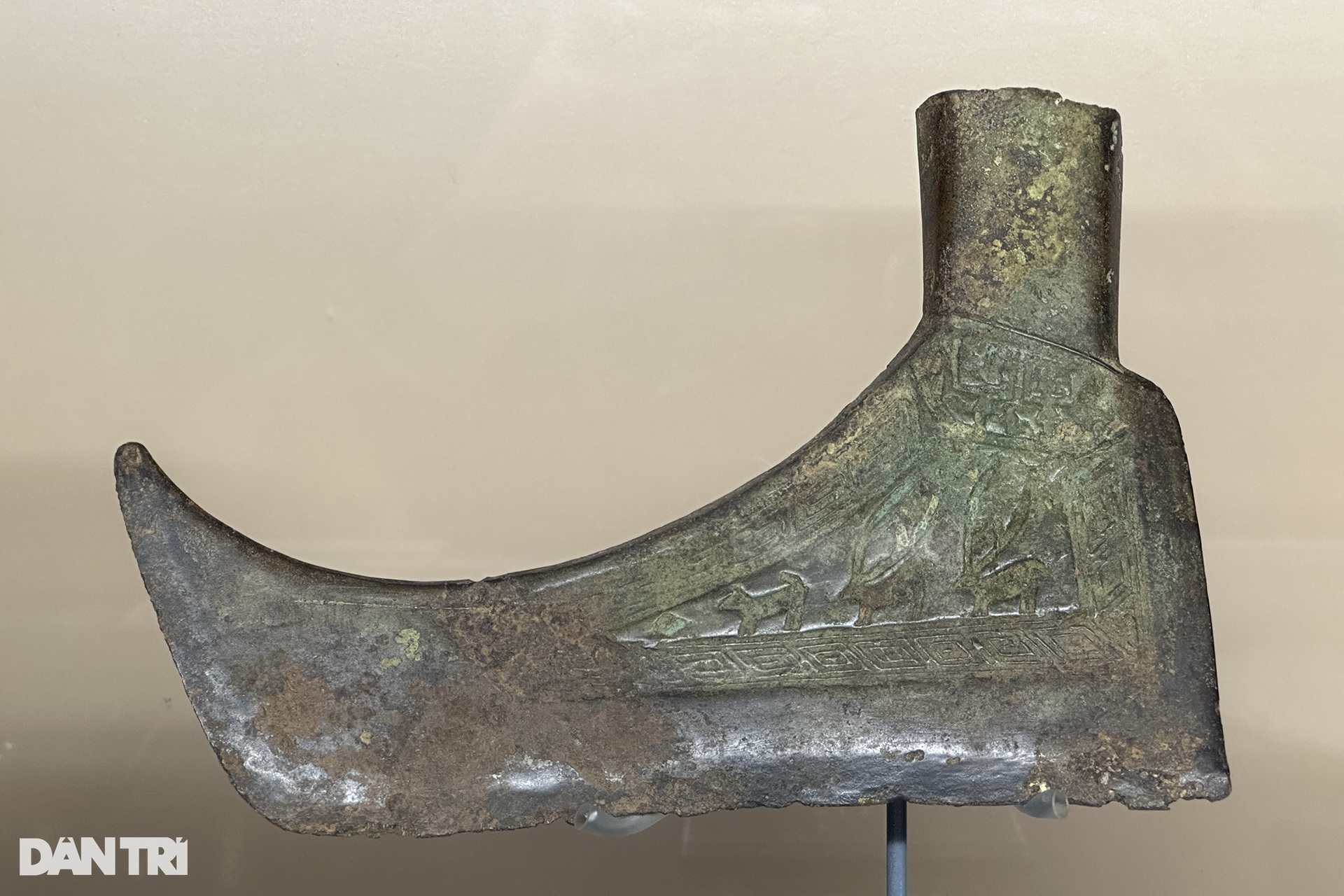
Bronze axe, dated 2nd - 1st century BC.
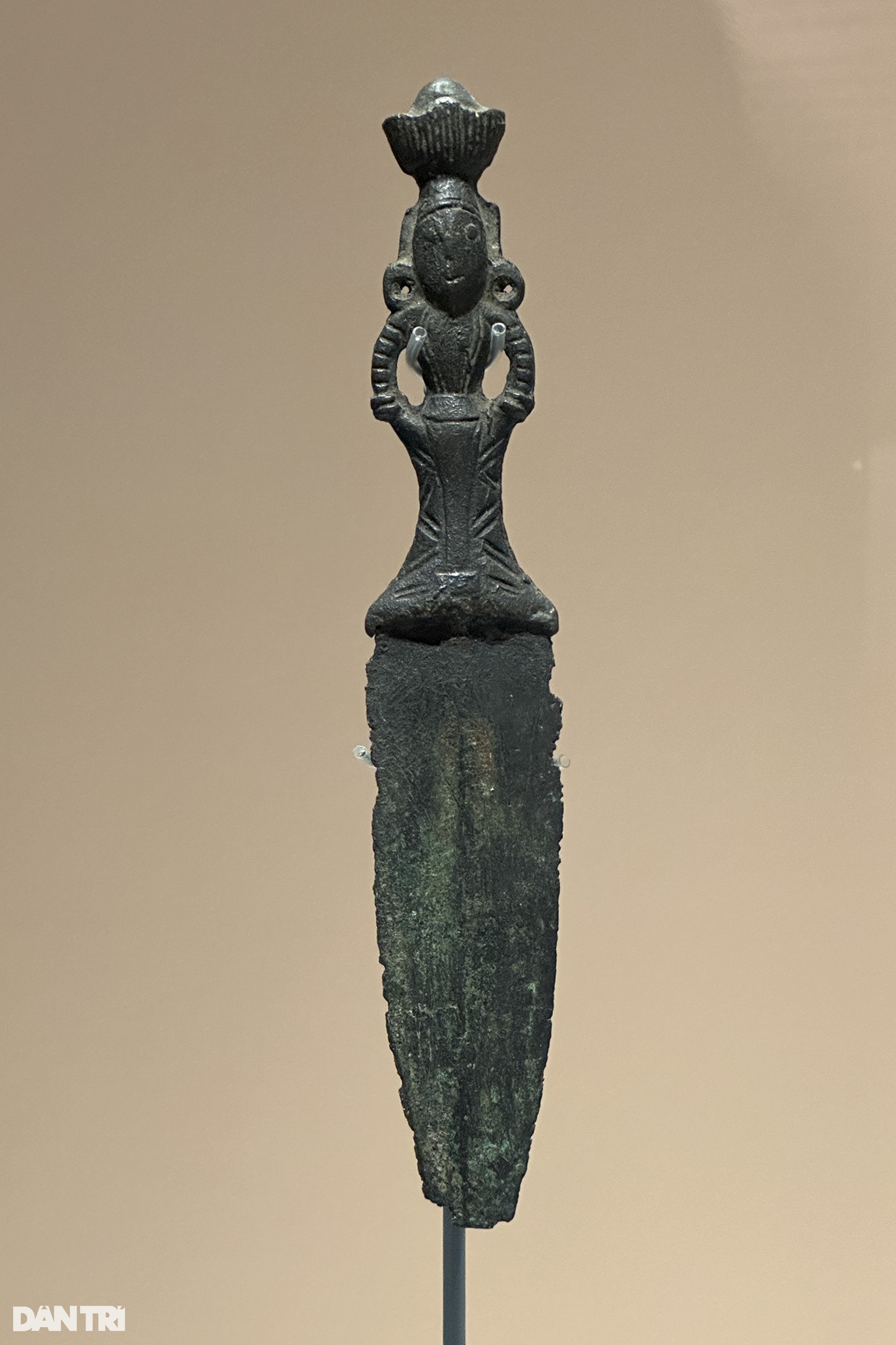
Bronze dagger with human-shaped handle, dated 2nd - 1st century BC.
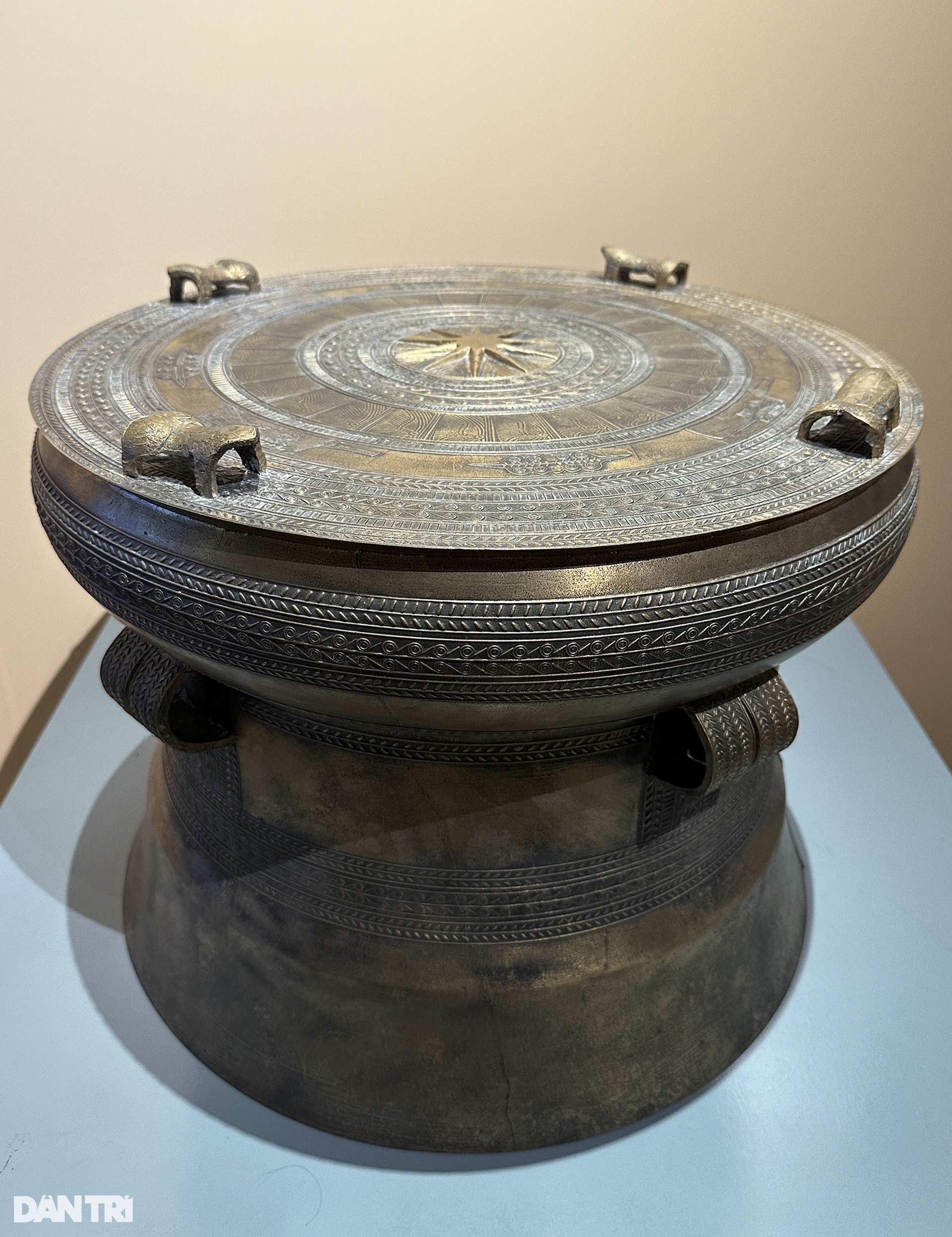
Based on scientific information collected from the Luy Lau mold, archaeologists at the National History Museum have reconstructed the shape and pattern of the drum, which was cast by the Dong Tea craft village (Thanh Hoa). In the photo is the restored bronze drum.
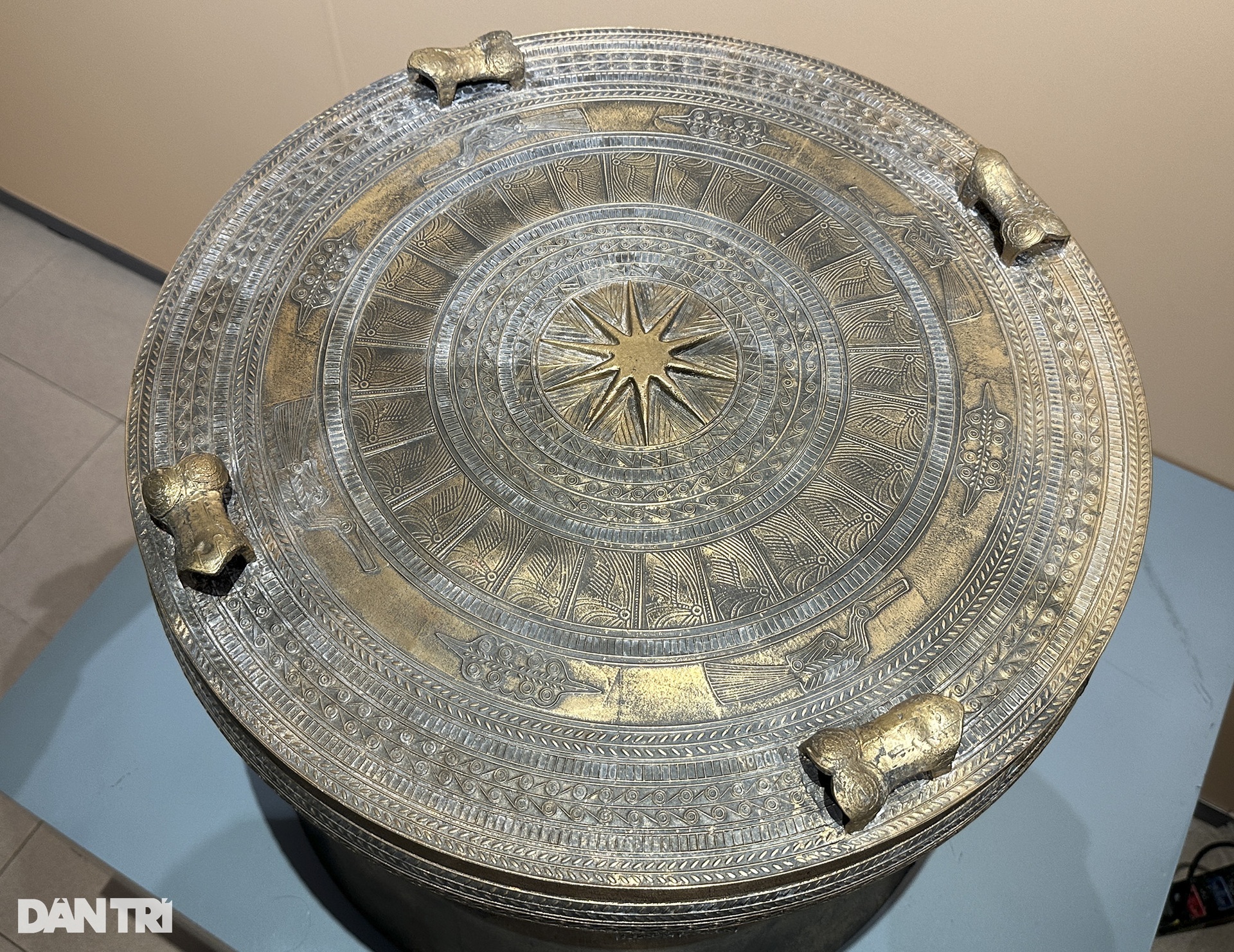
The cast drum meets technical, aesthetic, thickness, weight, pattern and sound requirements.
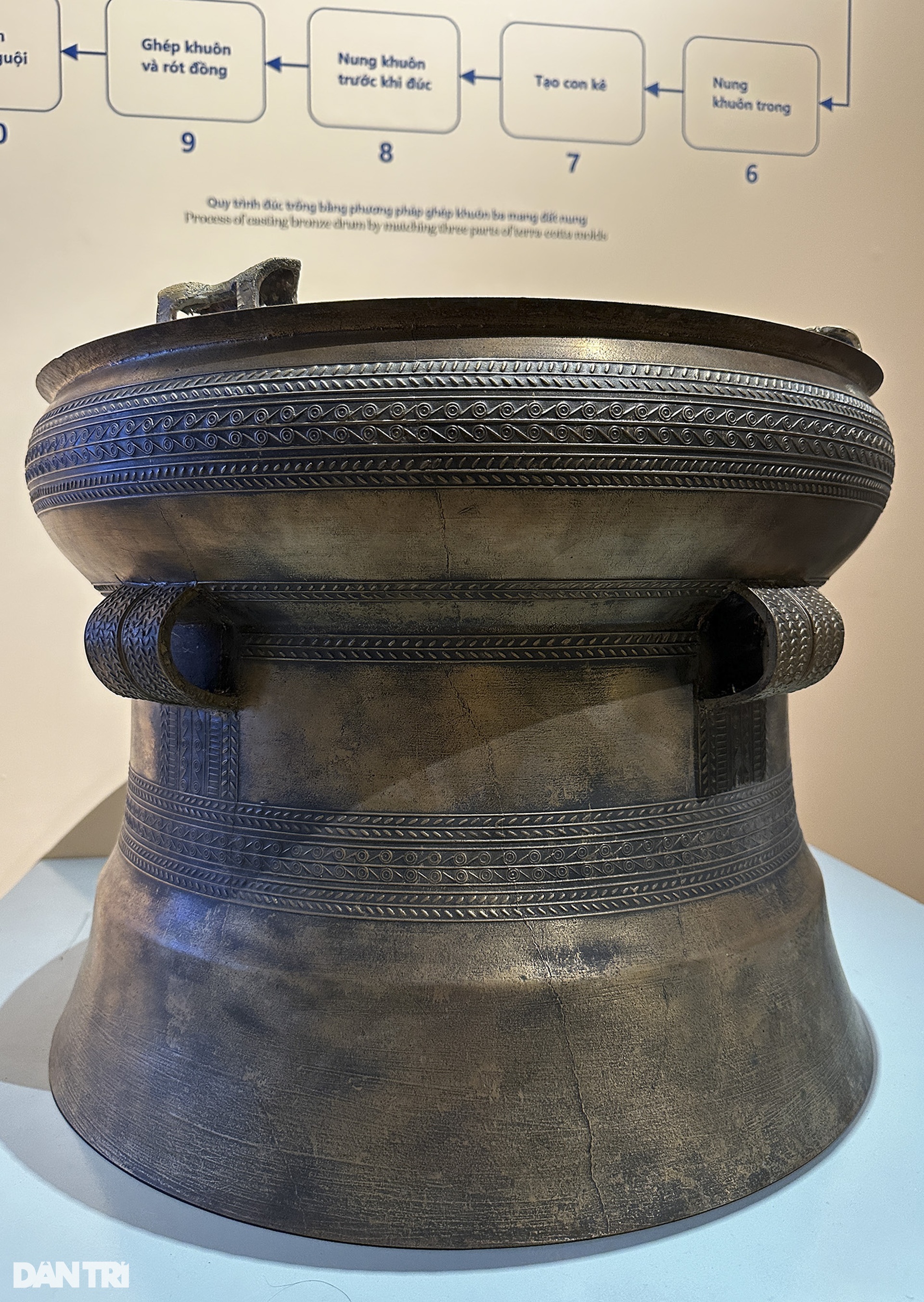
The experimental casting process has verified the information collected from the drum mold fragment, providing a scientific basis for reviewing the collection characteristics and functions of some related artifacts, thereby better understanding the drum casting technique of Dong Son residents.
Source link

![[Photo] Opening of the 14th Conference of the 13th Party Central Committee](https://vphoto.vietnam.vn/thumb/1200x675/vietnam/resource/IMAGE/2025/11/05/1762310995216_a5-bnd-5742-5255-jpg.webp)




















![[Photo] Panorama of the Patriotic Emulation Congress of Nhan Dan Newspaper for the period 2025-2030](https://vphoto.vietnam.vn/thumb/1200x675/vietnam/resource/IMAGE/2025/11/04/1762252775462_ndo_br_dhthiduayeuncbaond-6125-jpg.webp)



















































Comment (0)