(Baohatinh.vn) - Through many ups and downs, the clam-collecting profession is still being diligently preserved by the people of Ben Hen village (Truong Son commune, Duc Tho district, Ha Tinh province), contributing to the preservation of cultural identity and improving the material and spiritual lives of the people.
Báo Hà Tĩnh•11/05/2025
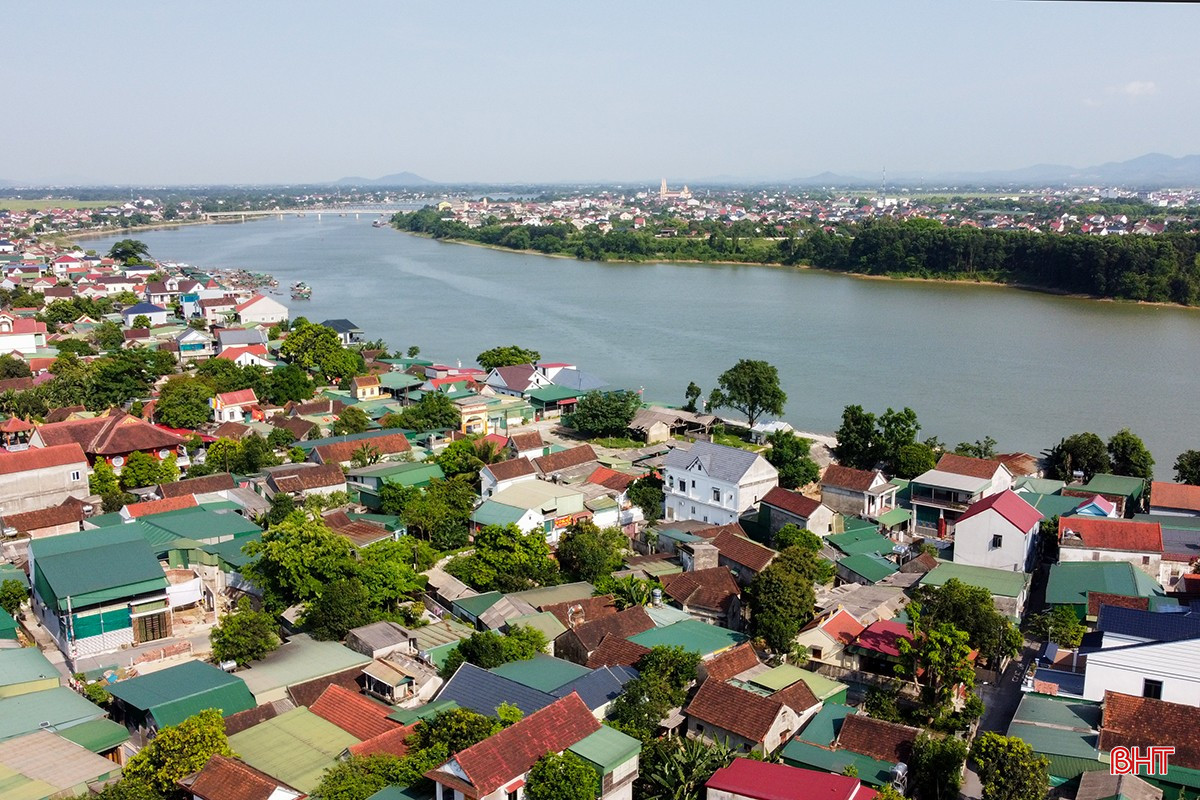
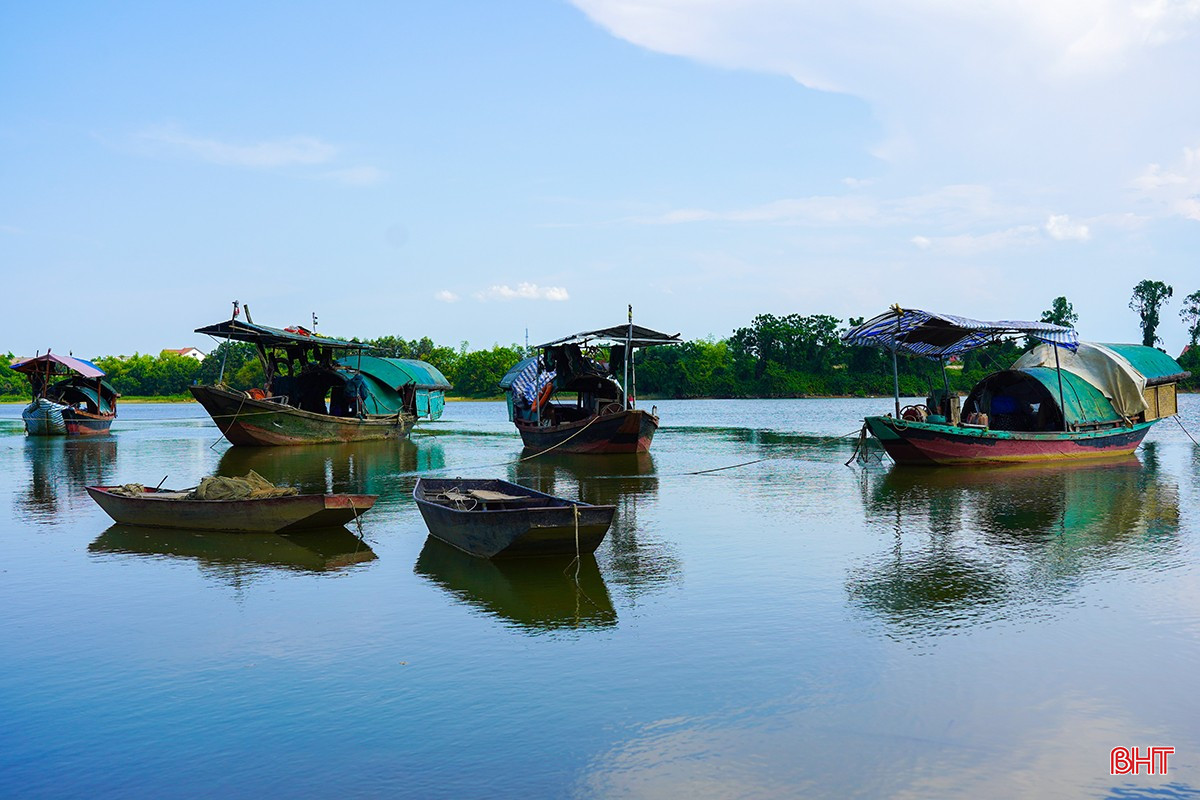
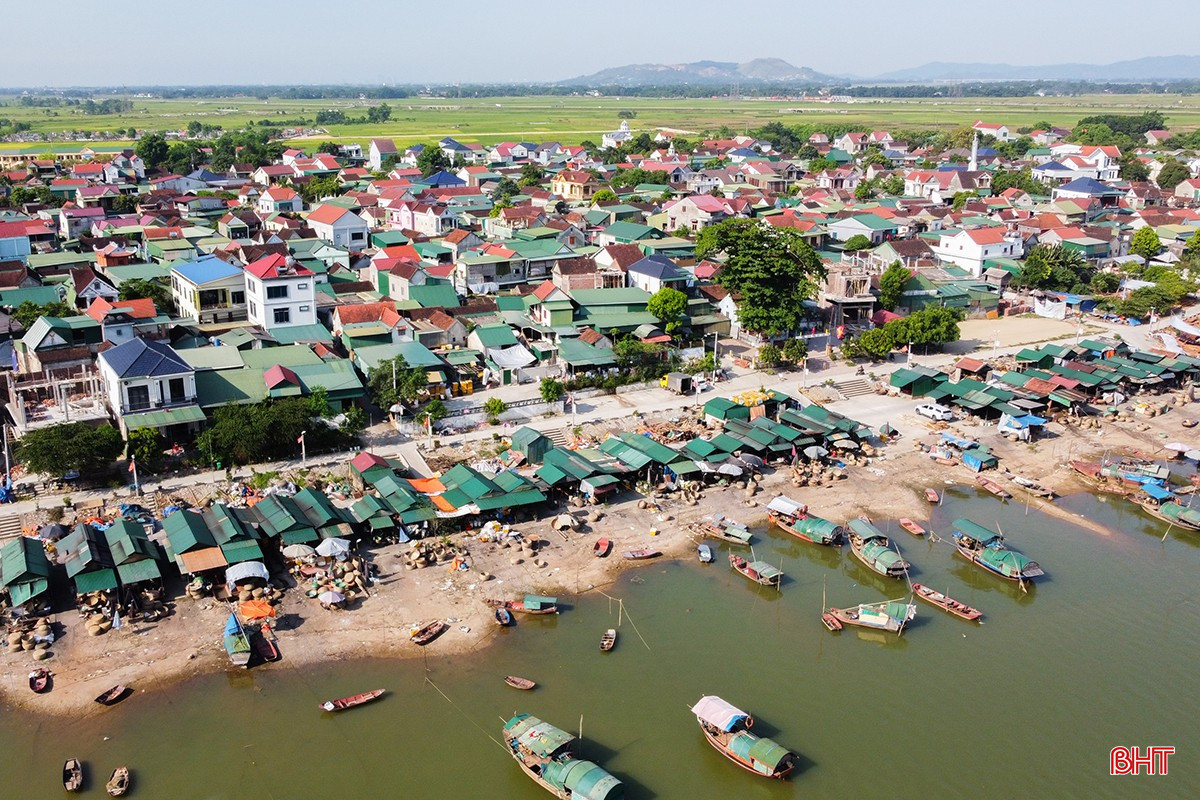
Located on the banks of the tranquil La River, Ben Hen village in Truong Son commune, Duc Tho district, Ha Tinh province, has been associated with the profession of "clam gathering" for over 300 years. The natural bounty bestowed upon the La River has contributed to the stable and prosperous lives of countless generations of local people. Currently, the entire village has 60 households with boats for collecting clams, with each boat providing indirect employment for an average of 4-5 other people in the village. Every year in January, the people of Ben Hen village embark on a journey to harvest clams and smaller clams (similar to mussels but smaller). Harvesting continues until around the eighth lunar month, when the floods arrive, allowing the clam gatherers to rest with their families. Due to dwindling resources, in addition to harvesting in the La River, the people of Ben Hen have expanded their operations to Vu Quang to harvest clams and to the Lam River in Nghe An province to harvest smaller clams.
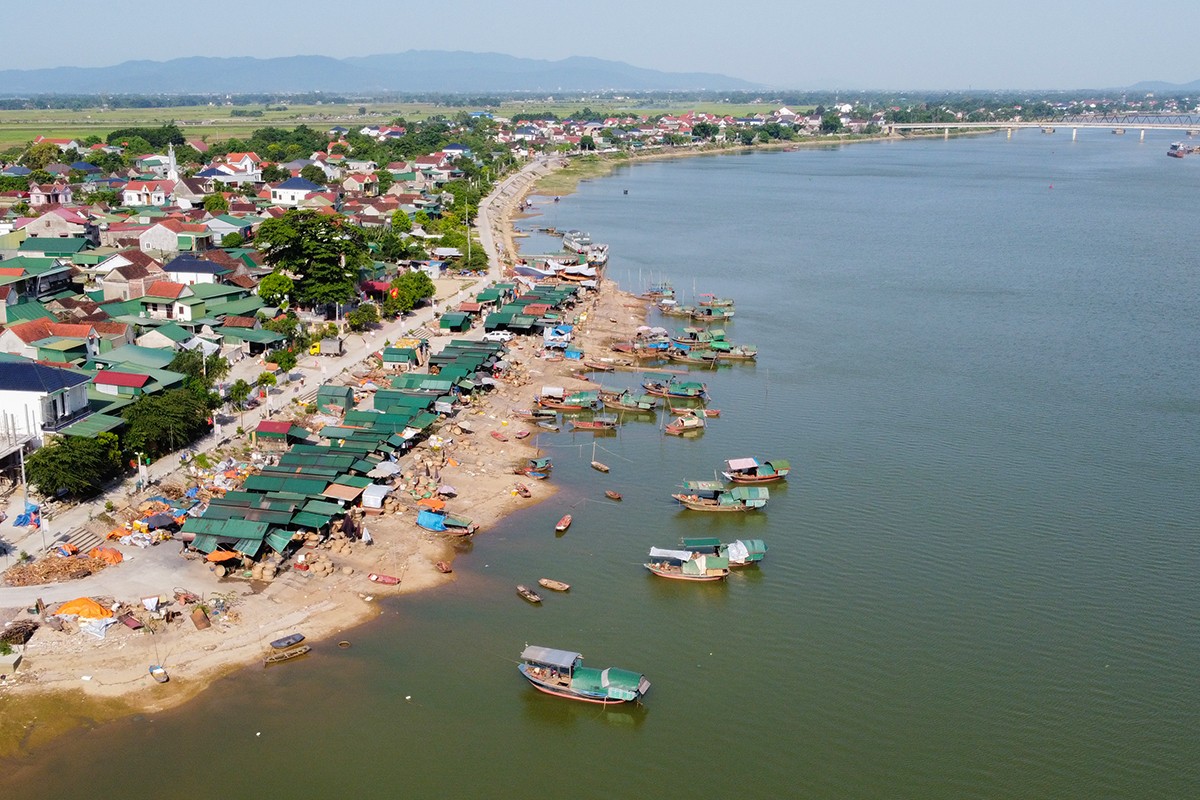
When the boats returning from the clam-gathering expeditions are laden with clams and towed away, the long rows of huts lining the riverbank glow red with fire, and white smoke billows out into the La River, signaling the start of the clam processing stage.
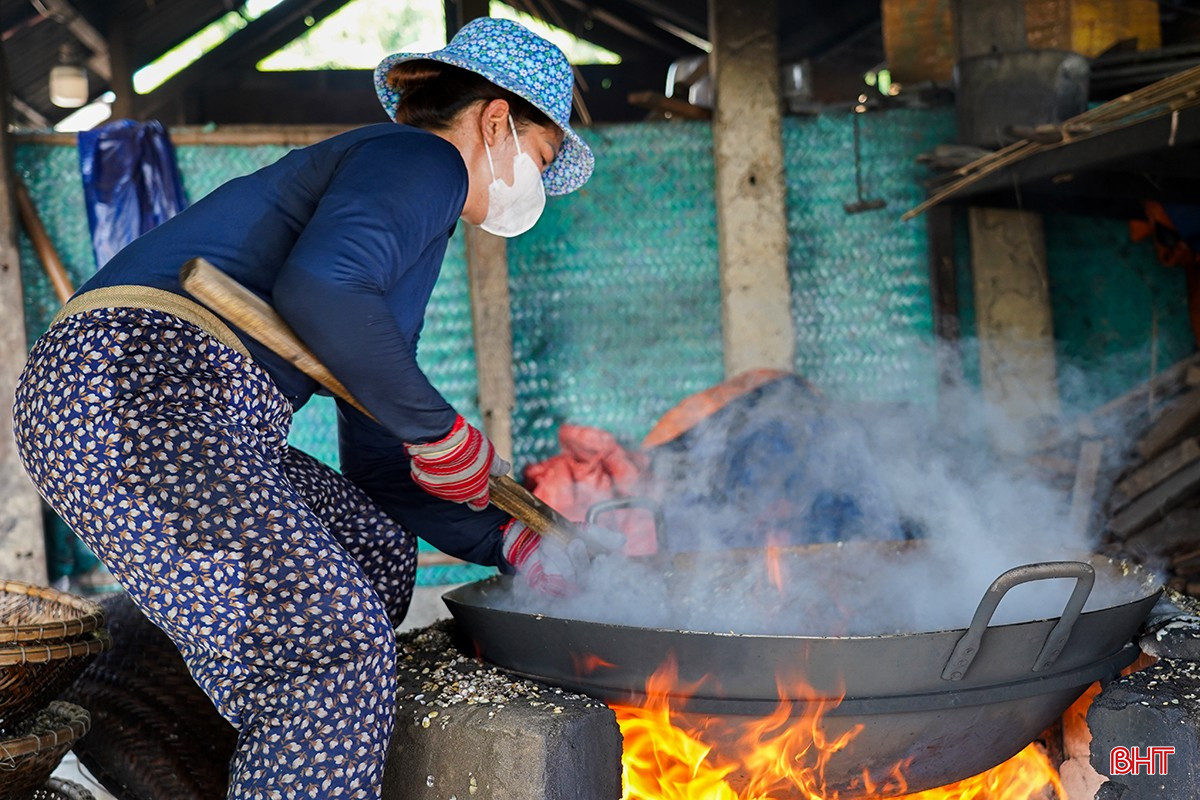
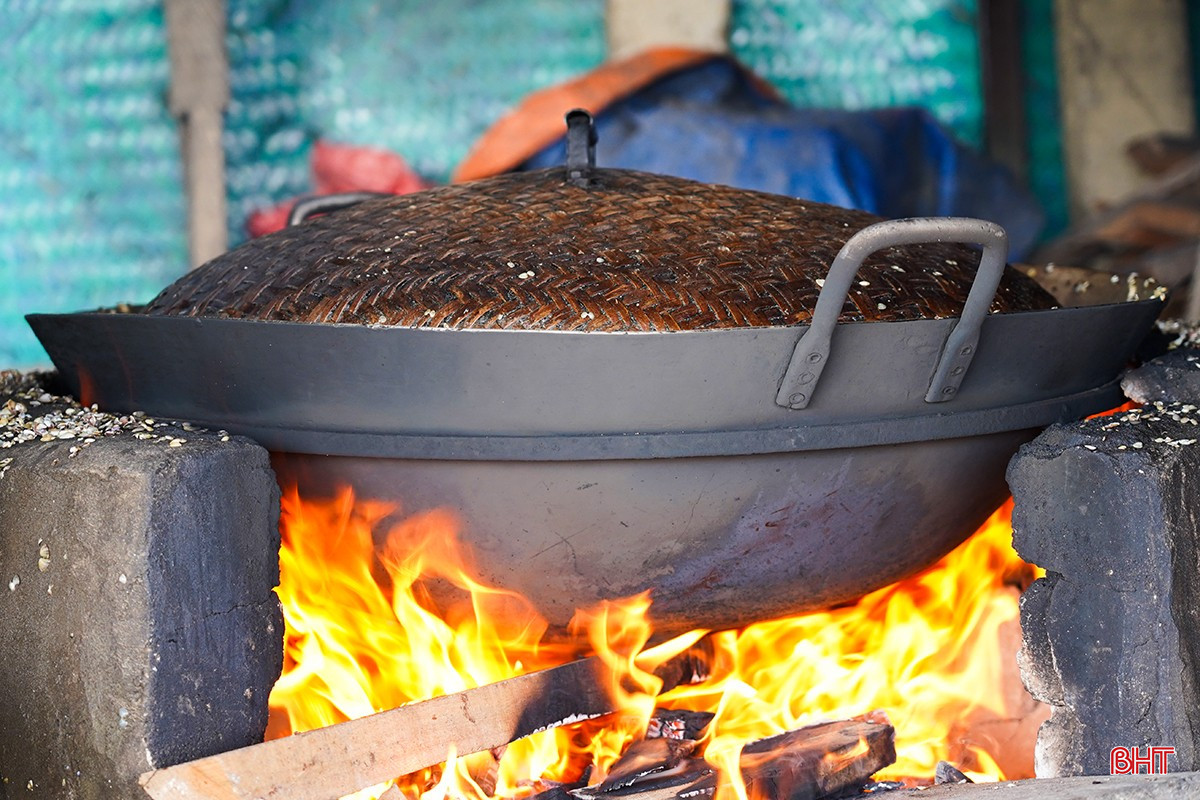
Previously, clam processing was done haphazardly by individual farmers. However, the Truong Son commune authorities later planned a designated clam processing area for the local people. This area stretches approximately 400 meters along the La River, featuring dozens of sturdy sheds, each measuring 3-5 square meters, with corrugated iron roofs. Each shed is equipped with a stove and a large, specialized cast-iron pot for cooking clams.
After being soaked and thoroughly cleaned, clams and mussels are brought to the stove and boiled to separate the shells and extract the meat. To extract the meat from the clams, ensuring they are round and firm, the oven must be at sufficient temperature, with the flame boiling and bubbling three times.
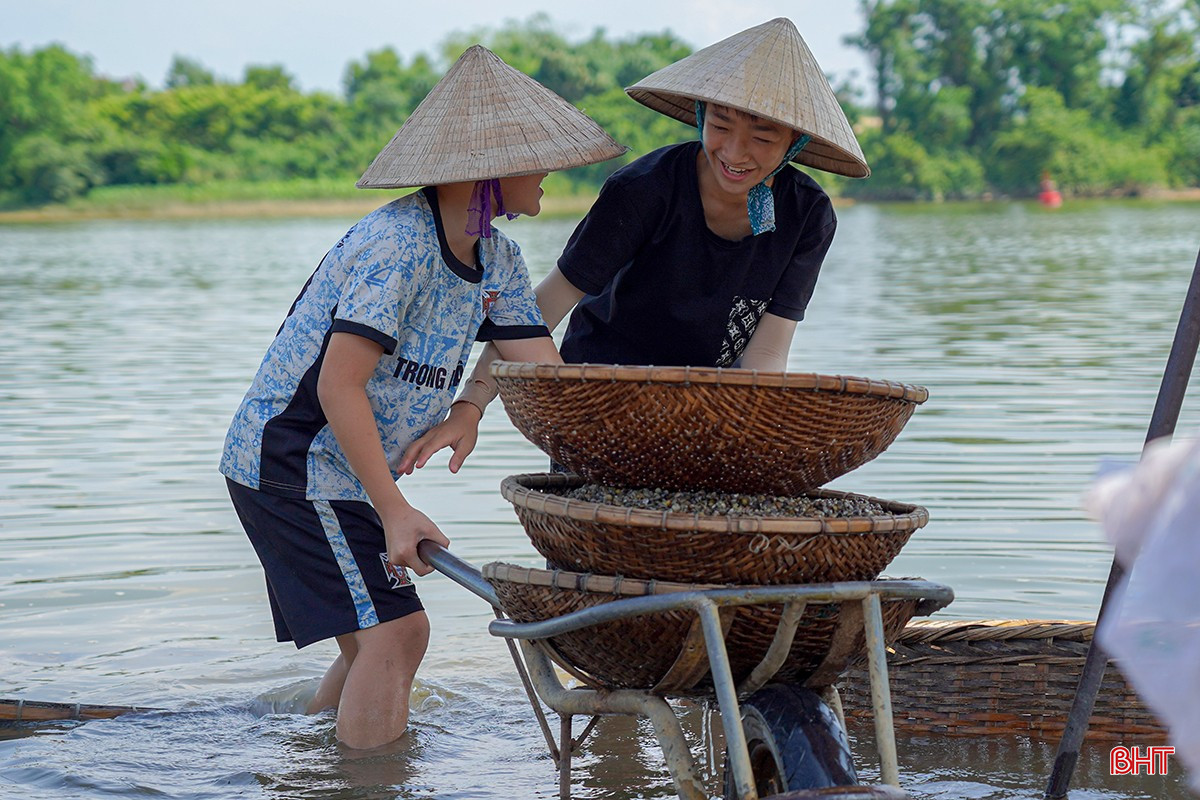
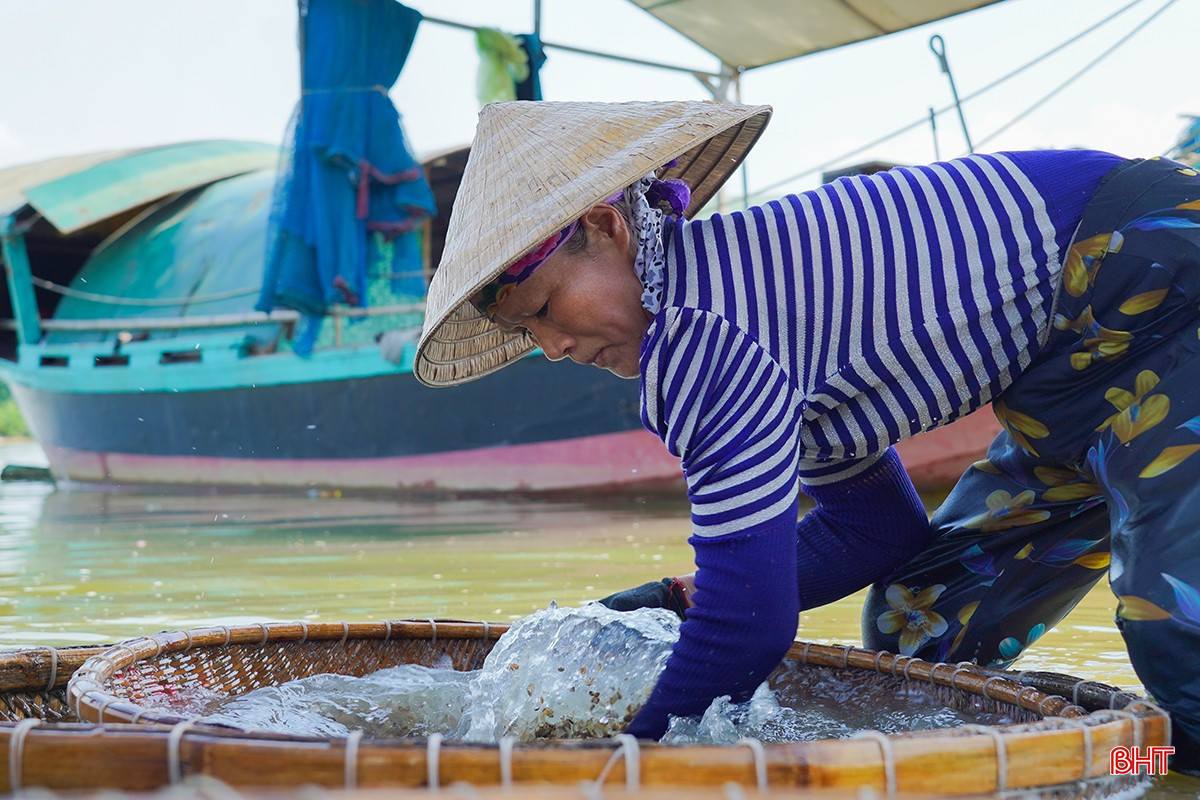
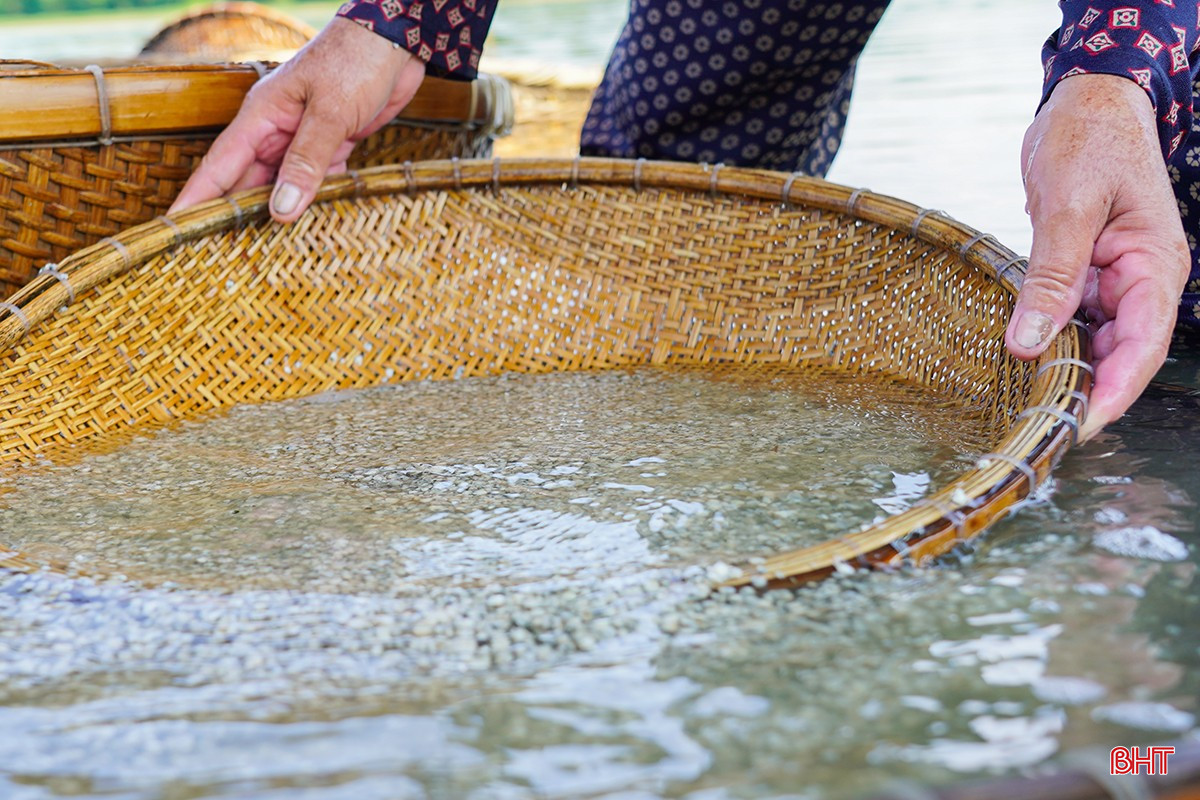
After cooking, the clams and mussels are taken to the river for a final rinse to extract the meat.
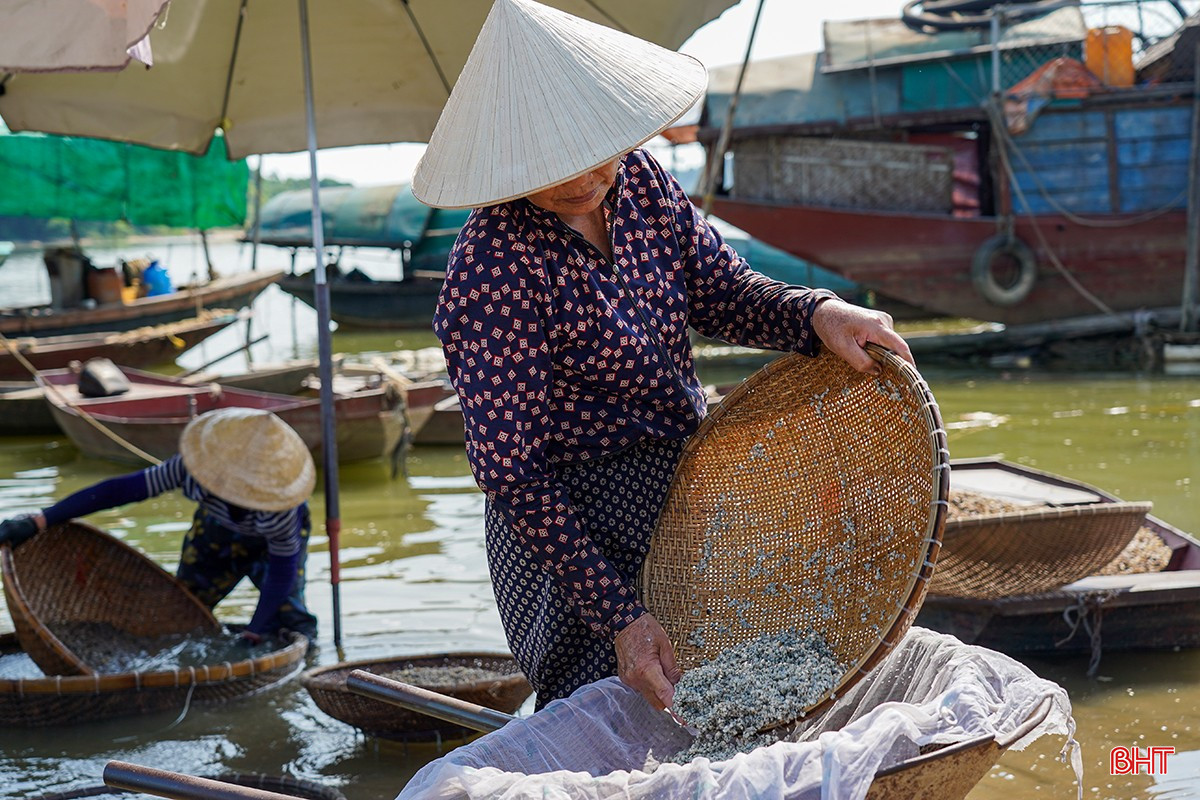
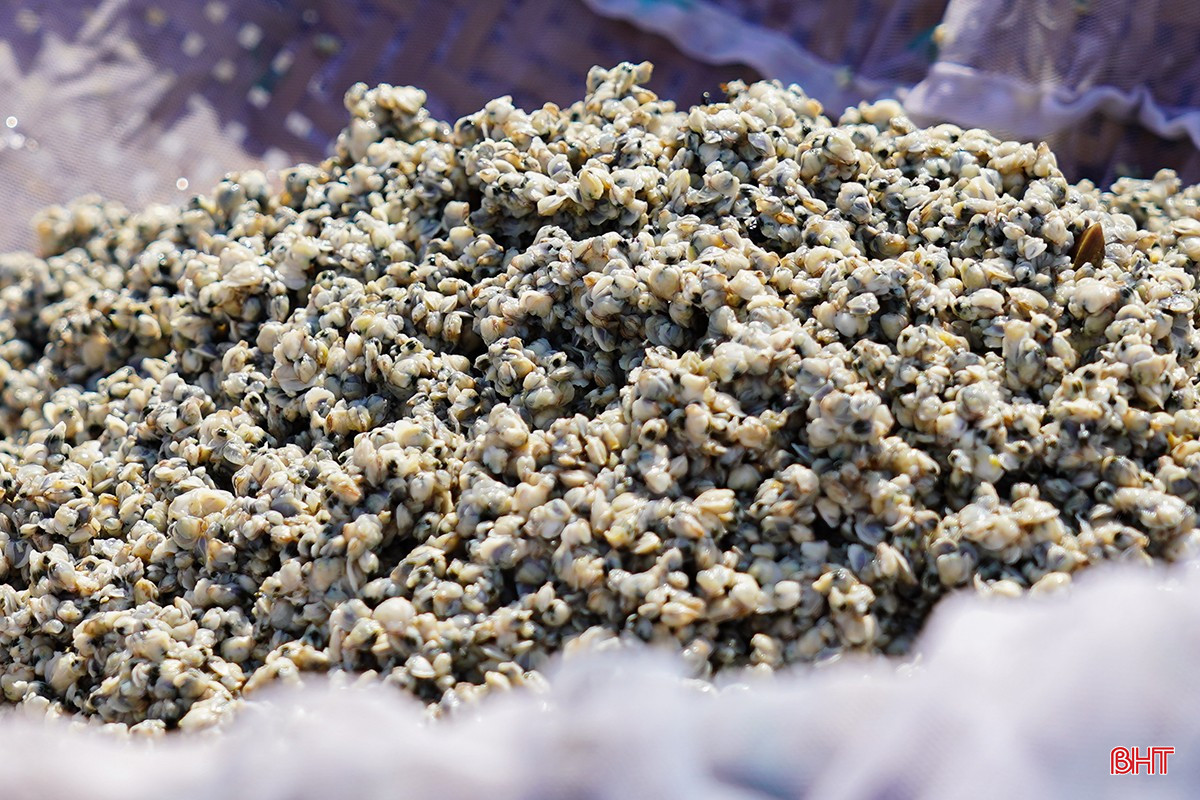
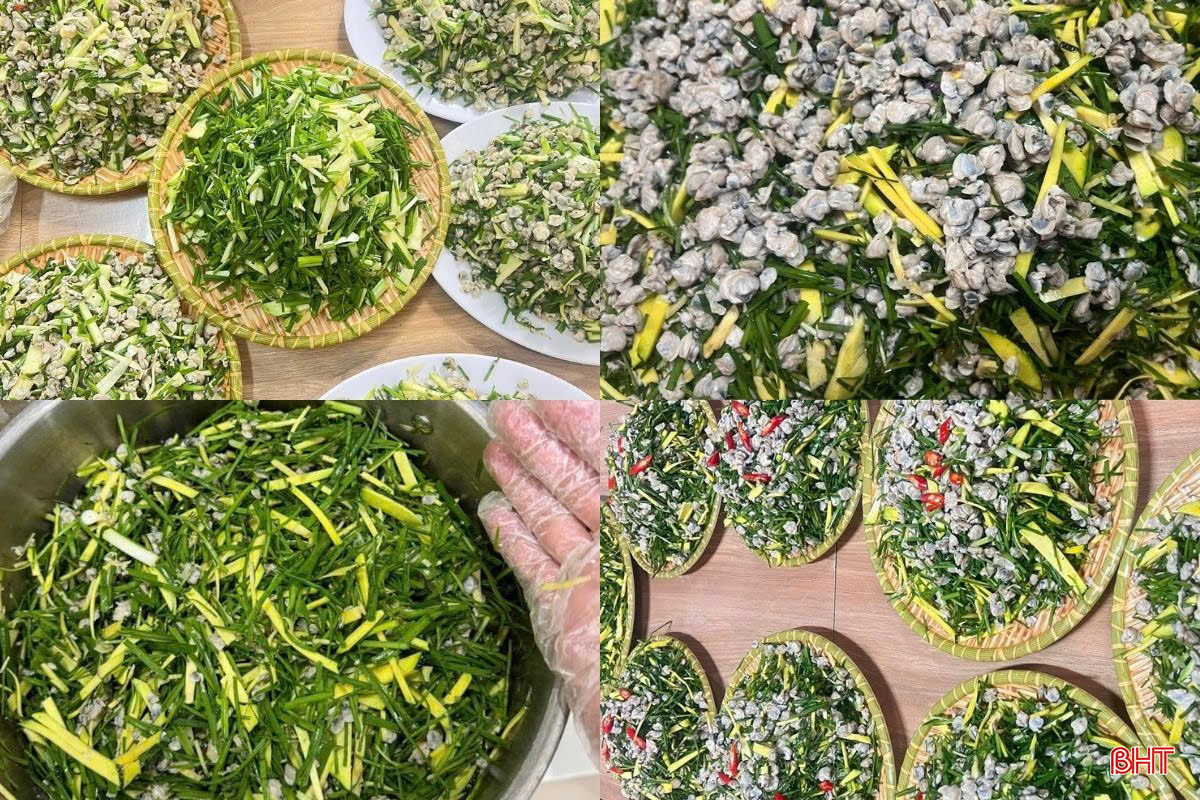
The clam meat is skillfully sifted out by expert hands in the clear blue water. The villagers of Ben Hen skillfully sift through the clams and mussels, placing them into baskets wrapped in thin cloth. According to local residents, during peak season, each boat can harvest 5-6 quintals of clams and nearly 1 quintal of mussels per day. After processing, they obtain approximately 1 quintal of clam meat and over 10 kilograms of mussel meat. With current market prices of 150,000 VND/kg for mussels and 50-70,000 VND/kg for clams, this has contributed to a stable income for the households. Clams and mussels are purchased by customers to prepare many dishes such as: chive soup, mixed vegetable soup, jackfruit soup, stir-fried bean sprouts… In particular, recently, clam hotpot has become a specialty that diners greatly enjoy and appreciate.
Video : People in Ben Hen diligently sift for clams along the La River.




![[Photo] Prime Minister Pham Minh Chinh attends the Conference on the Implementation of Tasks for 2026 of the Industry and Trade Sector](/_next/image?url=https%3A%2F%2Fvphoto.vietnam.vn%2Fthumb%2F1200x675%2Fvietnam%2Fresource%2FIMAGE%2F2025%2F12%2F19%2F1766159500458_ndo_br_shared31-jpg.webp&w=3840&q=75)


















































































Comment (0)