

Research and application development
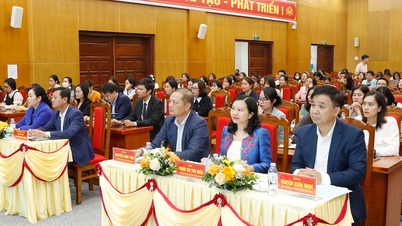
The Ministry of Health organized a conference on solutions and development directions for research and application of cell therapy and cell-derived products in Vietnam today, December 6th, in Hanoi.
At the conference, Dr. Nguyen Ngo Quang, Deputy Director of the Department of Science, Technology and Training (Ministry of Health ), stated that in Vietnam, cell therapy, especially stem cell therapy, is still largely unregulated, with many medical facilities applying it improperly. In particular, many advertisements lack scientific verification, potentially causing harm to patients or yielding unclear and costly results.
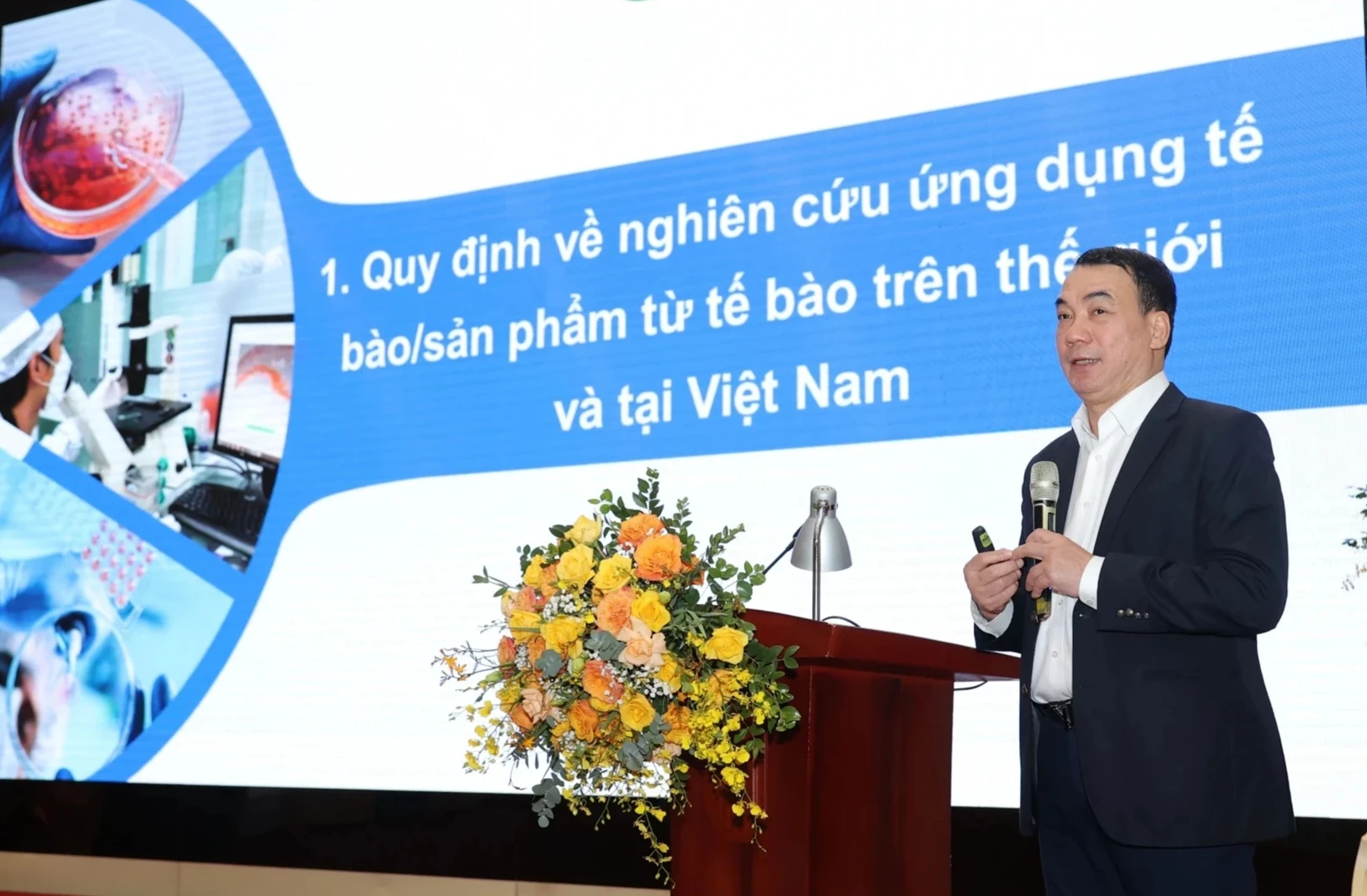
Dr. Nguyen Ngo Quang affirmed that the application of cell therapy and cell-derived products is strictly regulated while still encouraging research.
"Many people in Vietnam have gone to neighboring countries and spent large sums of money on stem cell therapy. We also hear many people ask, 'Other countries treat stem cell therapy freely and comfortably, so why is the Ministry of Health so strict in its regulation?'" Mr. Quang shared.
In response to the question, the Deputy Director of the Department of Science, Technology and Training stated: "We have visited various countries, worked with regulatory agencies, and learned that these countries have very strict regulations, ensuring scientific rigor, and are not as lenient as many people believe."
Countries like Japan, the US, and Europe all consider cell therapy to be a risk to humans and classify the risk levels of cell therapy. Regulatory bodies stipulate that this is a new method, a new technique, requiring assessment and evaluation by the Biomedical Research Ethics Committee before research requirements can be established.
The research process must include safety and efficacy assessments. Even after implementation, post-application evaluations are still needed so that regulatory agencies can decide whether to continue or discontinue implementation.
"We are particularly interested in the final product of cell technology, in terms of safety and effectiveness," Mr. Quang emphasized.
The government has tasked the Ministry of Health with overseeing biomedical research on humans, ensuring human rights are protected.
The Ministry of Health is currently finalizing a comprehensive legal framework to regulate research, clinical trials, and the application of cell therapies in the treatment and healthcare of the population.
The regulations must ensure that the principles of encouraging the development of science and technology in people's healthcare are upheld, but not in a spontaneous manner, and must be safe and effective.
New technologies are being applied to help people achieve better and more effective health, but they need a legal framework, and especially, they need scientific evidence of their effectiveness.
Stem cells: medicine or a technological procedure?
With years of experience researching cell technology and cell immunotherapy, Professor Ta Thanh Van, Head of the National KC 10 Program, said that countries are still debating stem cells because their therapeutic applications yield different results.
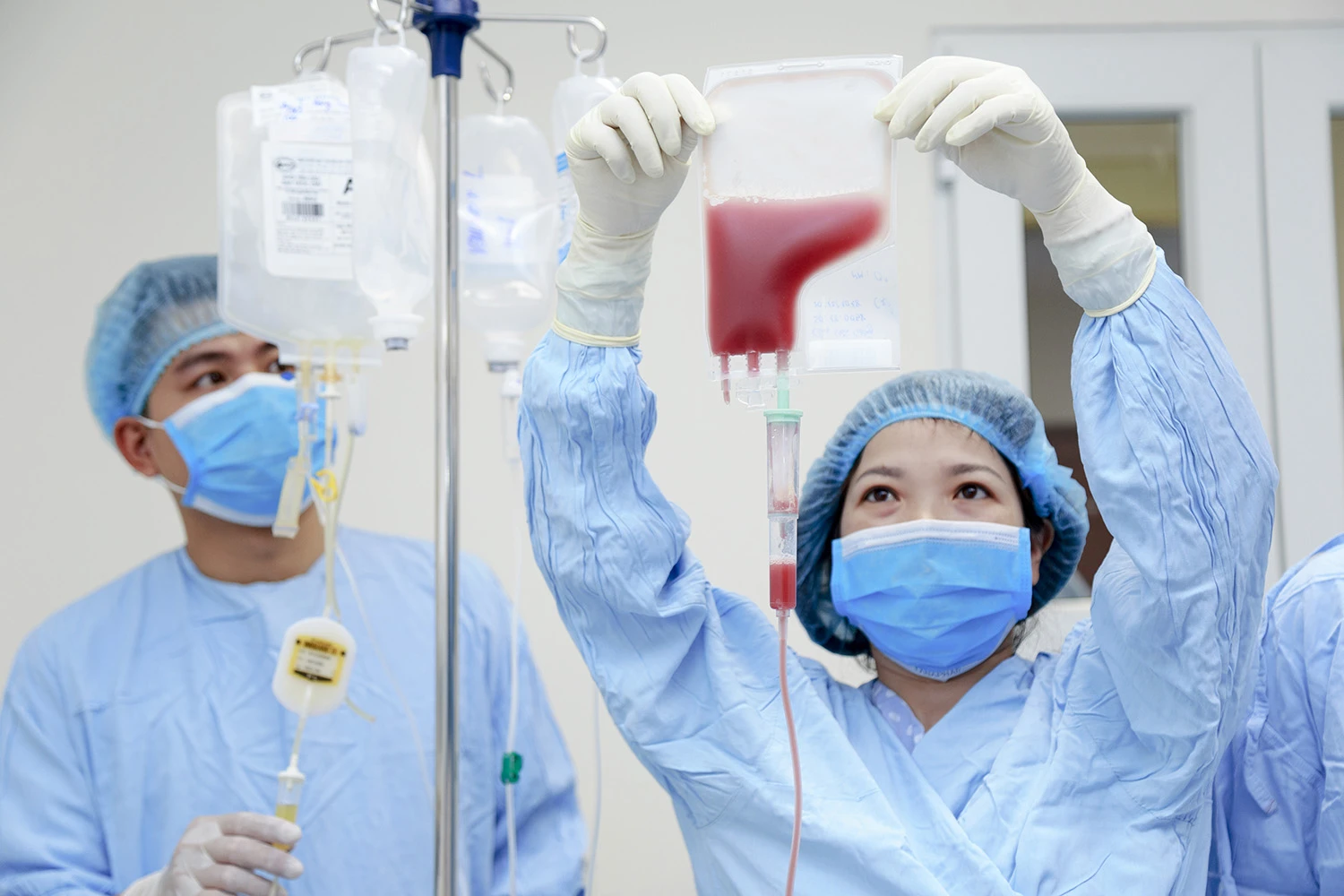
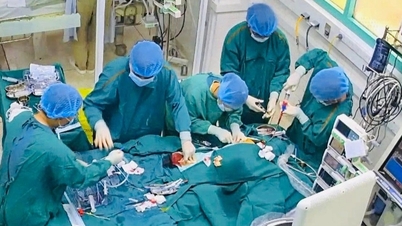
Stem cell therapy for blood diseases at the National Institute of Hematology and Blood Transfusion.
The reason is that we treat individuals individually, and the effectiveness of treatment depends on the quality of each person's cells. Except for stem cell transplantation in the treatment of blood diseases, which has shown clear effectiveness.
This reality highlights the need for legal regulations regarding cell therapy to avoid hindering development while preventing abuse and unnecessary expense.
In particular, Professor Van argued that it is necessary to clarify whether "stem cells are a product or a technical process" in order to manage them in the process of application in treatment and healthcare.
Stem cells are not medicine, but neither are the techniques used. However, to some extent, stem cells are medicine when they produce cell products for transplantation into other individuals.
However, in the case of isolating human stem cells to be transfused back into the same individual, that is the process.
Given the current situation where the distinction between drugs and technical procedures in cell therapy, including stem cell applications, is not clearly defined, Professor Ta Thanh Van noted that the testing of stem cell preparations is necessary. Domestically, the Ministry of Health needs to establish criteria for the quality of cell masses and stem cells, and set up reference laboratories for external quality control.
Furthermore, cell production units must first declare the quality of their products, based on standards issued by the Ministry of Health.
Source link


























































































Comment (0)