

Stress is the body's natural response to pressure, but each person's stress tolerance varies. Some people feel stressed by even a small change in their lives, while others can calmly face difficult situations with little impact. This difference is not random, but stems from a variety of biological, psychological, and environmental factors. Understanding these causes helps us better protect our mental health.
1. Genetic factors and brain function
Research suggests that genetic factors may influence the ability to cope with stress. Some individuals carry gene variants that affect the activity of serotonin and noradrenaline—two important neurotransmitters in emotion control. When this system functions inefficiently, they are more prone to anxiety and react strongly to pressure.
In addition, the hippocampus and amygdala—two brain regions involved in processing stress and emotions—also differ from person to person. Individuals with more sensitive amygdalas tend to react more strongly to stress, and are more prone to anxiety or panic.
Personality also greatly influences the ability to handle stress. Some personality types are more prone to stress, for example:
- Introverts: Easily stressed when faced with many social interactions or noisy environments.
- Emotionally sensitive people: React strongly to external stimuli and are easily influenced by the emotions of others.
Personality is influenced by both genetics and environment, so the level of sensitivity to stress varies from person to person.
2. Childhood experiences and traumatic events
Negative childhood experiences such as family conflict, violence, lack of affection, abandonment, or trauma can increase the risk of stress in adulthood.
These experiences keep the body in a constant state of hypervigilance, making them prone to strong reactions to minor stressors. Conversely, children who grow up in stable environments and receive good emotional support tend to develop greater adaptability.
3. Gender and hormonal factors
Hormones have a significant impact on emotions and stress tolerance. For example:
- Women are often more sensitive to stress due to fluctuations in estrogen and progesterone hormones during their menstrual cycle, pregnancy, or perimenopause.
- Some people have higher-than-normal levels of cortisol—the stress hormone—causing their bodies to react strongly to stress.
These biological factors contribute to the differences in stress levels among individuals.
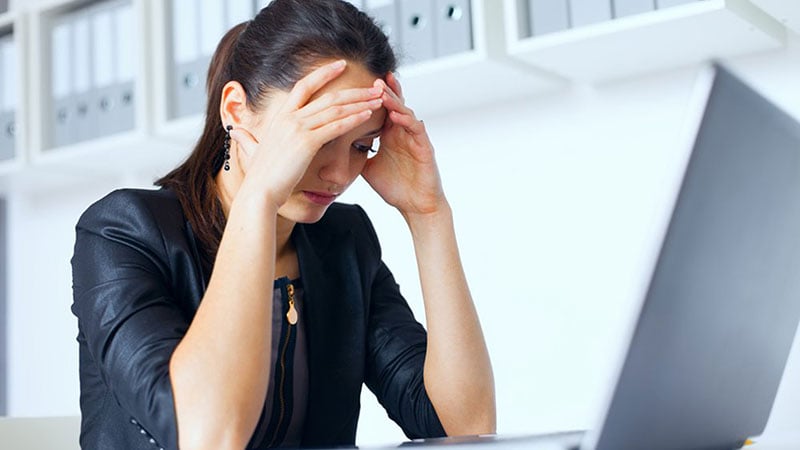
Stress is the body's natural response to pressure, but each person's ability to tolerate stress is different.
4. Social pressure, work, and living circumstances
Different living conditions lead to different levels of stress:
- People who have to worry about finances, care for family, or face illness often experience prolonged stress.
- High-pressure jobs, competitive environments, and a lack of support can increase stress.
- An unstable life with constant changes keeps the body in a state of stress.
These factors accumulate over time, causing some people to become more "stressed."
5. Lifestyle and daily habits
Poor sleep, staying up late, overwork, lack of exercise, unhealthy eating habits, and excessive caffeine or alcohol consumption all reduce the body's ability to cope with stress. When the body is not healthy, the mind is also more easily affected.
Conversely, people with healthy lifestyles tend to have more stable nervous systems, which helps them handle stress more effectively.
Effective and easy ways to relieve stress at home.
Here are some simple ways to reduce stress and improve your mood:
Record the positive things each day.
At the end of each day, list a few good things that happened to you. This helps shift your attention to positive things, thereby improving your mood.
Control your emotions
Losing your temper only makes stress worse. Learning how to manage your emotions or seeking professional help when needed can help you cope better with stress.
Eat healthily
Instead of turning to sweets, alcohol, or caffeine to "relieve stress," maintain a diet rich in green vegetables, fruits, and healthy foods to reduce mental fatigue.
Do exercise
About 30 minutes of exercise each day helps improve your health and release endorphins – hormones that bring about feelings of euphoria and reduce stress. You can do yoga, walking, aerobics, or any activity you enjoy.
Improve sleep
Quality sleep helps regenerate energy and reduce the negative effects of stress. Here are some tips to help you sleep better:
- Go to bed on time every day, including weekends.
- Prepare comfortable blankets, pillows, and mattresses.
- Keep the bedroom quiet and dimly lit.
- Listen to relaxing music.
- Limit your use of phones and computers before bedtime.
- Avoid overusing sleeping pills.
- Avoid hard-to-digest foods, alcohol, and coffee before bed.
- Exercise daily, but avoid exercising too close to bedtime.
In summary: Some people are more prone to stress not because they are weak, but because their bodies, minds, and life circumstances are different. Stress is a normal reaction, but by understanding the causes, each person can adjust their lifestyle, develop emotional management skills, and seek support when needed.
Listening to our bodies, taking care of our mental health, and maintaining balance are key to better adapting to the pressures of modern life.
Source: https://suckhoedoisong.vn/vi-sao-co-nguoi-de-bi-stress-hon-nguoi-khac-169251212074130277.htm


![[Photo] Prime Minister Pham Minh Chinh attends the Conference summarizing and implementing tasks of the judicial sector.](/_next/image?url=https%3A%2F%2Fvphoto.vietnam.vn%2Fthumb%2F1200x675%2Fvietnam%2Fresource%2FIMAGE%2F2025%2F12%2F13%2F1765616082148_dsc-5565-jpg.webp&w=3840&q=75)






























































































Comment (0)