

The Ministry of Health, in collaboration with the Central Dental and Maxillofacial Hospital in Hanoi and the Central Dental and Maxillofacial Hospital in Ho Chi Minh City, recently organized a conference to review Phase I of the project "Improving the capacity for dental and maxillofacial examination and treatment and community oral disease prevention in the period 2021-2030" (Project 5628).
The conference was organized to comprehensively assess the results of the implementation phase from 2021 to 2025 and identify key tasks and solutions for the next phase.

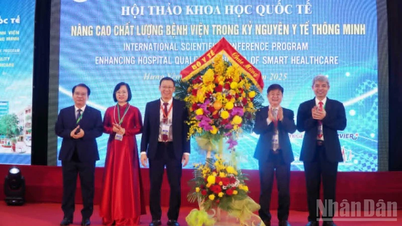
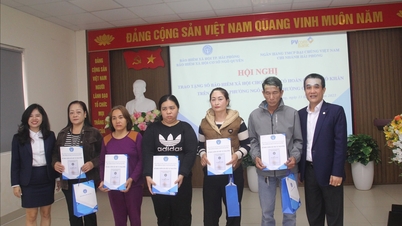
Leaders of the Department of Medical Examination and Treatment Management (Ministry of Health ) and the People's Committee of Hai Phong City presented flowers to congratulate the Central Dental and Maxillofacial Hospital in Hanoi and the Central Dental and Maxillofacial Hospital in Ho Chi Minh City.
Associate Professor Dr. Tran Cao Binh - Director of the Central Dental and Maxillofacial Hospital, stated that during the 2021-2025 period, under the direction of the Ministry of Health, and with the great efforts of the Central Dental and Maxillofacial Hospital in Hanoi , the Central Dental and Maxillofacial Hospital in Ho Chi Minh City, and other hospitals and medical facilities nationwide, the implementation of Project 5628 for the 2021-2025 period has achieved many important results, creating a solid foundation for improving the capacity of oral health care for the entire population.
The project aims for a comprehensive and synchronized implementation of five objectives. Firstly, it focuses on strengthening and developing the oral health care system. Central-level hospitals have taken the lead in developing, issuing, and implementing various oral care models tailored to different regions and target groups: children, the elderly, workers, etc.; many provinces/cities have begun to establish a synchronized network of dental and maxillofacial care, improving the quality of services at the provincial and district levels.
Simultaneously, develop, standardize, and update professional procedures. Develop and refine professional procedures and quality standards for dental and maxillofacial treatment. These new procedures help increase patient safety, unify practices nationwide, and support the enhancement of the capacity of healthcare workers at the grassroots level.
Improving diagnostic and treatment capabilities and applying advanced techniques. Many modern techniques have been widely implemented: 3D imaging diagnostics, minimally invasive maxillofacial surgery, advanced implant placement, etc. Training and technology transfer programs from central maxillofacial hospitals have spread strongly, helping lower-level facilities access modern maxillofacial techniques more quickly.
Simultaneously, strengthen community-based oral disease prevention. Implement health care models for children in schools: school-health station model, public-private model, etc. Develop strong health education and communication efforts to raise public awareness about oral care.
Applying information technology and digital transformation in oral health management and care. Implementing electronic medical records, dental treatment management software, and a community oral health monitoring data system.
During the past period, the two hospitals have achieved many important results in implementing the 24 planned targets of the project, with 93.5% of students receiving oral health education; 93.5% of all schools participating in oral health care activities; 86.5% of schools conducting oral health check-ups for students at the beginning of the school year as prescribed; and 360 professional and technical procedures in dentistry being developed and standardized…
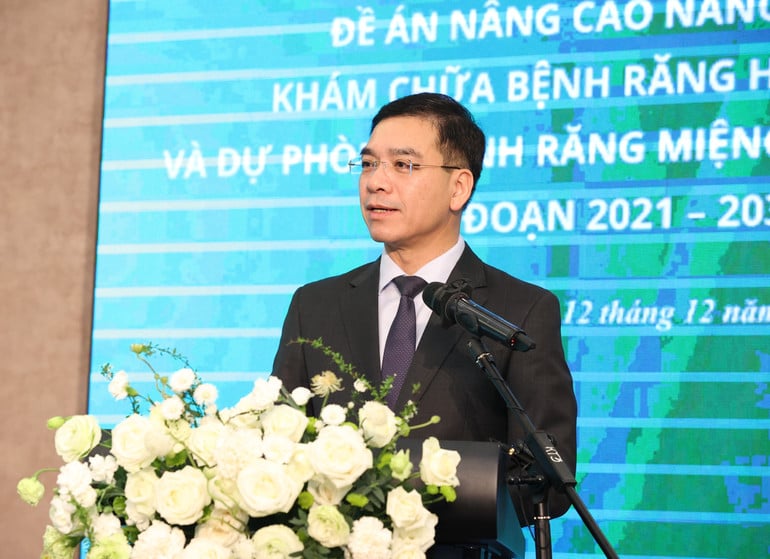
Dr. Ha Anh Duc, Director of the Department of Medical Examination and Treatment Management, Ministry of Health, delivered a speech.
According to Dr. Ha Anh Duc, Director of the Department of Medical Examination and Treatment Management, Ministry of Health, in Vietnam, oral diseases remain one of the most common groups of non-communicable diseases, directly affecting people's health, quality of life, and labor productivity.
Therefore, the implementation of Project 5628 plays a crucial role in achieving the goal of universal health care coverage and meeting the oral health indicators recommended by the World Health Organization.
Director Ha Anh Duc suggested that, in order to continue the effective implementation of Project 5628 in the next phase, localities and medical facilities should maximize the achievements and lessons learned from Phase I; proactively review the assigned goals and targets, develop specific plans, and clearly assign responsibilities.
The entire sector strives to achieve 100% of the Project's objectives by 2030, aiming to ensure that all citizens, especially children, the elderly, and people in disadvantaged areas, have access to basic, routine oral care services.
It is recommended that hospitals and universities focus on researching and evaluating the effectiveness of early oral care for young children; quantifying the evidence on the benefits of early caries prevention for health, physical and mental development, socio-economic efficiency, and future healthcare cost burden. Based on this, it is proposed that the Ministry of Health and relevant ministries and agencies develop and issue stronger policies on children's oral health care.
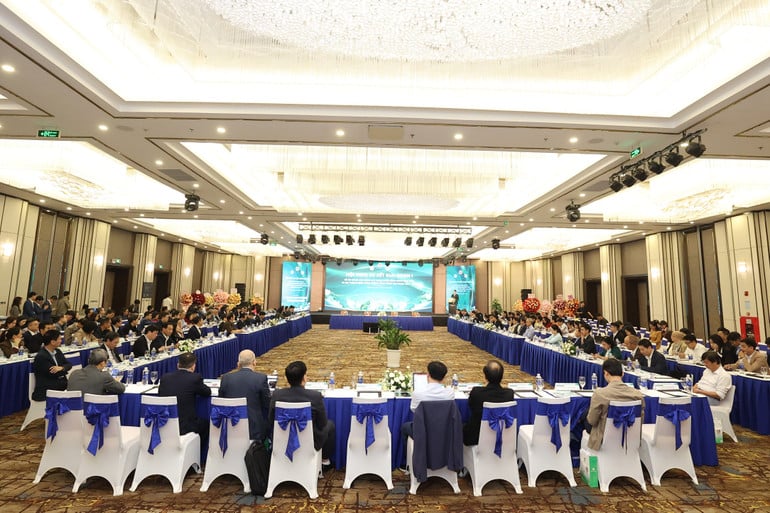
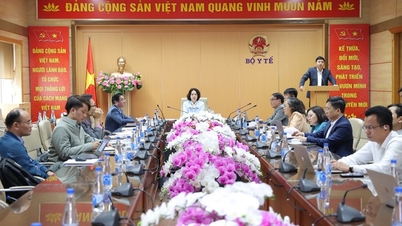
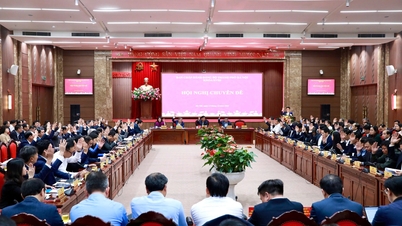
Overview of the conference.
At the conference, hospitals proposed that the Ministry of Health and relevant ministries and agencies develop and issue stronger policies for children's oral care, including considering: a mandatory mechanism for regular oral care for preschool and primary school children; standardizing the national school dental program in a synchronized and sustainable manner; ensuring appropriate financial coverage and support in health insurance for oral disease prevention services...
Source: https://suckhoedoisong.vn/de-xuat-bao-dam-chi-tra-phu-hop-trong-bhyt-cho-cac-dich-vu-du-phong-benh-rang-mieng-16925121316404627.htm


![[Photo] Prime Minister Pham Minh Chinh attends the Conference summarizing and implementing tasks of the judicial sector.](/_next/image?url=https%3A%2F%2Fvphoto.vietnam.vn%2Fthumb%2F1200x675%2Fvietnam%2Fresource%2FIMAGE%2F2025%2F12%2F13%2F1765616082148_dsc-5565-jpg.webp&w=3840&q=75)
















































































Comment (0)