

Over 30 domestic and international experts attended the 3rd International Conference on Health Technology Assessment (HTA), held on December 13-14 in Ho Chi Minh City. Professor Tran Van Thuan, Deputy Minister of Health and Chairman of the National Medical Council, attended and delivered a keynote address at the conference.
The conference focused on discussing the role of Health Technology Assessment in the context of digital transformation in healthcare, as data increasingly becomes the foundation for decisions on payment, bidding, and resource allocation within the healthcare system.
The conference was organized by Hong Bang International University in collaboration with the Vietnam Hospital Pharmacists Association, with the participation of representatives from the Ministry of Health, Vietnam Social Security, and other management agencies in the fields of health, finance, and insurance.
According to the organizers, the event is taking place in the context of Vietnam gradually perfecting its evidence-based decision-making mechanism to ensure the effectiveness, fairness, and sustainability of the Health Insurance Fund.
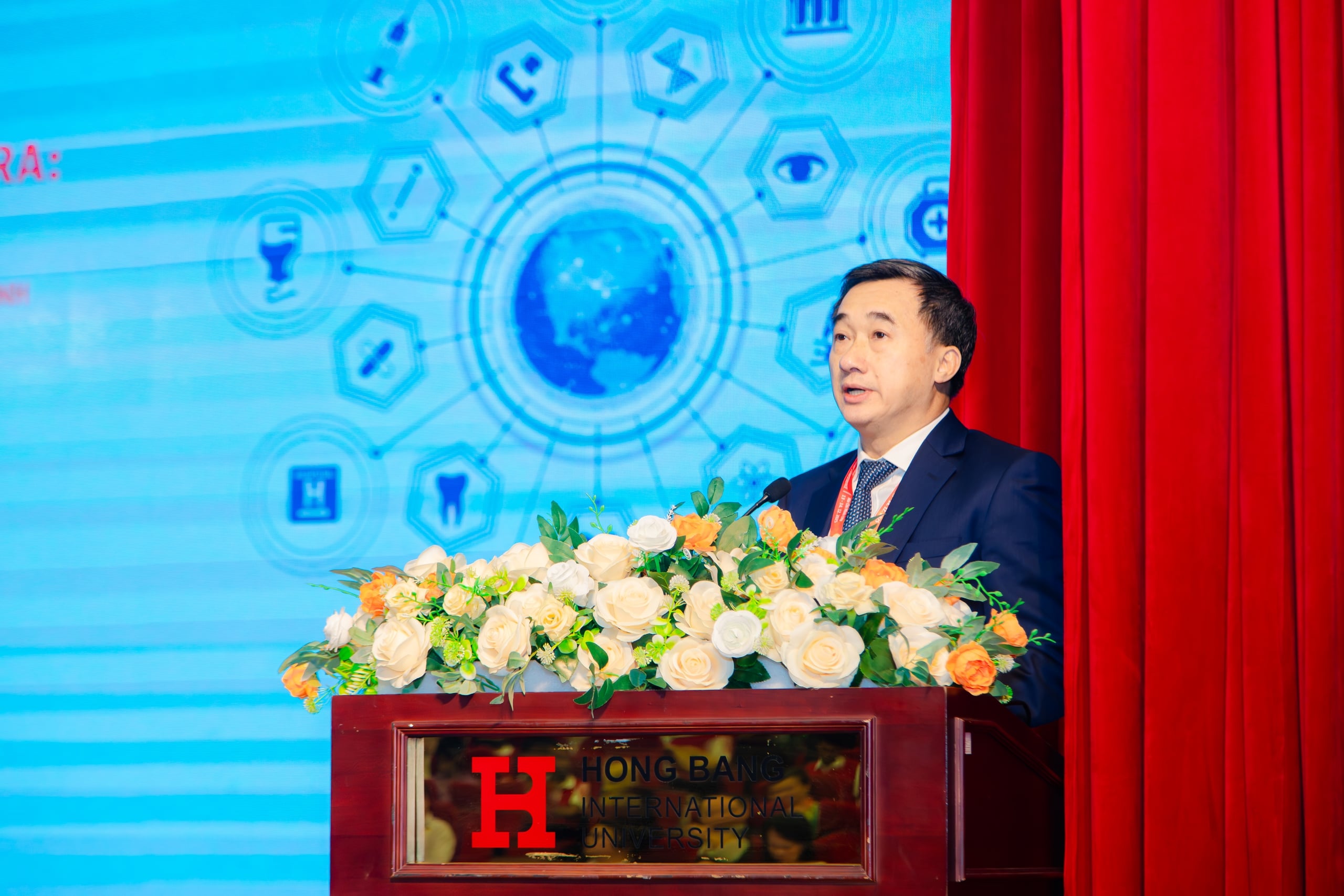
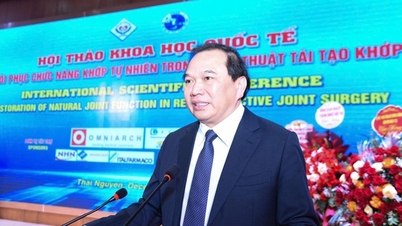
Professor Tran Van Thuan, Vice Minister of Health and Chairman of the National Medical Council, delivered a speech.
From health data to policy decisions
Speaking at the conference, Deputy Minister of Health Tran Van Thuan stated that we are entering a phase where health data is no longer scarce, but is becoming increasingly abundant and complex. However, the core challenge lies not in the quantity of data, but in the institutional and professional capacity to transform that data into sound, responsible policy decisions that benefit the common good.
In the digital age, evaluating health technology should not only answer the question "is this technology effective?", but also address much more complex questions: whether that effectiveness is worth the social resources invested, to whom they are allocated, when, and in what way to maximize benefits for the entire population and ensure the long-term sustainability of the healthcare system.
Deputy Minister Tran Van Thuan stated that in Vietnam, the approach to health technology assessment is not seen as a formal requirement or a practice to "catch up" with international standards, but rather as a structural reform tool for the healthcare system.
"Health technology assessment is being progressively and intentionally integrated into the process of developing drug and medical device lists, price negotiations, centralized bidding, as well as in the design and adjustment of health insurance payment policies."
"Through health technology assessment, we aim to make health resource allocation decisions more transparent, consistent, and scientifically grounded," said Professor Tran Van Thuan.
In particular, given Vietnam's rapid expansion of health insurance coverage and the increasing demand for access to new medical technologies, controlling costs and ensuring the financial sustainability of the system has become just as urgent a requirement as expanding access. In this context, according to Deputy Minister Tran Van Thuan, evaluating medical technology is a crucial scientific foundation to ensure that every dollar of the state budget and every dollar of the health insurance fund is used rationally, fairly, and towards real value for patients.
Furthermore, health technology assessment is increasingly playing a key role in developing drug and medical equipment lists, negotiating prices, centralized bidding, and designing new payment mechanisms. Delegates argued that applying health technology assessment not only helps improve budget efficiency but also provides a scientific basis for policy decisions.
From a fund management perspective, representatives from the Vietnam Social Security stated that health insurance claims data and medical examination and treatment costs are becoming important input sources for HTA analyses. However, exploiting real-world data still faces many obstacles, ranging from a lack of a unified legal framework on data sharing and anonymization to differences in encoding standards and clinical information quality among healthcare facilities.
According to MSc. Nguyen Truong Nam, Deputy Director of the National Center for Health Information (Ministry of Health), by 2025, medical examination and treatment facilities nationwide will have connected to the health insurance claims and payment system and the National Population Database.
Electronic medical records have been implemented in 881 out of a total of 1,645 hospitals; electronic health records have been implemented in 34 provinces and cities with more than 24.4 million records. This is considered a prerequisite for the formation of large data repositories to serve analysis, forecasting, and health policy planning in the coming period.
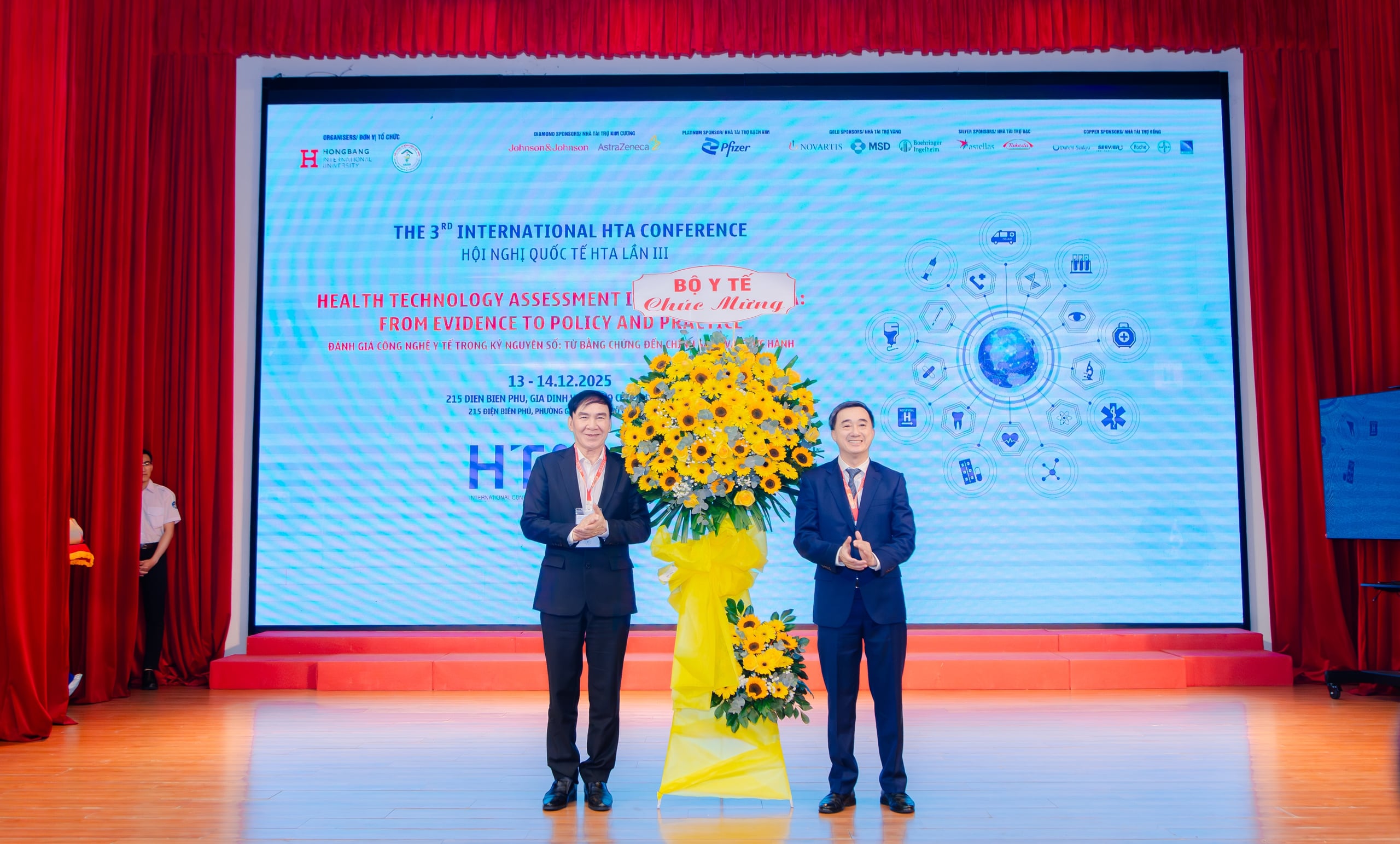
Deputy Minister Tran Van Thuan, on behalf of the Ministry of Health, congratulated the leaders of Hong Bang International University on organizing the conference on this topic for the third time.
International experience and the issue of payment based on value.
In addition to domestic reports, the conference devoted significant time to sharing international experiences on the application of health technology assessment in health insurance fund management.
Dr. Pritaporn Kingkaew, representing the Health Technology and Intervention Assessment Programme (HITAP) of Thailand, introduced the national health technology assessment database model and how evidence is used in selecting health interventions.
Accordingly, this ecosystem comprises components such as a health technology assessment database, a benchmark cost list, a health utility database, methodological guidelines, and priority-setting tools, aiming to standardize the creation and application of evidence in policy decisions. This model is considered a valuable reference for Vietnam in the process of refining its policies.
Reports from Russian and Danish experts also offer insights into modern payment models such as outcome-based pay, evidence-based pay, and value-based procurement. These approaches are being adopted by many healthcare systems to control costs while encouraging innovation in medical technology.
In terms of domestic research, Assoc. Prof. Dr. Nguyen Thi Thu Thuy, Vice Rector of Hong Bang International University, presented the results of evaluating the cost-effectiveness of sacubitril/valsartan in the treatment of heart failure with reduced ejection fraction.
The study shows that the drug offers improved treatment efficacy compared to current protocols, but it also places budgetary pressure on the health insurance fund, thus clearly illustrating the role of health technology assessment in balancing treatment benefits and affordability.
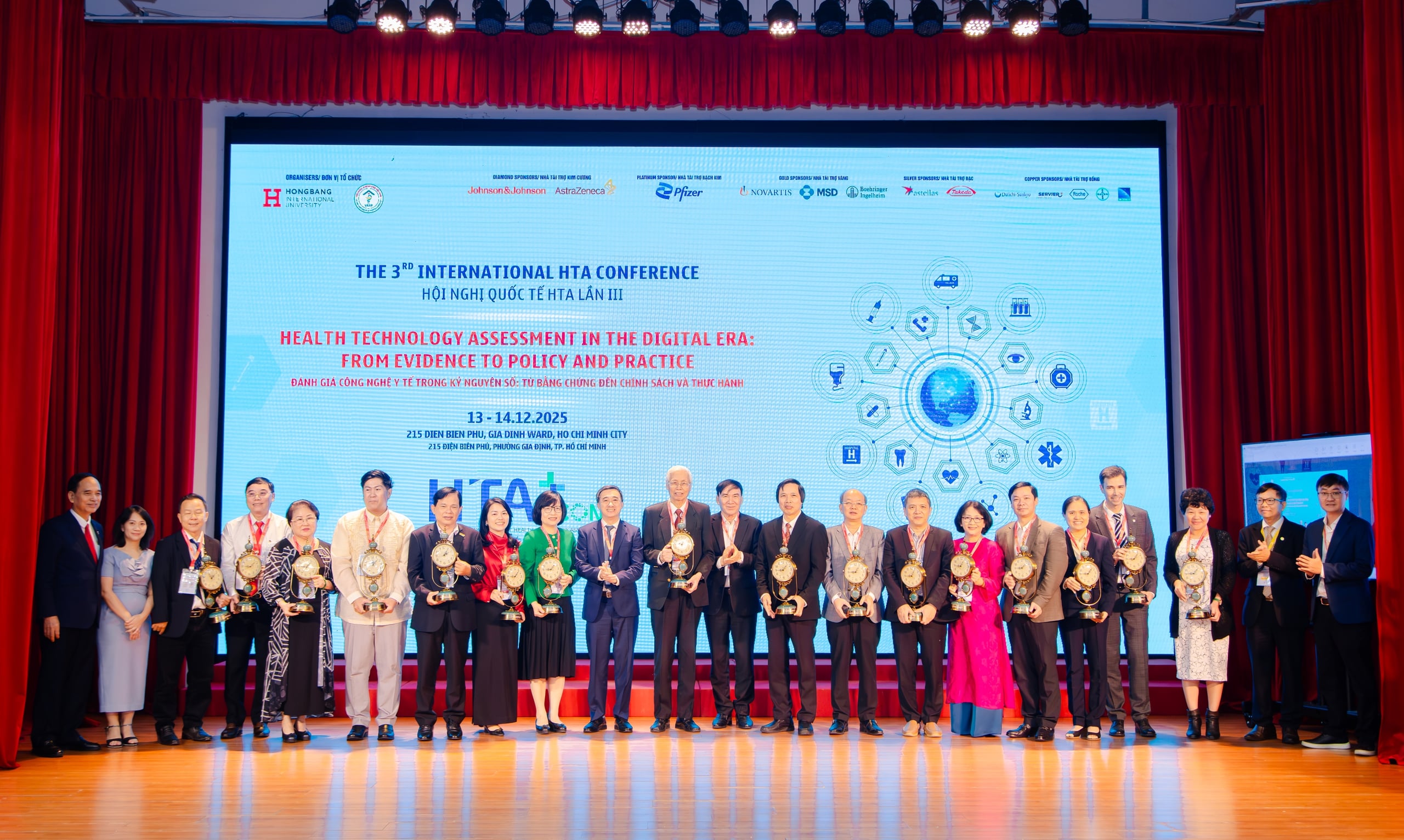
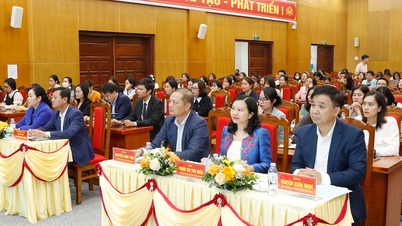
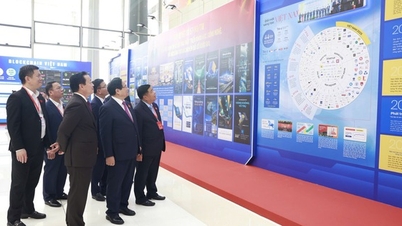
Deputy Minister of Health Tran Van Thuan and delegates and experts participated in the conference.
The 3rd International Conference on Health Technology Assessment includes plenary sessions, thematic sessions, a forum for young scientists, and regional research poster presentations. The content focuses on the application of information technology and artificial intelligence in healthcare, hospital-level health technology assessment, and medical device evaluation.
According to experts, the discussions at the conference showed that health technology assessment is becoming an important tool to help Vietnam move closer to an evidence-based decision-making model, towards an efficient, transparent, and sustainable healthcare system in the long term.
Professor Tran Van Thuan believes that evaluating medical technology is not a destination, but a continuous learning process that requires cross-border, cross-sectoral, and cross-institutional cooperation .
The Vietnamese Ministry of Health is committed to continuing to promote health technology assessment as a crucial pillar in healthcare system reform, while expanding international cooperation, not only to learn from best practices, but also to contribute Vietnam's voice and experience to the overall development of the regional and global health technology assessment community.
This is the third time Hong Bang International University has organized an international scientific conference on health technology assessment. This activity is part of the university's orientation towards building a training and research environment closely linked to healthcare management practices, through organizing in-depth scientific forums and promoting academic cooperation domestically and internationally. Through this, it contributes to supporting the development of human resources in healthcare and health economics, serving the process of building evidence-based policies, and aiming for an efficient and sustainable healthcare system.
Source: https://suckhoedoisong.vn/danh-gia-cong-nghe-y-te-trong-ky-nguyen-so-bai-toan-du-lieu-cho-he-thong-y-te-ben-vung-169251213162145015.htm






















































































Comment (0)