

1. Classification of cataracts by cause
- Age-related cataracts
This is the most common type of cataract, usually occurring in people over 50 due to the natural aging process. Aging causes proteins in the lens to clump together, gradually reducing its transparency. The lens becomes cloudy, affecting vision.
- 1. Classification of cataracts by cause
- 2. Causes and factors contributing to cataracts
- 3. Typical signs of cataracts
- 4. Preventing cataracts
- Cataracts caused by disease
Causes: Conditions such as diabetes, high blood pressure, and uveitis can cause cataracts. This condition can occur at any age, not just in the elderly. The lens is damaged due to complications from the underlying disease. The cause depends on the underlying disease and the extent of its impact on the lens.
- Cataracts caused by trauma
Eye injuries from accidents or impacts can damage the lens. This typically manifests as opacification, which can vary in shape and size. Symptoms include blurred vision, double vision, eye pain, and redness of the eye.
- Congenital cataracts
Genetic abnormalities or factors affecting fetal development can be the cause. A cloudy lens present from birth may be accompanied by other eye defects.
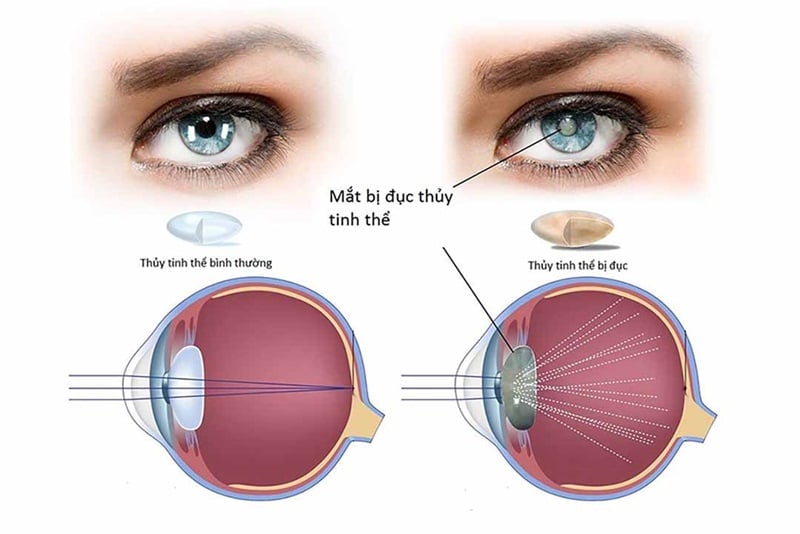
Patients with cataracts may experience symptoms such as blurred vision, feeling as if a veil is covering their eyes.
2. Causes and factors contributing to cataracts
Causes of cataracts include:
- Primary causes:
Age is the most common cause. As people get older, especially after age 50, the lens is more prone to clouding. Some people develop cataracts due to genetic factors inherited from their parents.
- Secondary causes:
- Injuries: Workplace accidents and traffic accidents can cause cataracts.
- Medical conditions: Certain medical conditions such as diabetes, high blood pressure, obesity, cardiovascular disease, or kidney disease.
- Medication: Prolonged use of certain medications, particularly corticosteroids, can lead to cataracts.
- Related factors:
- Smoking: Increases the risk of developing cataracts.
- Alcohol consumption: Excessive alcohol consumption increases the risk of disease.
- Dietary deficiencies: Lack of vitamins C, E, and antioxidants.
- Work environment: Frequent exposure to dust, chemicals, or radiation.
3. Typical signs of cataracts
Early symptoms are often difficult to recognize because they are subtle and painless. Over time, the signs become more pronounced. Patients may experience one or more of the following symptoms:
- My vision was blurry, as if a veil of fog was covering my eyes.
- Double vision (diplopia) is seeing two images at the same time because light is scattered through the lens.
- Small dots or black streaks appear in front of the eyes (floaters).
- The image has a yellowish tint, and some colors like red and orange are less vibrant.
- Difficulty reading due to blurred vision, reduced contrast, and eye strain after prolonged reading.
- Increased sensitivity to light, especially difficulty driving at night due to glare from headlights; this symptom is commonly seen in posterior capsule cataracts.
As the disease progresses, the symptoms become more pronounced, such as:
- Significantly reduced vision, difficulty focusing on an object.
- Glare and difficulty seeing in bright sunlight occur because the pupils constrict, limiting the amount of light reaching the retina.
- My vision was blurry, as if there was a layer of fog obscuring my eyes.
- Symptoms may occur in one or both eyes.
Cataracts are a dangerous condition that requires prompt treatment. Early detection of symptoms and appropriate treatment will help improve vision and prevent the risk of permanent vision loss.
4. Preventing cataracts
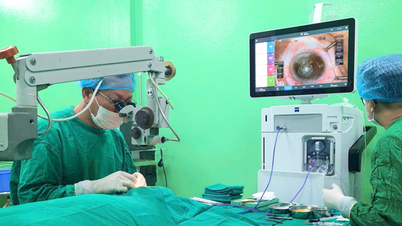
Cataracts can now be treated surgically, restoring good vision, but the results are not always guaranteed, and not all patients meet the criteria for surgery.
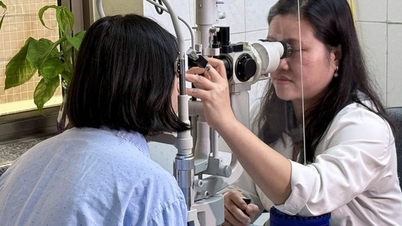
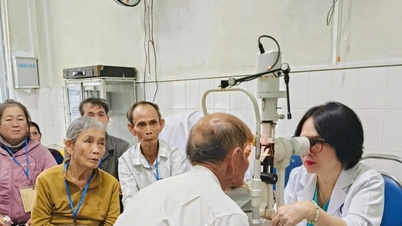
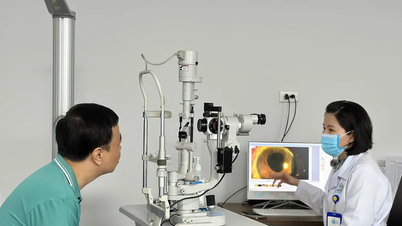
- See an eye doctor immediately if you notice any unusual symptoms such as eye strain, eye pain, dry eyes, blurred vision, etc., to proactively prevent cataracts early on.
- People with systemic diseases should share their condition with their doctor early on to detect potential complications that could affect their eyes.
- Ensure your eyes receive adequate nutrients through your daily diet.
- Minimize your consumption of harmful stimulants such as alcohol, beer, and tobacco.
- Wear protective eyewear when going outside to avoid environmental hazards; depending on the specific nature of the job, specialized and complete protective equipment may be required.
Source: https://suckhoedoisong.vn/dau-hieu-dien-hinh-nhan-biet-duc-thuy-tinh-the-169251211201038201.htm





















































































Comment (0)