Analyzing ancient dinosaur embryos using super-resolution 3D scanning technology
Thanks to modern technology, experts have reconstructed detailed images of 200-million-year-old dinosaur embryos, opening up an unprecedented portrait of their development.
Báo Khoa học và Đời sống•09/12/2025
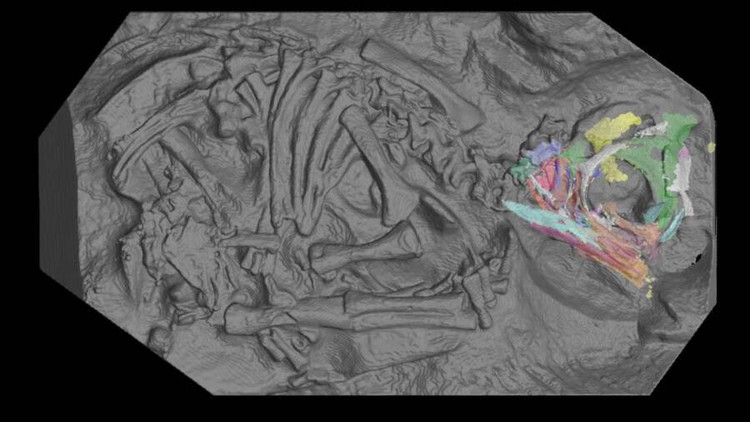
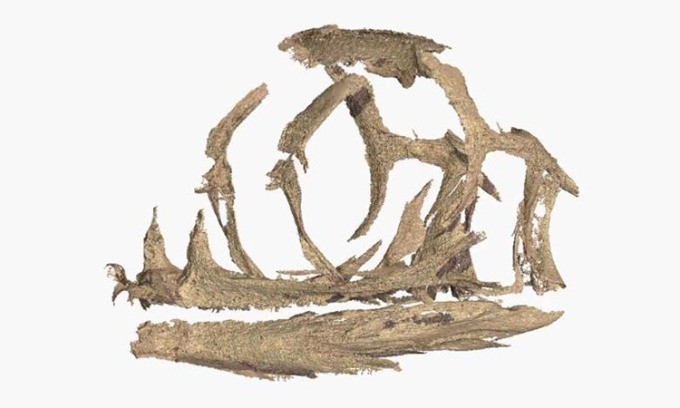
Using a massive particle accelerator, experts scanned a 200-million-year-old fossil egg nest and then created a 3D replica of the skull of a baby dinosaur embryo. Photo: Kimberley Chapelle. Incredibly detailed 3D scans and reconstructions have given experts unprecedented insight into how baby dinosaurs develop. Photo: Brett Eloff.
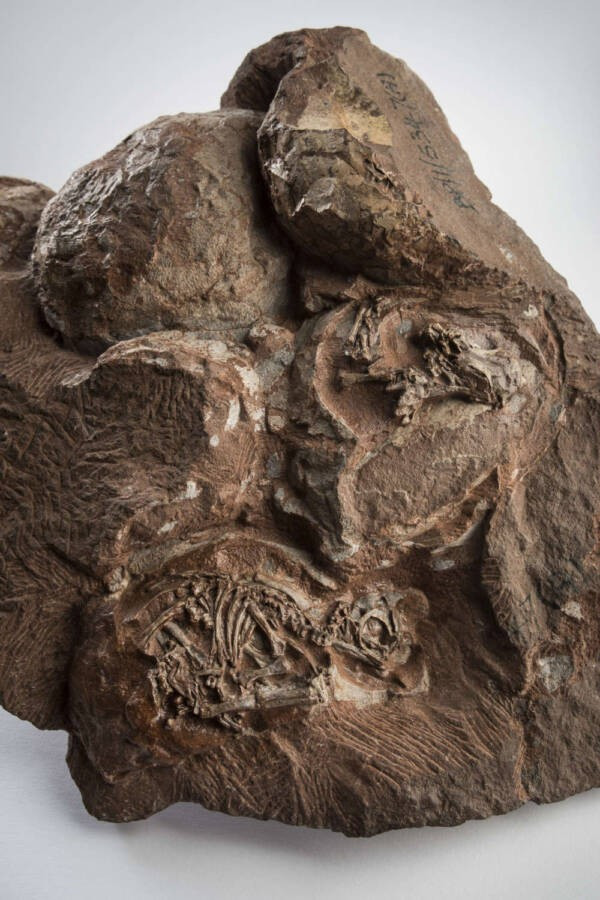
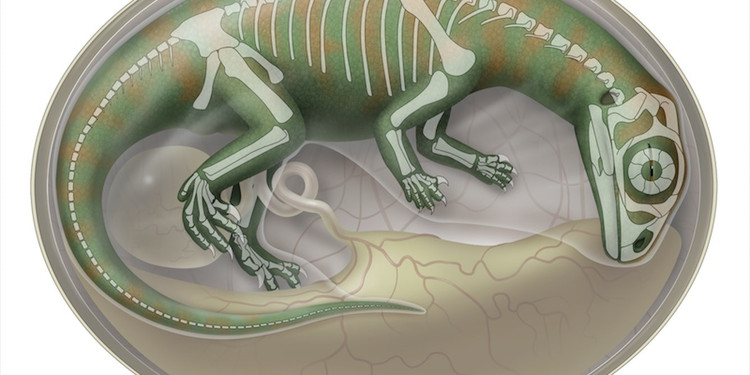
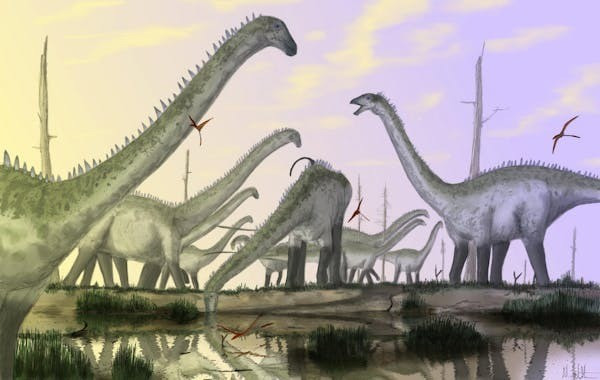
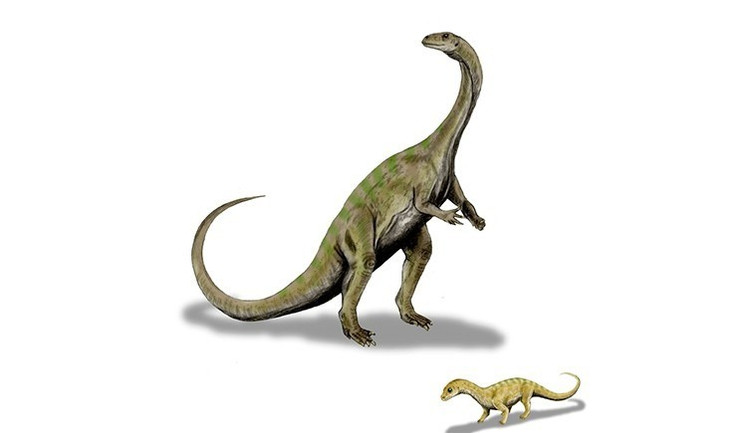
The 200-million-year-old fossil egg nest was found by experts in Golden Gate National Park, South Africa in 1976. Photo: CNN. According to the research results, the nest of 7 dinosaur eggs belongs to the sauropod dinosaur species Massospondylus carinatus. Photo: Brett Eloff. Although the dinosaurs could grow up to 4.8m in length as adults, these embryos appear to have fossilised around two-thirds of the way through incubation. Because the embryos in the eggs were so small, the dinosaur skulls were only about 2.2cm long and included two sets of teeth 0.4-0.7mm wide. Photo: D Mazierski.
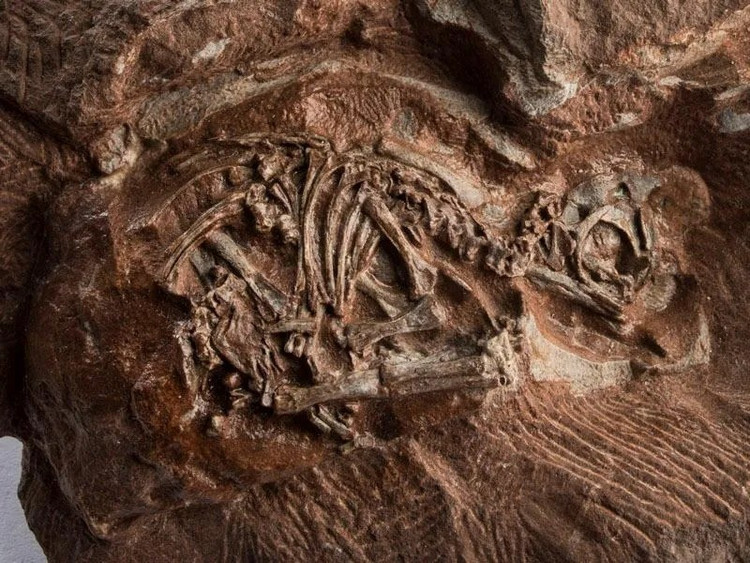
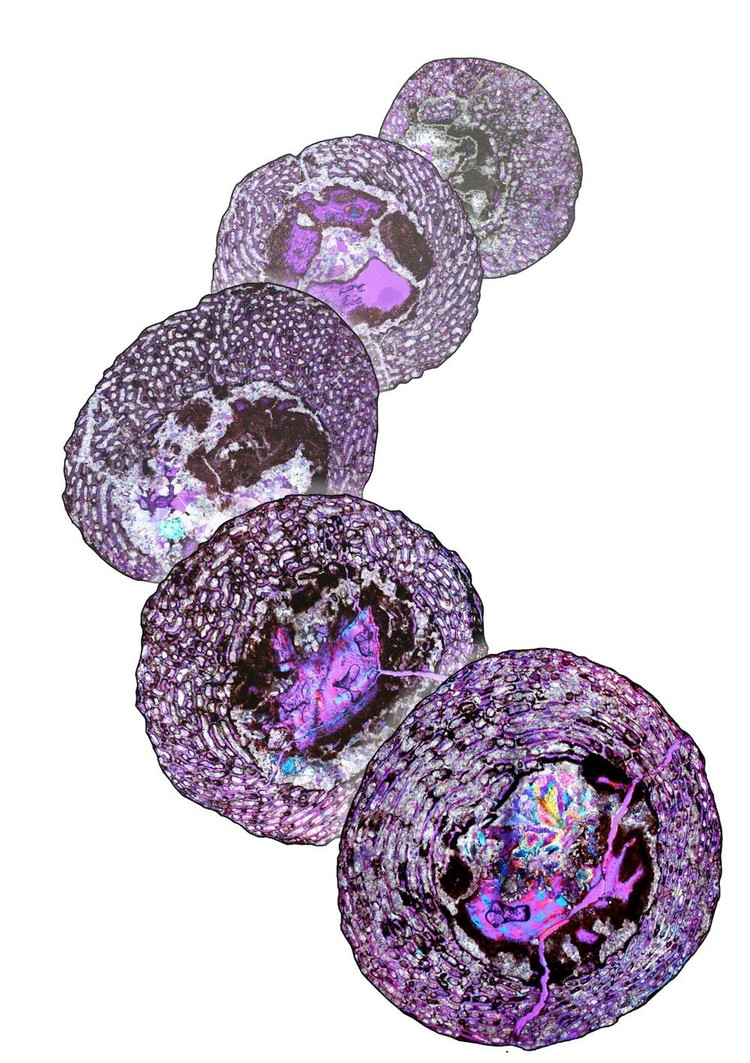
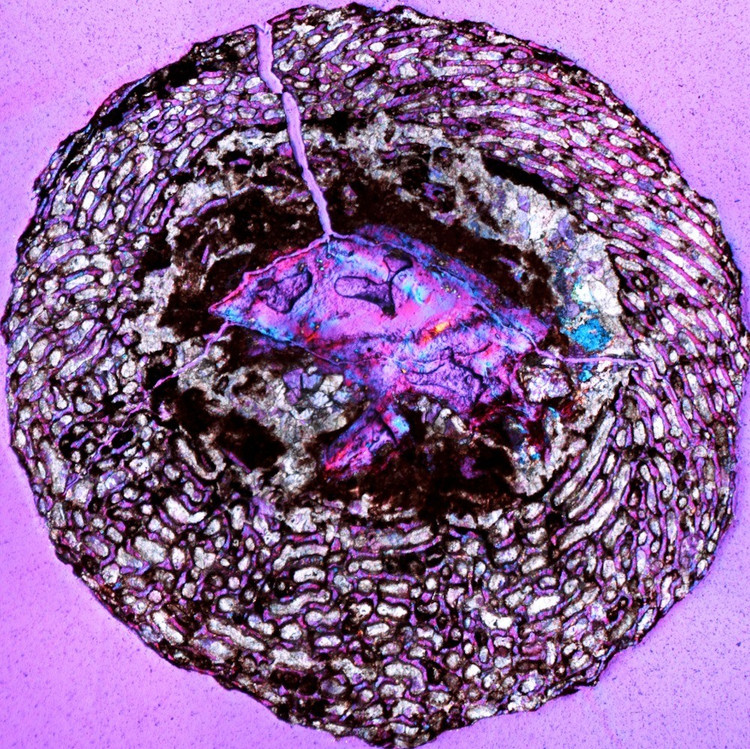
Of the two sets of teeth, one had serrated teeth similar to those of adults, and the other consisted of simple conical teeth. Photo: Mark Witton. Dinosaur embryos have been difficult to observe and very fragile. However, using modern technology and techniques, the team was able to digitally image the fossils with detailed resolution down to individual bone cells. Photo: D Mazierski and D Scott, from photos by A LeBlanc. Dinosaur embryos have been difficult to observe and very fragile. However, using modern technology and techniques, the team was able to digitally image the fossils with detailed resolution down to individual bone cells. Photo: D Mazierski and D Scott, from photos by A LeBlanc.
This conclusion was made after researchers collected and analyzed data from turtle, chicken, lizard and Nile crocodile embryos to compare with the dinosaur egg nest above. Photo: Nobu Tamura/Wikimedia Commons. Readers are invited to watch the video: Behind the success of scientists . Source: VTV24.

 Báo Khoa học và Đời sống•09/12/2025
















![[Photo] Explore the US Navy's USS Robert Smalls warship](/_next/image?url=https%3A%2F%2Fvphoto.vietnam.vn%2Fthumb%2F1200x675%2Fvietnam%2Fresource%2FIMAGE%2F2025%2F12%2F10%2F1765341533272_11212121-8303-jpg.webp&w=3840&q=75)

![[Photo] The captivating scenery of the fragrant maple forest in Quang Tri](/_next/image?url=https%3A%2F%2Fvphoto.vietnam.vn%2Fthumb%2F1200x675%2Fvietnam%2Fresource%2FIMAGE%2F2025%2F12%2F10%2F1765353233198_lan09046-jpg.webp&w=3840&q=75)










![[Video] The craft of making Dong Ho folk paintings has been inscribed by UNESCO on the List of Crafts in Need of Urgent Safeguarding.](https://vphoto.vietnam.vn/thumb/402x226/vietnam/resource/IMAGE/2025/12/10/1765350246533_tranh-dong-ho-734-jpg.webp)































































Comment (0)