

 |
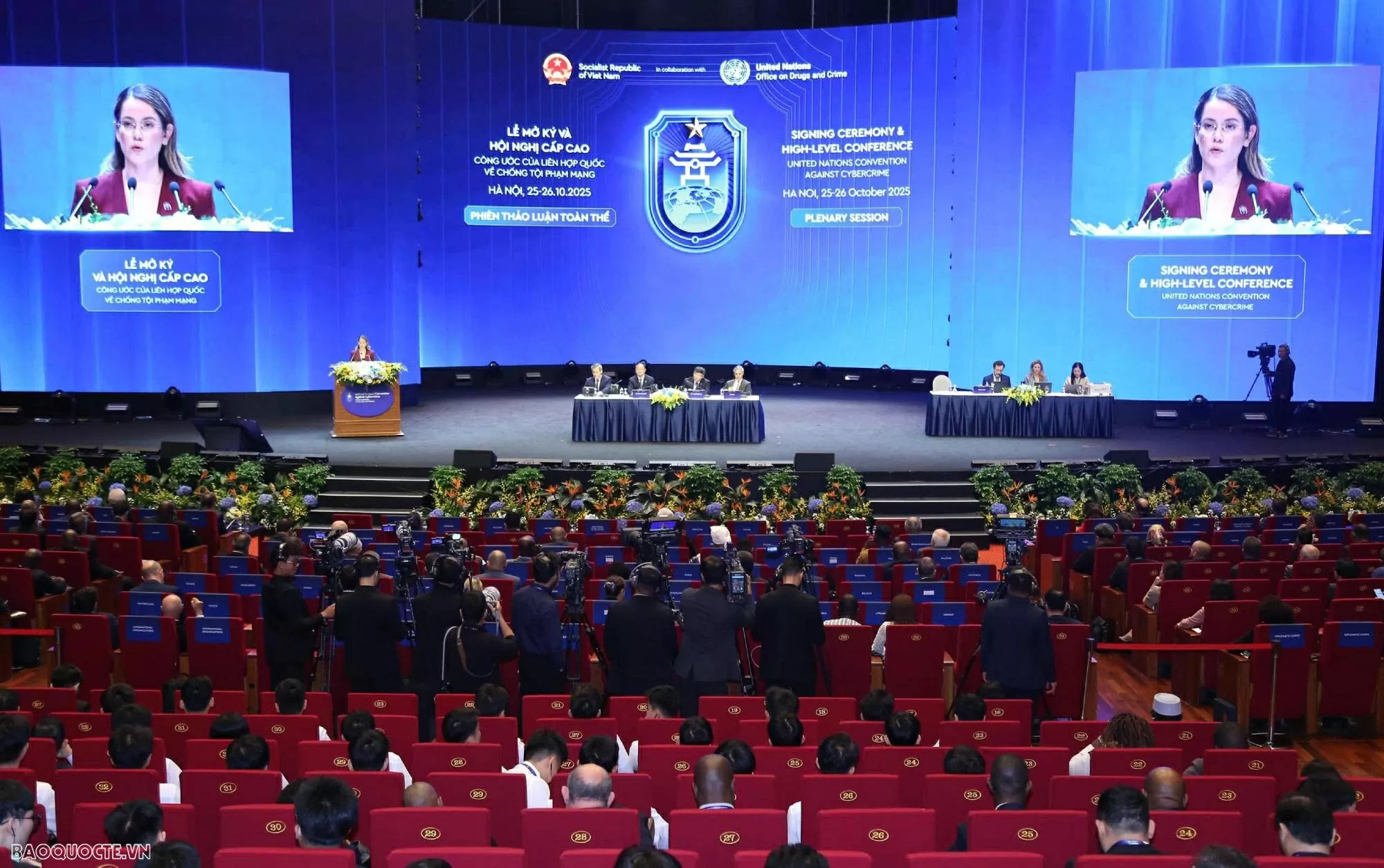
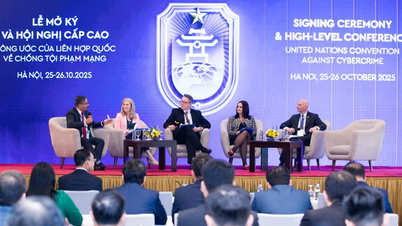
| A panoramic view of the high-level discussion session held on the morning of October 26th. (Photo: Jackie Chan) |
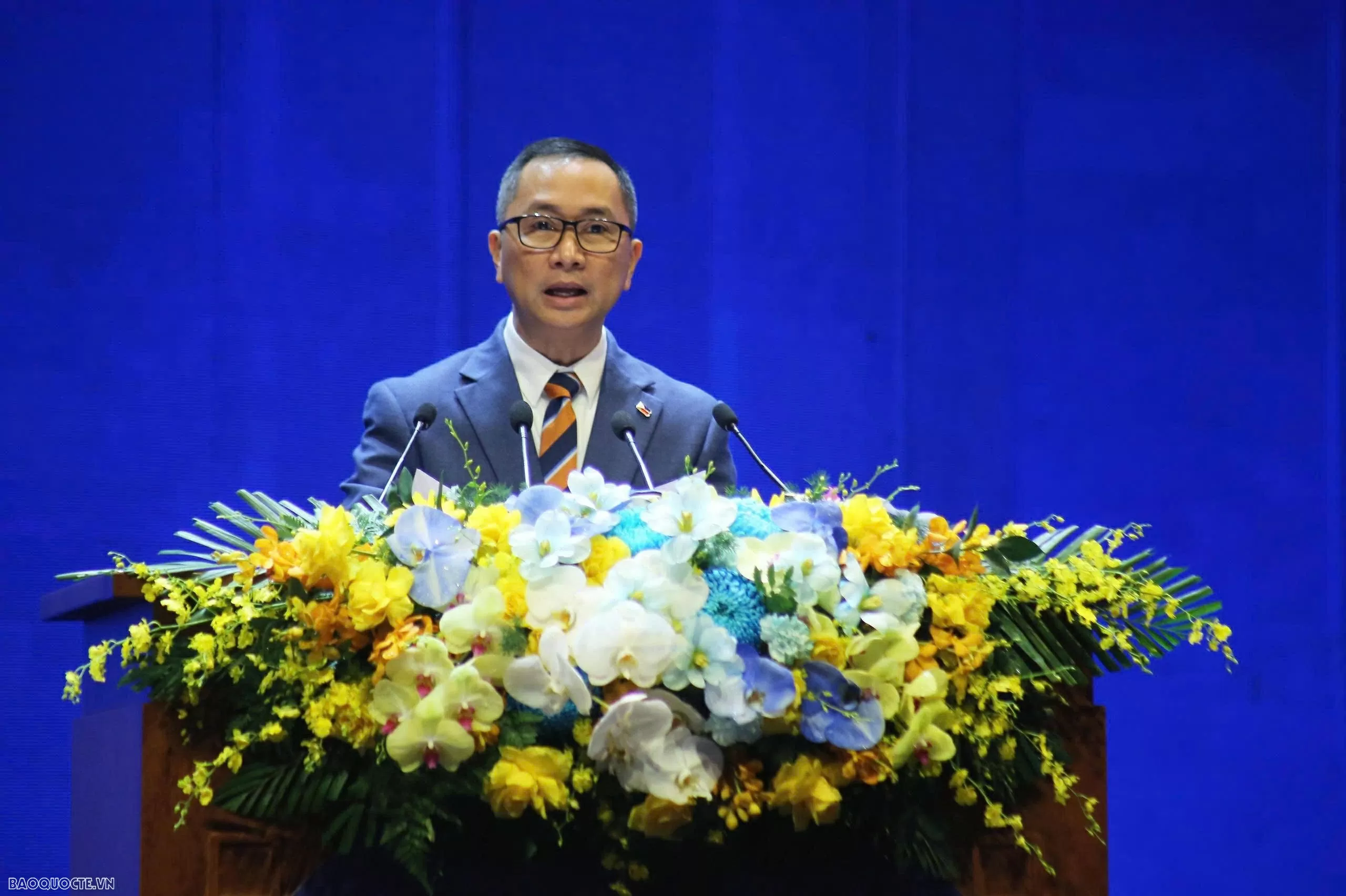
In his opening remarks, Lieutenant General Pham The Tung, on behalf of the Ministry of Public Security, extended his respectful greetings to over 1000 delegates from 110 countries and international and regional organizations who attended the signing ceremony of the UN Convention against Cybercrime.
According to the Senior General, yesterday morning, October 25th, witnessed a historic moment when 69 countries signed the Hanoi Convention with the most solemn ceremony; demonstrating their aspirations, determination, and need to strengthen international cooperation and promote a global legal framework to combat cybercrime.
In particular, statements from high-ranking Vietnamese leaders such as General Secretary To Lam, President Luong Cuong, and Prime Minister Pham Minh Chinh have affirmed Vietnam's determination to bring the Convention into effect soon with the participation of all countries, to ensure that no one is left behind. All for the sake of international solidarity in the cause of protecting a safe, healthy, and sustainable cyberspace.
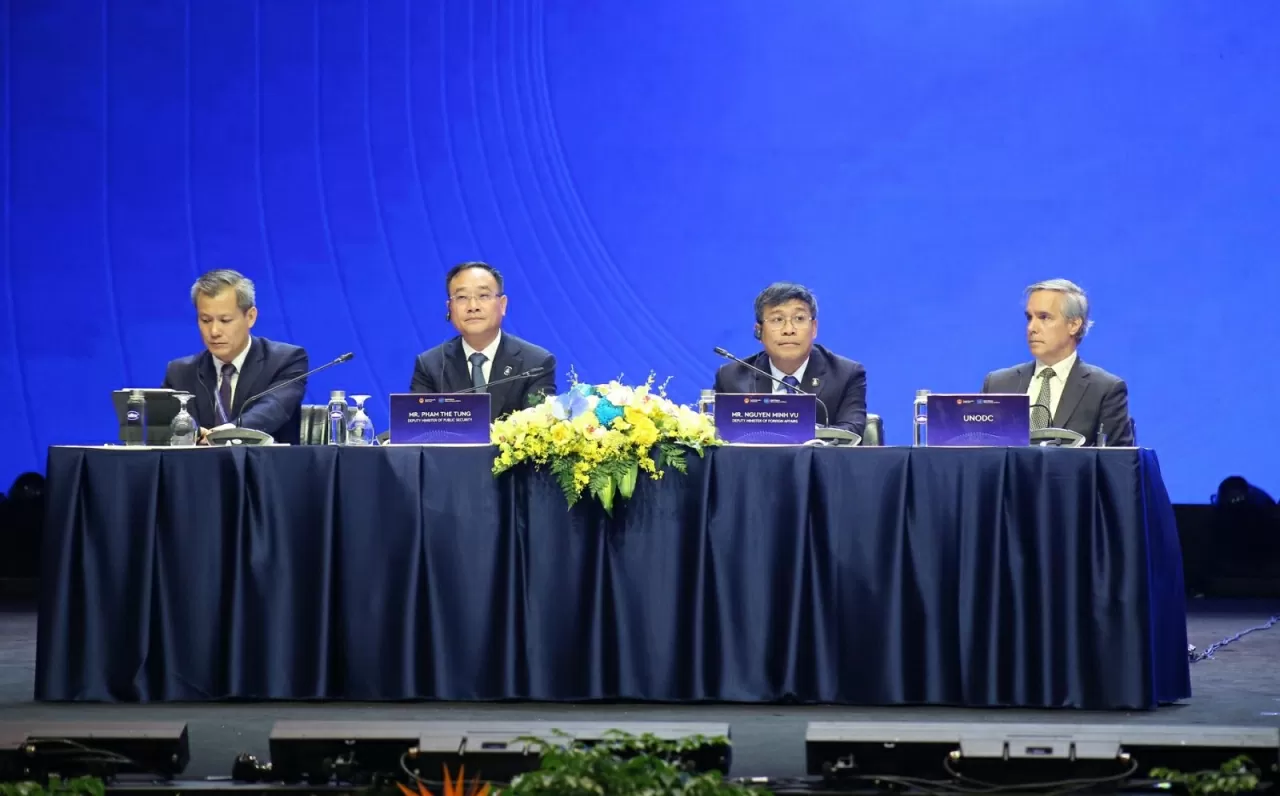 |
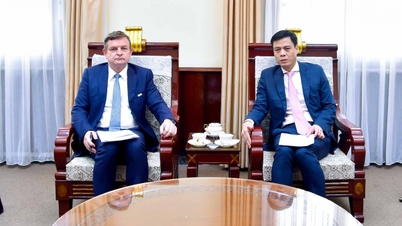
| Deputy Minister of Public Security, Lieutenant General Pham The Tung, and Permanent Deputy Minister of Foreign Affairs Nguyen Minh Vu chaired the high-level discussion session within the framework of the Hanoi Convention signing ceremony on October 26. (Photo: Thanh Long) |
In addition, according to Lieutenant General Pham The Tung, at the plenary session on the afternoon of October 25, the conference heard 19 speeches, in which countries emphasized the role of the Convention as an important step in building the first global legal framework to coordinate joint efforts to respond to cybercrime.
Many countries have expressed their commitment to combating cybercrime, cooperating internationally in sharing information and evidence, and developing common standards for cyberspace governance with specific proposals. Developed countries have also made commitments to capacity building and technical support as requested by developing countries.
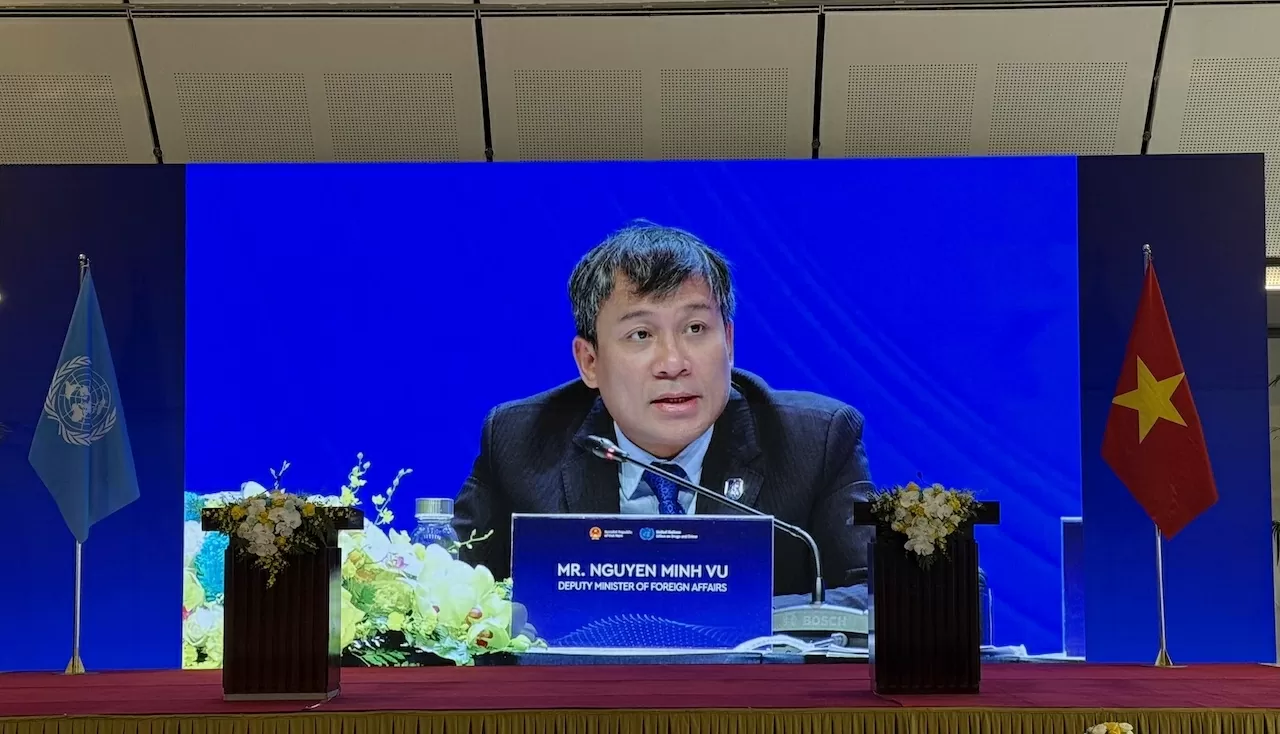 |
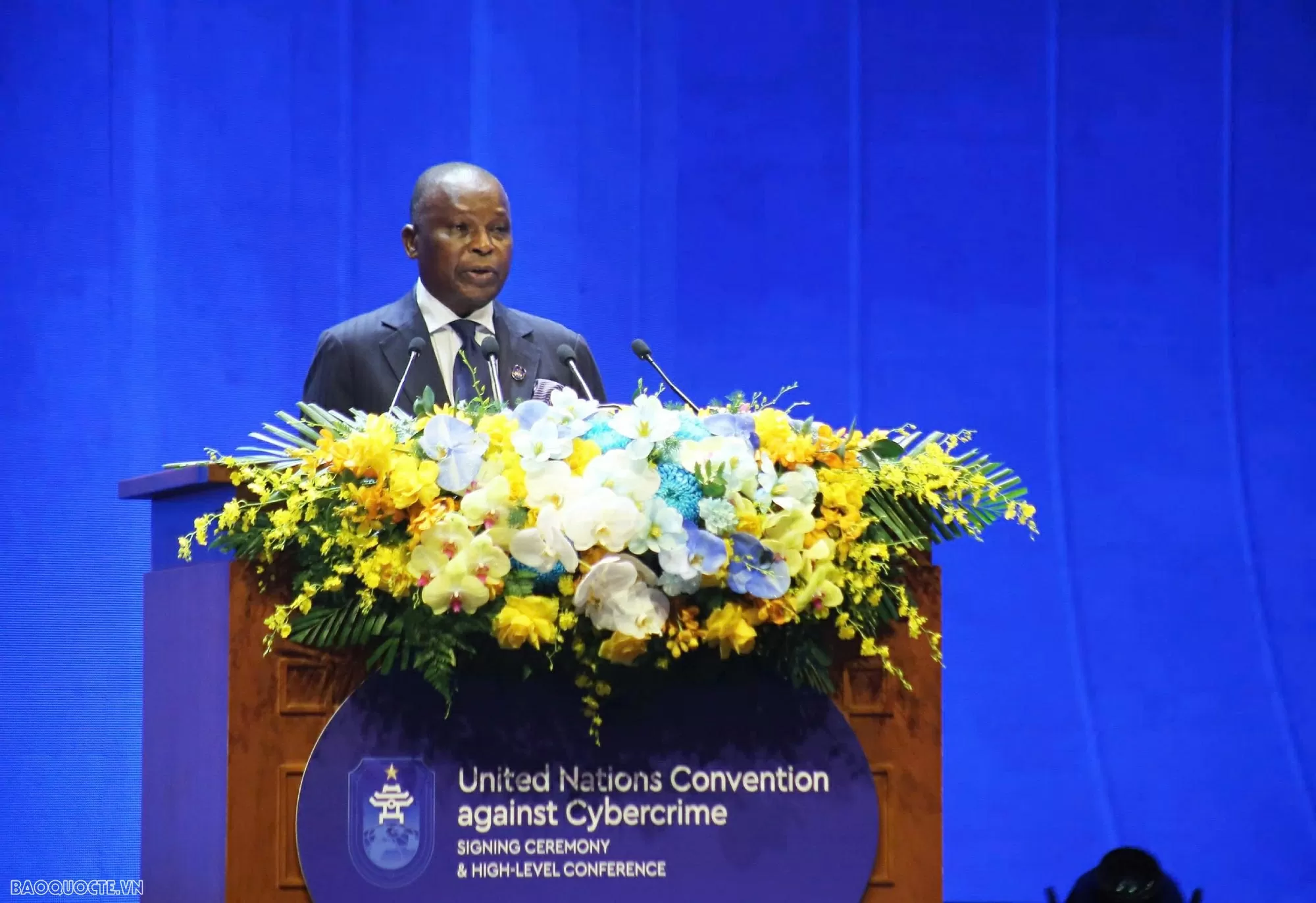
| Permanent Deputy Minister of Foreign Affairs Nguyen Minh Vu chaired the discussion session on October 26. (Photo: Gia Vu) |
"These are exactly the things we've been waiting for within the framework of the high-level discussion," the Deputy Minister of Public Security emphasized.
At the seminar, more than 60 delegates representing countries and international organizations from across five continents registered to speak, sharing their own perspectives on global efforts to combat cybercrime, as well as the role of the Hanoi Convention in affirming the determination and belief in fighting this type of crime.
Delegates agreed that the adoption of the Hanoi Convention marks a new step forward in the formation of international standards on cyberspace, moving towards a global framework to prevent and combat cybercrime, as well as supporting the collection and sharing of electronic evidence on serious transnational crimes. With a total of 68 articles, the Convention will promote international cooperation in preventing and addressing this type of crime, which poses significant challenges to the world due to its rapid spread and far-reaching impact. At the same time, the Convention creates equal opportunities for all countries to cooperate in addressing increasingly complex forms of cybercrime that transcend territorial borders.
Many international representatives welcomed the progress made since the Convention's adoption, particularly the development of procedural rules that will guide the operation of the Conference of States Parties when convened after the necessary number of ratifying states has been reached. They also expressed their desire for this process to be completed soon and pledged their full and responsible participation.
Delegates agreed that the adoption of the Hanoi Convention marks a new step forward in the formation of international standards on cyberspace, moving towards a global framework to prevent and combat cybercrime, as well as supporting the collection and sharing of electronic evidence on serious transnational crimes. With a total of 68 articles, the Convention will promote international cooperation in preventing and addressing this type of crime, which poses significant challenges to the world due to its rapid spread and far-reaching impact. At the same time, the Convention creates equal opportunities for all countries to cooperate in addressing increasingly complex forms of cybercrime that transcend territorial borders.
Many international representatives welcomed the progress made since the Convention's adoption, particularly the development of procedural rules that will guide the operation of the Conference of States Parties when convened after the necessary number of ratifying states has been reached. They also expressed their desire for this process to be completed soon and pledged their full and responsible participation.
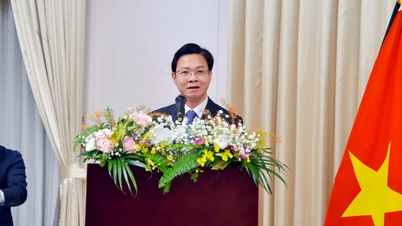
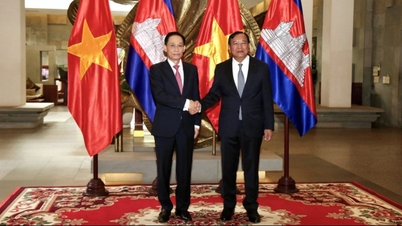
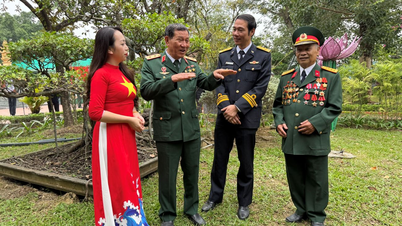
Some photos of delegates at the discussion session.
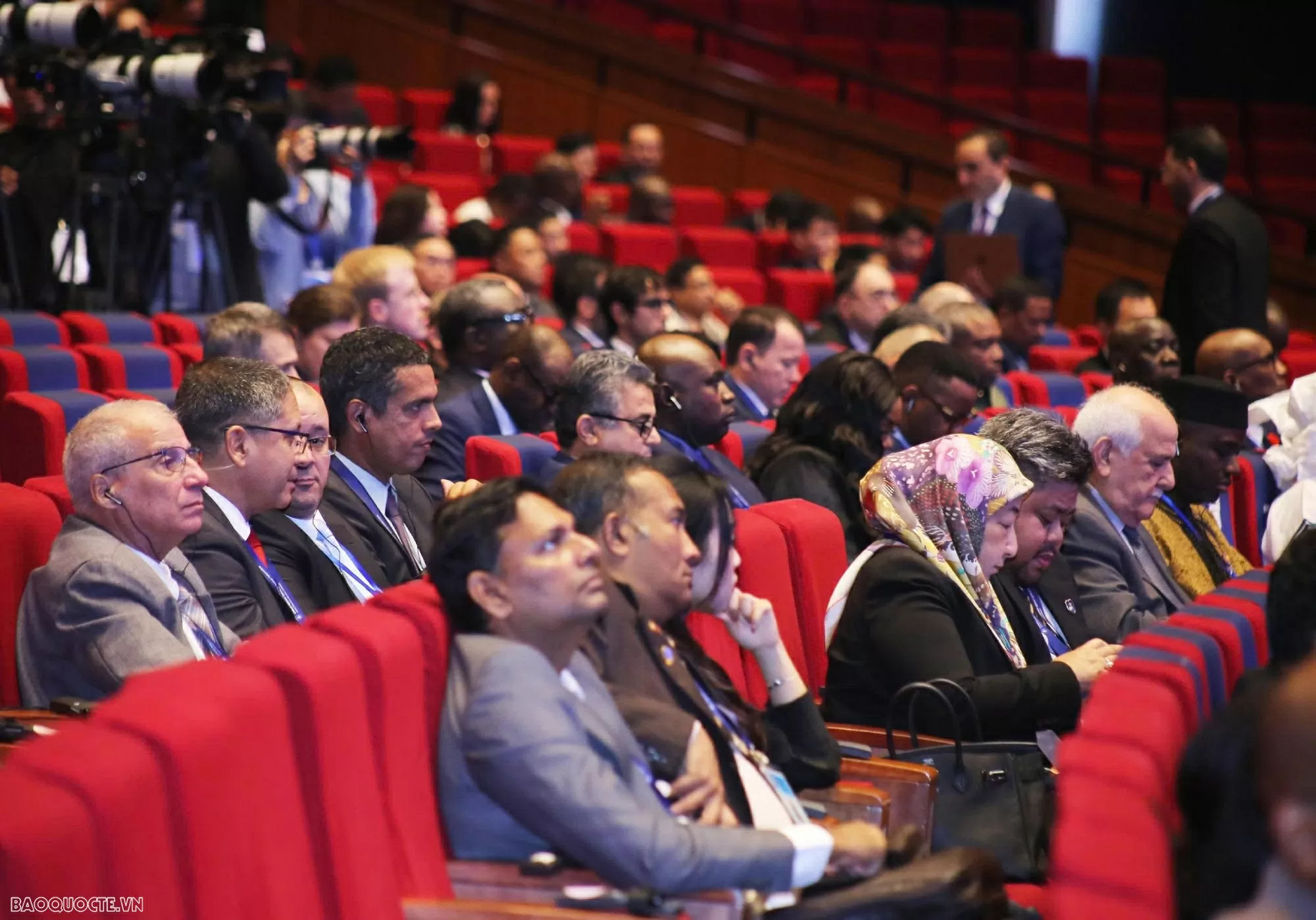 |
| Delegates attending the discussion session on the morning of October 26. (Photo: Thanh Long) |
 |
 |
Source: https://baoquocte.vn/phien-thao-luan-cap-cao-ve-cong-uoc-ha-noi-tinh-doan-ket-quoc-te-trong-bao-ve-khong-gian-mang-an-toan-lanh-manh-va-ben-vung-332240.html
![[Photo] Prime Minister Pham Minh Chinh holds a phone call with the CEO of Russia's Rosatom Corporation.](/_next/image?url=https%3A%2F%2Fvphoto.vietnam.vn%2Fthumb%2F1200x675%2Fvietnam%2Fresource%2FIMAGE%2F2025%2F12%2F11%2F1765464552365_dsc-5295-jpg.webp&w=3840&q=75)
![[Photo] Closing Ceremony of the 10th Session of the 15th National Assembly](/_next/image?url=https%3A%2F%2Fvphoto.vietnam.vn%2Fthumb%2F1200x675%2Fvietnam%2Fresource%2FIMAGE%2F2025%2F12%2F11%2F1765448959967_image-1437-jpg.webp&w=3840&q=75)









































![[OFFICIAL] MISA GROUP ANNOUNCES ITS PIONEERING BRAND POSITIONING IN BUILDING AGENTIC AI FOR BUSINESSES, HOUSEHOLDS, AND THE GOVERNMENT](https://vphoto.vietnam.vn/thumb/402x226/vietnam/resource/IMAGE/2025/12/11/1765444754256_agentic-ai_postfb-scaled.png)
















































Comment (0)