

According to Professor Tran Ngoc Duong, the reorganization of administrative units is not simply about streamlining the apparatus, but also aims to create new impetus for development.
On January 24, 2025, the Central Committee of the Communist Party of Vietnam issued Conclusion No. 121-KL/TW on summarizing the implementation of Resolution No. 18-NQ/TW, continuing to innovate and reorganize the organizational structure of the political system towards a streamlined, effective, and efficient operation.
One of the key points emphasized is the reorganization of administrative units, the reduction of intermediate administrative levels, the expansion of development space, and the strengthening of local resources. This policy not only facilitates state management but also opens up opportunities for localities to maximize their development potential.
However, this is also a major change, posing numerous challenges in its implementation. Professor Tran Ngoc Duong, former Deputy Head of the National Assembly Office and senior expert at the Institute of Legislative Research of the Vietnamese National Assembly, with many years of experience in the field of administrative and legislative organization, shared his insightful views on this issue with the Industry and Trade Newspaper.
It's not just a mechanical change.
According to Professor Tran Ngoc Duong, the reorganization of administrative units is not simply about streamlining the apparatus, but also aims to create new impetus for development.
He analyzed: " Historically, Vietnam has made many adjustments to its administrative units, such as merging Ha Tay province into Hanoi, splitting Ha Nam and Nam Dinh provinces, or reorganizing commune-level administrative units. These changes, if implemented scientifically and with a reasonable roadmap, have all yielded positive results ."
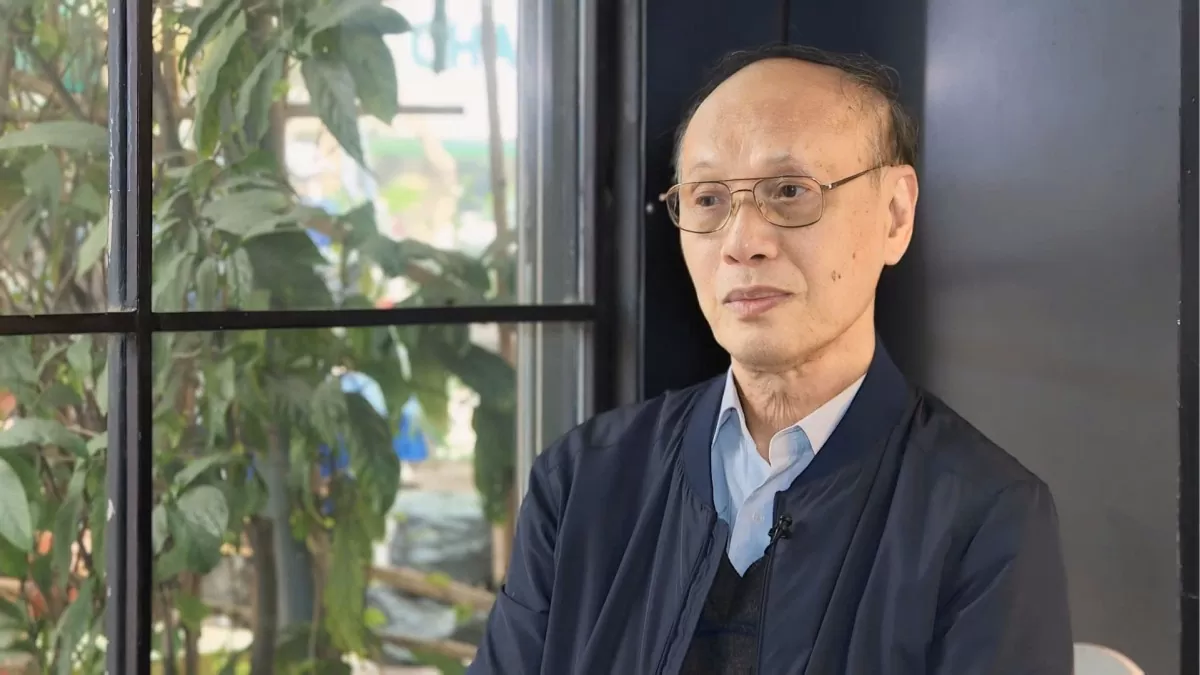 |
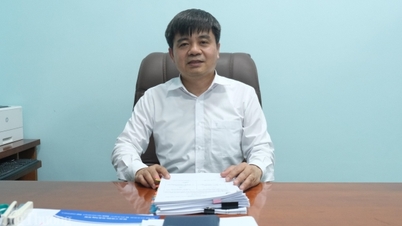
| Professor Tran Ngoc Duong. Photo: Quoc Chuyen |
According to Professor Tran Ngoc Duong, the biggest advantage of reducing intermediate levels is: " A more streamlined administrative apparatus, reduced operating costs, and enhanced unified management capabilities. With fewer cumbersome administrative units, development planning will be more synchronized and efficient ."
However, the professor also highlighted the challenges of this process. Accordingly, the biggest problem is how to ensure that the new government continues to function effectively, without causing disruption to administration and people's lives.
" If mergers are carried out without thorough preparation in terms of personnel, finance, and operational mechanisms, it can lead to confusion in management, causing difficulties for local authorities and the people, " he said.
Change to grow
One of the biggest concerns shared by many citizens is the risk of widening the gap between the government and the people when intermediate levels are reduced. However, according to Professor Tran Ngoc Duong, this is not a problem if the right mechanisms are in place.
“ The issue is not about whether to abolish or retain the district level, but about how to reorganize the administrative apparatus. If we promote decentralization and delegation of power, enhance the role of commune-level governments, and apply digital technology to administrative management, then this concern can be completely resolved ,” Professor Tran Ngoc Duong said.
 |
| Professor Tran Ngoc Duong speaks with a reporter from the Industry and Trade Newspaper. |
He cited the experiences of many countries around the world, where intermediate government agencies are streamlined, but in return, local governments are empowered, and technology is applied to ensure that all administrative transactions are convenient and transparent. If this is done well, it will not only streamline the bureaucracy but also improve the quality of service to the people.
“ The reorganization of administrative units is not a mechanical reform, but a strategic step to enhance management capacity, optimize resources, and create momentum for development. To achieve this, thorough preparation in terms of institutions, organizations, and human resources is necessary. At the same time, soliciting public opinion and feedback from reality is a key factor in ensuring consensus and the feasibility of the policy ,” Professor Tran Ngoc Duong shared.
According to the professor, this spirit needs to be thoroughly understood during the reform process: not change for the sake of change, but change to create a stronger, more efficient administrative system that better serves the people and promotes the sustainable development of the country.
On March 12, 2025, the Prime Minister issued Decision 571/QD-TTg establishing the Steering Committee for the implementation of the restructuring and reorganization of administrative units at all levels and the development of a two-tiered local government organizational model. |
Source: https://congthuong.vn/giao-su-tran-ngoc-duong-sap-nhap-de-toi-uu-nguon-luc-tao-da-phat-trien-378831.html

















































































Comment (0)