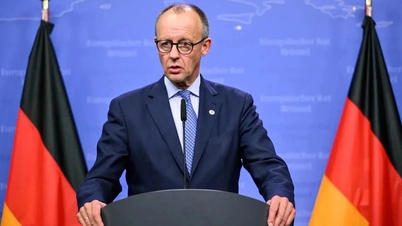
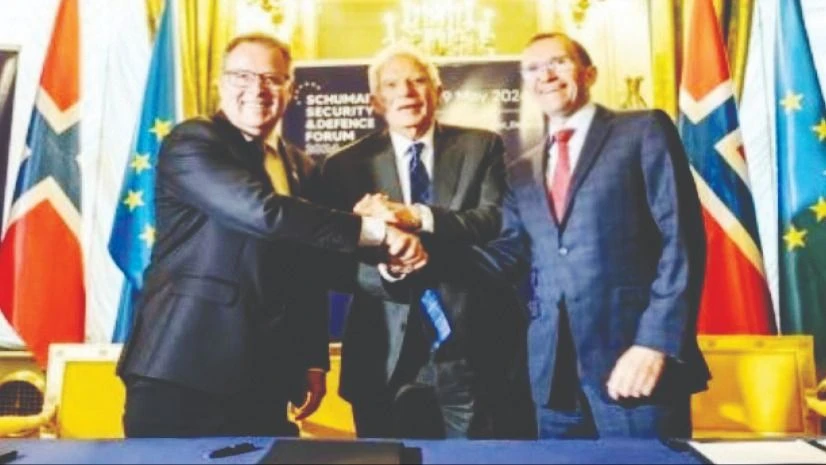
On May 29, the European Union (EU) and Norway signed a new Security and Defence Partnership agreement. The agreement was signed by the EU High Representative for Security and Foreign Policy, Josep Borrell, along with the Norwegian Foreign Minister and Defence Minister, on the sidelines of the EU Defence Ministers' meeting in Brussels, Belgium.
New opportunities for action
The new Security and Defence Partnership agreement reflects the strong bilateral relationship between the EU and Norway – the bloc's closest associated partner. This is a new step forward in the relationship, benefiting both Norwegian and EU citizens.


The agreement covers existing areas of cooperation such as continued joint support for Ukraine ; Norway's participation in tasks and activities within the framework of the EU's Common Security and Defence Policy (CSDP), as well as participation in EU defence initiatives. In addition, the partnership promotes practical cooperation in areas such as maritime security, cybersecurity, combating foreign information manipulation and interference, including disinformation; and provides new consultations on peace mediation. The partnership identifies new opportunities for joint action, for example, regarding the resilience of critical infrastructure and the protection of underwater infrastructure. Furthermore, the agreement promotes cooperation on the ground between EU Delegations and the Norwegian Embassy. The EU is strengthening its security and defence cooperation toolkit through new Security and Defence Agreements with selected countries. This new tool builds on the EU's long-standing partnerships.
This is a non-binding political cooperation framework designed specifically for selected partners; it structures Europe's broad and deep relationships across all areas of peace, security, and defense.
Strategic autonomy
Developing appropriate and mutually beneficial partnerships is a key pillar of the EU's security and defense efforts, as highlighted in the EU's Strategic Compass Initiative. According to Euronews, the initiative provides the EU with an ambitious action plan to strengthen the Union's security and defense policy by 2030, focusing on enhancing the bloc's strategic autonomy and its ability to work with partners to protect EU values and interests.
According to the initiative, it is not necessary for all 27 member states to contribute troops to the joint force, but any deployment requires consensus from all parties. Germany immediately expressed its desire to provide the core component of the rapid reaction force within the first year. Experts assess the EU's strategic autonomy as the most concrete effort to create an independent military force not reliant on the United States.


Through the signing of the new Security and Defence Partnership agreement, the EU and Norway demonstrate a strong commitment to enhancing security and stability not only in the region but also globally.
VIET ANH compilation
Source: https://www.sggp.org.vn/tang-an-ninh-phong-thu-khu-vuc-eu-post742174.html