

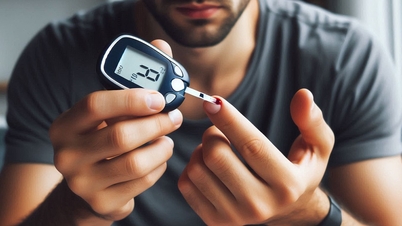
Hyperglycemia occurs when the body doesn't produce or use insulin as effectively as it should, leading to high levels of glucose (sugar) in the blood.
Hyperglycemia (high blood sugar) is a common condition in people with diabetes. Controlling blood sugar is a central focus in diabetes treatment. Uncontrolled hyperglycemia can lead to many complications.
Classify
Hyperglycemia can occur after eating or be unrelated to food.
Non-food-related hyperglycemia: After 6-8 hours without eating or drinking, if your blood sugar is found to be higher than 130 mg/dL (milligrams per deciliter), it means you have diabetes. If your fasting blood sugar is 100-125 mg/dL, it is prediabetes.
Postprandial hyperglycemia: Blood sugar tends to rise about 1-2 hours after a meal, with levels potentially exceeding 180 mg/dL. This can be caused by the food consumed and unhealthy eating habits. A persistent, uncontrolled increase in blood sugar can damage nerves, blood vessels, and other organs in the body.
Reason
The body breaks down food, converting carbohydrates (carbs) into a type of sugar called glucose, which provides energy. Glucose enters the bloodstream after eating and requires insulin (a hormone from the pancreas) to enter the body's cells so they can use it.
When blood sugar levels rise, the pancreas releases insulin, which carries glucose into the cells. The liver and muscles store additional glucose, helping to maintain normal blood sugar levels. However, in people with diabetes, the body becomes resistant to insulin or does not produce enough insulin, disrupting this process and leading to excess sugar in the blood.
Insulin resistance: The main reason for hyperglycemia is insulin resistance. People who are obese, exercise little, and eat processed foods high in carbs and saturated fats are more prone to insulin resistance. Medications such as corticosteroids and some treatments for blood pressure, HIV, and mental health can also lead to insulin resistance.
The "dawn phenomenon": Blood sugar levels tend to rise in the morning (4-8 AM). Some theories suggest that in the morning, the body releases certain hormones (growth hormone, cortisol, and others) that were released overnight, increasing insulin resistance and causing high blood sugar. The dawn phenomenon is more likely to occur when patients take the wrong dose of diabetes medication the night before, eat a lot of carbs before bed, etc.
Hyperglycemia in people without diabetes : This can be caused by Cushing's syndrome (a type of endocrine disorder), pancreatic diseases, polycystic ovary syndrome, etc., which cause changes in the body leading to increased blood sugar.
Symptom
- Thirsty.
- Headache.
- Difficulty concentrating.
- Blurred vision.
- Frequent urination.
- Tired.
- Losing weight.
- Blood glucose levels above 180 mg/dL.
Complications
- Vaginal and skin infections.
- Cuts and sores heal slowly.
- Poorer visibility.
- Nerve damage can cause pain, coldness, or numbness in the feet; hair loss in the lower extremities; or erectile dysfunction.
- Stomach and intestinal problems such as chronic constipation or diarrhea.
- Damage to the eyes, blood vessels, and kidneys.
Risk factors
- Not using enough insulin or other diabetes medications.
- Incorrect insulin injection technique or use of expired insulin.
- Not following a specific diet plan for diabetes.
- Being lazy about exercising and playing sports .
- Currently ill or infected.
- Use medications such as steroids or drugs that help control the immune system.
Prevent
Drinking plenty of water helps eliminate excess sugar from the blood through urine, preventing dehydration.
Exercise helps lower blood sugar levels.
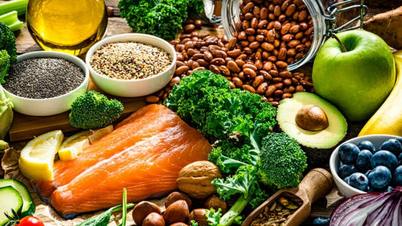
Change your eating habits by prioritizing fruits and vegetables, and limiting carbs and sweets. Say no to alcohol and tobacco.
If blood sugar levels rise due to medication, patients should consult their doctor to switch to a different medication or adjust the dosage accordingly.
( According to WebMD )
| Readers can ask questions about diabetes here for doctors to answer. |
Source link


![[Image] Vietnam's colorful journey of innovation](/_next/image?url=https%3A%2F%2Fvphoto.vietnam.vn%2Fthumb%2F1200x675%2Fvietnam%2Fresource%2FIMAGE%2F2025%2F12%2F14%2F1765703036409_image-1.jpeg&w=3840&q=75)











































































Comment (0)