

Controlling blood sugar is key for people with prediabetes, diabetes, and anyone who wants to prevent metabolic disease.
According to nutrition experts at the Harvard TH Chan School of Public Health, diet plays a crucial role in stabilizing blood sugar levels, and its impact is even greater than relying solely on medication.
Some foods can cause glucose spikes, while others help the body absorb glucose more slowly, become more sensitive to insulin, and reduce inflammation—all fundamental to metabolic health.
Below are five food groups that many reputable studies have deemed most beneficial for people needing to control their blood sugar.
1. Berries
Berries such as blueberries, strawberries, and raspberries contain abundant amounts of soluble fiber, which helps slow the absorption of carbohydrates and limit the spike in blood sugar after meals.
A meta-analysis from Harvard Medical School suggests that anthocyanins—natural pigments found in berries—may improve insulin sensitivity and reduce oxidative stress, thereby supporting better blood sugar control.
Additionally, a study published in the Journal of Nutrition noted that eating strawberries with a carbohydrate-rich meal reduced post-meal glucose peaks compared to the control group.

Suggested use: eat 1/2-1 cup of berries daily, combined with plain yogurt or whole-grain oatmeal.
2. Nuts
Almonds, cashews, walnuts, and pistachios are all rich in unsaturated fats, plant-based protein, and fiber—a trio that helps control blood sugar effectively.
According to the Cleveland Clinic, eating nuts before meals can slow the rate at which glucose is released into the bloodstream and curb cravings for sweets.
A small trial on people with type 2 diabetes showed that eating almonds or peanuts as part of a low-carbohydrate diet helped lower post-meal blood sugar and improve feelings of fullness.
Suggested consumption: 20-30g of nuts per day, preferably roasted nuts without salt or added sugar.
3. Seafood
Salmon, mackerel, sardines, and shellfish provide easily digestible protein and are rich in omega-3s, zinc, selenium, and vitamin D—factors linked to inflammation control and glucose metabolism.
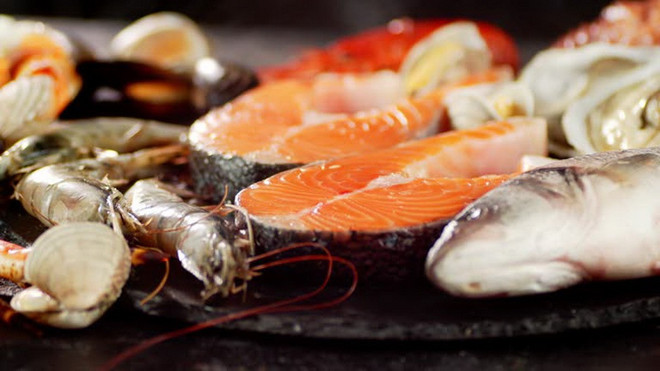
According to Johns Hopkins Medicine, protein helps slow down digestion, reduces the rate of carbohydrate absorption, and contributes to stable blood sugar levels. In particular, fatty fish containing omega-3s can help reduce insulin resistance and improve blood lipid levels – an important factor for people with prediabetes.
Suggested method: Eat seafood 2-3 times a week, preferably steamed, pan-fried, or grilled instead of deep-fried.
4. Beans and lentils
Soybeans, black beans, chickpeas, lentils… are all rich in soluble fiber, resistant starch, and plant protein, which help to sustainably control blood sugar.
According to the WHO, a diet rich in fiber (especially from legumes) may help reduce the risk of developing type 2 diabetes and improve glucose control in people who already have the disease.
Many studies have also shown that replacing some refined carbohydrates with beans in meals can reduce post-meal blood sugar spikes and improve insulin sensitivity.
Suggested uses: add beans to salads, soups, or eat them as an alternative source of carbohydrates to white rice.
5. Kale - a “superfood”
Kale is among the vegetables rich in fiber, flavonoids, and antioxidants that help the body control blood sugar and reduce inflammation.
A study conducted in Japan on 42 adults showed that eating kale with a carbohydrate-rich meal reduced glucose spikes compared to the group that did not consume kale.

Experts from the Harvard School of Public Health also emphasize that dark leafy green vegetables are the cornerstone of a healthy diet for people with prediabetes due to their high nutritional content and ability to help stabilize blood sugar levels.
Suggested uses: blend into a green smoothie with apple and pineapple; mix into salads; or stir-fry quickly with olive oil.
Adding these foods to your diet is only one part of a sustainable blood sugar control strategy. Experts recommend:
Prioritize whole, minimally processed foods.
Limit sugary drinks, sweets, and refined carbohydrates.
Maintain 30 minutes of physical activity each day to improve insulin sensitivity.
Check your blood sugar regularly and develop a meal plan with a nutritionist.
A balanced, healthy diet, combined with the right food choices, will help you effectively control blood sugar and reduce your risk of metabolic diseases in the long term.
Source: https://www.vietnamplus.vn/5-loai-thuc-pham-tot-nhat-giup-dieu-chinh-luong-duong-trong-mau-post1082165.vnp
































































































Comment (0)