

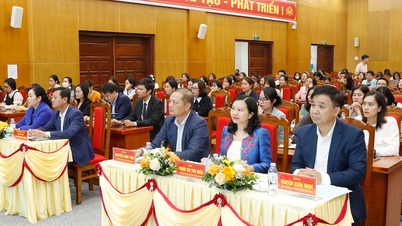
(TN&MT) - On the afternoon of November 12th, to further clarify some issues within the Government's authority, Prime Minister Pham Minh Chinh addressed additional concerns raised by National Assembly deputies and directly answered their questions.
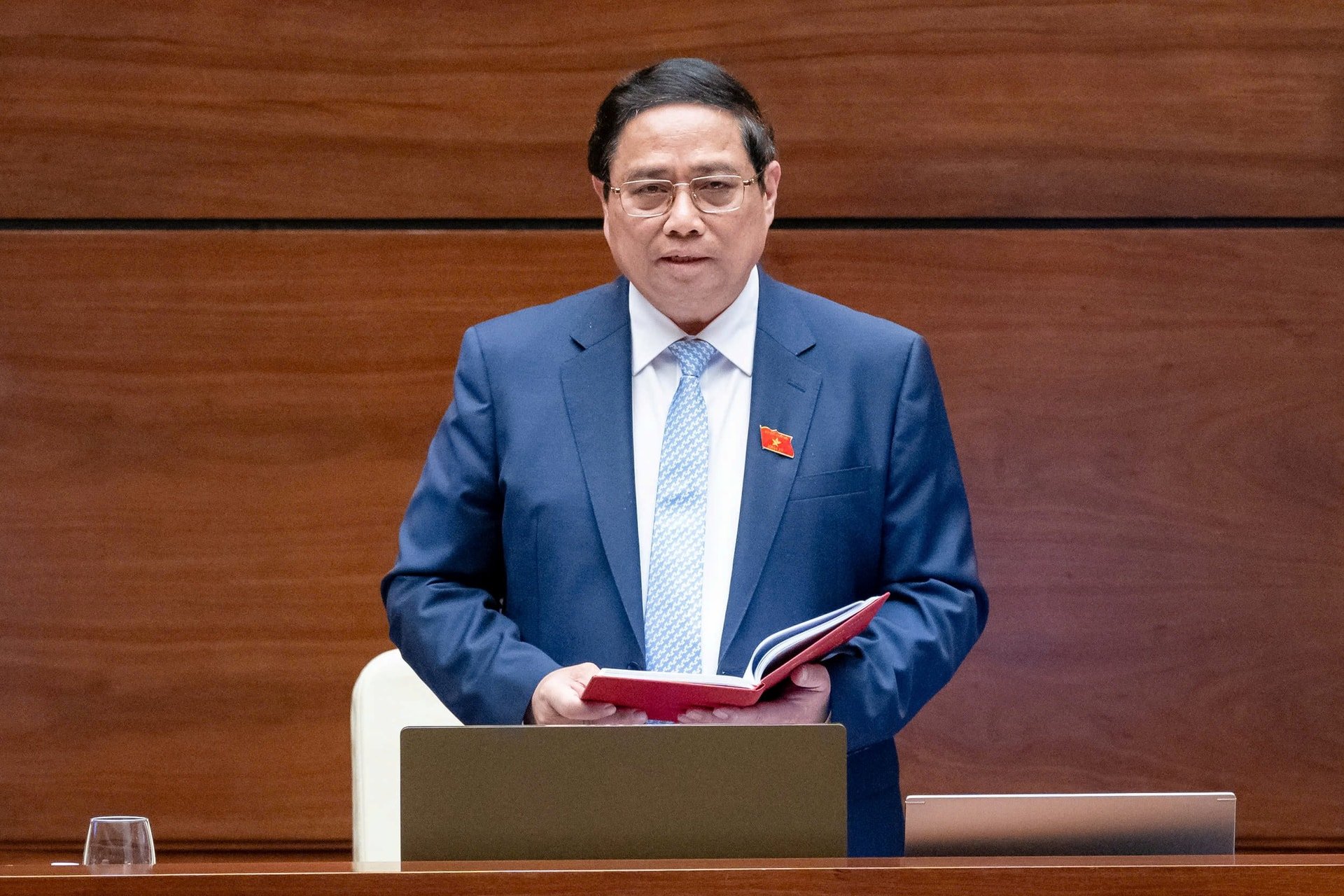
Representative Mai Thi Phuong Hoa - Delegation of National Assembly Deputies from Nam Dinh province: Clarifying solutions to promote decentralization and delegation of power in the coming period.
In her question to the Prime Minister, Representative Mai Thi Phuong Hoa stated that the Government has set the task of genuinely improving the effectiveness and efficiency of the administrative apparatus by linking it with reasonable decentralization and delegation of power between different levels.
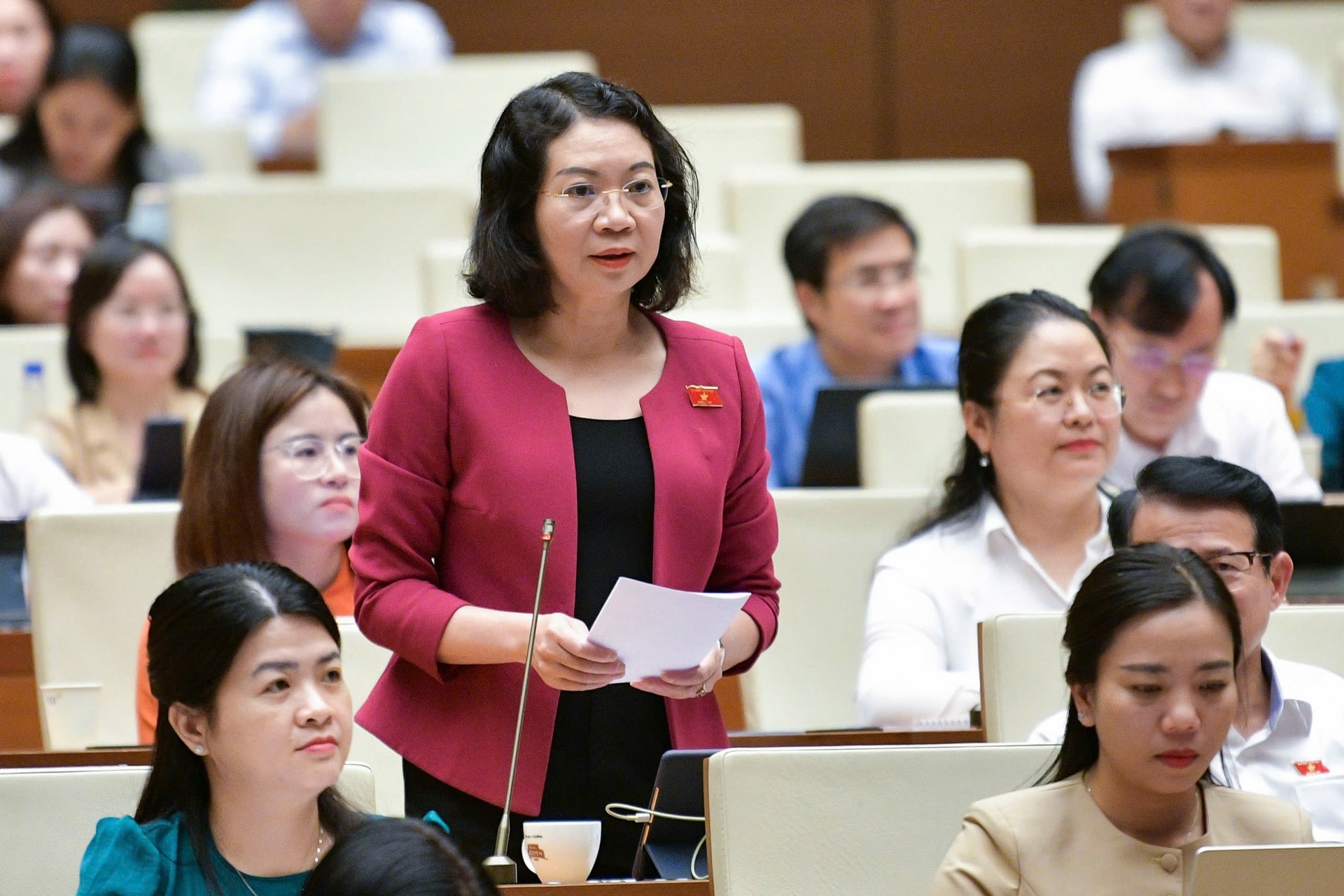
However, delegates pointed out that during the implementation process, several shortcomings and limitations still exist, such as: the review, amendment, supplementation, and improvement of specialized legal regulations are still slow; the decentralization and delegation of power have not taken into account the characteristics of rural areas, urban areas, islands, and the management capacity of each level and sector, and have not fully utilized the potential, advantages, and resources of each locality. Delegates requested the Prime Minister to provide solutions to further promote decentralization and delegation of power between the Government and ministries, sectors, and localities in the future.
Representative Nguyen Thi Yen - Delegation of National Assembly Deputies from Ba Ria - Vung Tau province: Clarifying solutions to complete the task of eliminating temporary and dilapidated houses.
Raising the issue during the questioning session, delegate Nguyen Thi Yen stated that the Government and the Prime Minister have identified institutional reform as one of the key tasks and have achieved many important results in removing barriers and creating an environment and impetus for socio-economic development. The delegate requested the Prime Minister to clarify what the most important key points will be in the coming period.
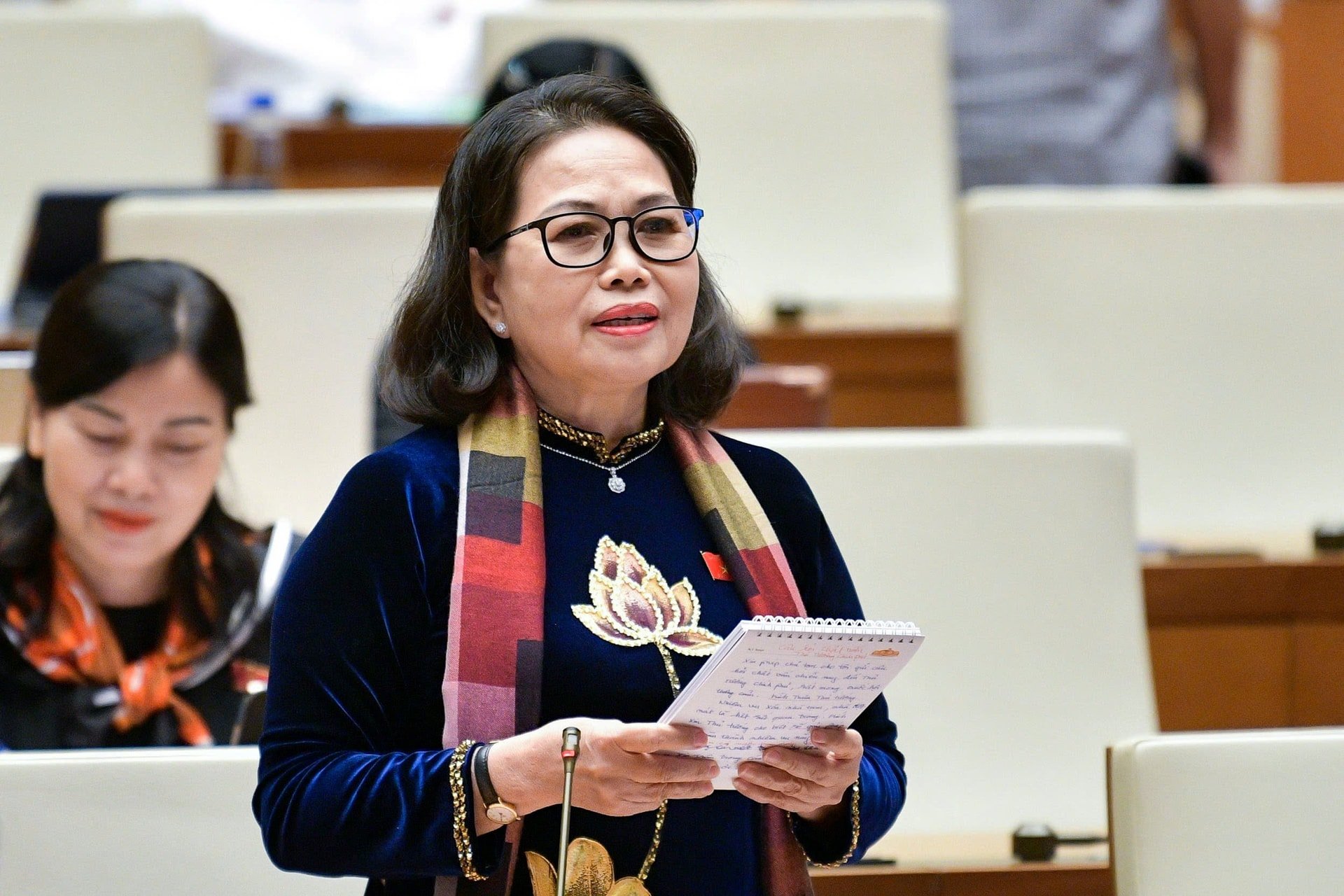
In addition, the task of eliminating temporary and dilapidated houses is extremely urgent. The delegate requested the Prime Minister to clearly state the solutions to complete this task by 2025.
Representative Au Thi Mai - Delegation of National Assembly Deputies from Tuyen Quang province: Clarifying fundamental, long-term solutions to respond to natural disasters in the coming period.
Raising the issue in her questioning, delegate Au Thi Mai stated that responding to climate change and natural disasters is a global concern. The people and voters are deeply moved and highly appreciate the timely, effective, and humane response of the Government and the Prime Minister when natural disasters occur, most notably the response to Typhoon No. 3 recently.
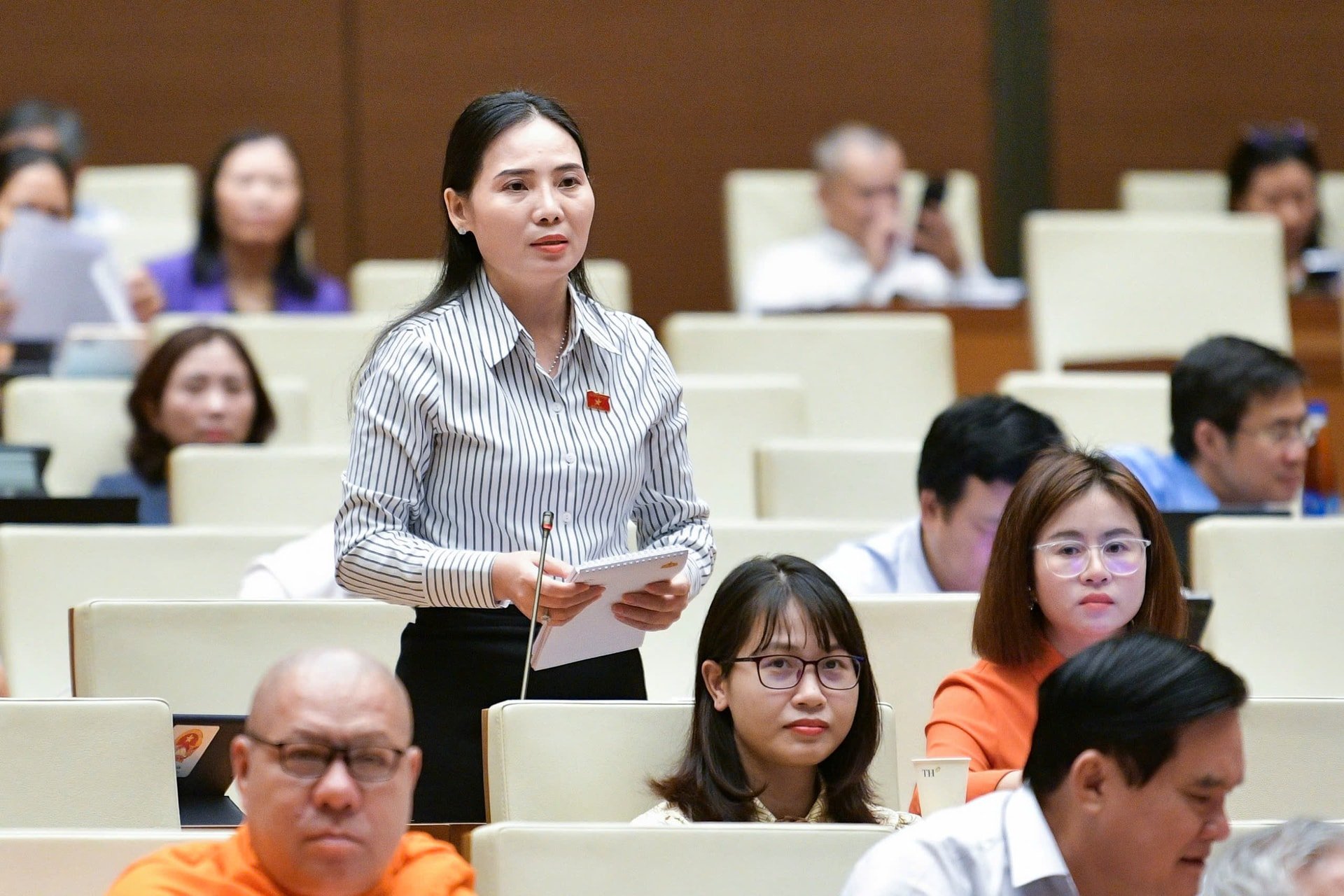
"To promptly boost the morale of our people in overcoming difficulties, the Prime Minister has put forward immediate and long-term solutions that have been highly appreciated by voters and the public. However, the people and voters want the Prime Minister to provide more clarity on fundamental, long-term solutions to respond to natural disasters in the future," the representative emphasized.
Representative Nguyen Thi Kim Thuy - Da Nang City National Assembly Delegation: Addressing outstanding projects and weak credit institutions.
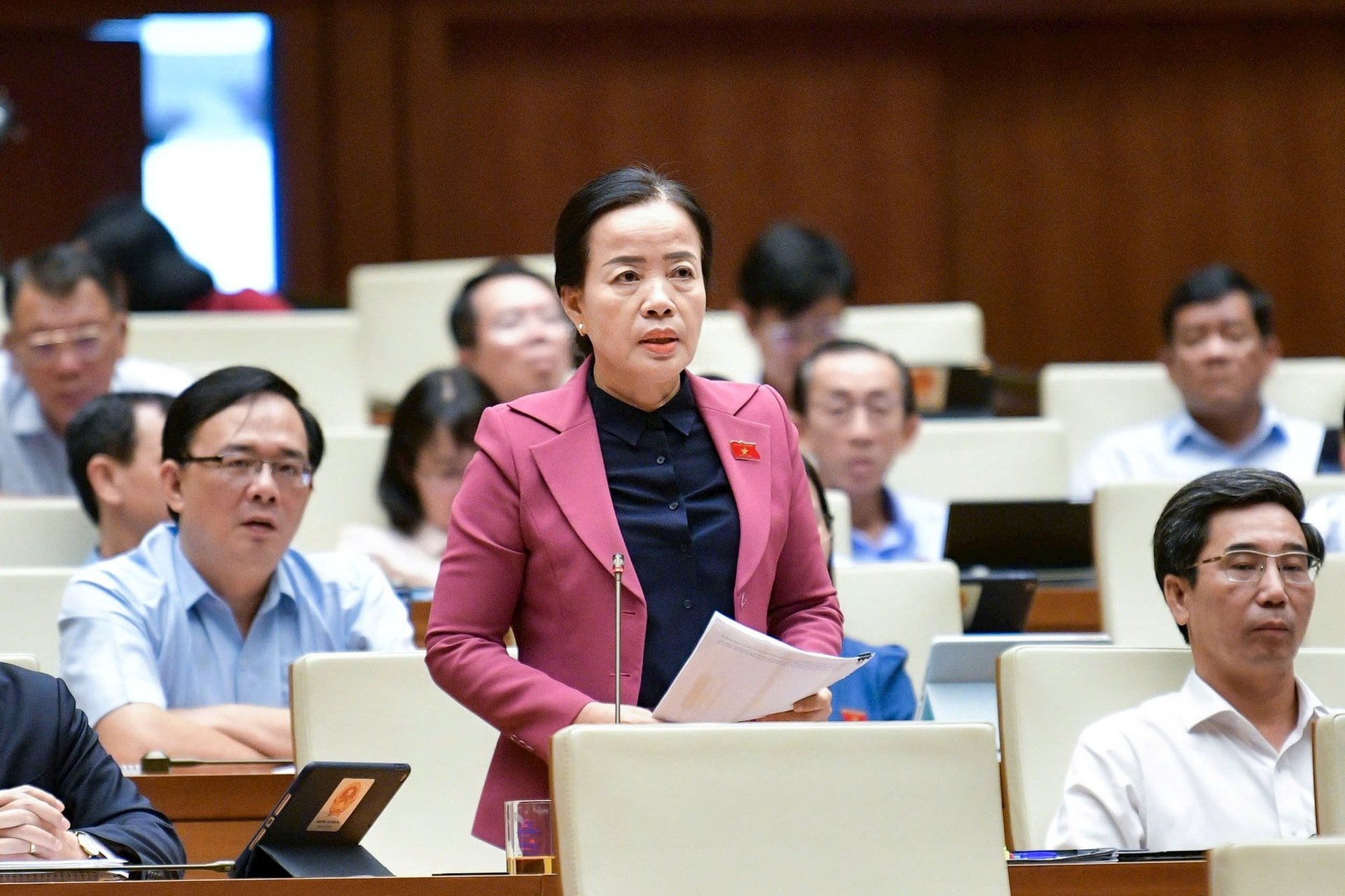
While appreciating the Government's and Prime Minister's decisive action in addressing long-standing and problematic projects at both the central and local levels, Representative Nguyen Thi Kim Thuy noted that some outstanding projects and weak credit institutions remain unresolved. Therefore, she requested that the Prime Minister explain the reasons, proposed solutions, mechanisms, and timelines for future action.
Representative Duong Khac Mai - Delegation of National Assembly Deputies from Dak Nong province: Solutions to overcome shortcomings to promote decentralization and delegation of power.
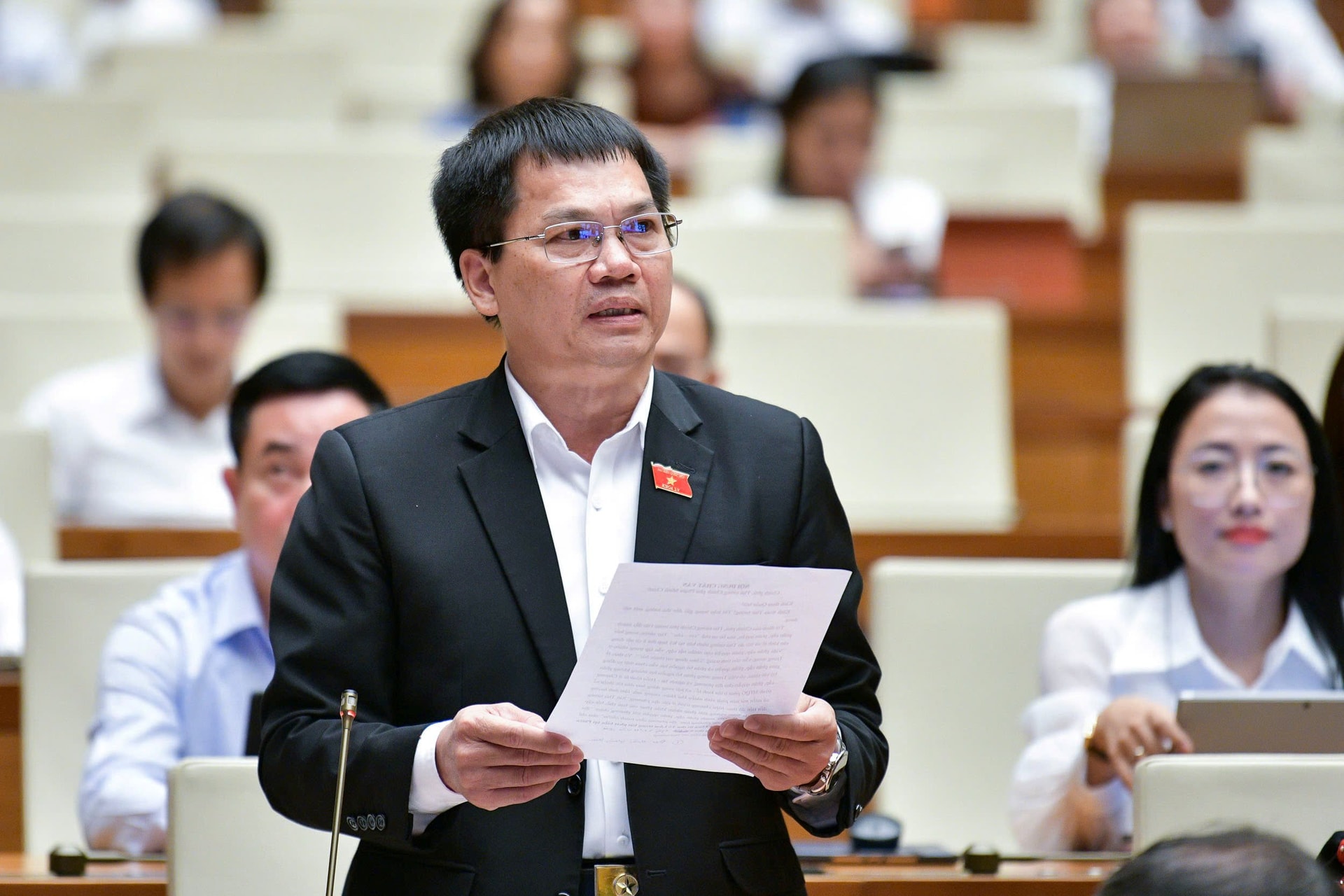
Representative Duong Khac Mai requested the Prime Minister to provide further solutions to overcome limitations and shortcomings in order to promote decentralization and delegation of power with the motto "local authorities decide, local authorities act, local authorities are responsible," as directed by General Secretary To Lam in his speech at the opening session of the 8th National Assembly on October 21, 2024.
Representative Pham Van Hoa - Delegation of National Assembly Deputies from Dong Thap Province: What are the solutions for successfully implementing important national projects?
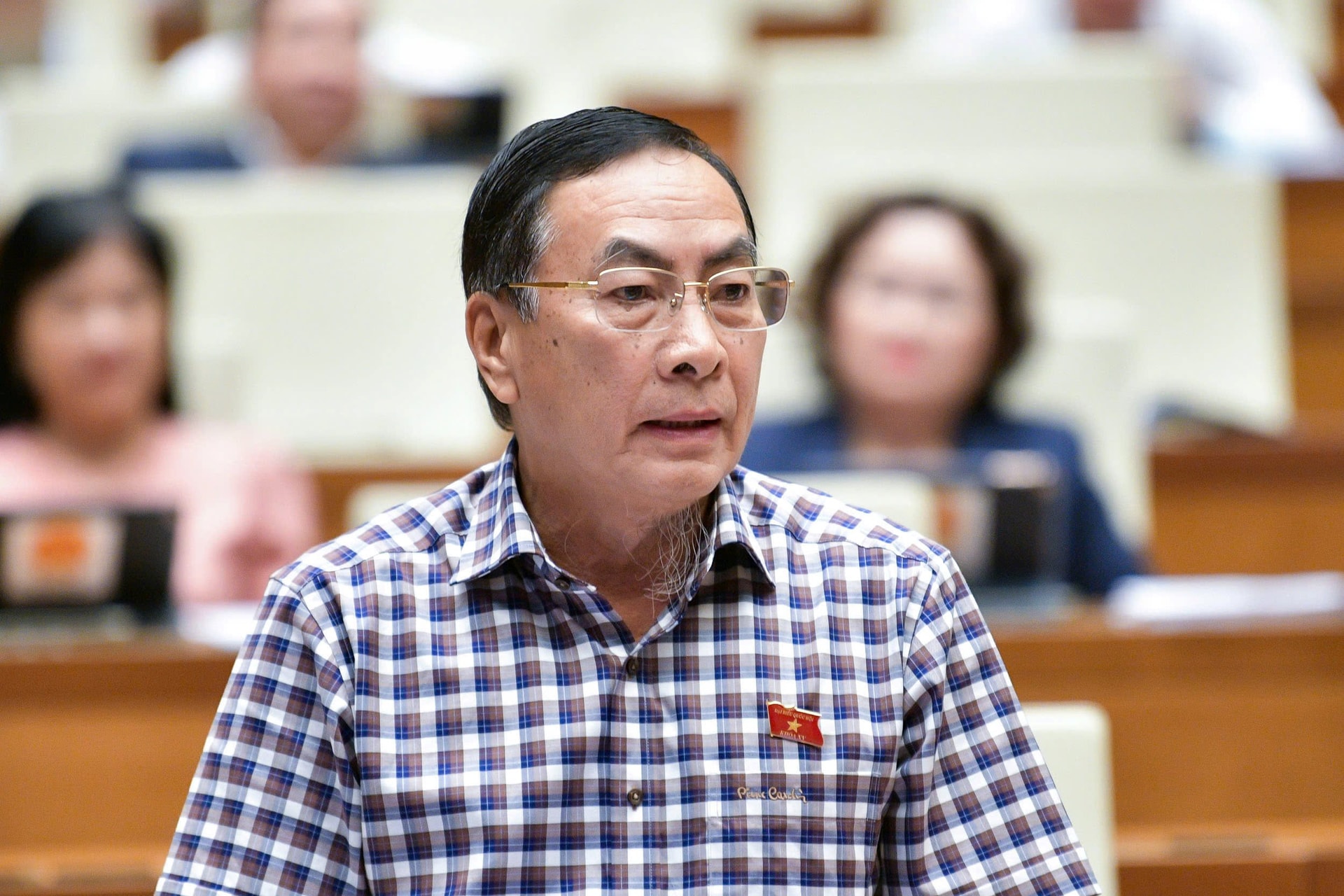
During the questioning session, delegate Pham Van Hoa asked the Prime Minister to explain the solutions in the upcoming leadership and management to successfully implement important national projects.
Representative Be Trung Anh - Tra Vinh Provincial Delegation of the National Assembly: The roadmap for completing the digital institutional framework in Vietnam.
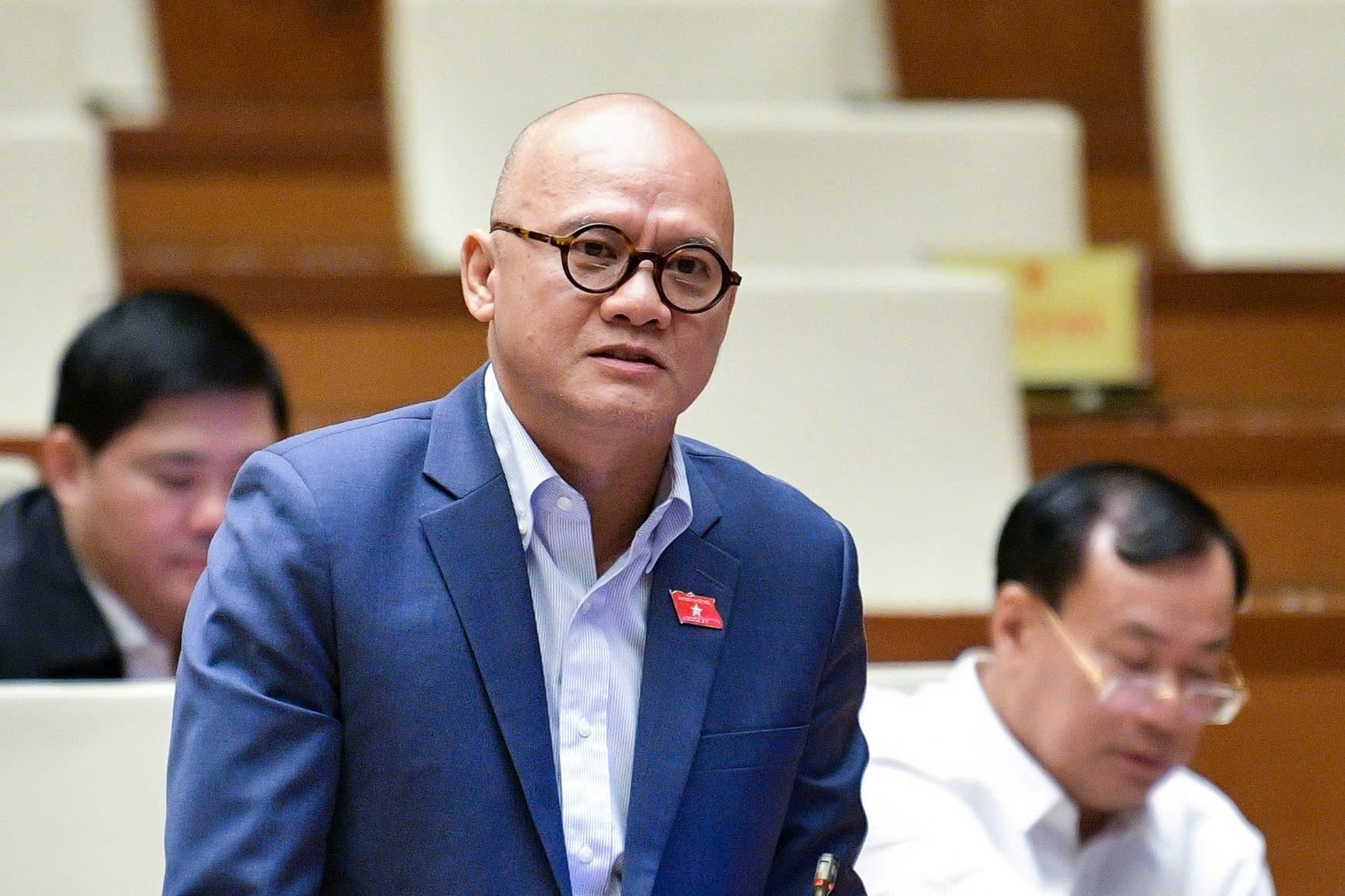
According to delegate Bế Trung Anh, digital transformation is a new and complex field encompassing broad aspects such as digital government, digital economy, and digital society, and has a macro-level impact. The delegate questioned the Prime Minister about whether data transformation requires a theoretical framework for digital transformation. Furthermore, he asked when Vietnam will complete its digital institutional roadmap.
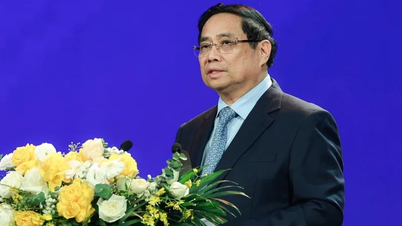
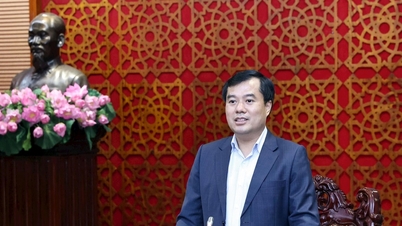
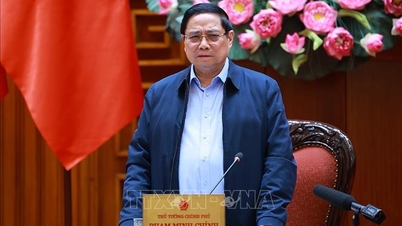
Prime Minister Pham Minh Chinh answers questions.
Responding to questions from delegates regarding decentralization and delegation of power, the Prime Minister stated that this is a major issue that has been discussed many times and implemented in practice. During this term, the Government has submitted 14 laws and 9 related resolutions to the National Assembly for promulgation, and has supplemented and replaced 27 decrees. However, some obstacles remain, mainly at the central level.
In proposing solutions, the Prime Minister suggested reviewing the institutional framework, legal regulations, functions, tasks, and powers of agencies, specifically the Law on Government Organization, the Law on National Assembly Organization, and the Law on Local Government Organization; perfecting standards and regulations; and strengthening supervision and inspection. Decentralization and delegation of power must go hand in hand with resource allocation and improving the implementation capacity of all levels.
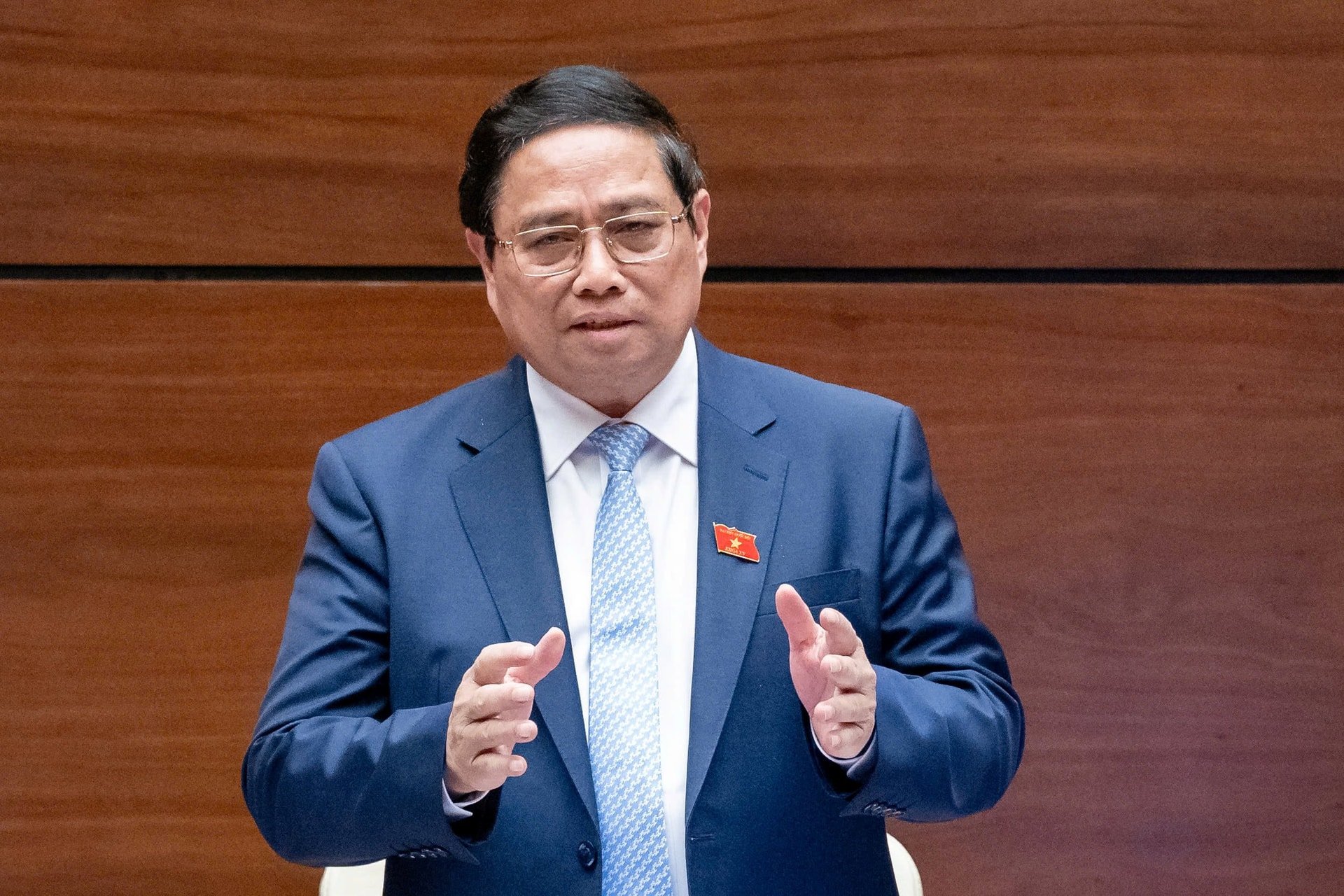
Regarding the question of institutional reform, the Prime Minister stated that the focus of institutional reform is decentralization and delegation of power. In addition, growth should be prioritized, and growth requires resources. If we continue to grow at the current rate of 6-7% per year, it will be very difficult to achieve the centenary goals we have set. To prioritize growth, institutional obstacles must be removed to mobilize all resources from the state, the people, society, and foreign sources, both directly and indirectly.
Regarding the elimination of dilapidated and substandard housing, the Prime Minister stated that this is a major policy, and the Politburo and General Secretary To Lam have already issued directives. Currently, Vietnam still has over 300,000 households with dilapidated houses, including those who have contributed to the revolution, beneficiaries of national target programs, and poor and near-poor households. With a strong determination to eliminate all dilapidated and substandard housing by 2025, the Prime Minister suggested establishing a Steering Committee from the central to local levels to ensure unified leadership, direction, mobilization, and resource utilization. In addition, it is necessary to resolve land-related obstacles, implementing the principle that "no disputes mean implementation is possible." Regarding resource mobilization, diversification of resources is needed. The military and police forces are also ready with personnel and resources to participate in the implementation. The government is striving to balance resources to allocate for this major program.
Responding to a question about fundamental, long-term solutions for disaster prevention and control, and climate change adaptation, the Prime Minister stated that the Party and State are very concerned about this issue. However, extreme weather events are a global, all-encompassing, and all-encompassing problem. We need to prioritize multilateralism and international cooperation, calling for global assistance and joint efforts. We need to institutionalize the Party's policies related to combating climate change and improve the institutional framework to suit the actual situation. In mobilizing resources, we need state resources, support from partners, and loan capital. Currently, resources are being prioritized for this issue. Along with that, we need to improve governance capacity in climate change adaptation and enhance the self-reliance and resilience of localities.
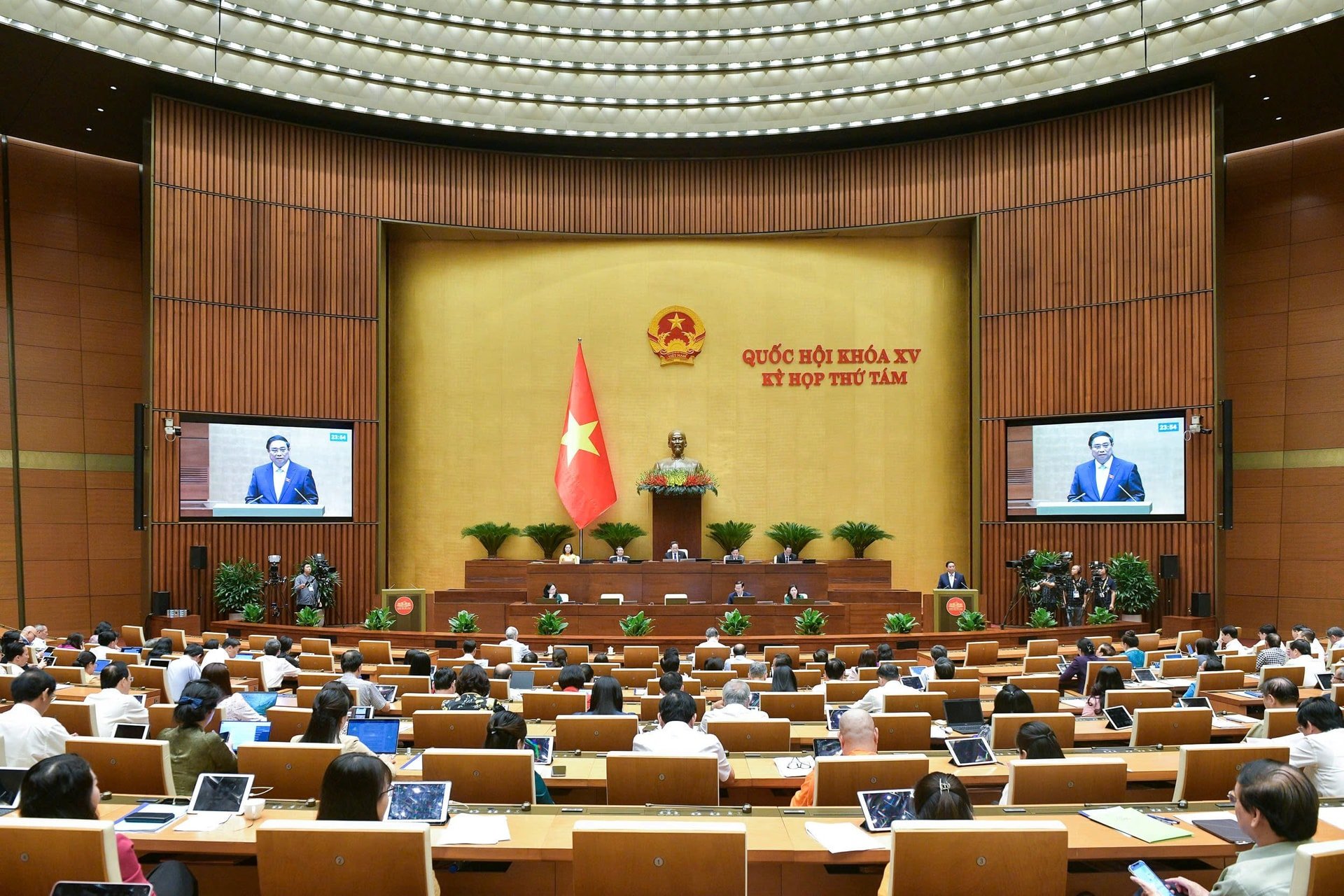
Responding to a question from National Assembly representative Nguyen Thi Kim Thuy, the Prime Minister stated that many projects are currently stalled for extended periods. Thanks to the efforts of the Politburo, the National Assembly, and the Government, 12 major stalled projects have essentially received approval from the Politburo. Based on this, the Government is implementing the projects within its functions, duties, and powers. For matters exceeding its responsibilities and powers, the Government will report to and seek the opinion of the National Assembly. The Government will also review similar projects, handling them in a manner that respects the current situation and resolves any legal obstacles.
Responding to a question about the theoretical basis, the Prime Minister stated that theory guides the way, but theory must also be based on practice; therefore, it is necessary to first summarize practical experiences. Digital transformation and green transformation are trends, movements, objective requirements, strategic choices, and top priorities; therefore, a theoretical framework is needed. To have a theoretical framework, it is necessary to summarize practical experiences, so that appropriate solutions can be developed based on Vietnam's specific conditions and circumstances. This summary needs to be carried out carefully, with a roadmap to improve the institutional framework in a suitable and effective manner.
Responding to a question from a delegate regarding the non-criminalization of economic and civil relations, the Prime Minister stated that new issues have arisen during the course of operations, and the legal system has not yet been updated. These newly arising issues are complex and require significant resources; therefore, it is necessary to focus on improving the institutional framework. Because institutions are the goal, the driving force, and the resource for development, we must continue to improve this framework, not only for green development but also for all aspects of national development.
Prime Minister Pham Minh Chinh stated that if we want breakthroughs, we must also make breakthroughs in institutions. During the implementation process, some issues have arisen, so a review is necessary. This includes the task of building institutions to regulate what is allowed, what is not allowed, and what constitutes an open space for innovation. The Party's viewpoint is to protect the legitimate rights and interests of all citizens and businesses, and to respect human rights in business and socio-economic development. Therefore, this means not criminalizing economic, civil, or administrative relations, but we must still build clear institutions and regulations. However, smuggling, tax evasion, manipulation, hoarding, price gouging, and market manipulation must be dealt with.
Regarding the development of institutions for managing activities in cyberspace, the Prime Minister affirmed that the real world is not the same as the virtual world; therefore, managing cyberspace is the same as managing in real life.
"In the spirit of what the General Secretary has directed, we must abandon the mindset of prohibiting what cannot be managed. That is, the spirit of institutional building must both serve management and open up space for innovation, encouraging all citizens, all businesses, and all entities to innovate. Innovation to soar high, creativity to reach far, integration to progress," Prime Minister Pham Minh Chinh emphasized.
Source: https://baotainguyenmoitruong.vn/thu-tuong-chinh-phu-truc-tiep-tra-loi-chat-van-cua-dai-bieu-quoc-hoi-383021.html


































































Comment (0)