

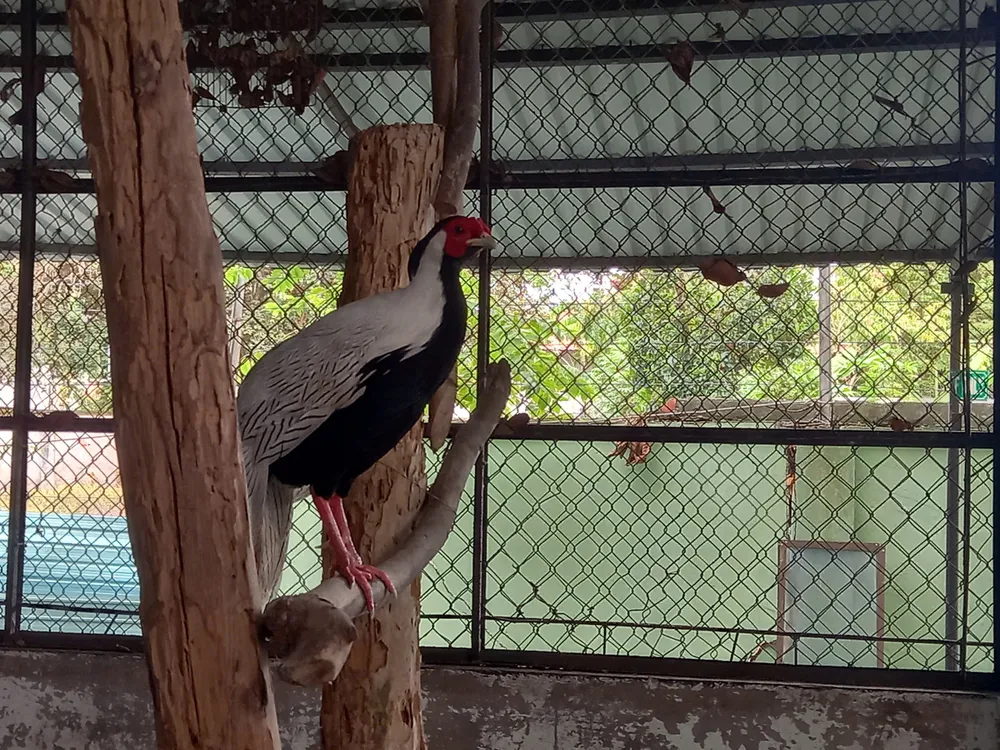
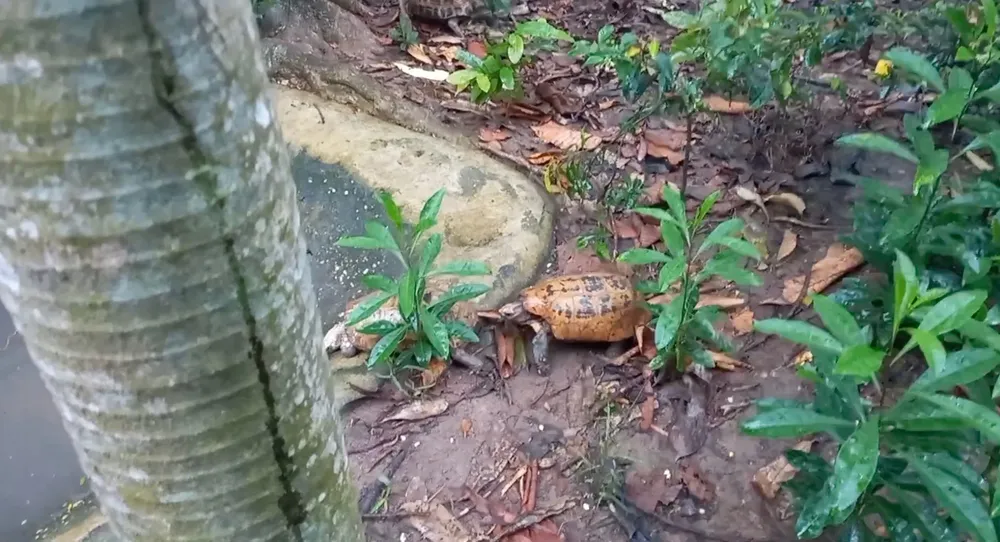
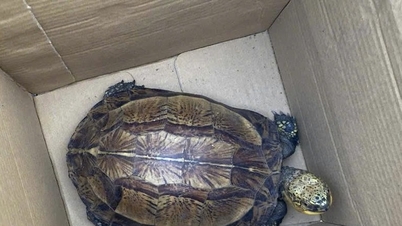
On August 19th, the Ho Chi Minh City Forest Protection Department (under the Ho Chi Minh City Department of Agriculture and Environment) announced that it had recently received and released several rare wild animals back into the wild, including one white pheasant, three large land turtles, two yellow mountain turtles, and six pythons. All of these individuals belong to Group IIB – endangered and rare species according to Circular 27/2025/TT-BNNMT of the Ministry of Agriculture and Environment .
According to the Ho Chi Minh City Forest Protection Department, the animals handed over this time were voluntarily surrendered by local residents. After being cared for, having their health checked, and ensuring they meet the necessary conditions for survival, these animals will be returned to the protected forest to be released back into their natural environment.
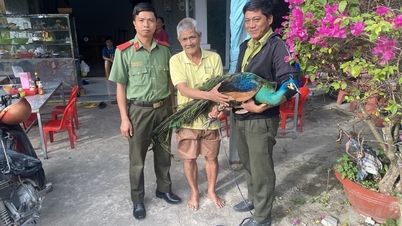
Notably, among them was a white pheasant – a species endemic to Vietnam, facing a serious decline in the wild. The male white pheasant, weighing 0.7 kg, was discovered by a local resident wandering in An Phu Dong ward, who then reported it to the ward's People's Committee and handed it over to the Ho Chi Minh City Forest Protection Department.
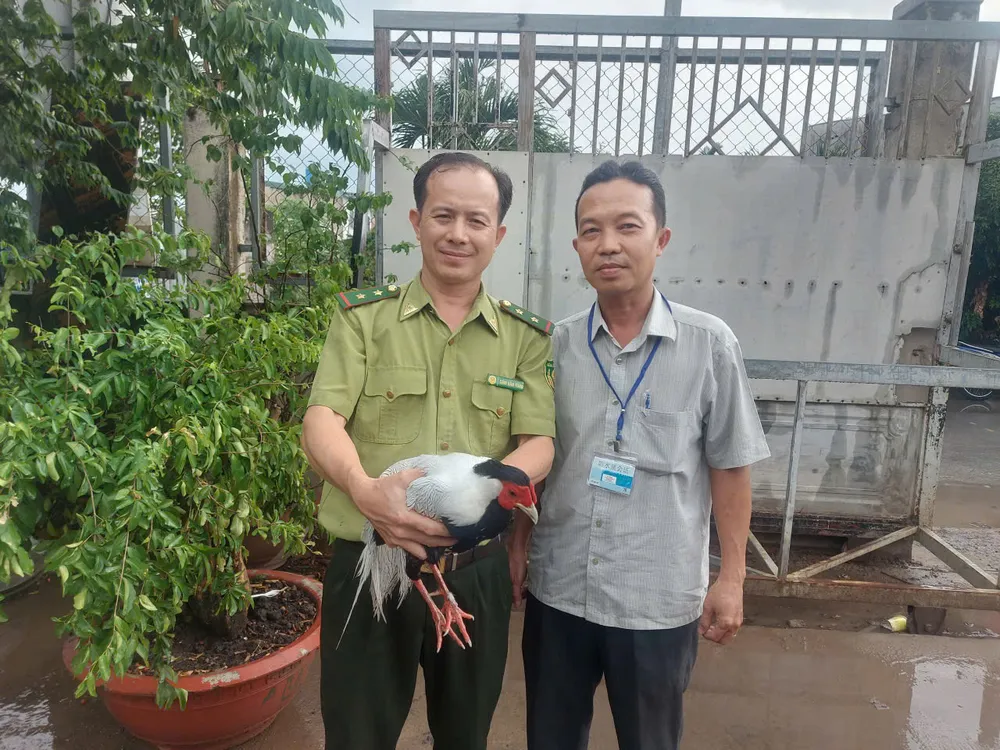
According to the head of the Ho Chi Minh City Forest Protection Department, the act of handing over and releasing endangered and rare species back into the wild not only contributes to the implementation of legal regulations on biodiversity conservation but also demonstrates a humane spirit and community responsibility in preserving natural values for the future.
Circular 27/2025/TT-BNNMT of the Ministry of Agriculture and Environment stipulates that 109 species of wild animals are classified in Group IB - endangered, rare, and precious species prioritized for protection, and 187 species of wild animals are classified in Group IIB - subject to exploitation restrictions.
The circular clearly stipulates that all forest animal species, including those in groups IB, IIB, and those listed in the CITES Convention, are permitted to be raised if the breeding facility fully meets the conditions regarding enclosures suitable to the biological characteristics of the species, has permission from the competent authority, and, in particular, can prove the legal origin of the breeding stock.
In addition to space requirements, the living environment must also ensure hygiene, veterinary care, and safety for both people and animals. The facility must have the means and equipment to receive and transfer animals when necessary; and a quarantine area to prevent disease outbreaks during the care process.
For large animal species, a wild-rehabilitation area should be designated if the animals are being raised for conservation purposes. Furthermore, once a breeding facility has been assigned a management code, it must maintain complete records and documentation as required to facilitate monitoring and traceability throughout the entire breeding process.
Source: https://www.sggp.org.vn/tphcm-kiem-lam-tiep-nhan-va-tha-ga-loi-trang-tran-rua-ve-voi-tu-nhien-post809136.html






















![[Video] The craft of making Dong Ho folk paintings has been inscribed by UNESCO on the List of Crafts in Need of Urgent Safeguarding.](https://vphoto.vietnam.vn/thumb/402x226/vietnam/resource/IMAGE/2025/12/10/1765350246533_tranh-dong-ho-734-jpg.webp)














































Comment (0)