

From being woven only for home use and as gifts, thanks to their durable and beautiful quality, Ca Hom - Ben Ba mats became a commodity and famous throughout Southern Vietnam from the 1940s onwards. The unique feature of these mats is their delicate patterns and colors, which remain vibrant and do not break or fray even after 4-5 years of use. Artisans typically choose five main colors: white, red, blue, yellow, and purple, to create double-sided woven mats, showcasing their skill and high aesthetic value.

In the 1970s, the craft village faced fierce competition from nylon mats. Around 1990, the weaving craft was in danger of disappearing due to a shortage of raw materials and slow innovation in designs. Hundreds of weavers abandoned their looms to seek a livelihood elsewhere. In this context, artisan Diep Thi Som persevered, creating and maintaining the product's position in the market.
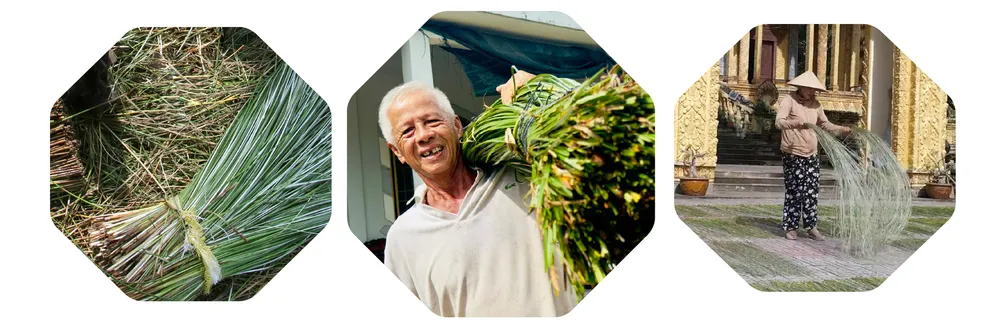
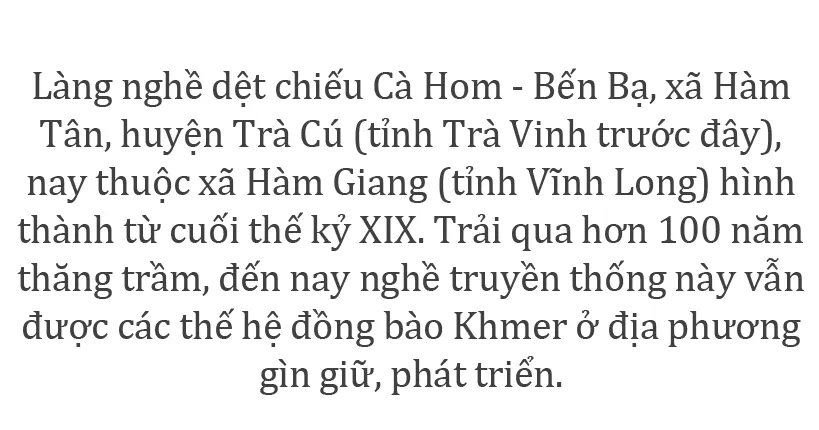
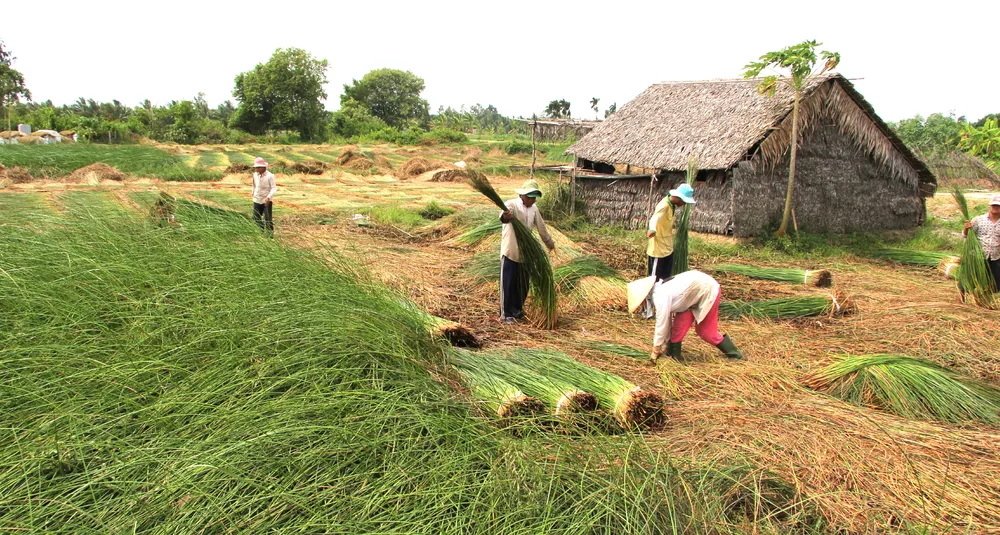
In 2001, Ham Giang commune provided capital, looms, and encouraged the transfer of skills, creating momentum for the revival of the craft village. Currently, more than 450 households participate, with nearly 500 looms, providing employment for approximately 2,500 direct and indirect workers. Each year, the craft village supplies about 150,000 pairs of mats, with peak production reaching 1,000–1,200 pairs per day during Tet (Lunar New Year), generating hundreds of millions of dong in income. The entire commune currently has 37 hectares of sedge cultivation, providing a stable yield to support the craft.
However, the craft village also faces challenges: the area for growing rattan is shrinking, and the artisans are getting older. Preserving and developing this craft is not only about maintaining livelihoods, but also about preserving the cultural heritage closely linked to the lives of the Khmer people.
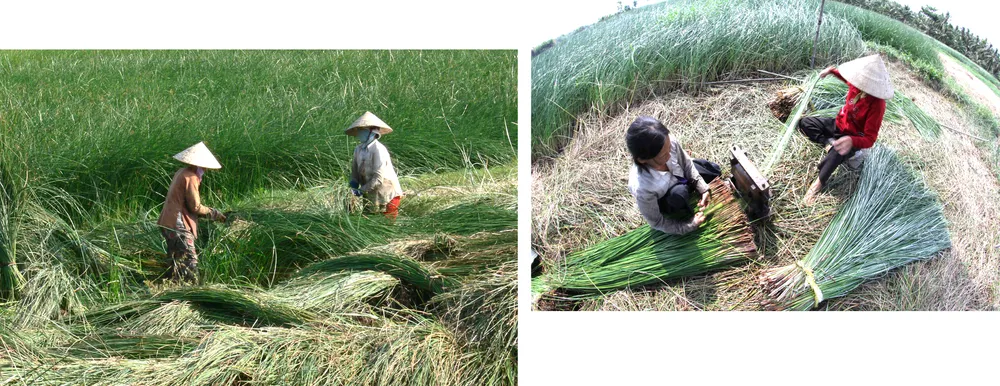
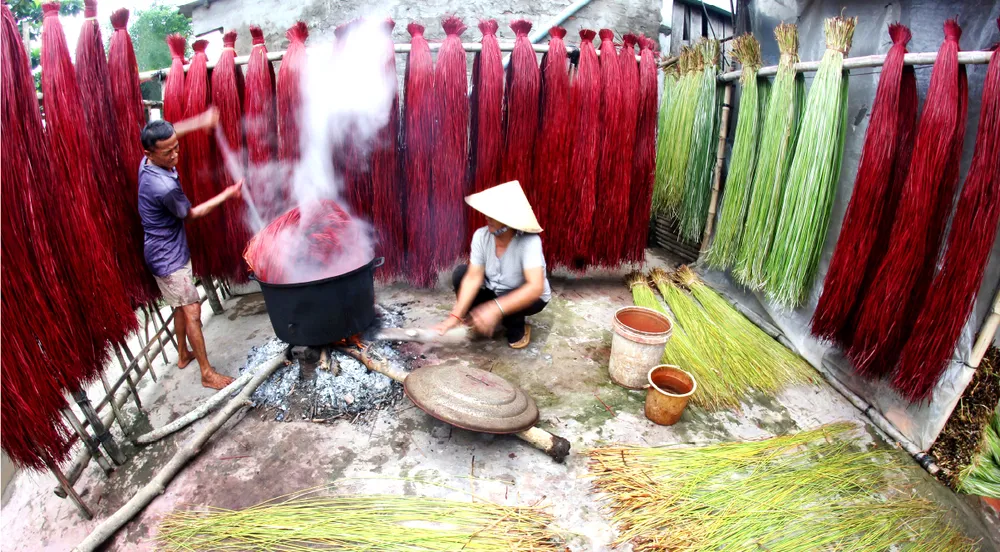
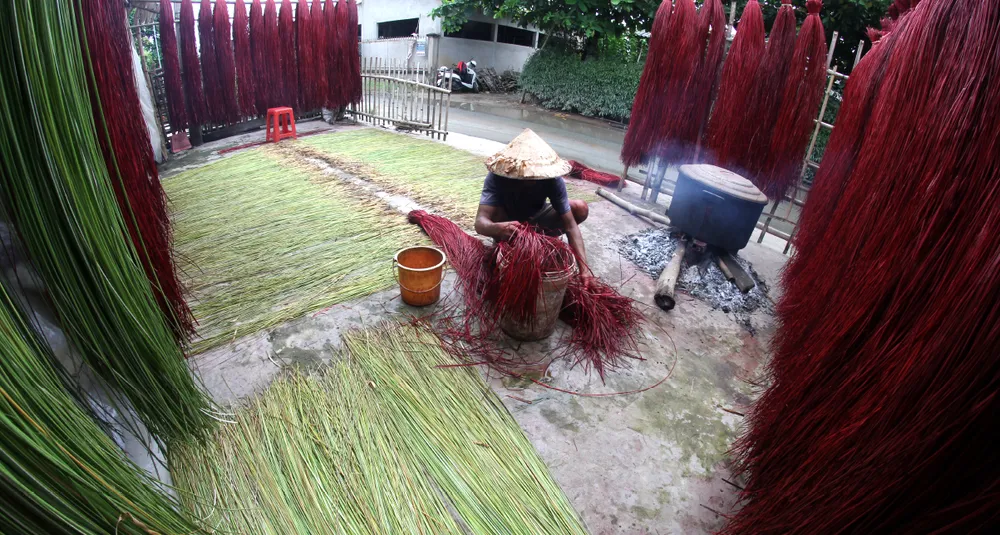
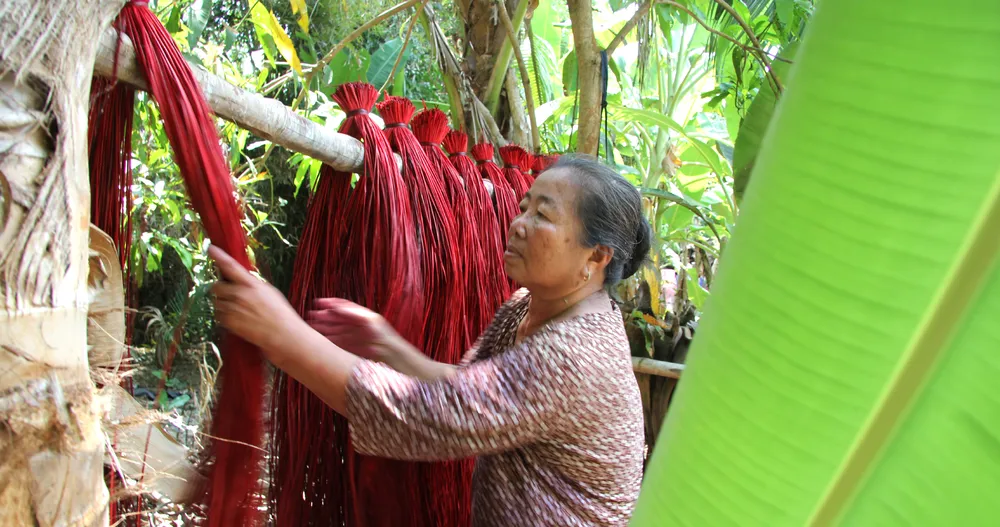
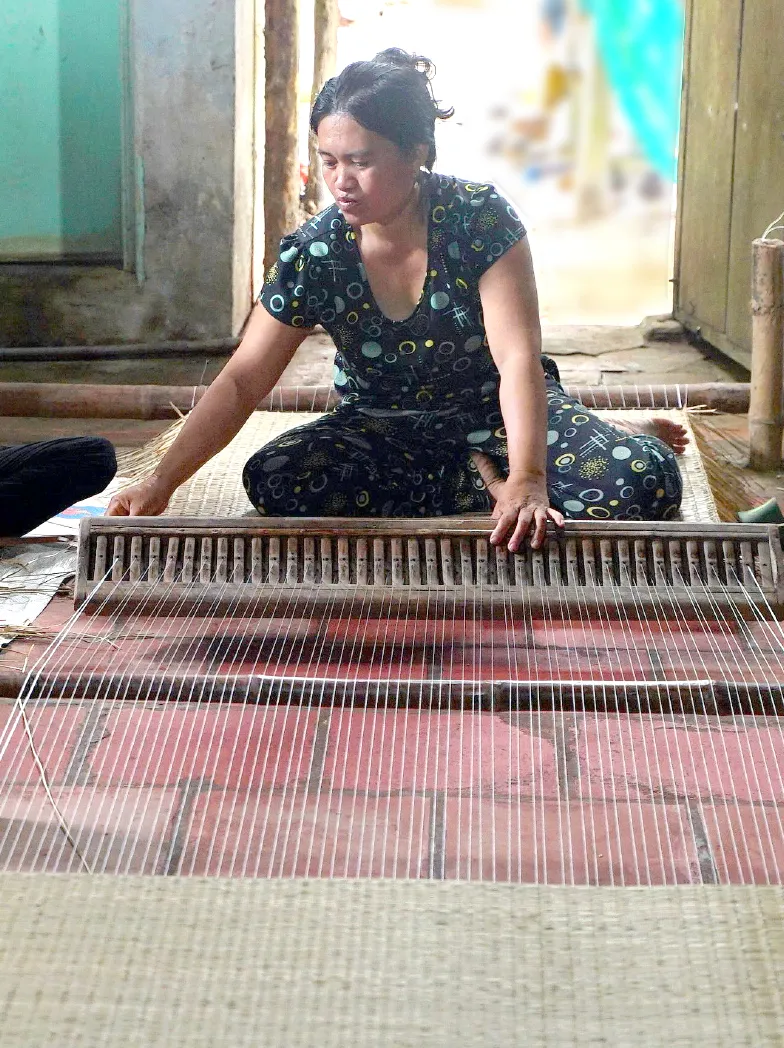
Young artisan Tran Thi The shared that for her, mat weaving is not just a means of livelihood but also a memory and the soul of her homeland. The stable income from the craft helps her support her family and strengthens community bonds. She hopes that this traditional craft will be preserved so that future generations can be proud of their mat-weaving village.
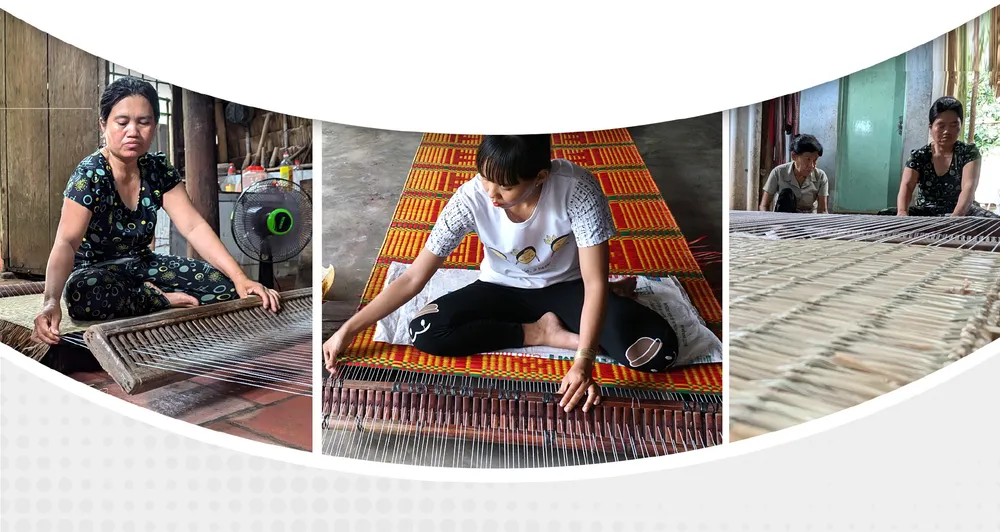
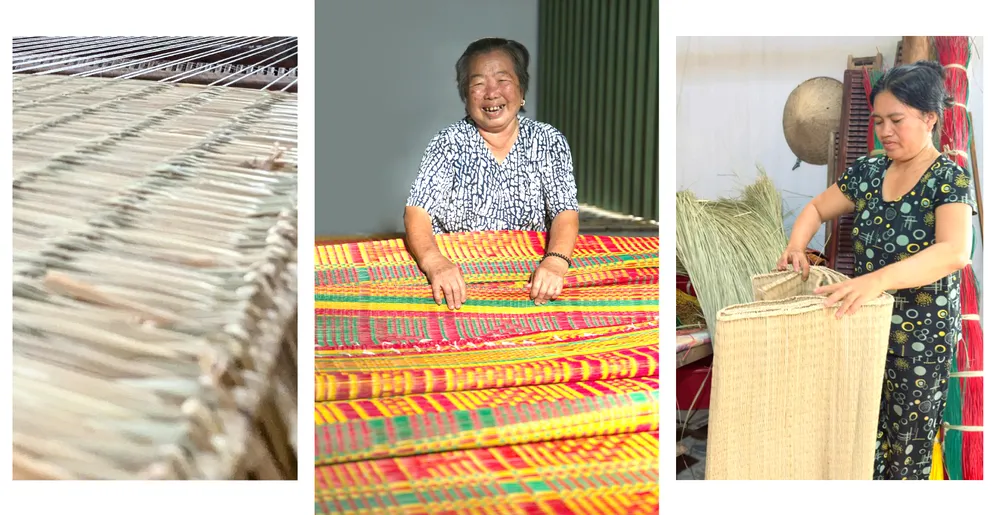
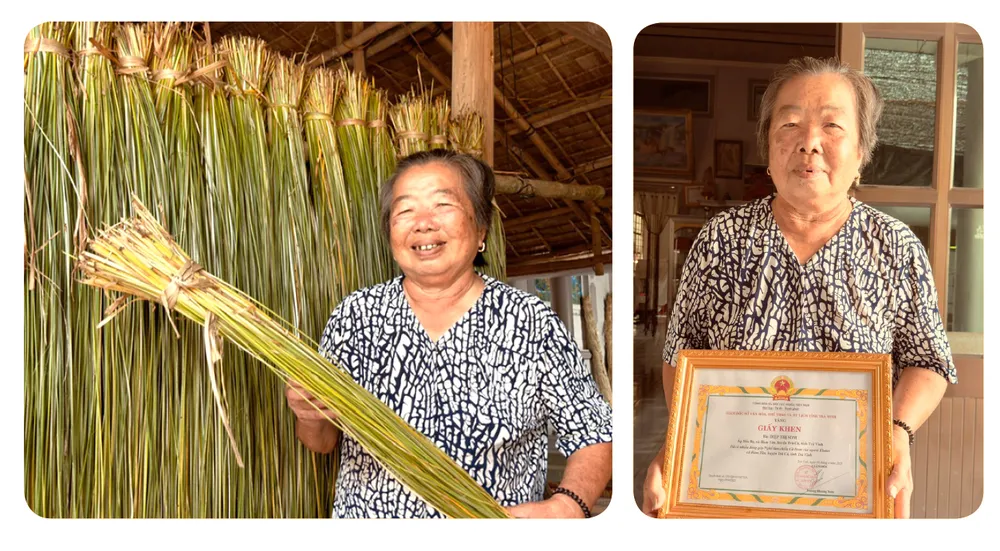
The Ca Hom – Ben Ba mat-making craft has become a marketable commodity and is famous throughout Southern Vietnam. On August 9, 2024, the Ministry of Culture, Sports and Tourism decided to include the Ca Hom mat-making craft in the National List of Intangible Cultural Heritage.
Source: https://www.sggp.org.vn/tram-nam-nghe-chieu-ca-hom-ben-ba-post811329.html
































































































Comment (0)