

I've just been diagnosed with early-stage esophageal cancer and I'm very confused about why I got the disease and what my prognosis is after treatment. (Hoang Binh, 55 years old, Binh Duong )
Reply:
Esophageal cancer is one of the 10 most common and deadly cancers worldwide . According to statistics from the Global Cancer Organization (Globocan) in 2020, Vietnam had over 3,200 new cases and more than 3,000 deaths from esophageal cancer.
The esophagus is part of the digestive tract, a tubular structure approximately 25 cm long and 2.5 cm wide. Located behind the trachea (airway) and in front of the spine, it is divided into three sections: upper, middle, and lower. When food enters through the mouth, the digestive tract contracts with the simultaneous action of gravity, moving the food through the esophagus to the stomach.
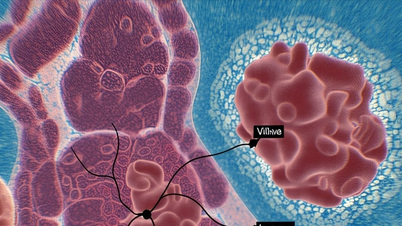
Esophageal cancer occurs when cells in the esophagus grow abnormally and uncontrollably. The disease is divided into two main types: squamous cell carcinoma (also called squamous cell carcinoma), which is common in the upper and middle sections of the esophagus, and adenocarcinoma, which is more common in the lower section of the esophagus, but can also occur in the middle section.
Early-stage esophageal cancer symptoms are often unclear, and it's usually detected when the tumor has spread, resulting in a poor prognosis. However, if detected and treated early, as in your case, the 5-year survival rate can be over 80%. Therefore, you should strictly follow your doctor's treatment plan.
Treatment methods depend on the stage of the disease and the patient's health condition. For early-stage esophageal cancer, treatment options may include esophagectomy (surgical removal of the esophagus) and concurrent chemoradiotherapy (chemotherapy combined with radiation).
Currently, the exact cause of the disease remains unclear. Several factors increase the risk, such as alcohol consumption, smoking, gastroesophageal reflux disease (GERD), Barrett's esophagus, and human papillomavirus (HPV) infection.
People who are overweight or obese, have had gastrectomy, have atrophic gastritis, esophageal damage, or a history of other cancers are more likely to develop esophageal cancer. Unhealthy diets such as those low in fiber, containing nitrosamines found in pickled vegetables, salted fish, and canned foods; and the habit of chewing betel nut in some Asian countries are also risk factors.
The incidence of esophageal cancer is increasing and affecting younger people, especially in developing countries like Vietnam. Some risk reduction measures include regular exercise, maintaining a healthy weight; not smoking; limiting alcohol consumption; and eating less fermented, processed, and canned foods.
Several studies worldwide have shown that HPV vaccination plays an important role in preventing esophageal cancer related to this virus infection. However, HPV infection is only one of the risk factors for esophageal cancer. Therefore, HPV vaccination does not reduce the risk of esophageal cancer caused by other factors (Barrett's esophagus, gastroesophageal reflux disease, etc.).
Dr. Vu Tran Minh Nguyen
Oncology Department, Tam Anh General Hospital, Ho Chi Minh City
Readers can ask questions about cancer here to receive answers from doctors.
Source link



























































































Comment (0)