

The Non Nuoc Mountain Inscriptions are of exceptionally important value.
Non Nuoc Mountain (also known as Duc Thuy Mountain, Son Thuy Mountain, Ho Thanh Mountain) is located at the confluence of the Van and Day rivers, now part of Hoa Lu City, Ninh Binh Province. Non Nuoc Mountain currently preserves 37 out of 43 surviving stone inscriptions written in Han-Nom script, recording the literary works of many famous authors from the Tran to the Nguyen dynasties.
Among them, the imperial poems and writings of emperors Tran Minh Tong, Le Thanh Tong, Le Hien Tong, Le Tuong Duc, and Le Hien Tong constitute a particularly special collection.
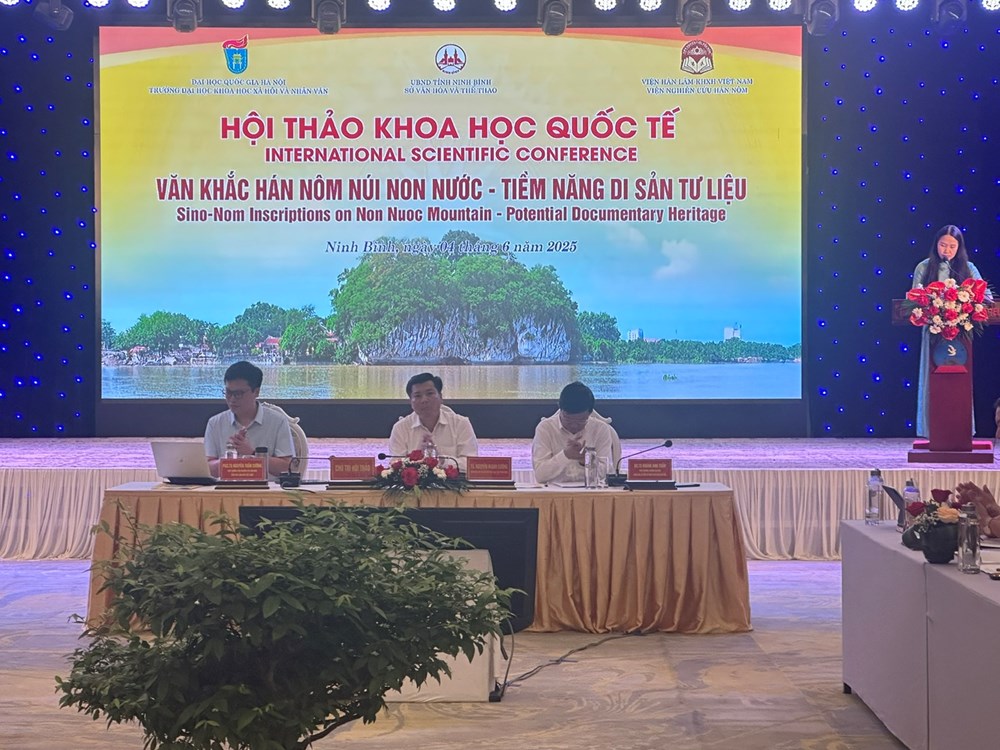
The workshop was jointly organized by the Ninh Binh Department of Culture and Sports, the University of Social Sciences and Humanities (Vietnam National University, Hanoi ), and the Vietnam Academy of Social Sciences.
Rarely does a famous mountain or historical site possess such a well-preserved collection of imperial poetry and prose as at Duc Thuy Mountain.
The imperial poems and writings inscribed on the Non Nuoc mountain stele date from the Tran dynasty through the early Le dynasty to the later Le dynasty. Their content is diverse, ranging from historical records to expressions of emotion in response to the beauty of nature, praising the picturesque scenery of Duc Thuy mountain, and charitable donations to temples…
In his opening remarks at the workshop, Mr. Nguyen Manh Cuong, Director of the Department of Culture and Sports of Ninh Binh province, stated that the system of rock inscriptions on the cliffs of Non Nuoc mountain (Hoa Lu city, Ninh Binh province) is of particularly important value.
The Non Nuoc Mountain relic site is not only famous for its historical, cultural, and scenic values, which have been ranked by the Prime Minister as a special national historical and scenic site, but also a treasure trove of unique documentary heritage.
The system of Han Nom inscriptions on the cliffs here holds significant historical, cultural, religious, and literary-artistic meaning. It not only reflects the presence and development of Han Nom literature in the ancient capital region but also serves as vivid evidence of cultural exchange and the thoughts and beliefs of Vietnamese feudal dynasties over many centuries.
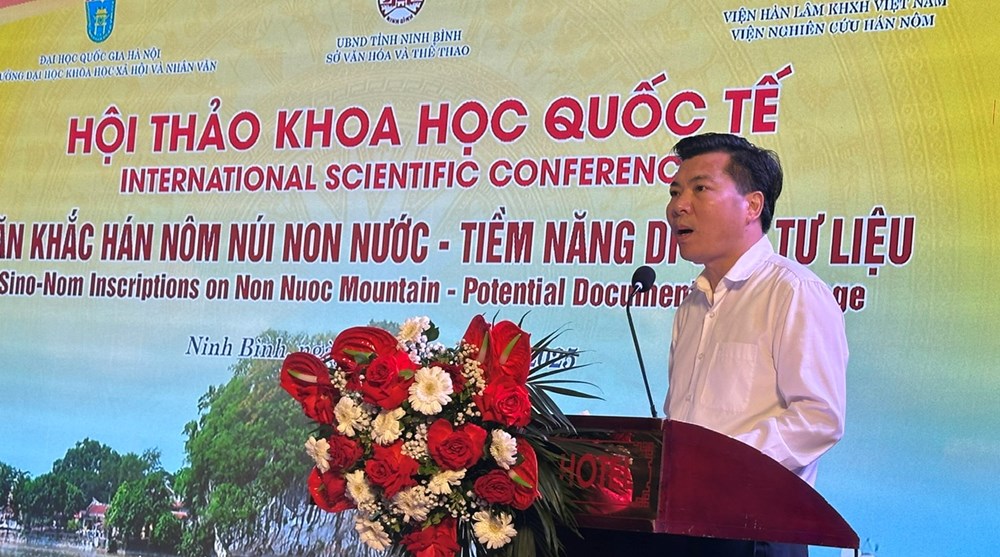
Mr. Nguyen Manh Cuong, Director of the Department of Culture and Sports of Ninh Binh, delivered the opening remarks at the workshop.
Of the 43 surviving rock inscriptions on the mountain, 37 are inscribed in Han Nom script, dating from the Tran Dynasty to the early 20th century. These include 9 inscriptions from the Tran Dynasty, 3 from the early Le Dynasty (15th century), 1 inscription from the Mac Dynasty (16th century), 4 from the Le Trung Hung Dynasty (17th-18th centuries), and the remainder from the Nguyen Dynasty.
This is a treasure trove of rich and valuable historical and literary documents, important and authentic records documenting historical events and figures associated with Non Nuoc Mountain and the Ninh Binh region, as well as the entire country and the region; it includes unique engraved copies of royal poems and prose by kings, poems of praise by poets, along with distinctive calligraphy and writing styles (Nom script, taboo characters).
Some notable literary works include: the stele "Dục Thúy Mountain Linh Tế Pagoda Inscription" composed and carved on the side of Dục Thúy Mountain by Trương Hán Siêu in the year Quý Mùi, the 3rd year of Thiệu Phong reign (1343) during the reign of Emperor Trần Dụ Tông; this is one of the most valuable rock inscriptions in the system of rock inscriptions in Vietnam; the stele "Imperial Decree" of Emperor Emeritus Trần Minh Tông carved in the year Kỷ Sửu, the year of Thiệu Phong reign (1349); and the rock inscriptions written by Ngô Thì Sĩ and Ngô Thì Nhậm; these are among the rare rock inscriptions in Vietnam...
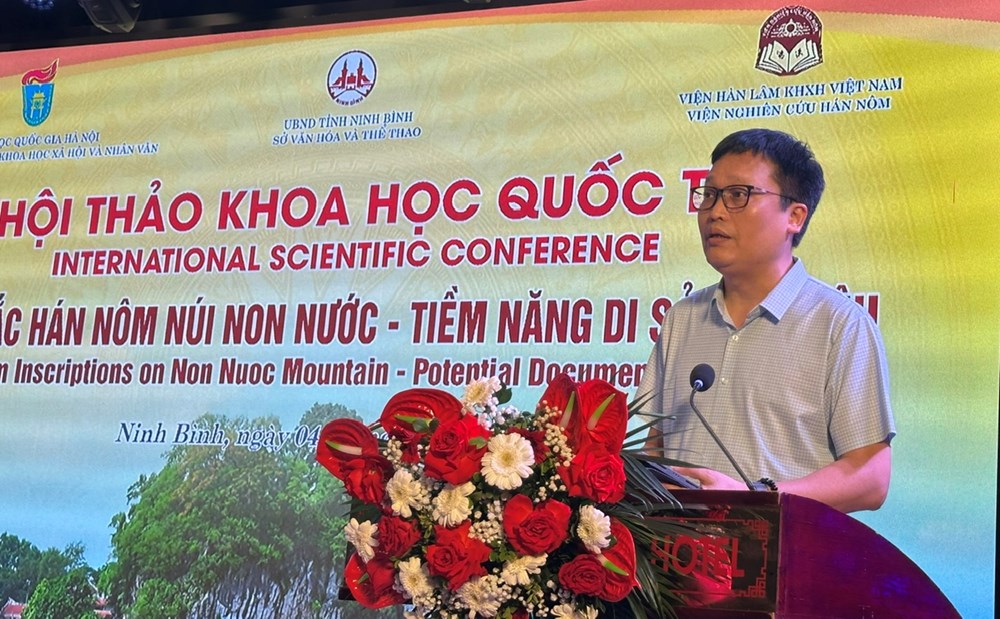
Mr. Nguyen Tuan Cuong, Director of the Institute of Han Nom Studies (Vietnam Academy of Social Sciences), delivered the opening remarks at the conference.
Nevertheless, the system of Sino-Vietnamese inscriptions at Non Nuoc remains largely unstudied in a systematic and comprehensive manner.
Mr. Nguyen Manh Cuong hopes that the conference will be a serious academic forum, a place for meeting and sharing information, academic knowledge, and international experiences in identifying and clarifying the historical, cultural, artistic, and linguistic value of the Han Nom inscriptions of Non Nuoc Mountain.
Simultaneously, discussions will be held on the possibility of documenting this system of inscriptions as a documentary heritage; solutions for preservation and promotion of its value will be proposed, linked to sustainable development and heritage education; and specific directions will be suggested for protecting and promoting the unique value of the Han Nom inscriptions of Non Nuoc Mountain in the current context.
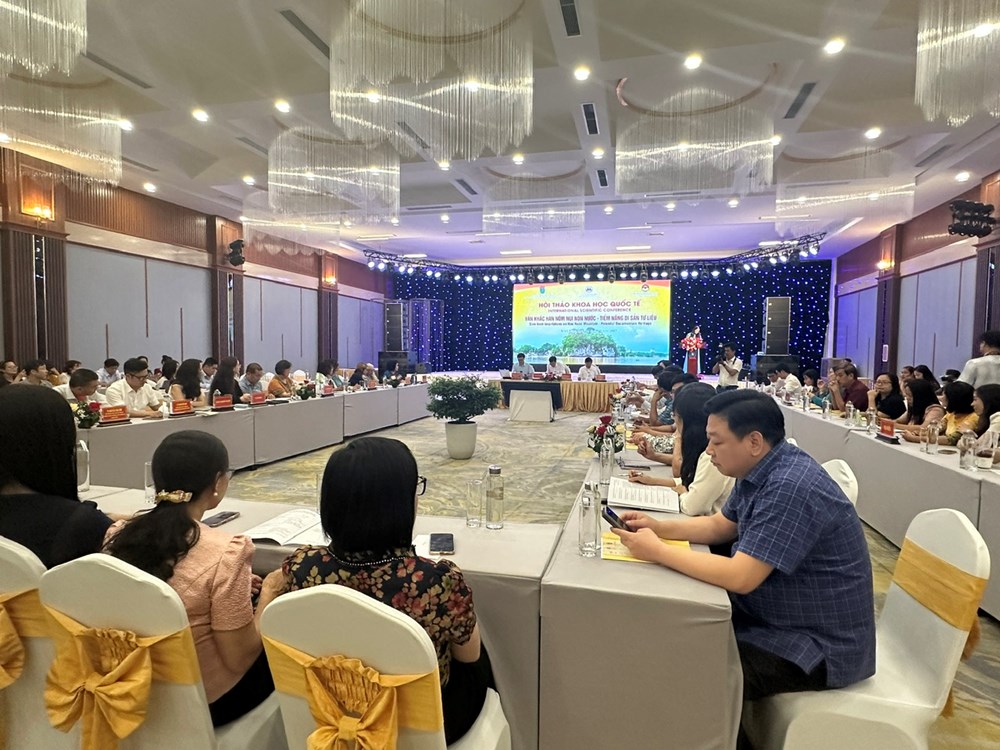
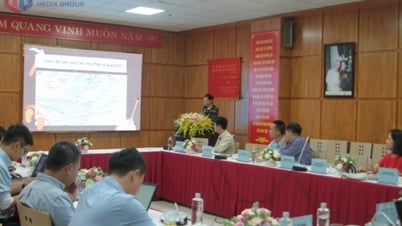
Conference scene
Elevating the heritage
In his opening remarks at the conference, Mr. Nguyen Tuan Cuong, Director of the Institute of Han Nom Studies (Vietnam Academy of Social Sciences), said that the conference brought together a large number of scientists, leading experts in the field from Vietnam, and prestigious international scholars from Taiwan, France, and Japan.
This diversity is reflected not only in geographical scope but also in the multidisciplinary and interdisciplinary nature of the approaches. The reports at the Conference covered a wide range of fields: from textual studies, history, and comparative literature, to in-depth analyses of the value of documentary heritage according to international criteria; from studies on the historical formation, artistic characteristics, and ideological content of inscriptions, to pressing issues concerning the current state of preservation, challenges from climate change and environmental pollution, and advanced technological and management solutions.
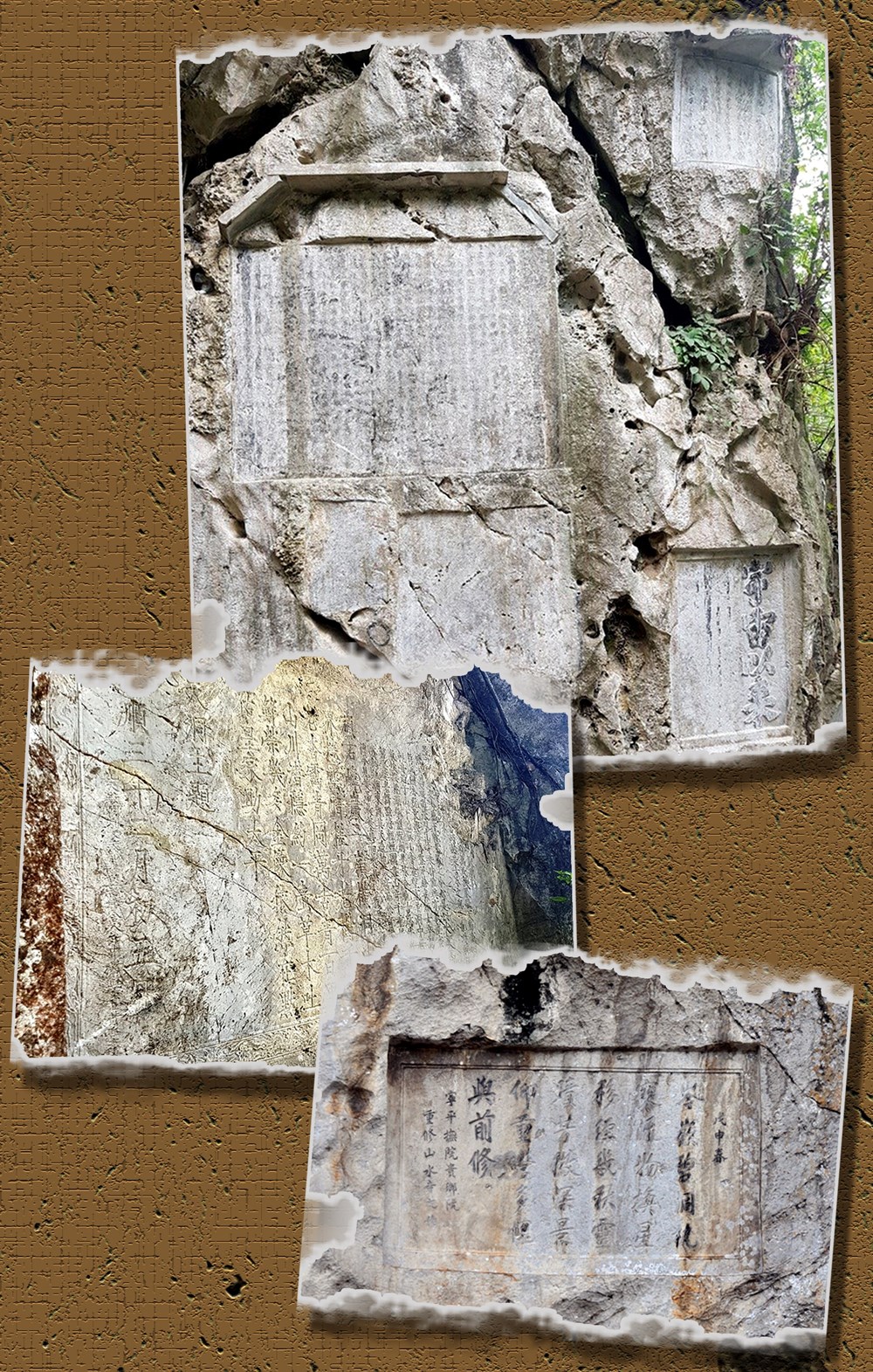
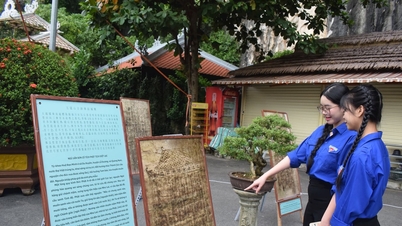
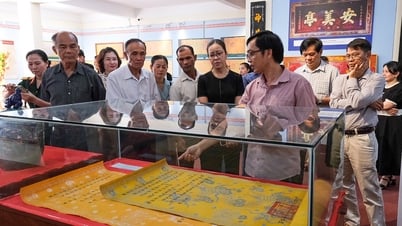
Han Nom inscriptions on Non Nuoc mountain
The presentations also shared valuable experiences from researching, preserving, and promoting the value of similar heritage sites in Vietnam and around the world, such as the Marble Mountains of Ngu Hanh Son (Da Nang), the Shaolin Temple inscriptions (China), and other documentary inscription sites recognized by UNESCO. These comparative perspectives are particularly useful in identifying the value and determining a suitable roadmap for elevating the international status of the Non Nuoc inscription heritage.
The in-depth academic exchanges, new findings, and heartfelt proposals presented at the Conference will not only enrich our understanding of the Sino-Vietnamese inscription heritage of Non Nuoc Mountain, but also provide solid scientific arguments for building a dossier to nominate it for UNESCO recognition as a Documentary Heritage of Humanity.
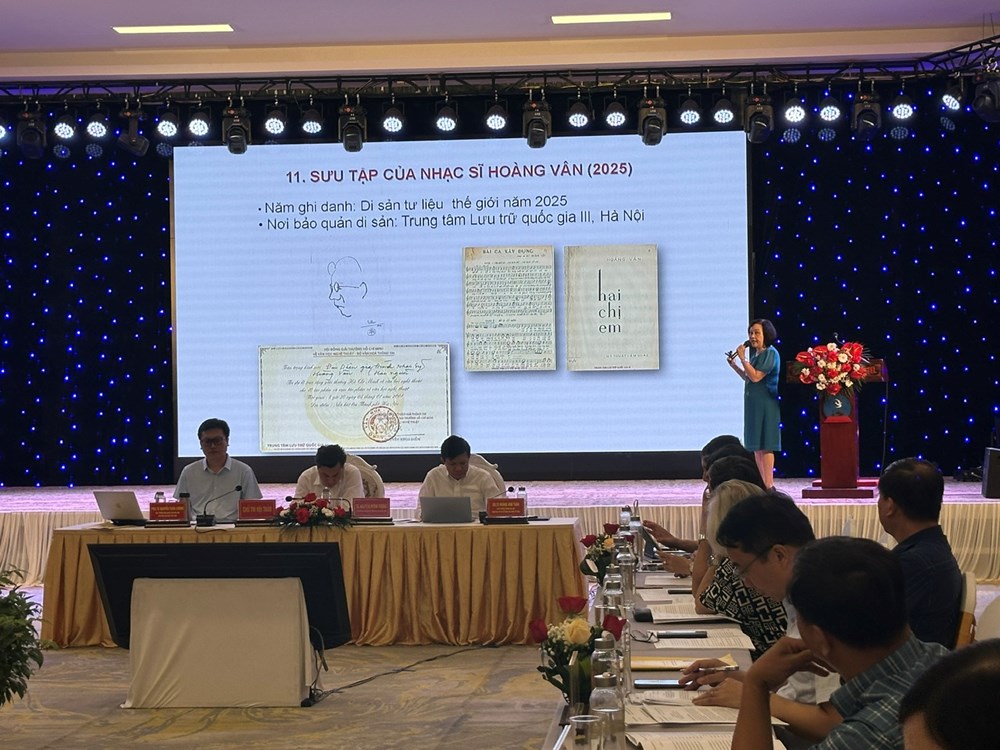
Dr. Vu Thi Minh Huong, Vice President of the Memory of the World Committee for the Asia-Pacific Region, shared that comparisons are necessary to understand the value of heritage.
Sharing her experience in successfully building a nomination dossier for UNESCO's Memory of the World Programme, Ms. Linh Anh Moreau, Secretary-General of the Asia-Pacific Regional Committee for Memory of the World, emphasized the need to apply best practices, particularly in the areas of identification, significance assessment, and comparison.
Effective identification of authenticity involves a thorough process when proposing documentary heritage with the potential for global, regional, and/or community value. This requires extensive and diverse research into historical records, cultural context, and the unique characteristics of the nominated artifact or collection.
Establishing importance requires an evidence-based interpretation of why a heritage site is important at the global, regional/national level, while also considering its authenticity, integrity, rarity, and its impact on history and culture.
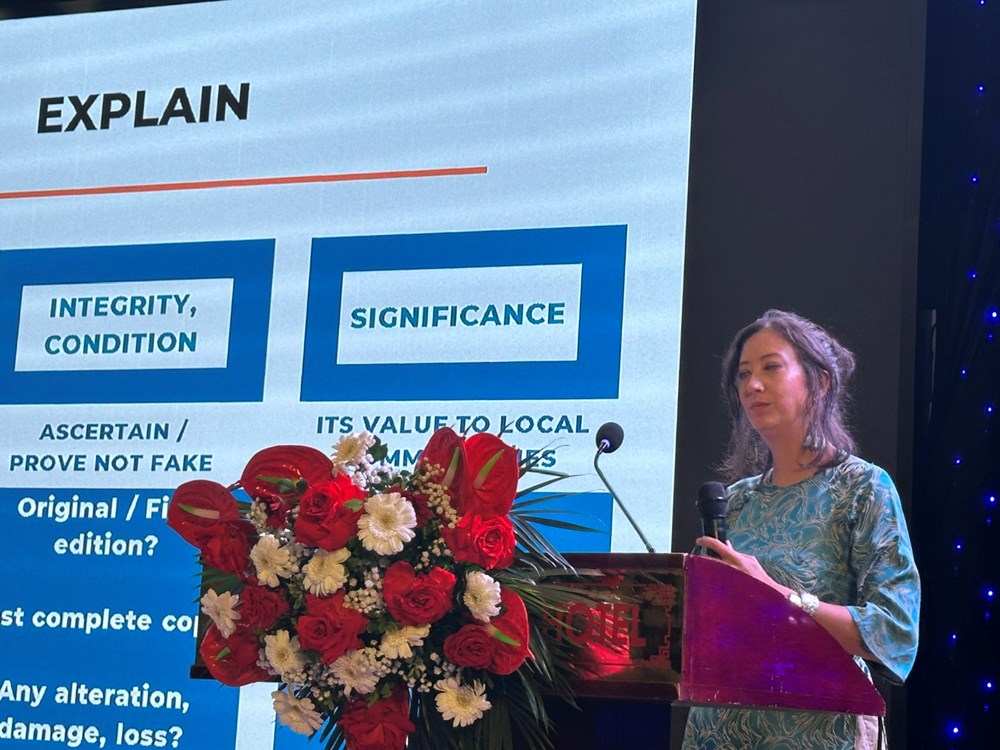
Ms. Linh Anh Moreau, Secretary General of the Memory of the World Committee for the Asia-Pacific Region, delivered a speech at the workshop.
Finally, the nomination dossier must demonstrate the uniqueness of the proposed heritage by comparing it to similar artifacts or collections, highlighting its distinct contributions and why it truly stands out/is exceptionally outstanding on a global or regional scale.
“Adherence to these practices can help ensure that nomination dossiers are well-founded, compelling, and meet the criteria for inscription on the Memory of the World Registers,” shared Ms. Linh Anh Moreau.
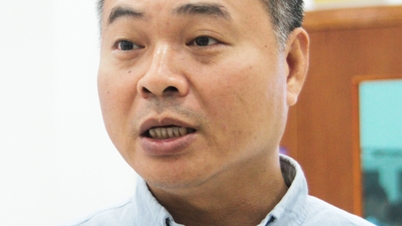
Speaking at the workshop, Dr. Vu Thi Minh Huong, Vice President of the Memory of the World Committee for the Asia-Pacific Region, emphasized the important role of researching, comparing, and demonstrating the uniqueness of the Han Nom inscriptions on Non Nuoc Mountain, comparing them with other inscriptions in Vietnam.
According to Dr. Vu Thi Minh Huong, the unique and special values of the Han Nom inscriptions on Non Nuoc Mountain meet the criteria of UNESCO when building a nomination dossier for documentary heritage.
Source: https://baovanhoa.vn/van-hoa/van-khac-han-nom-nui-non-nuoc-tiem-nang-di-san-tu-lieu-140239.html


![[Photo] Prime Minister Pham Minh Chinh receives Lao Minister of Education and Sports Thongsalith Mangnormek](/_next/image?url=https%3A%2F%2Fvphoto.vietnam.vn%2Fthumb%2F1200x675%2Fvietnam%2Fresource%2FIMAGE%2F2025%2F12%2F16%2F1765876834721_dsc-7519-jpg.webp&w=3840&q=75)
![[Image] Leaked images ahead of the 2025 Community Action Awards gala.](/_next/image?url=https%3A%2F%2Fvphoto.vietnam.vn%2Fthumb%2F1200x675%2Fvietnam%2Fresource%2FIMAGE%2F2025%2F12%2F16%2F1765882828720_ndo_br_thiet-ke-chua-co-ten-45-png.webp&w=3840&q=75)
![[Live] 2025 Community Action Awards Gala](/_next/image?url=https%3A%2F%2Fvphoto.vietnam.vn%2Fthumb%2F1200x675%2Fvietnam%2Fresource%2FIMAGE%2F2025%2F12%2F16%2F1765899631650_ndo_tr_z7334013144784-9f9fe10a6d63584c85aff40f2957c250-jpg.webp&w=3840&q=75)
![[Photo] Prime Minister Pham Minh Chinh receives the Governor of Tochigi Province (Japan)](/_next/image?url=https%3A%2F%2Fvphoto.vietnam.vn%2Fthumb%2F1200x675%2Fvietnam%2Fresource%2FIMAGE%2F2025%2F12%2F16%2F1765892133176_dsc-8082-6425-jpg.webp&w=3840&q=75)







































![[Photo] Prime Minister Pham Minh Chinh attends the Vietnam Economic Forum 2025](https://vphoto.vietnam.vn/thumb/402x226/vietnam/resource/IMAGE/2025/12/16/1765893035503_ndo_br_dsc-8043-jpg.webp)




























Comment (0)