

Durian, banana, jackfruit lead export growth
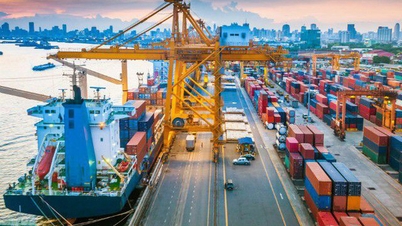
According to the Vietnam Fruit and Vegetable Association, the preliminary export turnover of fruits and vegetables in November 2025 is forecast to reach 754 million USD, down 18.7% compared to October but up 64.9% compared to the same period in 2024. In the 11 months, Vietnam's fruit and vegetable exports are forecast to reach more than 7.8 billion USD, up 18% over the same period last year, while imports reached more than 2.44 billion USD, up 15%. Thus, the net export of fruits and vegetables in 11 months reached nearly 5.4 billion USD, setting a new record.
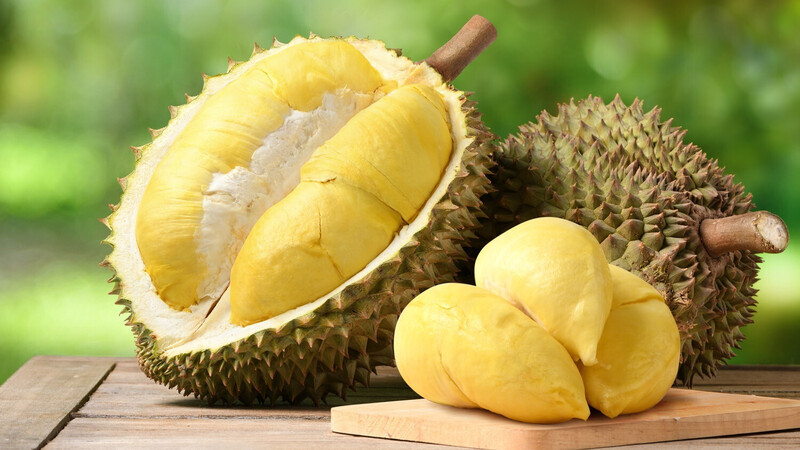
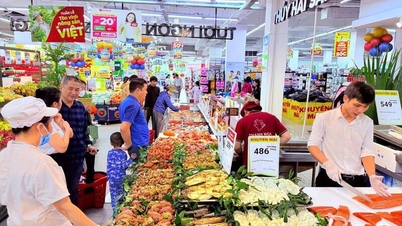
Durian exports are expected to lead the fruit and vegetable industry in 2026. Illustrative photo
Exports to many major markets maintained double-digit growth over the same period, including China, the US, Japan, Taiwan, the Netherlands, and Australia. The three main export markets remained China, the US, and South Korea, with 10-month exports reaching over 4.5 billion USD to China, nearly 455 million USD to the US, and over 264 million USD to South Korea. Export growth mainly came from fruit groups such as durian, banana, mango, jackfruit, coconut, and grapefruit. Of which, durian remained the main export item.
Speaking to reporters from the Industry and Trade Newspaper, Mr. Dang Phuc Nguyen, General Secretary of the Vietnam Fruit and Vegetable Association, said that durian exports faced some difficulties in the third quarter of this year, but thanks to high demand in the market, this product is still in high demand. Other products such as bananas, dragon fruit, jackfruit and some other fruits also maintained stable exports.
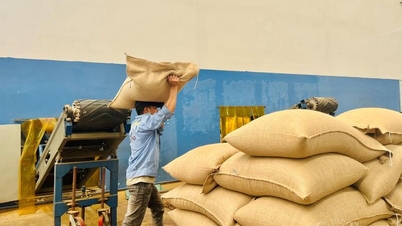
“Regarding fresh jackfruit, signing a protocol with China helps facilitate customs clearance and reduce costs for businesses. Previously, official exports existed, but the inspection rate could be up to 50-100%. With the Protocol, the inspection rate has decreased to about 5%, helping customs clearance to be done quickly within a few hours instead of taking one or two days,” Mr. Nguyen shared.
Deep processing, FTA and green agricultural products open up new opportunities
According to Mr. Dang Phuc Nguyen, export turnover this year and next year could reach over 9 billion USD, aiming for 10 billion USD thanks to various factors.
Firstly, some new products were opened such as fresh jackfruit, grapefruit, processed products from mango, passion fruit.
Second, the frozen durian industry has developed thanks to quick freezing and soft freezing technology, serving exports to the EU, US, Korea and Japan.
Third, export enterprises take advantage of incentives from current FTAs (CPTPP, EVFTA) and new FTAs in reducing export tariffs to 0%. In addition, expanding the market for processed products as well as organic fruits and vegetables, the Halal market will also create opportunities for Vietnamese agricultural products in general and Vietnamese fruits and vegetables in particular.
“Fruit exports to the Chinese market faced difficulties in the first half of the year, causing a loss of about 500 million USD in turnover. By the end of November, export turnover reached 7.8 billion USD, and is expected to reach 8.5-9 billion USD for the whole year. With new products, new FTAs and an expanded market, next year’s turnover could reach about 10 billion USD,” said Mr. Dang Phuc Nguyen.
Notably, in the first 9 months of 2025, the number of EU warnings on Vietnamese agricultural products decreased by about 50% compared to the same period, reflecting the efforts of businesses to improve quality and compliance with regulations as well as close monitoring by management agencies. Businesses pursuing sustainable operations are increasingly perfecting their production chains from cultivation, harvesting to distribution.
From a business perspective, according to Mr. Nguyen Dinh Tung, Chairman of the Board of Directors and General Director of Vina T&T Group , the success of agricultural export enterprises lies in the proactive mindset of capturing the market.
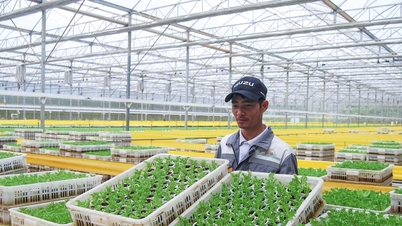
As at Vina T&T Group, the control system is built from accompanying farmers in cultivation, purchasing according to progress, to manufacturing factories that meet international standards. This is a closed cycle, requiring perseverance and long-term investment.
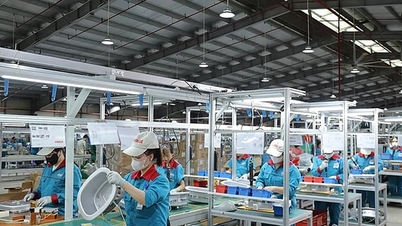
Regarding deep processing and green production, Mr. Tung said that investing in deep processing is a step-by-step journey. The solution is not to chase after acreage but to truly accompany farmers, share risks, commit to long-term purchases and jointly create quality products. When farmers and businesses consider each other as partners instead of buying and selling relationships, market risks are significantly reduced.
According to Mr. Tung, green transformation is an opportunity, not a burden, helping to expand the large market in the next 10-20 years. Currently, many businesses in the industry have also started measuring emissions, investing in clean energy, and optimizing packaging. However, to accelerate green transformation, businesses need more support resources from green banks, climate funds and international cooperation programs, along with a clear set of criteria for each industry.
In addition, building a brand for the growing area, telling the story of the fruit through images, packaging and experiences, and making “sustainability” a part of real profits will help increase the value of Vietnamese agricultural products. When done right, agricultural products will not only appear on shelves but also win the affection and loyalty of global consumers.
Vietnam's fruit and vegetable exports by the end of 2025 will affirm its competitive position, market adaptability and sustainability, opening up great opportunities for Vietnamese farmers, cooperatives and businesses on the world agricultural map.
Nguyen Hanh


![[Photo] Parade to celebrate the 50th anniversary of Laos' National Day](/_next/image?url=https%3A%2F%2Fvphoto.vietnam.vn%2Fthumb%2F1200x675%2Fvietnam%2Fresource%2FIMAGE%2F2025%2F12%2F02%2F1764691918289_ndo_br_0-jpg.webp&w=3840&q=75)

![[Photo] Worshiping the Tuyet Son statue - a nearly 400-year-old treasure at Keo Pagoda](/_next/image?url=https%3A%2F%2Fvphoto.vietnam.vn%2Fthumb%2F1200x675%2Fvietnam%2Fresource%2FIMAGE%2F2025%2F12%2F02%2F1764679323086_ndo_br_tempimageomw0hi-4884-jpg.webp&w=3840&q=75)



















![[Video] Protecting World Heritage from Extreme Climate Change](https://vphoto.vietnam.vn/thumb/402x226/vietnam/resource/IMAGE/2025/12/03/1764721929017_dung00-57-35-42982still012-jpg.webp)











































Comment (0)