

Many parents feed their children large meals in the evening or late after 8 PM hoping that their children won't be hungry and will sleep soundly until morning. However, doctors do not recommend this.
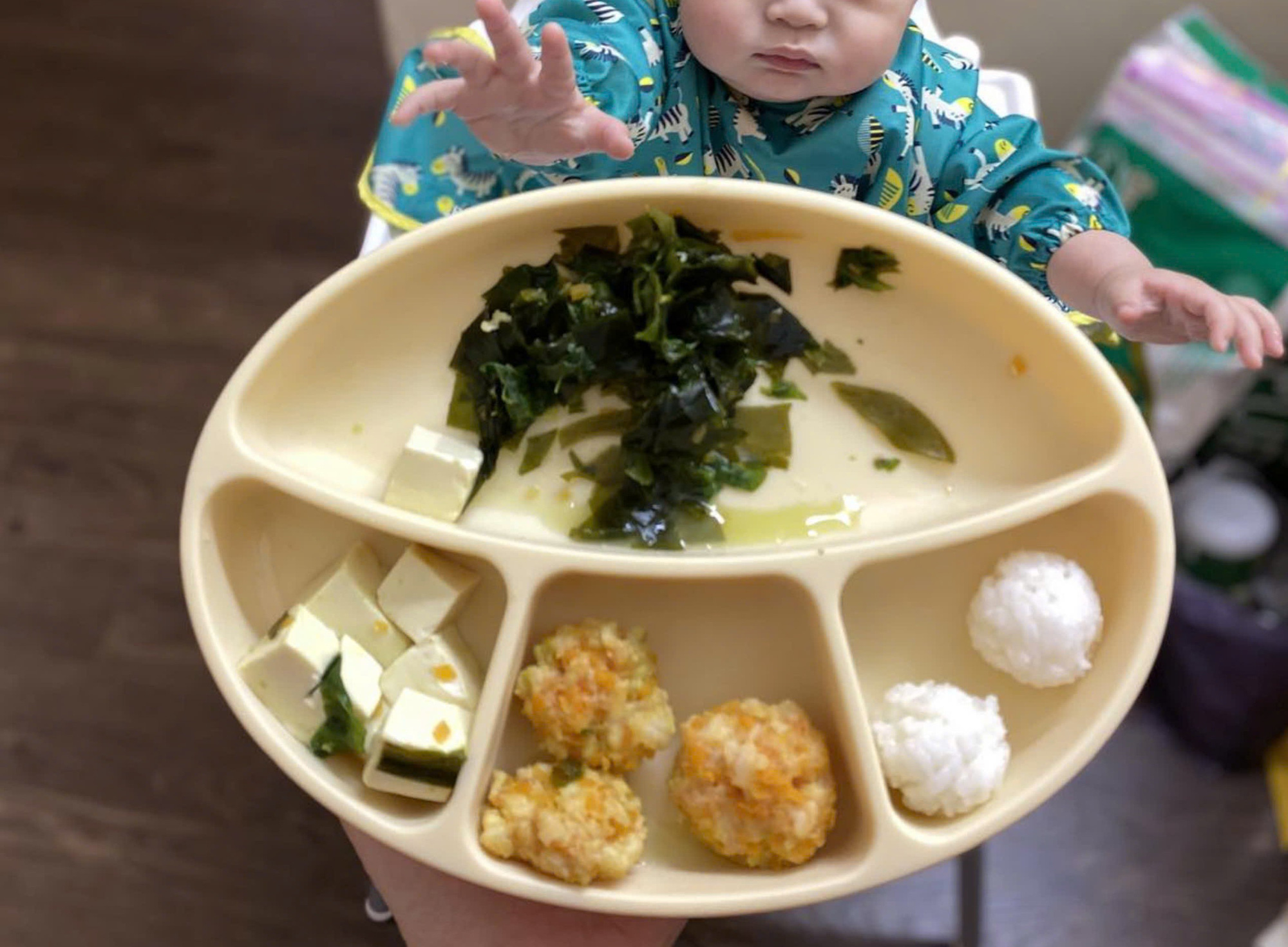
Experts recommend introducing solid foods to babies from 6 months of age, according to the child's needs - Illustration: NAM TRAN
Associate Professor Pham Thi Bich Dao, senior lecturer in the Department of Otolaryngology - Hanoi Medical University, said that in the early stages of development, children are very prone to illness, especially ear, nose, and throat diseases.
However, parents often focus only on the prescribed medication without paying attention to the contributing factors affecting the healing process or the likelihood of recurrence.
For example, when parents or grandparents see their children or grandchildren sick, they want to feed them a lot, making the children afraid of food, causing them to vomit while eating. Or they might feed them too late at night, or take them to crowded places, exposing them to cold temperatures…
According to doctors, children should not be allowed to eat too much at dinner and should not be fed after 8 PM because overeating at dinner can put a great strain on their digestive system.
When the stomach is too full, digestion becomes more difficult, leading to discomfort, bloating, and the upward movement of stomach contents into the nasal and throat area. The throat lining has to operate in an acidic environment instead of the previously slightly alkaline one, making it more susceptible to inflammation and hindering the healing process of nasopharyngitis.
Eating too much at dinner can contribute to being overweight or obese. In children, the calories consumed are not fully used up because they are less active while sleeping.
Consequently, the lymphoid tissues in the throat become overgrown but fail to perform their assigned protective function for the nasopharynx. Furthermore, due to their large size, the drainage of the natural cavities in the ear, nose, and throat is reduced, leading to fluid buildup and causing middle ear and sinus infections.
Eating late, especially after 8 PM, can disrupt a child's sleep. Uneaten food can cause discomfort and make it difficult for a child to fall into a deep sleep. Lack of sleep will affect a child's intellectual and physical development, leading to fatigue and reduced concentration the following day.
Reduced sleep quality in children leads to weakened immunity.
If children consistently overeat at dinner or eat late, this can create bad eating habits.
Children may not learn portion control, leading to unhealthy eating habits later in life. Establishing proper eating habits from a young age will help children develop good habits throughout their lives.
An unhealthy diet can increase the risk of developing conditions such as diabetes, high blood pressure, and cardiovascular problems later in life. Educating children about healthy eating habits will help protect their health in the future.
"To ensure the health and comprehensive development of children, parents should pay attention to their children's eating habits. Establish a habit of eating dinner early and appropriately, which helps children recover from ear, nose, and throat illnesses and prevents recurrence," Associate Professor Pham Thi Bich Dao emphasized.
Source: https://tuoitre.vn/bac-si-chi-ro-tac-hai-khi-cho-tre-an-qua-no-vao-buoi-toi-20241212203347957.htm


![[Image] Close-up of the newly discovered "sacred road" at My Son Sanctuary](/_next/image?url=https%3A%2F%2Fvphoto.vietnam.vn%2Fthumb%2F1200x675%2Fvietnam%2Fresource%2FIMAGE%2F2025%2F12%2F13%2F1765587881240_ndo_br_ms5-jpg.webp&w=3840&q=75)















































































Comment (0)