


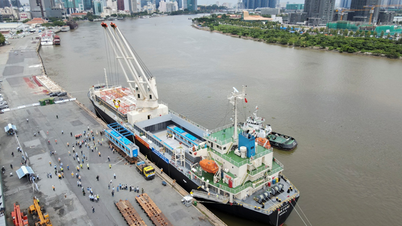
The funds in this transaction will be used to refinance the import of scrap steel, a commodity considered a significant contributor to the development of Vietnam's circular economy . The use of scrap steel will contribute to reducing emissions from the steel industry and decreasing resource consumption. According to an energy study, each ton of scrap used in steel production prevents 1.6 tons of carbon emissions, saves 350 kg of coal, and 1.7 tons of clean water.
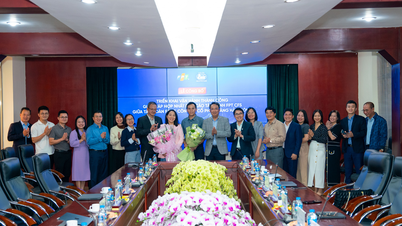
Recently, BIDV and MUFG also officially signed an agreement to expand the credit limit framework applicable to trade finance transactions, adding a Green component to leverage the trade finance limit that MUFG has allocated to BIDV. The content of the agreement is based on BIDV's Sustainable Loan Framework - a document describing the activities and guidelines for implementing green loans in accordance with international practices.
Frederic Cabay, CEO and Co-Head of Global Financial Institutions at MUFG, shared: "As a leading financial institution, we understand the profound impact of our investment decisions on the economy and the environment. We are committed to investing in initiatives that not only boost local economies but also accelerate the transition toward a low-carbon future."
Ms. Pham Thi Ngoc Anh, Director of BIDV's Financial Institutions Department, stated: "As one of Vietnam's leading commercial banks, BIDV is always aware of its pioneering role and committed to accompanying the Government in achieving emission reduction targets. Identifying the promotion of green credit as one of its top priorities, BIDV focuses on green finance cooperation with leading financial institutions such as MUFG to deploy preferential green financing in Vietnam."
BIDV and MUFG will continue to cooperate closely to implement more green trade center loans in the future, contributing to promoting positive impacts on the ecological environment, reducing emissions, and combating climate change in Vietnam.
BIDV

















![[Photo] Urgently help people soon have a place to live and stabilize their lives](/_next/image?url=https%3A%2F%2Fvphoto.vietnam.vn%2Fthumb%2F1200x675%2Fvietnam%2Fresource%2FIMAGE%2F2025%2F12%2F09%2F1765248230297_c-jpg.webp&w=3840&q=75)

















































Comment (0)