

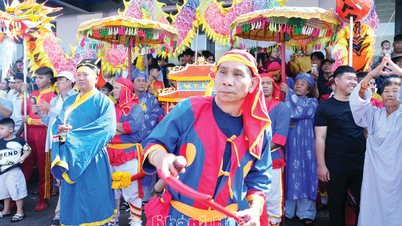
- Launching the Ngo boat of Cao Dan Pagoda.
- Provincial Party Committee, Provincial People's Council, Provincial People's Committee, and Provincial Committee of the Vietnam Fatherland Front: Extending Chol Chnam Thmay New Year greetings to Khmer temples, art organizations, and the press.
- The potential for cultural tourism from the ancient temple.
Unique features of architecture and beliefs
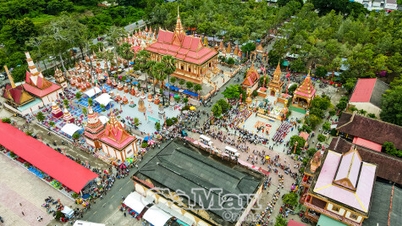
Cao Dan Pagoda is one of the pagodas that still retains the traditional Khmer architecture of Southern Vietnam. The main hall of the pagoda is built facing west, symbolizing the process of the Buddha's entry into Nirvana. The decorative details at the pagoda are closely linked to the cultural life and religious beliefs of the Khmer people, including mythological symbols such as the mythical bird Krud (Garuda), the symbol of Key Nor (a fairy), and intricately carved patterns of moss and algae, creating vivid scenes on the structures within the pagoda grounds.
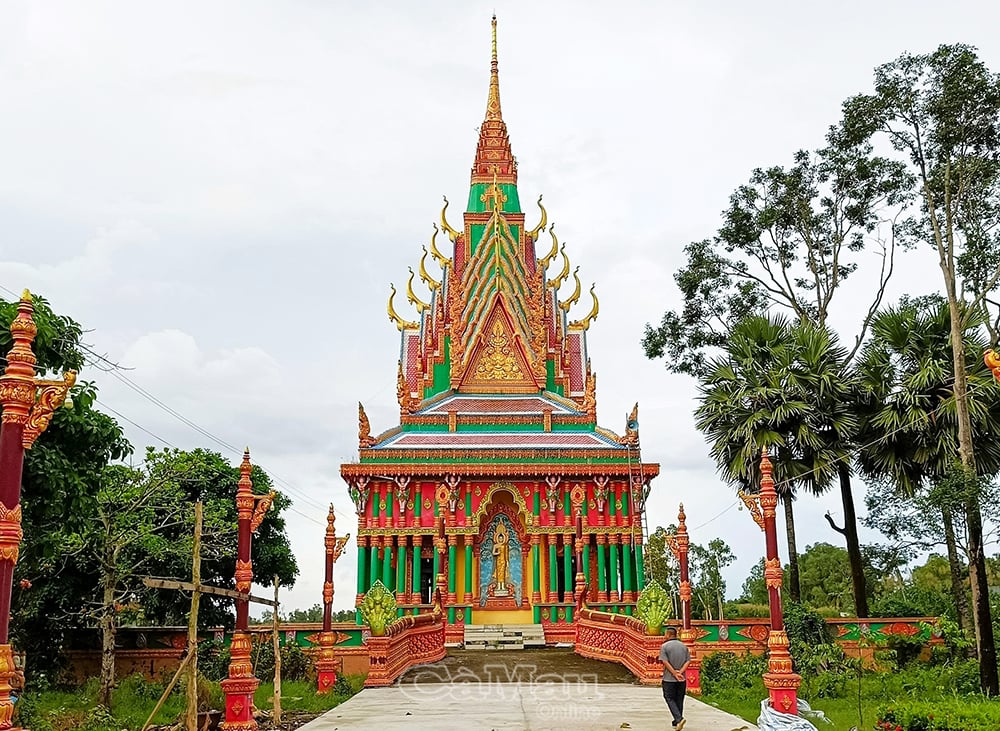 The main hall of Cao Dan Pagoda.
Inside the main hall and lecture hall of Cao Dan Pagoda, many important relics are still preserved, including a large statue of Shakyamuni Buddha and many smaller statues of Shakyamuni Buddha in various sizes and postures, reflecting the process of the Buddha's renunciation, study, and enlightenment; artifacts such as large drums, bronze bells, gongs, and wooden clappers... used for festivals, celebrations, and religious activities at the pagoda. Within the pagoda grounds, there are many areas for worship and religious practices associated with typical Buddhist legends and stories, such as: the symbol of the Buddha meditating under the Bodhi tree, the symbol of the Naga serpent protecting the Buddha...
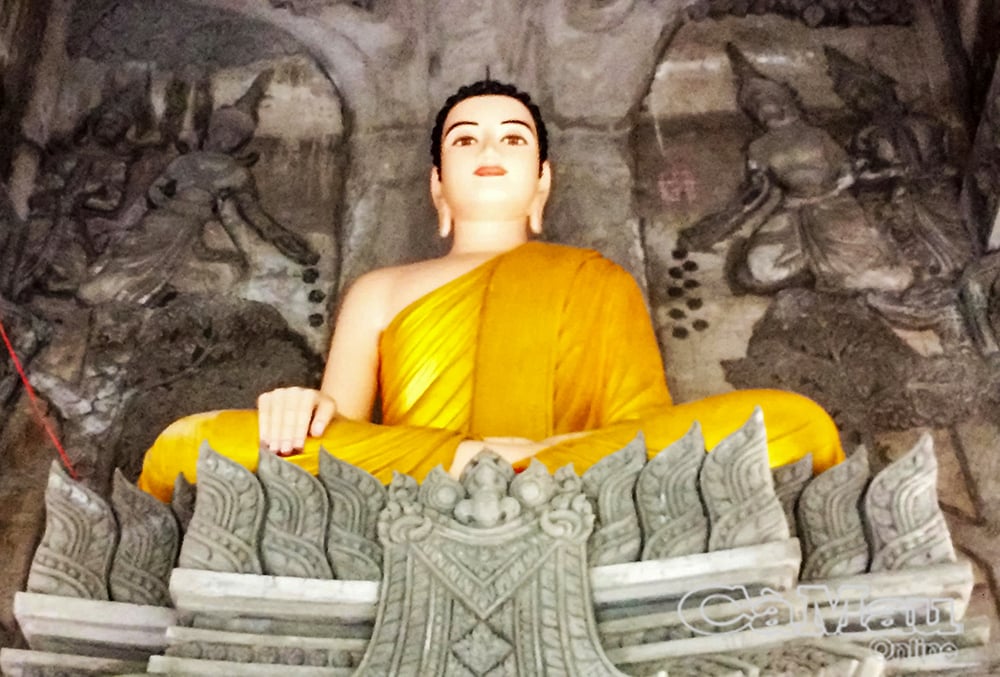 A large statue of Buddha Shakyamuni inside the main hall.
For the Khmer people of Tan Loc commune and surrounding areas, Cao Dan Pagoda is not only a place of religious worship and Buddhist practice, but also a cultural, educational , and social center for the community. From birth to adulthood and death, the lives of the Khmer people are closely intertwined with the pagoda: children come to learn the Khmer language and Buddhist doctrines; young people come to the pagoda to study and cultivate morality; adults regularly attend ceremonies and perform charitable acts; the elderly find peace in scriptures; and the deceased entrust their ashes to the pagoda. Also at Cao Dan Pagoda, monks and Achar regularly hold classes to teach the Khmer language to children of the ethnic minority community in the area.
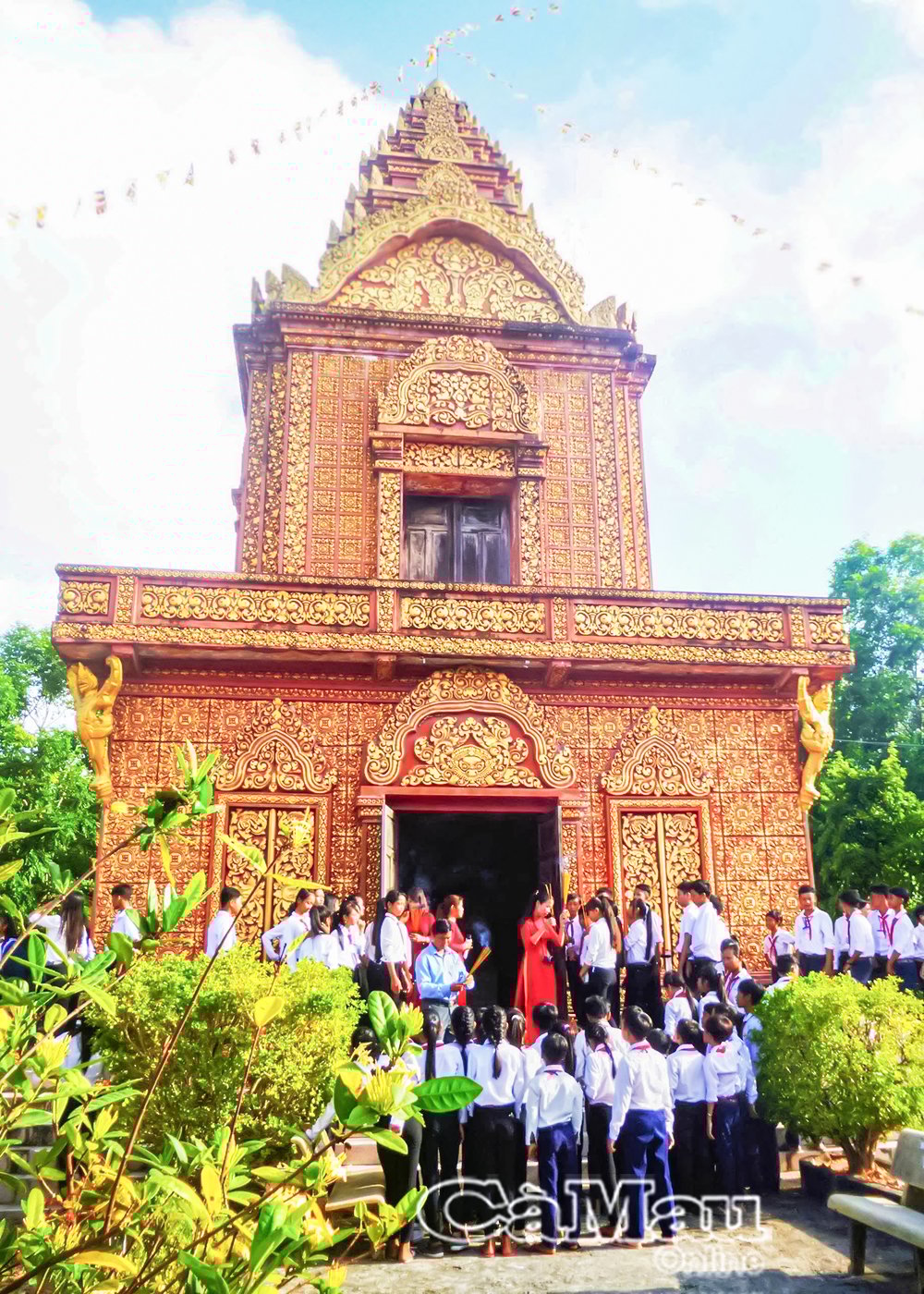
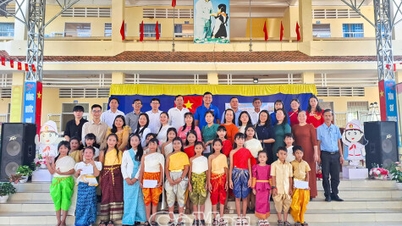
Students come to light incense at the pagoda of Venerable Hữu Nhem.
Every year, the temple hosts typical traditional festivals such as: Chol Chnam Thmay (New Year's Festival), held from April 14th to 16th, with many important rituals such as the Maha Sangkran procession, rice offering ceremony, sand mound building ceremony, Buddha statue bathing ceremony, and prayers for the deceased... asking the gods for blessings and good fortune for people in the new year; Sene Dolta (Ancestor Worship Festival), held over three days, from August 29th to September 1st of the lunar calendar, this is an occasion to remember the deceased and create bonds between family members, clans, and the community; Ok Om Bok (Moon Worship Festival), held on October 15th of the lunar calendar, this festival is closely associated with agricultural life, expressing gratitude to the Moon god for granting a bountiful harvest.
Historical landmarks
From the early years of the resistance against foreign invaders, Cao Dan Pagoda became a solid base for the revolutionary struggle. In 1943, the Viet Minh Front chose this place as a base of operations, a place to hide weapons and organize secret activities. By December 1945, when the resistance in Southern Vietnam entered a critical phase, Comrade Vu Duc – Standing Committee Member of the Western Province Party Committee – chose Cao Dan Pagoda as the place to report to the Central Committee on revolutionary activities in the area.

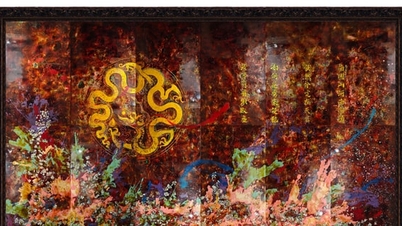
The image depicts the Buddha meditating under a Bodhi tree.
In 1953, Cao Dan Pagoda was chosen as the location for a three-month political training course for Khmer cadres in the Bac Lieu and Ca Mau regions. Many monks and Achar (religious leaders) participated and matured in revolutionary activities, with many becoming key Party officials. In 1960, Cao Dan Pagoda had the honor of being chosen as the venue for the Patriotic Monks' Solidarity Congress of the Southwestern Region, attended by over 400 monks.
It was also here that Venerable Huu Nhem, former Vice Chairman of the National Liberation Front of South Vietnam, studied and matured. From his role as a devout monk, he quickly became a staunch revolutionary fighter, participating in combat and bravely sacrificing his life on October 7, 1966, in a bombing raid. His name and revolutionary career have become a source of inspiration and pride for the monks and Khmer people. To commemorate the Venerable's contributions, the Huu Nhem Tower was built in 2003 within the temple grounds. Standing 12 meters tall and covering an area of 12 square meters, it serves as a symbol of patriotism and the spirit of unity among the people of the province. Many activities promoting and educating the younger generation, especially local students, about the traditions of the past are regularly organized here.
Promoting historical and cultural values.
To recognize the cultural and historical values of Cao Dan Pagoda, on June 11, 2007, the People's Committee of Ca Mau province decided to classify it as a provincial-level historical relic. On December 29, 2017, the Ministry of Culture, Sports and Tourism decided to classify it as a national-level historical relic.
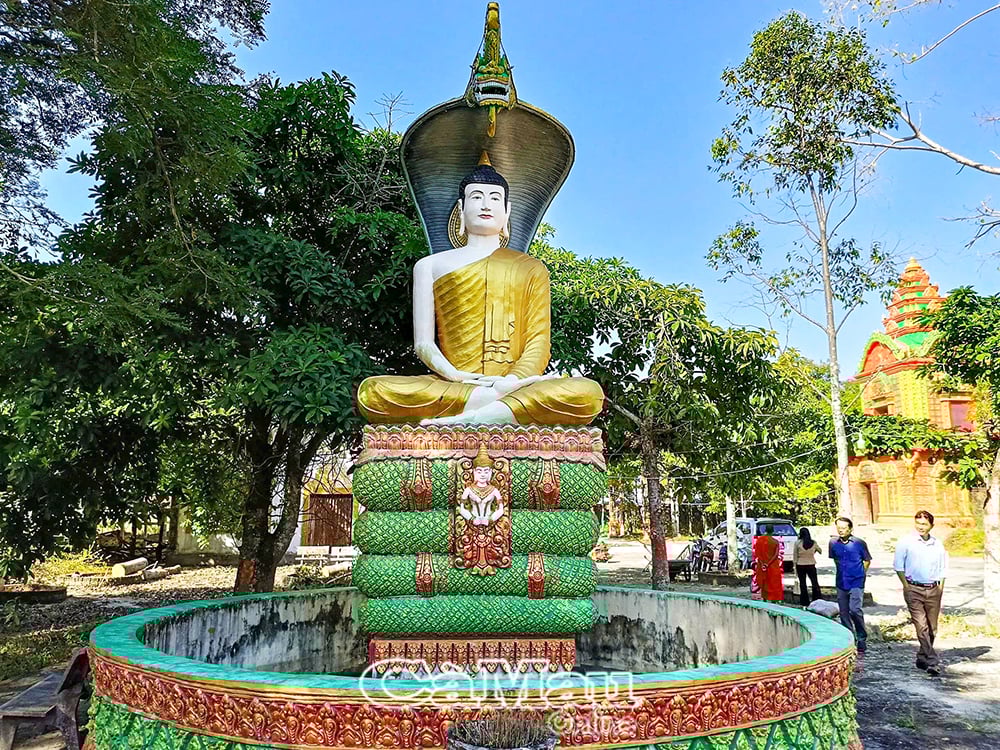
The serpent god Naga symbolizes the protection of the Buddha.
The Cao Dan Pagoda historical site is a vivid testament to the harmonious blend of Buddhist spiritual space and revolutionary activity. It not only preserves the distinctive architectural and religious practices of the Khmer people but also symbolizes the spirit of unity among the Kinh, Khmer, and Chinese communities in their struggle to defend the homeland.
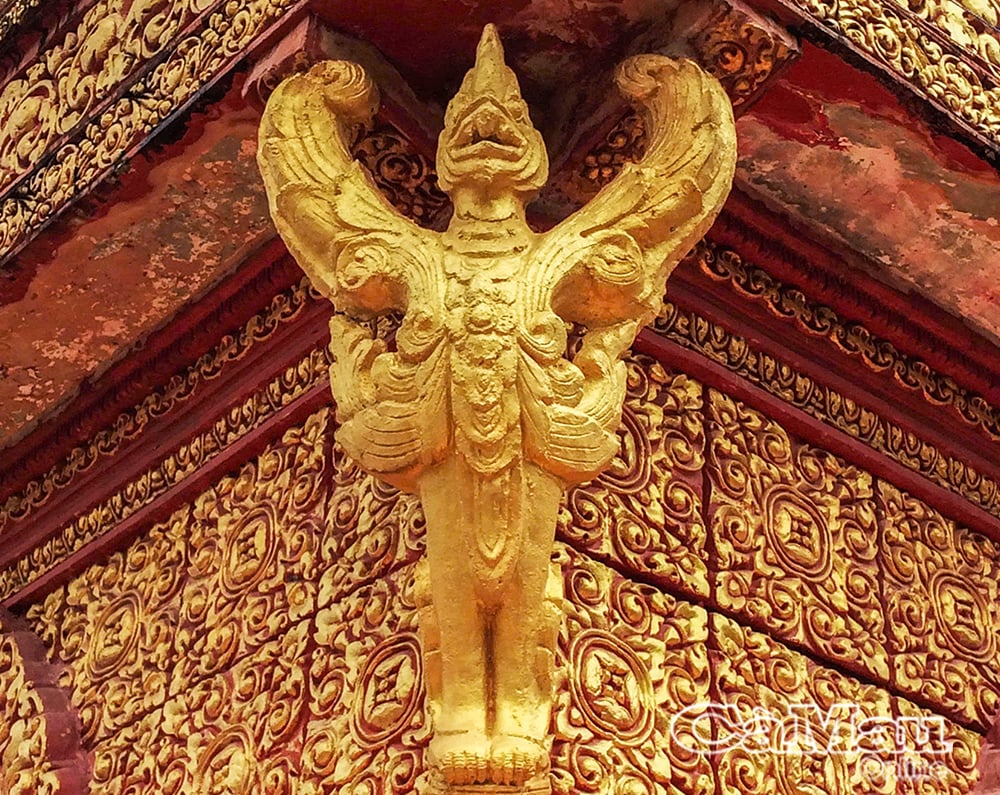
The image of the mythical bird Crus is displayed at the Hữu Nhem Tower.
Preserving and promoting the historical value of Cao Dan Pagoda is of paramount importance, contributing to the preservation and promotion of the cultural identity of the Khmer ethnic minority in Ca Mau. The site is not only a cultural heritage to visit, but also a heroic epic of patriotism, pride, and inspiration for generations of Buddhists, ethnic communities, and young people today and in the future.
Dang Minh
Source: https://baocamau.vn/chua-cao-dan-di-san-van-hoa-va-lich-su-a123527.html



















































Comment (0)